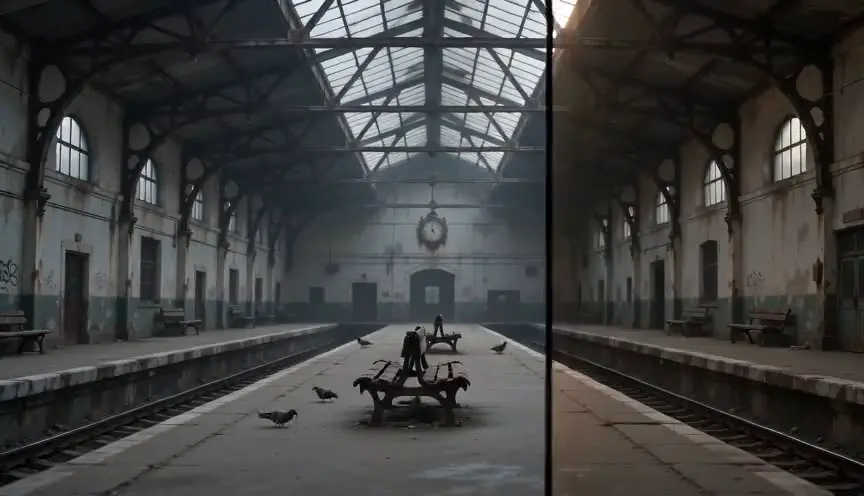
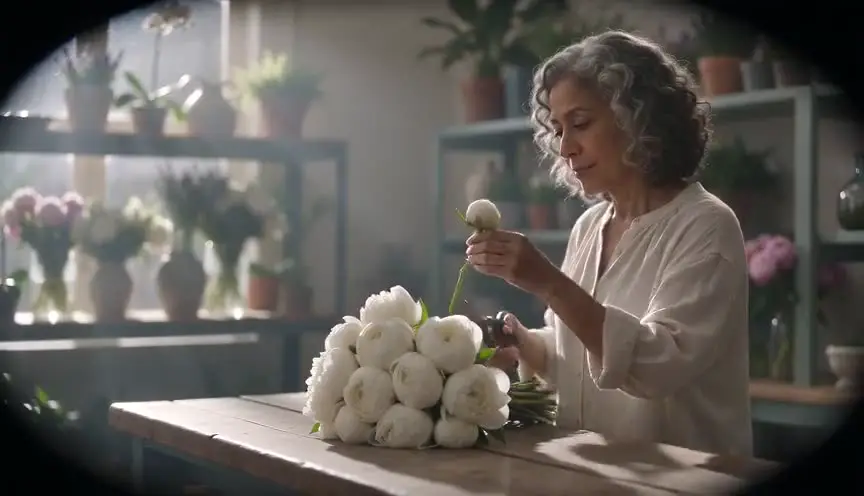
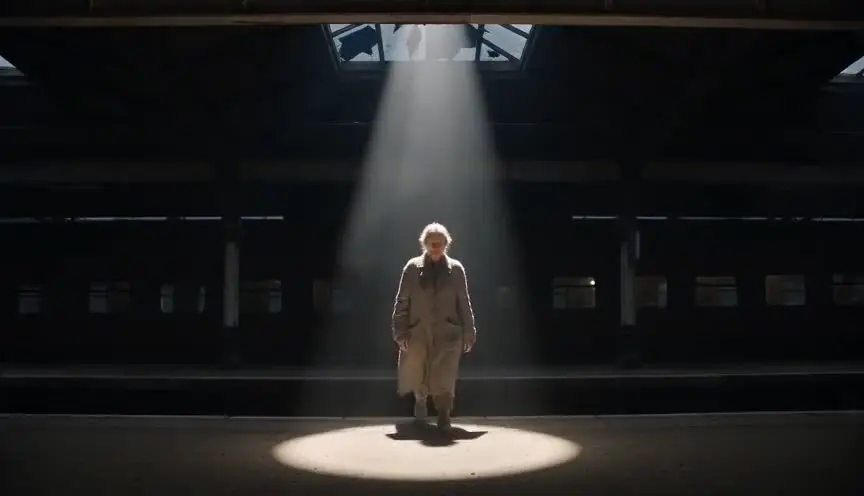
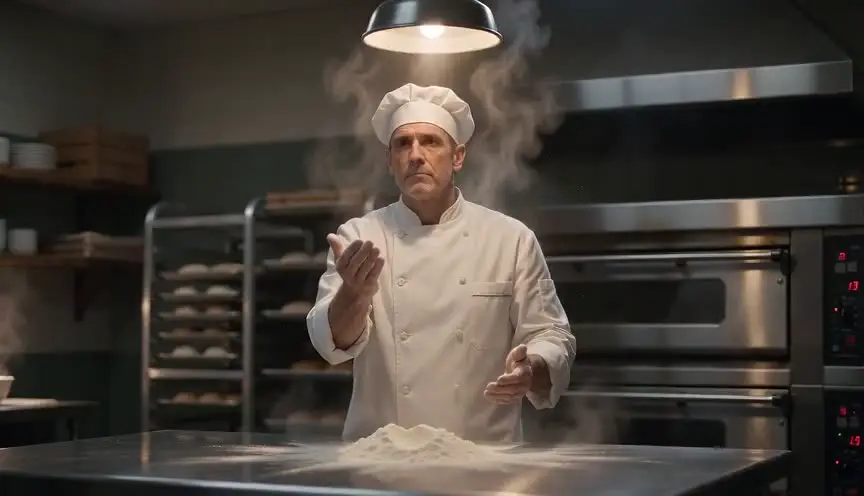
Iris transitionA circle closes on the moment
An iris transition opens or closes the image in a shrinking or growing circle, usually centered on one character or detail. The audience's attention narrows to that point, and the scene ends or begins like a punctuation mark.
Also calledIris inIris outIris wipe
Editing and transitions
Why it works on screen
The iris is a spotlight and a wink. Closing in on a face or an object, it says: remember this. It suits comedy, fairy tales, silent-film homage, children's stories and moments where the film wants to comment on itself with affection. An iris out on a character after a joke or a triumph turns the moment into a final pose. An iris in from black can open a story like a peephole into another world. A scene earns it when the tone welcomes a bit of theater and the story wants to linger on one small element before moving on.
The shot list line
- Size
- Medium or full shot with the subject near center
- Angle
- Eye level
- Movement
- Static, so the iris does the motion
- Lens
- 35mm or 50mm
- Duration
- 1 to 2 s for the iris
Frame the key subject where the iris will close, and hold the final pose for a beat so the circle can finish on it.
Screenplay
On the page
An iris is a stylized transition, so spec scripts rarely use it. If your script plays with old-fashioned film grammar, one "IRIS OUT." at the end of a key scene can set the tone, but repeated use on the page becomes cute. More often, describe the final image so the director sees a natural spot for it: a character alone in a pool of light, a small object left behind. The center, speed and shape of the iris belong in the shot list and editing notes.
EXT. PLAZA DORREGO - BUENOS AIRES - SUNDAY EVENING
Street mime FACUNDO RÍOS (30s, white face, bowler hat) has lost his audience to a tango couple.
He mimes an invisible rope, pulls it hand over hand. At the other end, a little girl, PILAR (5), stumbles toward him, playing along.
The crowd turns and laughs. Facundo tips his hat to Pilar.
Pilar tips an invisible hat back.
IRIS OUT.
Storyboard
In the storyboard
Draw the frame with a circle centered on the key subject, and arrows pointing inward to show the iris closing (or outward for an iris in). Shade the area outside the circle black. Write IRIS OUT or IRIS IN with the duration. Mark the exact center point with a small cross, and note the pose or object the circle ends on, since that is the image the audience keeps.
Pairs well with
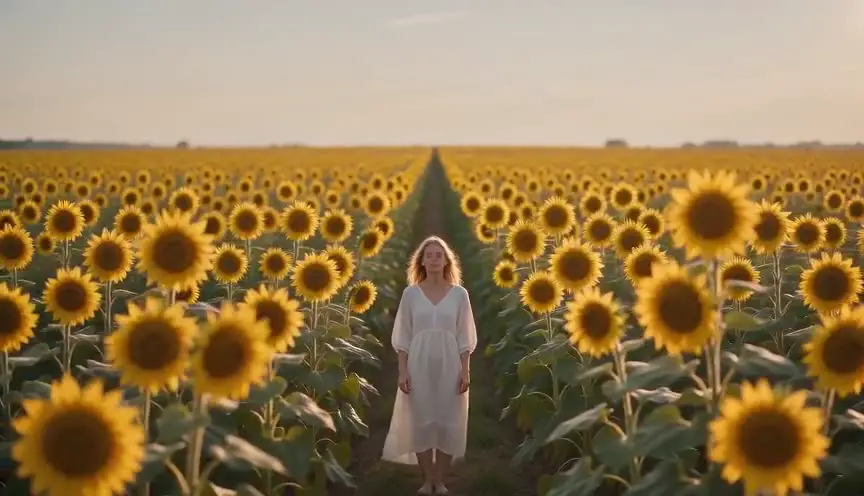
A centered composition before the iris places the subject exactly where the circle will close. The transition then feels like the natural end of the image.

After an iris out to black, a fade in to the next scene keeps the old-fashioned rhythm and gives the audience a gentle pause between chapters.
Reference
Watch it in
The Kid (1921)
Chaplin ends several comic scenes with a circle closing on one character, the neat full stop of silent film storytelling.
Modern Times (1936)
The last shot of the Tramp and the Gamin walking down the road closes in a circle, bringing back a silent-era flourish for the farewell.
ScreenWeaver
Set it up in ScreenWeaver
Write the final image of your scene so one character or object stands out, and ScreenWeaver breaks the screenplay down into shots automatically. In the storyboard, open that last shot and set a centered framing at eye level, a static movement and a duration with a beat of hold at the end for the circle to close. Characters and props carry from shot to shot. Check the closing beat in the AI previsualization and note IRIS OUT in your shot list.
Start writing for freeThe prompt behind this clip
This is the exact prompt that rendered the clip at the top of the page. Keep the description of the camera and the light, change the subject and the place.
Iris transition on a Parisian rooftop at dusk: the frame begins fully black, then a perfect circular mask opens from the center over 1 second, revealing a wide static shot of a man in a wool coat adjusting an antique telescope among terracotta chimney pots, the Eiffel Tower faint in the haze behind him. The circle keeps widening until it fills the entire 16:9 frame by the second mark. After a brief hold, the same circular mask closes back down, shrinking steadily onto his eye at the telescope, the picture darkening to solid black by the final frame. No text.
Common mistakes
- 01
Off-center subject
If the iris closes on empty space or cuts off a face, the gag falls flat. Plan the subject's final position so the circle ends right on it.
- 02
Using it in a serious scene
An iris on a tragic or intense moment can feel mocking. Keep it for light, nostalgic or knowingly theatrical moments where the audience can smile.
- 03
No final pose
If the character keeps moving while the circle closes, the image blurs. Ask the actor to land a clear pose or expression and hold it.