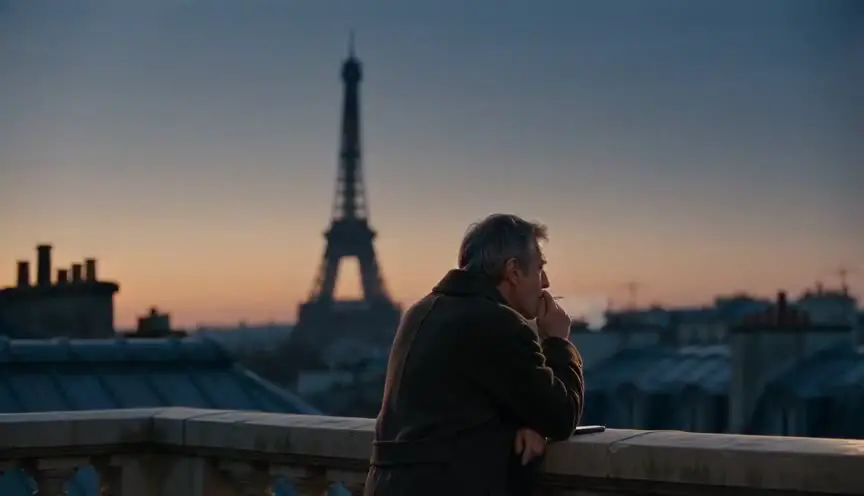
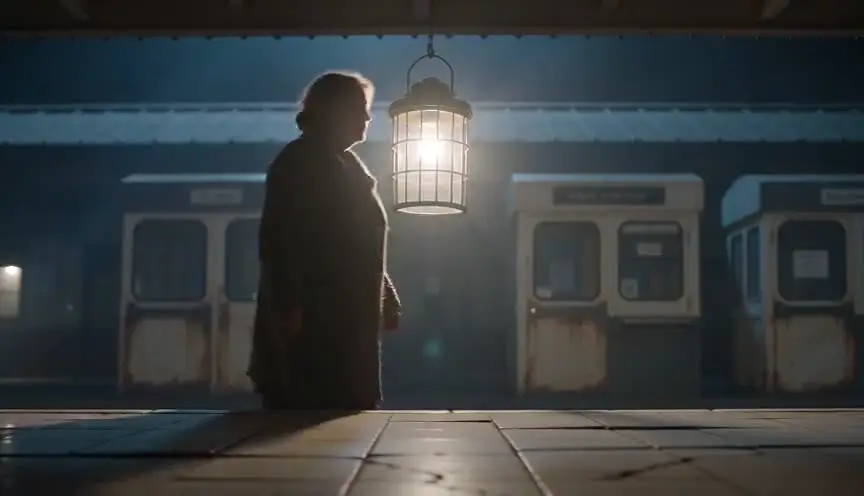
Light leakWarm flashes of old film
A light leak is a burst of stray light, usually warm orange or red, that washes across part of the frame when light reaches the film where it should not. The audience reads it as a sign of an old camera, a home movie or a fragile memory.
Also calledFilm light leakLeak effectEdge burn
Optical effects
Why it works on screen
Use it when footage in the story is itself a character: a family film found in a drawer, a reel from a summer that changed everything, a memory rebuilt from fragments. Light leaks tell the audience the image is imperfect and personal, which can make it tender or sinister. They serve nostalgia, grief, found footage horror and coming-of-age stories. They also work as punctuation in a montage, a warm flash between two moments. A sequence earns them when the texture of the medium matters. Scattered over a clean modern film for style, they quickly look like a preset.
The shot list line
- Size
- Varies, often medium or wide
- Angle
- Eye level, amateur camera height
- Movement
- Handheld, loose
- Lens
- Super 8 or 16mm zoom, or a vintage look
- Duration
- Leak bursts of 1 to 2 s within the shot
If shooting on film, leaks can happen at roll ends; otherwise plan them in the edit and mark the frames where they should peak.
Screenplay
On the page
Never write "light leak" as an effect in a spec script. If the audience watches old footage, say so: Super 8 home movie, scratched and faded, or a reel from a camcorder. That identifies the medium, and the texture follows. Use an INSERT or a short heading for footage watched on a screen. Where leaks appear, how long they last and whether they come from the camera or are added in the edit are decisions for the director, the editor and the colorist.
INT. GARAGE, MELBOURNE SUBURB - NIGHT
GRACE PHAM (34, dust mask pushed up on her forehead) threads an old film projector found in her late father's boxes.
The beam hits a bedsheet pinned to the wall.
ON THE SHEET: a girl of five on a beach, running from the waves, the image flaring orange at the edges, then clearing.
A man's hand enters the frame, holding out an ice cream.
Grace sits down on a paint tin.
Storyboard
In the storyboard
Draw the frame normally, then shade a warm wash of orange or red pencil entering from one edge and fading toward the center. Add an arrow showing the direction and a note on timing, such as enters on frame 12, peaks, fades by 2 s. If leaks mark transitions in a montage, draw them between panels as small colored bands so the editor sees the rhythm.
Pairs well with
Found footage relies on the audience believing the images were recorded by someone in the story. Light leaks, flicker and scratches make that old or amateur medium feel physical and real.

In a montage of memories, brief light leaks between shots act like warm breaths, linking the fragments and reminding the audience that these images come from the past.
Reference
Watch it in
Sinister (2012)
The Super 8 reels a writer finds in an attic flicker and flare with warm bursts at the edges, making the killings look like damaged family movies.
Stories We Tell (2012)
Sarah Polley stages Super 8 scenes of her family's past with soft edge flares and flashes of light, so reconstructions pass as genuine archive.
ScreenWeaver
Set it up in ScreenWeaver
Write the old footage into your screenplay as footage, with an INSERT or a short description of the medium, and ScreenWeaver breaks the scene into shots automatically. Open each archive shot, set a loose medium or wide framing at eye level, a handheld movement and a duration, and note the leak timing in the shot description. Characters and references carry from shot to shot, so the child in the film and the adult watching stay connected. Check the rhythm in the AI previsualization.
Start writing for freeThe prompt behind this clip
This is the exact prompt that rendered the clip at the top of the page. Keep the description of the camera and the light, change the subject and the place.
Light leak: a skater in worn jeans rolls slowly across a concrete skate park bowl at sunset, camera handheld and mostly still, framing him at medium distance as low orange sun sits just off the top left of frame. A warm amber light leak bleeds in from the upper left edge, swelling into a soft hazy bloom that washes over half the frame then fades within two seconds, leaving the ramps and fading sky visible again as the skater continues rolling. No text.
Common mistakes
- 01
Leaks on everything
Constant leaks lose meaning and hide the image. Keep them for specific footage or specific moments, and let the audience see the picture clearly between them.
- 02
Covering the key moment
A leak that washes out a face or an important action at the wrong time removes information. Time the bursts around the beats, not on them.
- 03
Wrong color for the medium
Real film leaks are warm reds and oranges, sometimes magenta. Blue or green leaks look digital. Match the color to the medium you are imitating.