PanConnecting what shares a space
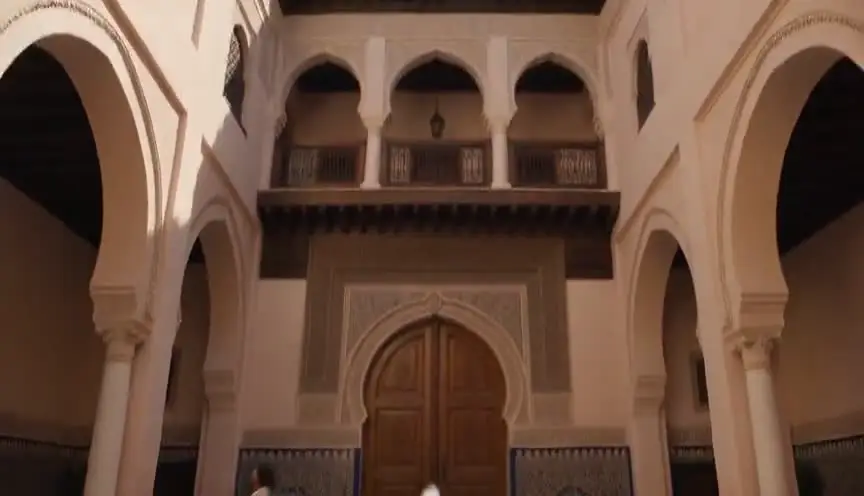
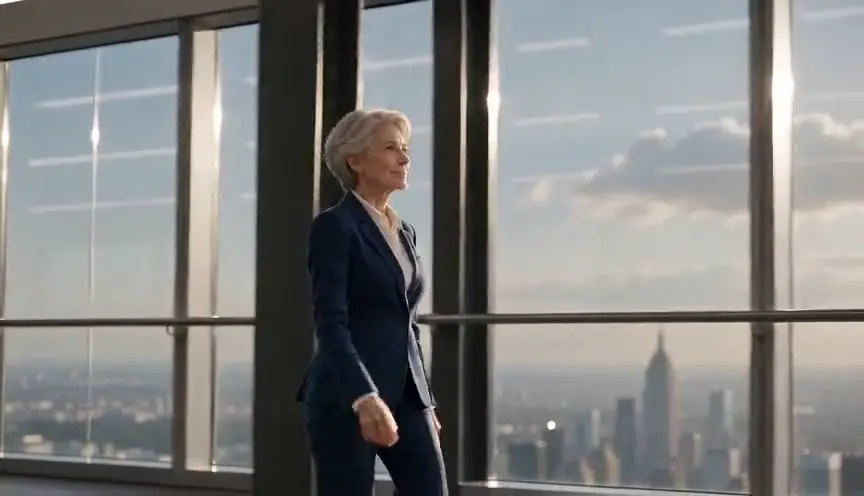
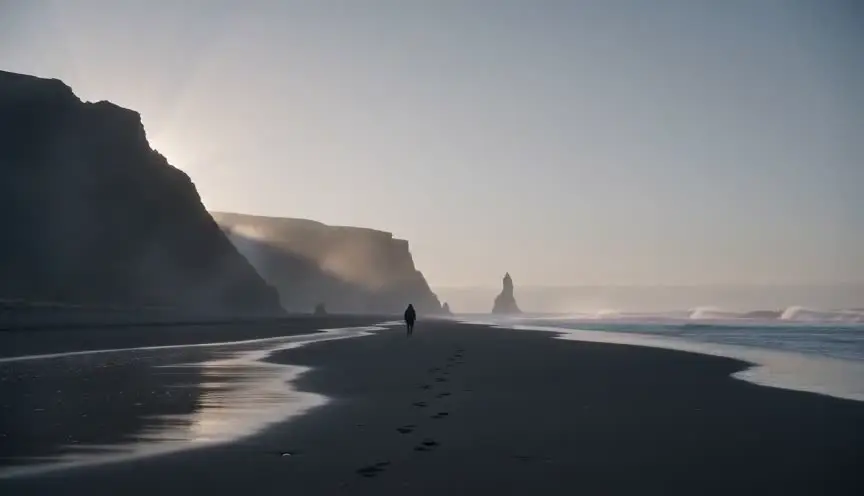
A pan turns the camera horizontally on a fixed point, sweeping the frame from one side of a scene to the other. The audience's gaze is carried across the space, linking whatever the camera passes as if a head had turned.
Also calledPanning shotPanoramic shot
Camera movement
Why it works on screen
The pan is about relationships inside a single place. It can follow someone crossing a room, move from a speaker to the listener without a cut, or survey a landscape so the audience grasps its size. Because it keeps everything in one continuous shot, it tells the audience that two things share the same space and time: the thief and the guard, the child and the danger, the promise and the empty field. It serves orientation, suspense and revelation. A scene earns a deliberate pan when what waits at the end of the move changes the meaning of the start.
The shot list line
- Size
- Wide shot, or medium following a subject
- Angle
- Eye level, head level on a tripod
- Movement
- Pan left or right on a fluid head
- Lens
- 24mm to 85mm depending on how much of the space you show
- Duration
- 4 to 12 s
Level the tripod carefully so the horizon stays flat through the whole turn, and rehearse the start and end frames with the operator.
Screenplay
On the page
Do not write "pan left" in a spec script. You can still set up a pan through the order of your description: start on one element, then name what lies beside it, then what lies beyond, as if your eyes were moving across the location. A reveal at the end of that sentence tells the director where the camera is going. If you direct, list the pan with its start frame, end frame and speed in the shot list.
EXT. HIGH PASTURE, BEAVERHEAD COUNTY, MONTANA - MORNING
DALE WHITEHORSE (50s, sheepskin coat, binoculars) stands in the stirrups and scans the valley.
Frozen creek. The long fence line, sagging. A cottonwood with a hawk in it.
The fence line again, and a gap in it three posts wide.
Past the gap: fresh tracks in the snow, a lot of them, heading for the road.
DALE
They're not lost. Somebody drove them.
Storyboard
In the storyboard
Draw a wide panoramic panel covering the full sweep, or two panels for the start and end frames. Draw a curved arrow across the top from start to end, labeled PAN LEFT or PAN RIGHT. Outline the frame rectangle at the start and at the end inside the panorama. Mark any element that must appear at a given moment, and note speed and duration. For a following pan, draw the subject's path with a second arrow.
Pairs well with
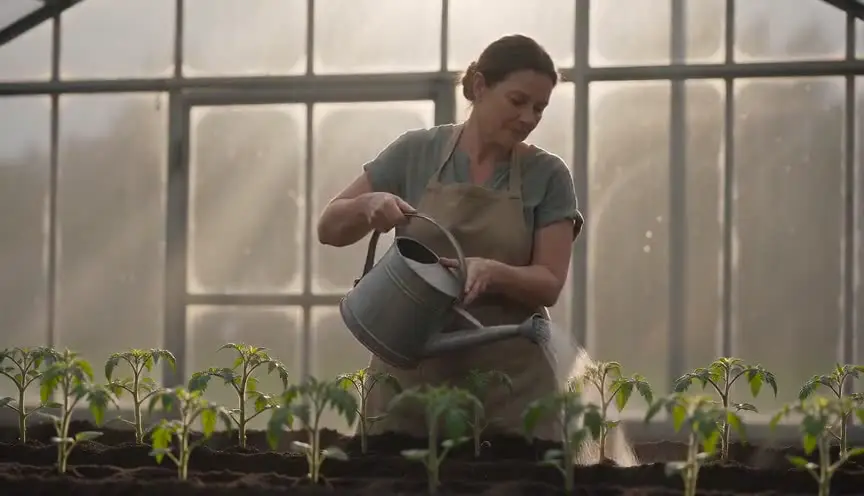
A locked frame before the pan lets the audience settle. When the camera finally turns, the movement itself becomes a signal that something outside the frame now demands attention.
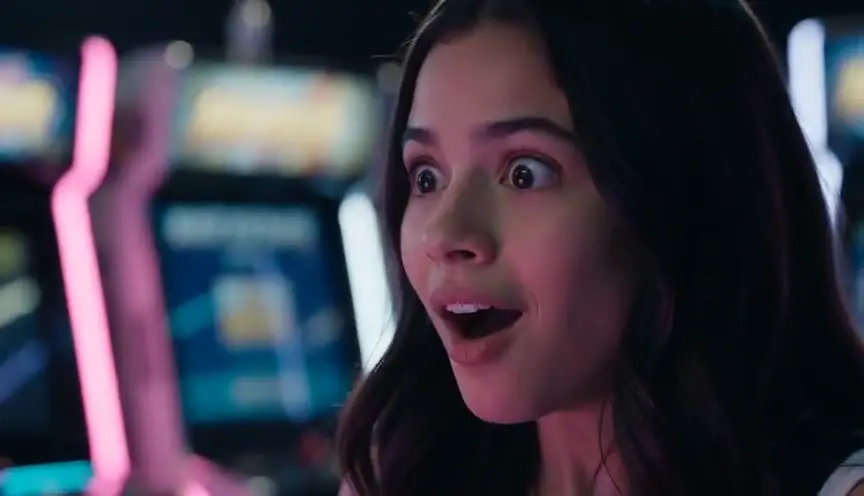
After a pan reveals something unexpected, cut back to the character who sees it. The reaction tells the audience how to feel about what the pan has just shown.
Reference
Watch it in
Rear Window (1954)
The film opens by turning slowly across the courtyard, introducing every window and neighbor that will become the stage for the whole mystery.
The Grand Budapest Hotel (2014)
Wes Anderson snaps the camera sideways between characters and actions again and again, using fast pans for comic timing and exact geography.
ScreenWeaver
Set it up in ScreenWeaver
Write the scene so the elements appear in the order the eye should meet them, and ScreenWeaver breaks it down into shots automatically. Open the shot, set the framing and the angle, choose a pan left or right as the movement and give it a duration that fits the sweep. Characters and the location carry from shot to shot, so what the pan reveals stays consistent with the rest of the scene. Check the reveal timing in the AI previsualization.
Start writing for freeThe prompt behind this clip
This is the exact prompt that rendered the clip at the top of the page. Keep the description of the camera and the light, change the subject and the place.
Pan shot inside a dimly lit jazz club at night: the camera is locked on a tripod at head height and rotates smoothly and slowly from left to right, sweeping past a saxophonist mid-solo under a warm spotlight, across a haze of cigarette smoke, past a row of listening patrons at small round tables, ending on a double bass player leaning into his instrument. The camera's position never moves, only the horizontal angle changes, revealing the full width of the stage in one continuous sweep at a steady, even speed. No text.
Common mistakes
- 01
Panning too fast
A quick pan on a wide lens causes judder and blurs detail, especially at 24 frames per second. Slow down, or commit fully and make it a whip pan with motion blur.
- 02
A tilted horizon
If the tripod is not level, the horizon slopes as the camera turns and the shot looks broken. Always check the bubble level before a pan.
- 03
No destination
A pan that drifts from one thing to nothing much wastes the audience's attention. Know the final frame before you start, and make it worth the trip.