25 techniques
CompositionWhere things sit in the frame
Composition is the grammar of a single frame: who is big, who is small, who is centered, who is pushed to the edge. It tells the audience where to look and what the relationship between people and places is.
It lives mostly in the storyboard. A writer can still invite it: a character alone in a huge hall, two people at opposite ends of a table. Each page shows the composition, its meaning and how to sketch it in a panel.
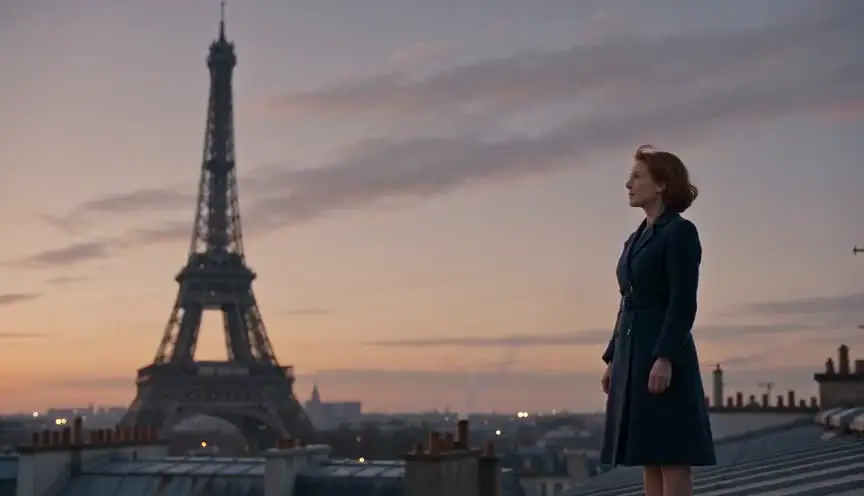
Rule of thirds
The rule of thirds divides the frame with two vertical and two horizontal lines and places the subject, the eyes or the horizon on those lines rather than in the middle. The image feels balanced but not frozen, and the audience reads the empty part of the frame as part of the story.

Golden ratio
Golden ratio composition places the subject on lines set at roughly 1 to 1.618, or at the tight end of a spiral that curls through the frame. The eye travels along the shapes of the image and settles on one point, so the shot feels composed with care rather than simply balanced.
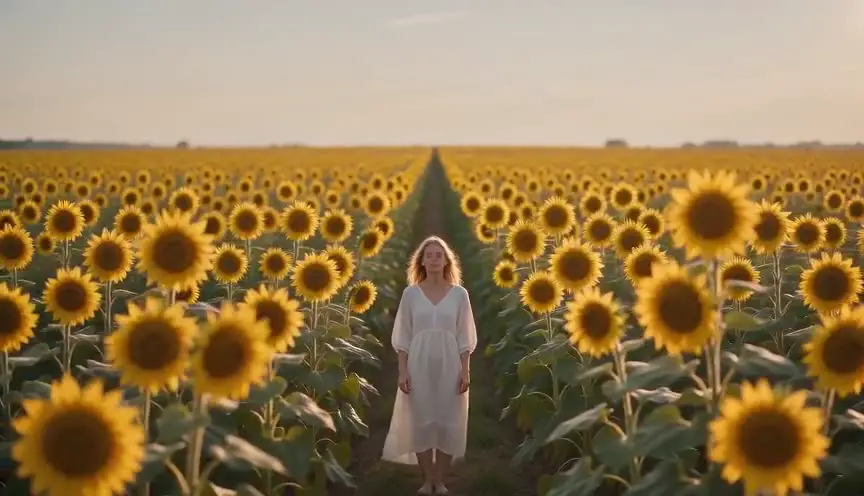
Centered composition
Centered composition puts the subject in the exact middle of the frame, often facing the lens or looking down its axis. The audience cannot drift to the edges, so the shot feels deliberate, confrontational or strangely formal.

Symmetry
A symmetrical frame mirrors itself across a central axis, with matching shapes, lines and often people on each side. It reads as control, ceremony or perfection, and any small break in the pattern jumps out at the audience.
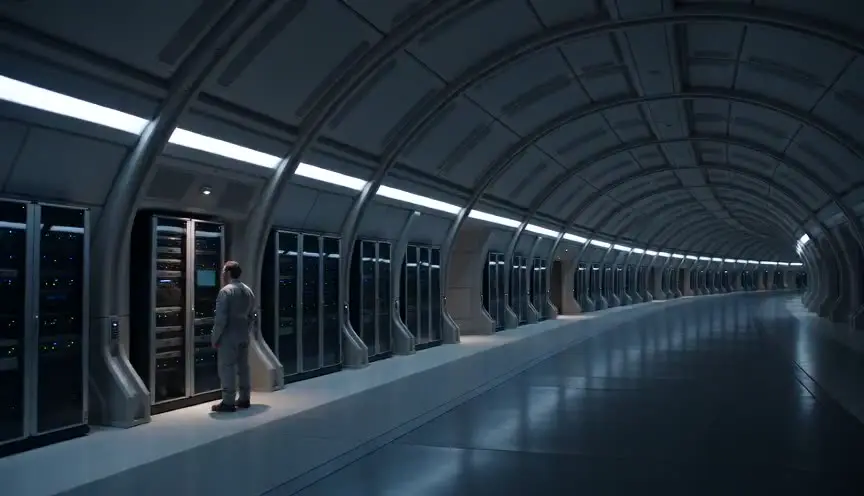
Asymmetry
Asymmetrical composition gives one side of the frame much more weight than the other, through size, tone, people or empty space. The audience senses imbalance, and their eye keeps searching the lighter side for what should be there.
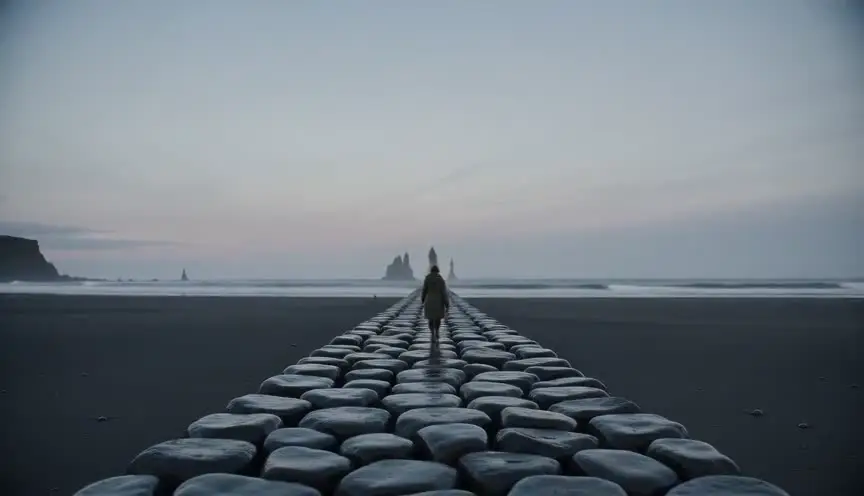
Leading lines
Leading lines are roads, rails, walls, fences or shadows that run through the frame and point toward the subject. The audience follows them without thinking and arrives exactly where the director wants them to look.
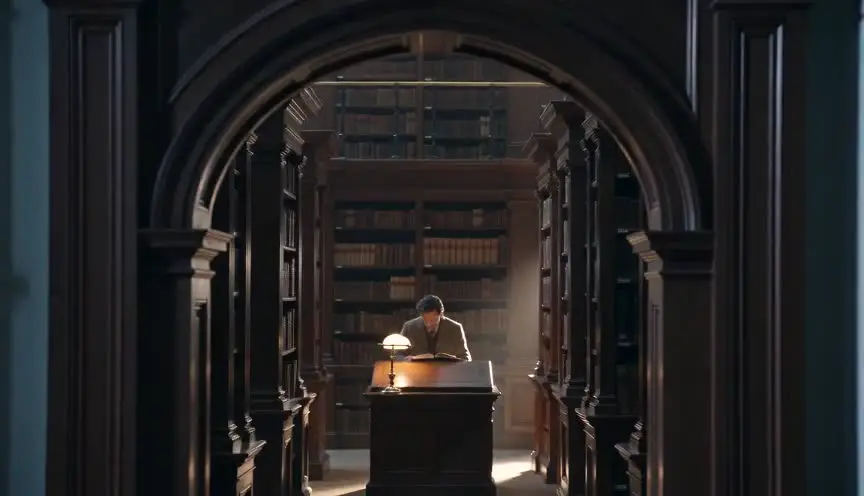
Frame within a frame
A frame within a frame uses a doorway, a window, a mirror or an arch inside the shot to enclose the subject a second time. The audience's attention narrows to that inner rectangle, and the character looks held, watched or trapped by the space.
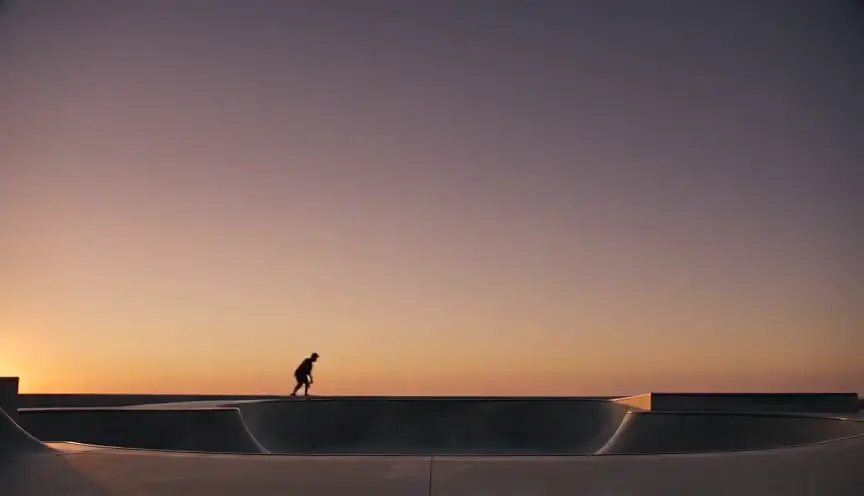
Negative space
Negative space is the empty area around the subject: sky, snow, water, a bare wall. When it takes up most of the frame, the audience feels the size of the world, and how alone or small the character is inside it.
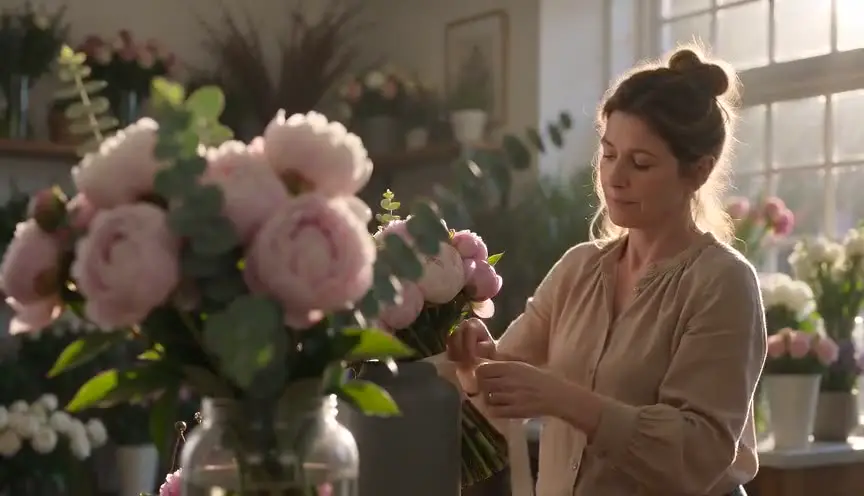
Foreground interest
Foreground interest places an object or a person close to the lens while the main action happens further back. The audience sees depth at once, and the near element comments on what happens behind it.
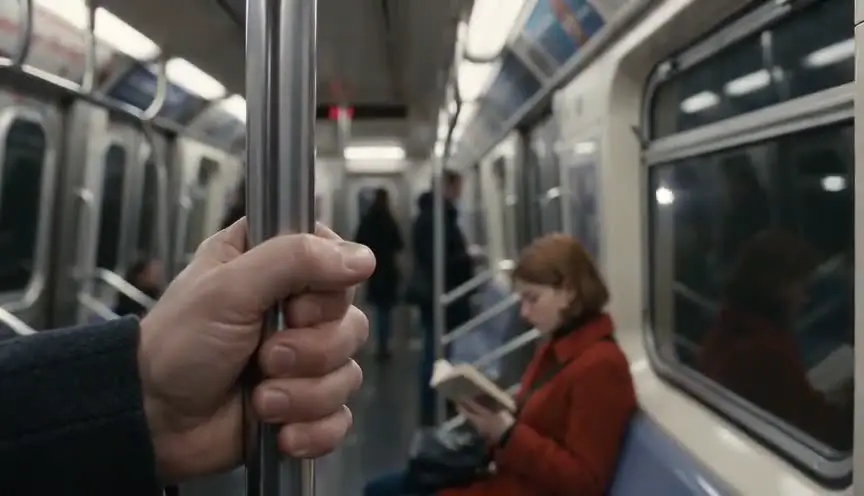
Layered depth
Layered depth stages the frame in three planes: something near the lens, the main action in the middle, and life continuing in the background. The audience reads the scene as a real, crowded place where several things happen at once.

Diagonal composition
Diagonal composition arranges the main lines of a shot, such as stairs, ropes, rooftops, shadows or bodies, on a slant across the frame. The image feels in motion even when nothing moves, and the audience senses instability or drive.
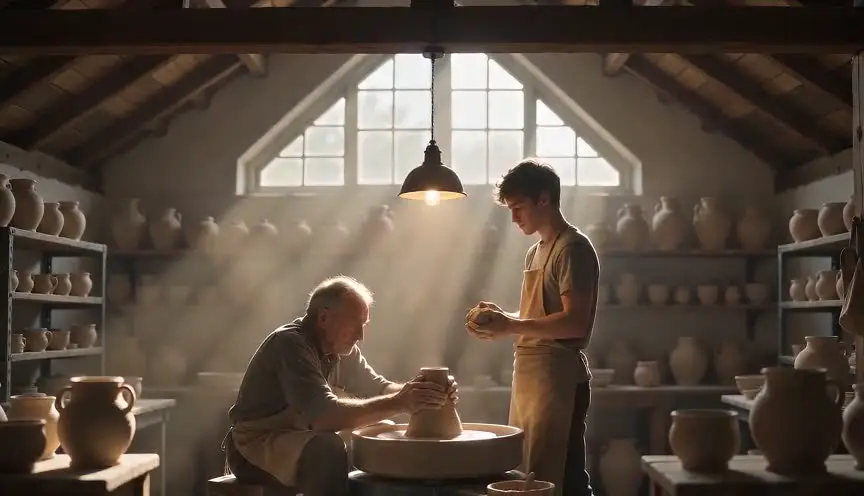
Triangular composition
Triangular composition arranges three faces, figures or lights so that they form a triangle in the frame. The eye travels from point to point around it, and the audience reads the group as a single relationship with a clear shape.

Headroom
Headroom is the space between the top of a subject's head and the top edge of the frame. Too little crowds a character, too much shrinks them, and the right amount lets the audience read the face without noticing the frame at all.
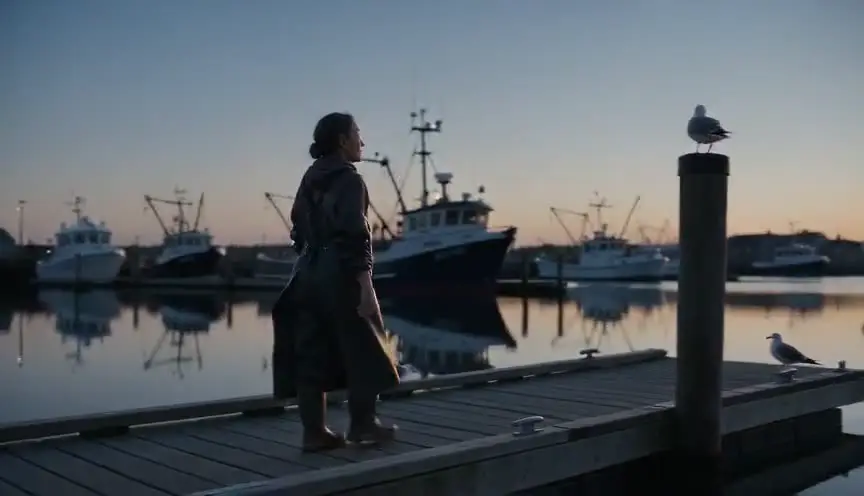
Lead room
Lead room is the open space left in front of a subject, in the direction they look or travel. It gives the gaze and the movement somewhere to go, so the audience feels momentum and follows the character's attention.
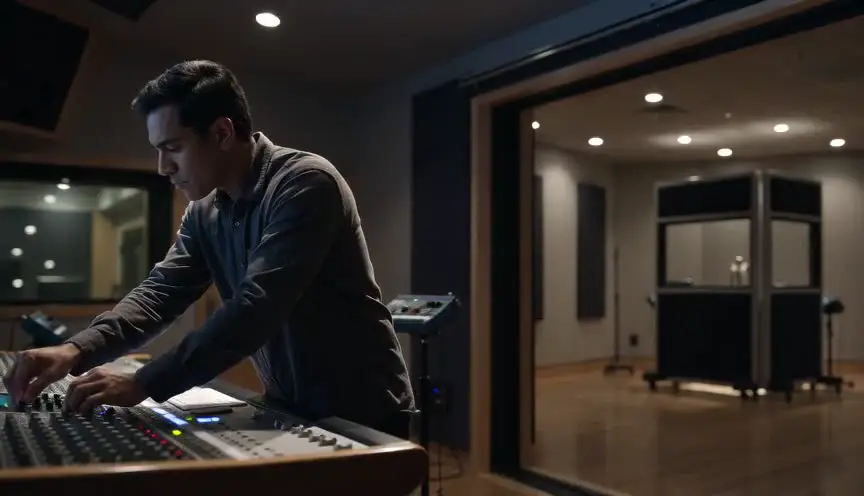
Short siding
Short siding frames a character looking toward the nearest edge of the frame, with the empty space behind their head instead of in front of their face. The audience feels the character's world closing in, and the empty space behind them starts to feel threatening.

Visual weight
Visual weight is the pull each element of a frame has on the eye, through its size, brightness, color, sharpness, position and whether it is a human face. The heaviest element wins attention, and the audience reads power and importance from that balance.

Repetition and pattern
Pattern composition fills the frame with repeating shapes: rows of desks, identical windows, uniforms, tiles, lockers. The eye reads rhythm and order, and anything that breaks the pattern becomes the first thing the audience sees.
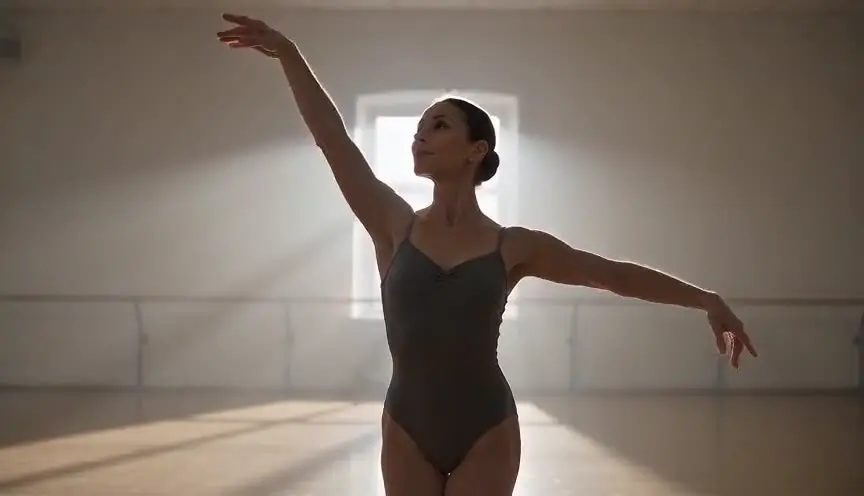
Figure-ground
Figure-ground is the relationship between the subject, the figure, and everything behind it, the ground. When the two contrast clearly in tone, color, focus or texture, the audience finds the subject instantly, even in a crowded or chaotic frame.

Tonal contrast
Tonal contrast is the difference in brightness between parts of the frame, from deep black to bright white. Strong contrast carves shapes out of darkness and feels dramatic, while low contrast feels soft, foggy or melancholic.

One-point perspective
One-point perspective places the camera square to a corridor, road or room so that all its receding lines meet at a single vanishing point, usually in the center of the frame. The image feels deep, orderly and inevitable, and the audience's eye is drawn straight to the far end.
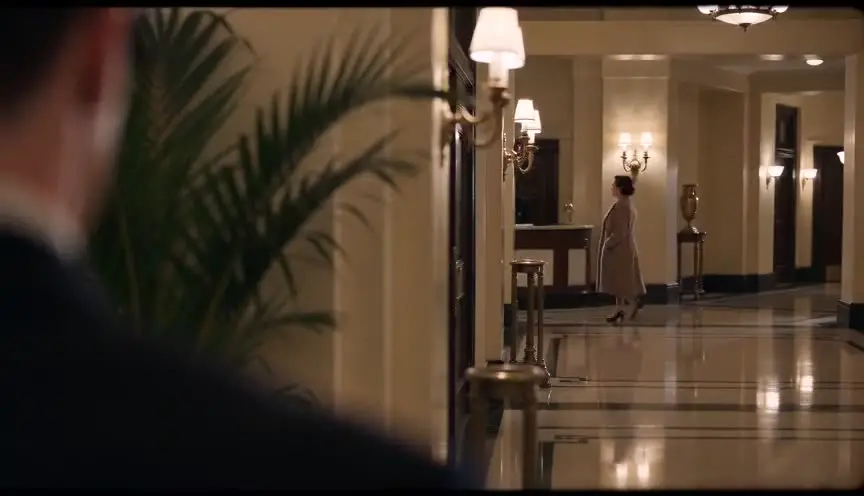
Dirty frame
A dirty frame shoots past an out-of-focus element close to the lens, such as a shoulder, a doorframe, a lamp or a passing body. The audience feels physically present in the scene, as if they were standing among the characters or listening in.
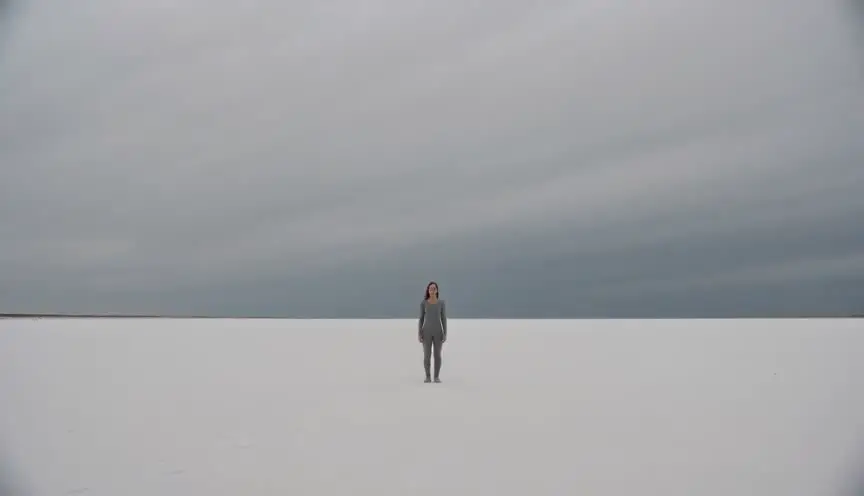
Clean frame
A clean frame shows the subject with nothing in the foreground and nothing competing behind them: no shoulders, no clutter, no stray objects. The audience has only one thing to look at, so the character feels isolated, exposed or completely in focus.
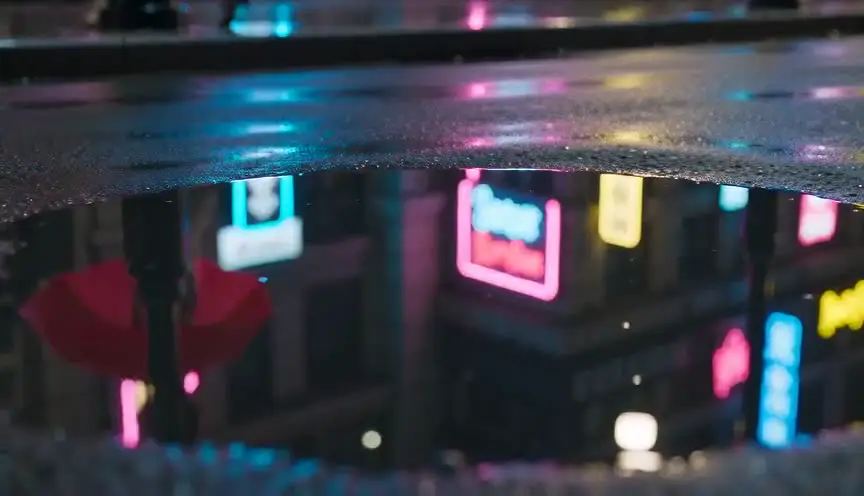
Reflection shot
A reflection shot frames a character, or part of the scene, through a mirror, a window, a puddle or any reflective surface. The image splits a person in two, and the audience reads the double as a question about who they really are.
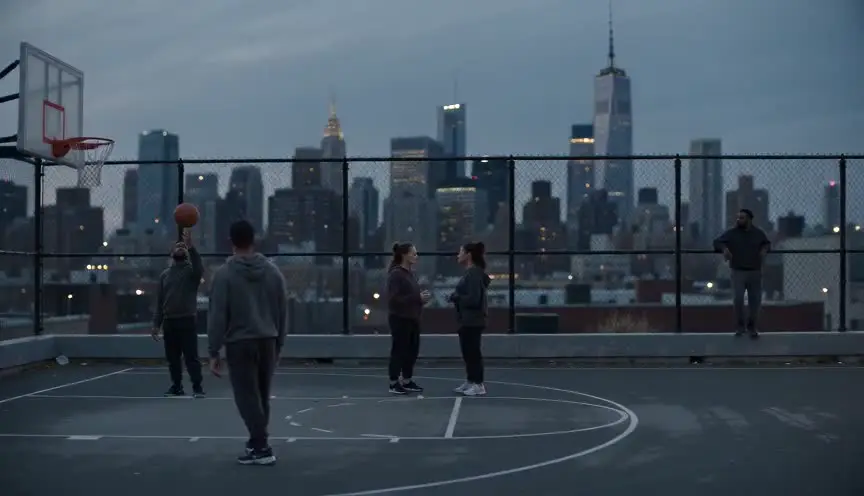
Tableau shot
A tableau shot is a static, usually frontal wide shot where the whole scene is staged inside one carefully composed frame, like a painting or a theater stage. The audience watches everything at once, and the characters seem arranged by fate or by the world they live in.
Voyeur shot
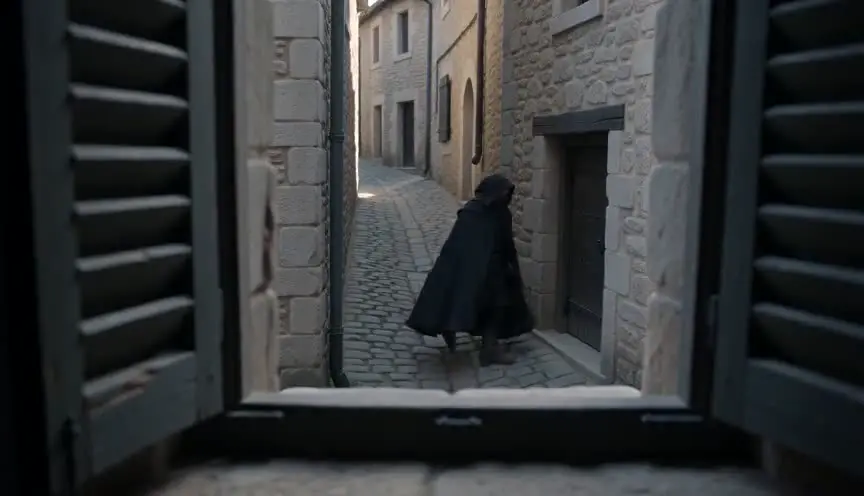
A voyeur shot frames a character from a hidden position: through blinds, between branches, from across a courtyard, through a keyhole. The audience becomes the one who spies, and the pleasure of seeing mixes with guilt and fear.