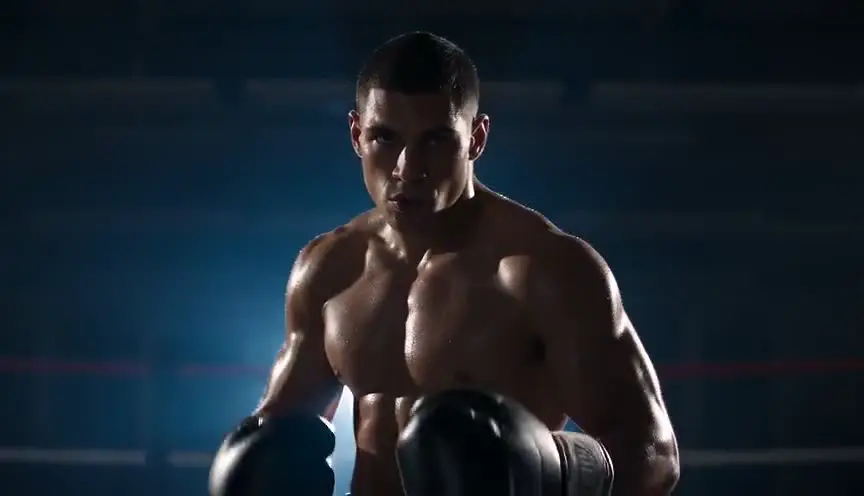
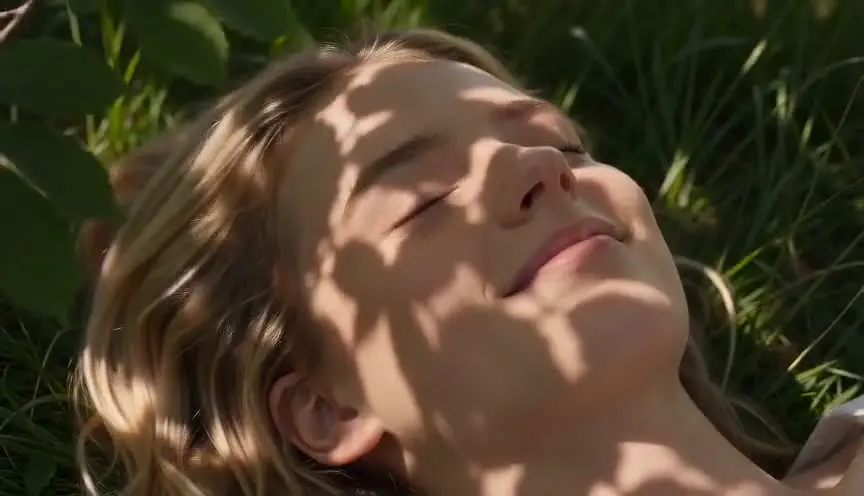
Hard lightSharp shadows, hard truths
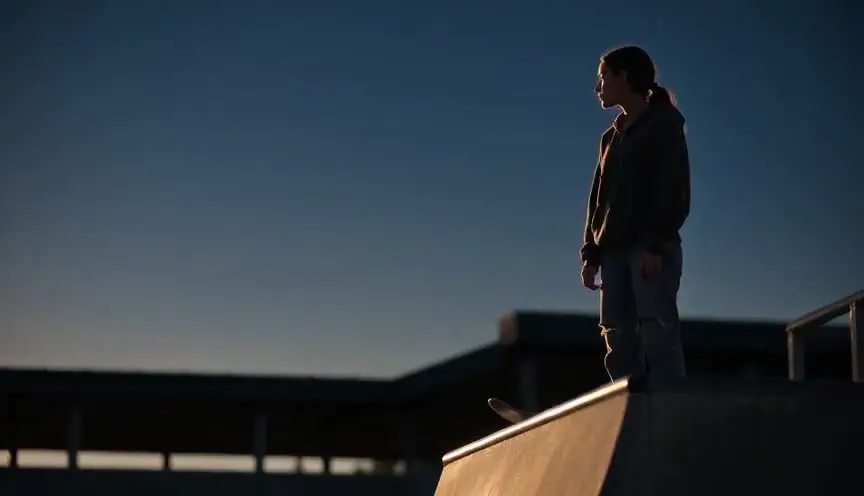
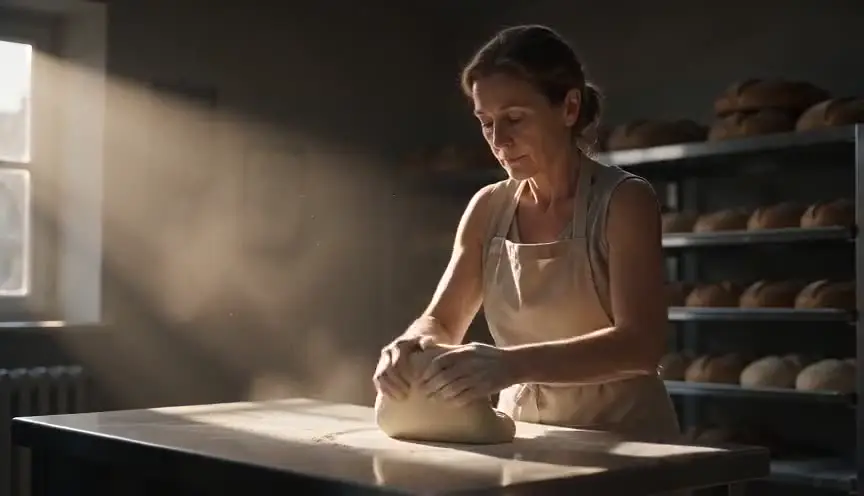
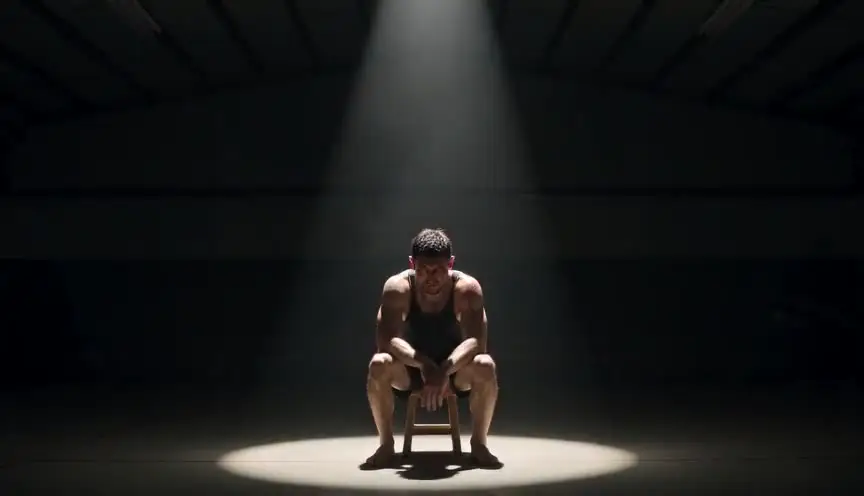
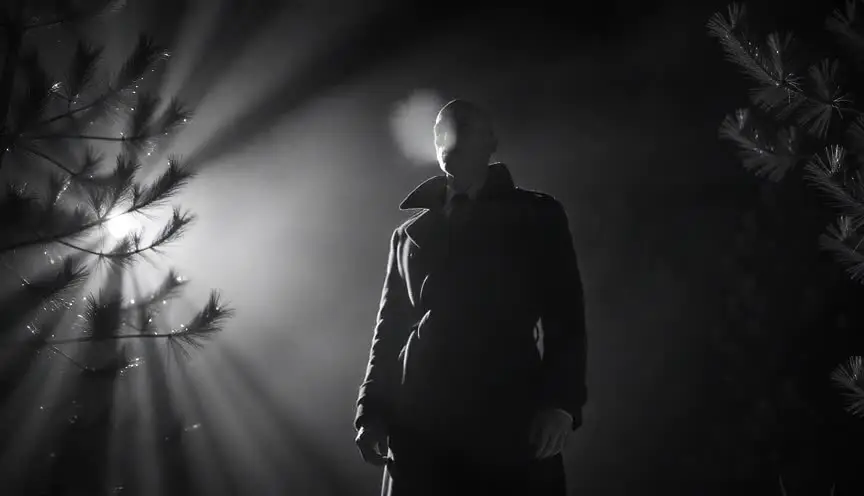
Hard light comes from a small or distant source with nothing to soften it, so it throws crisp shadows with a sharp edge. Faces look textured and severe, and the audience feels heat, pressure or danger.
Also calledHarsh lightDirect lightSpecular light
Lighting
Why it works on screen
Hard light makes the world unforgiving. Every wrinkle, scar and bead of sweat shows. Every object throws a clean shadow. It serves westerns and deserts, noir and crime, interrogations, war, exhaustion and moral crisis. It also has a graphic power: shadows of blinds, bars or leaves can become part of the story. A scene earns it when characters are exposed, stripped of comfort, or caught in a world with no mercy. It is the light of noon, of spotlights and of police lamps, and it can make even a quiet moment feel tense.
The shot list line
- Size
- Medium close-up
- Angle
- Slightly low
- Movement
- Static
- Lens
- 35mm
- Duration
- 4 to 6 s
Use the bare sun or an undiffused small source; let shadows fall crisp, add no fill unless the eyes vanish completely, and protect highlights on skin and white ground.
Screenplay
On the page
Do not write "hard light" in a spec script. Put the source in the world instead: the noon sun over a salt flat, a bare bulb, a floodlight in a prison yard, headlights on a dirt road. Describe what the light does to the character, the squint, the sweat, the shadow on the wall behind them. That gives the director the texture. Whether to use a fresnel, the bare sun or an open LED is a decision for the shot list.
EXT. SALT FLAT - BOLIVIA - NOON
White ground to every horizon. The sun straight overhead, the truck's shadow a black pool under it.
DON EFRAÍN MAMANI (60s) kneels by a flat tire, sweat running into his eyes.
His nephew JHONNY (15) stands over him holding the jack, casting the only shade.
Efraín squints up at him.
DON EFRAÍN
Move. You're in my light, and you're no use in it.
Storyboard
In the storyboard
Draw shadows with hard, clean edges: under the brow, under the nose, on the ground behind the character. Fill them with solid tone, no gradients. Mark the source as a small circle, sun or bulb, with a single straight arrow. If a shadow pattern matters (blinds, bars, branches), draw it across the face or wall. Write "hard light, no diffusion" and the time of day or the fixture in the margin.
Pairs well with
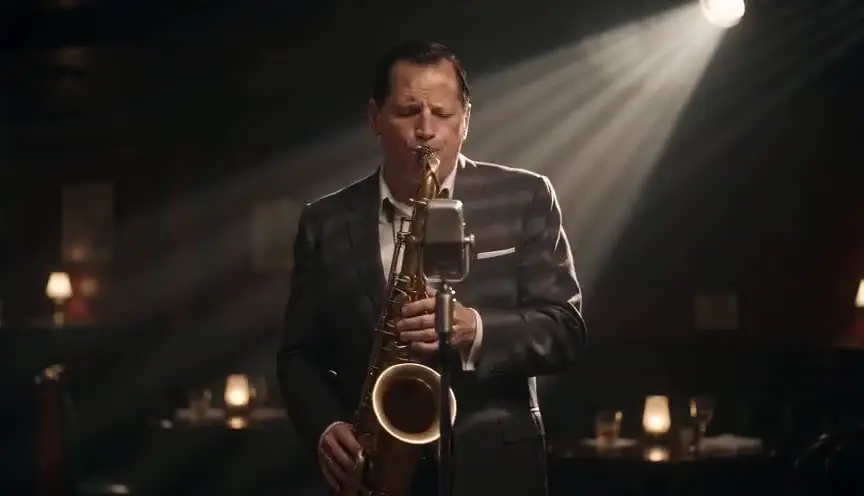
Hard light is what makes a gobo pattern sharp. Pair them when you want shadow shapes such as blinds or bars to fall crisply across a face and tell part of the story.
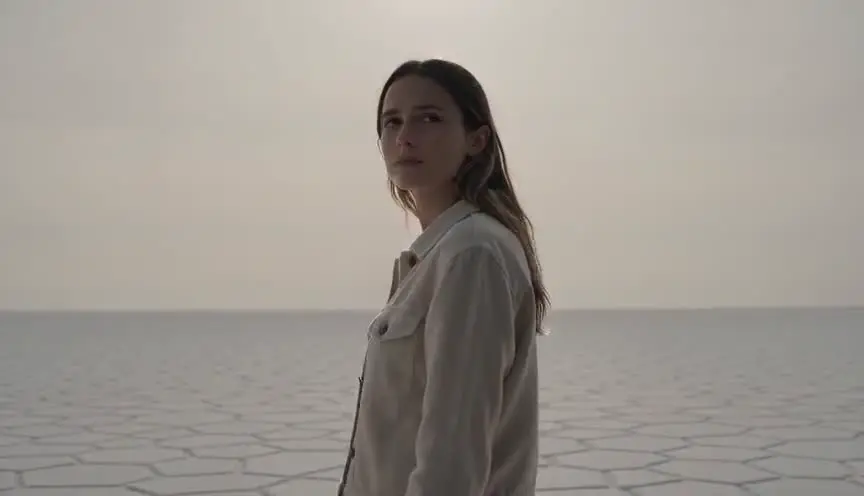
Cut from a hard-lit scene to a soft-lit one to release tension. The change in shadow edges tells the audience the danger is past, or that a gentler character has entered the story.
Reference
Watch it in
Double Indemnity (1944)
Sunlight through venetian blinds cuts sharp stripes across the walls and faces, one of the images that defined noir.
The Godfather (1972)
Gordon Willis keeps a hard light overhead so Brando's eyes drop into shadow, and the Don becomes impossible to read.
Sin City (2005)
Almost every frame uses harsh light against pure black, echoing the ink contrasts of the comic it adapts.
ScreenWeaver
Set it up in ScreenWeaver
Write the harsh source into the scene, the noon sun, a bulb, a floodlight, and ScreenWeaver breaks it down into shots automatically. Open each shot, set framing, angle, movement and duration, and note "hard light" with the source on it. Characters and the location carry from shot to shot, so the direction of the shadows stays consistent. The AI previsualization shows how the shadows fall on faces and walls before you commit to the shot list.
Start writing for freeThe prompt behind this clip
This is the exact prompt that rendered the clip at the top of the page. Keep the description of the camera and the light, change the subject and the place.
Hard light: a static wide shot of a 1930s hotel lobby with marble floors and tall arched windows, one narrow shaft of direct sunlight cutting through a half-closed blind and striking the floor and a passing man's tailored suit. The rest of the room stays in deep shadow with no fill light, so the edge between lit and unlit areas is sharp and abrupt. As he crosses the shaft, a crisp, hard-edged shadow of the window frame sweeps across his face and the wall behind him. Camera does not move. No text.
Common mistakes
- 01
Double shadows
Two hard sources on one face give two noses and two chin shadows, which looks like a mistake. Keep one hard key and make any other light soft or flagged away.
- 02
Hard light on every face
Not every actor or scene can hold it. On a gentle character or a tender beat, hard light can feel cruel. Choose it for the story, not by default.
- 03
Burning out skin
Direct sun or a bare source creates hot spots on foreheads and noses. Watch the monitor, use a little powder, and expose to keep detail in the highlights.