11 techniques
Atmosphere and weatherThe air of the scene
Weather and atmosphere give a scene texture. Rain makes a farewell heavier, fog hides what is coming, haze lets light draw shapes in the air. They also make images feel real, because air on camera is rarely empty.
These effects are one of the few visual choices that belong fully on the page: EXT. STREET, NIGHT, RAIN is a writer's call. Each page shows the effect, its meaning and what it costs to prepare.
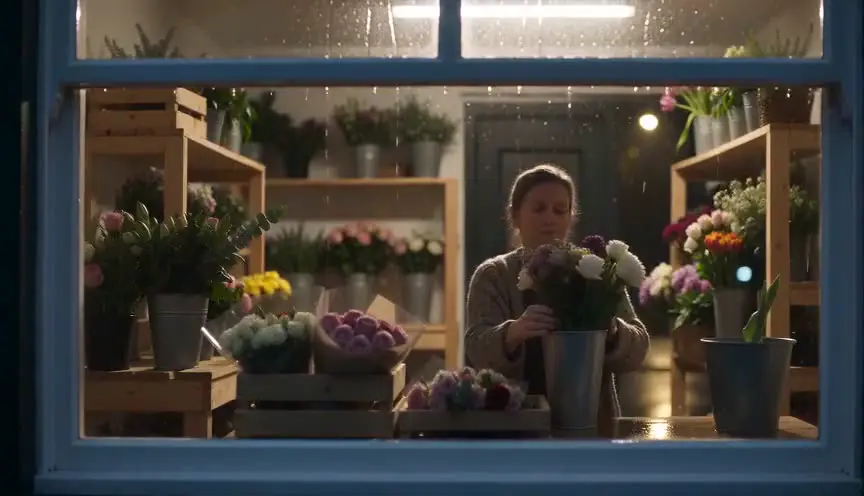
Rain
Rain on screen is usually created with rain towers, sprinklers and backlight, because real drizzle barely shows on camera. The audience feels the weather as mood: gloom, cleansing, danger or romance soaking through the scene.
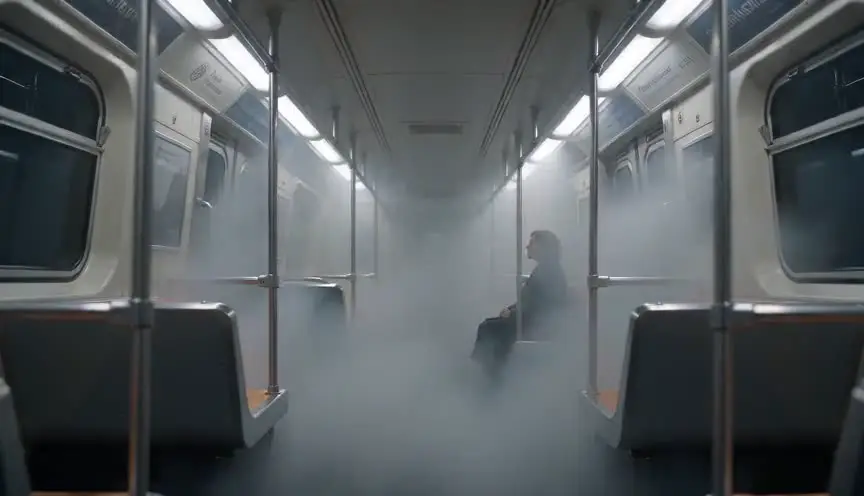
Fog
Fog on screen, real or made with fog machines, hides distance and softens light into glowing halos. The audience cannot see what lies ahead, so every shape in the mist becomes a question or a threat.
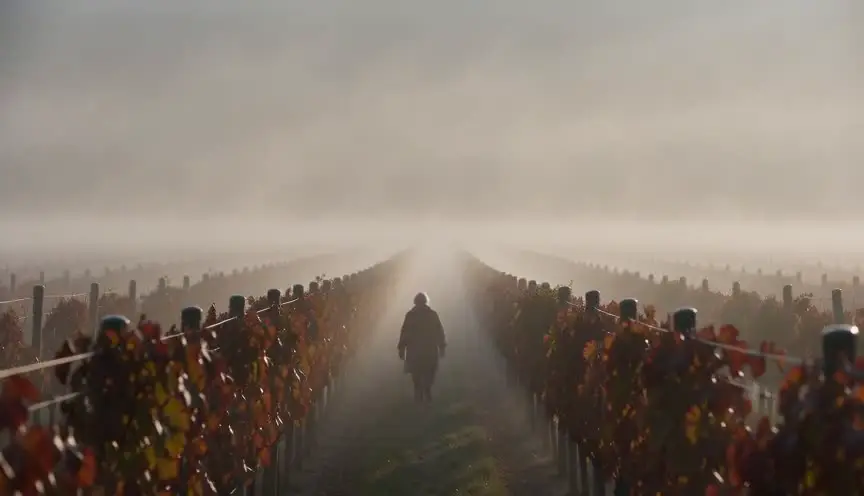
Atmospheric haze
Atmospheric haze fills the air with a light veil of moisture, dust or smoke, so distant objects fade and soften while near ones stay clear. The audience senses depth and scale, and the world takes on a gentle, painterly distance.
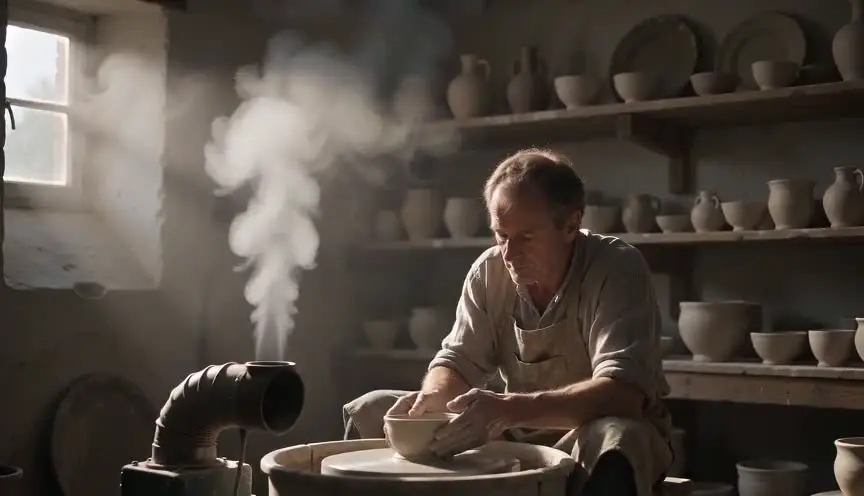
Smoke
Smoke fills the air of a scene with a visible, moving layer that catches light and softens what lies behind it. The audience reads the room as heavy, secret or dangerous before anyone says a word.
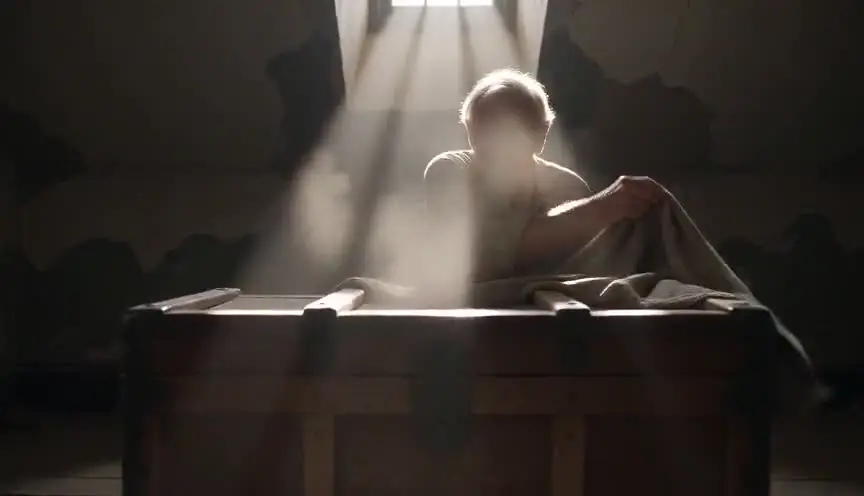
Dust motes
Dust motes are tiny particles floating in a shaft of light, glowing against a darker room. They tell the audience that time has settled on this place, and they make stillness feel alive.
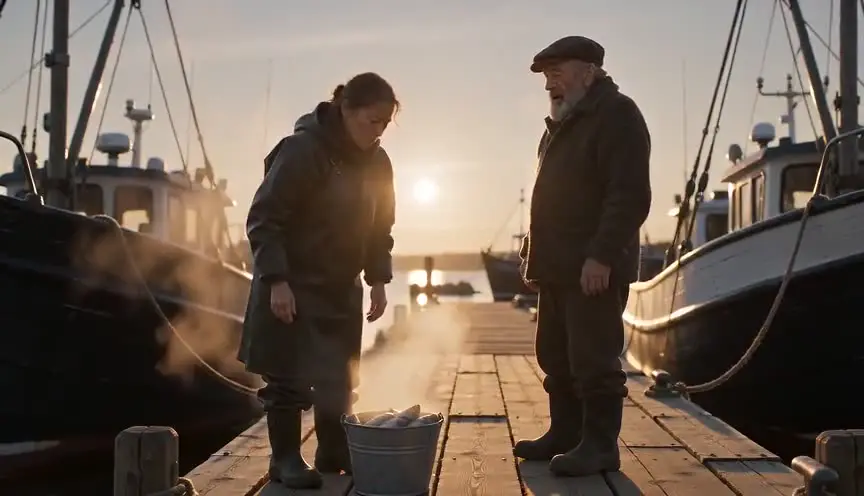
Steam
Steam is rising water vapor, from a vent, a pot, a body or a breath, caught in light so it glows and drifts. It tells the audience about temperature and life: something here is hot, cold, working or breathing.

Snow
Snow covers a scene in white and fills the air with slow, falling flakes. It quiets the world, isolates people inside it and makes every mark on the ground, from footprints to blood, impossible to hide.
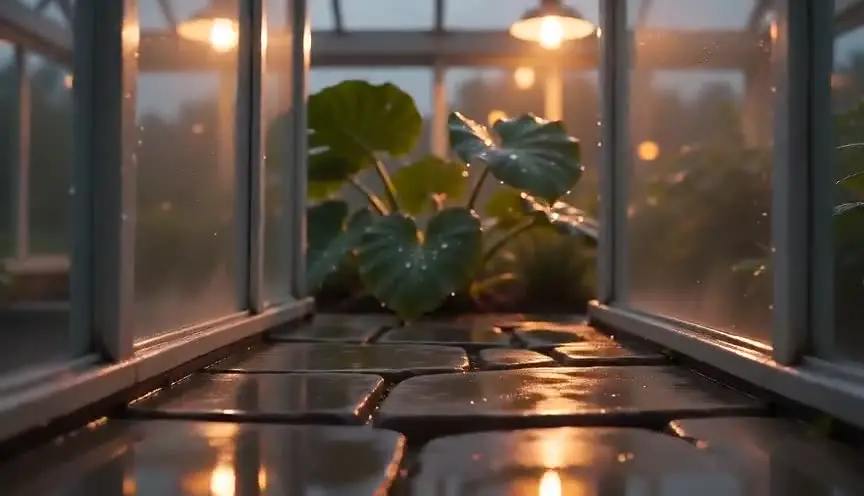
Wet-down
A wet-down is the practice of hosing streets, floors or sets with water before a take, so surfaces shine and reflect every light source. Night scenes gain depth and color, and the city looks as if it just rained.
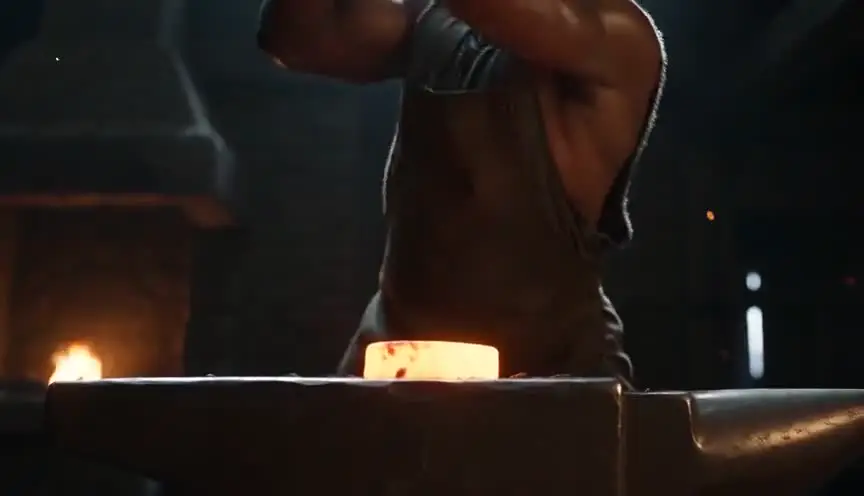
Sparks and embers
Sparks and embers are glowing particles thrown by metal, fire or friction, streaking or drifting through a darker frame. They make heat visible and put the audience close to danger, labor or ruin.
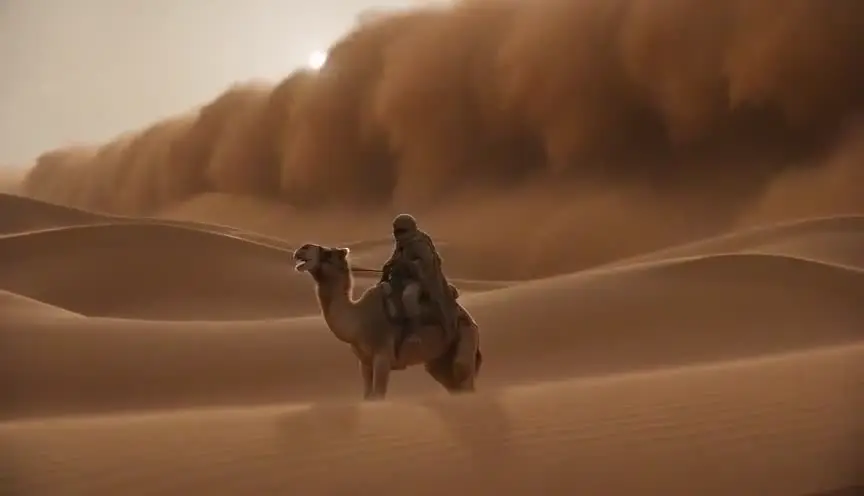
Sandstorm
A sandstorm fills the frame with wind-driven sand or dust, from a distant rolling wall to a blinding haze around the characters. The audience feels the land turn hostile and the world shrink to a few meters of visibility.
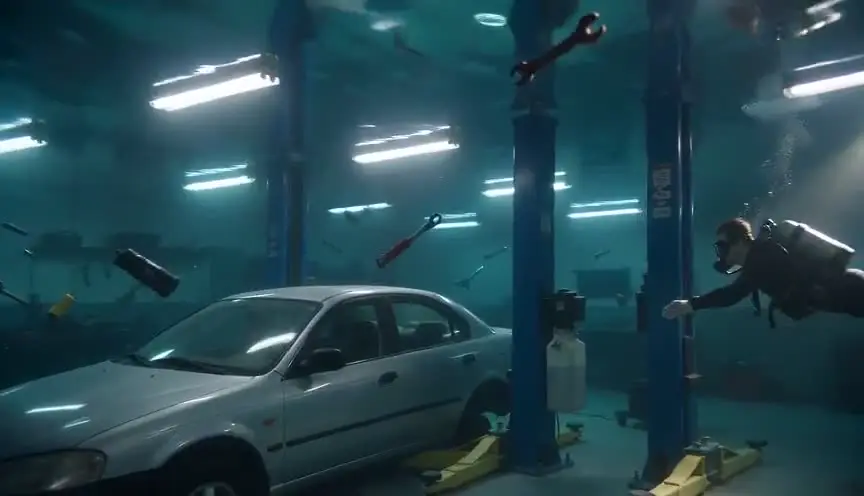
Underwater
An underwater shot places the camera below the surface, where light bends, sound goes muffled and bodies float. The audience leaves the ordinary world and enters one that feels calm, dreamlike or suffocating.