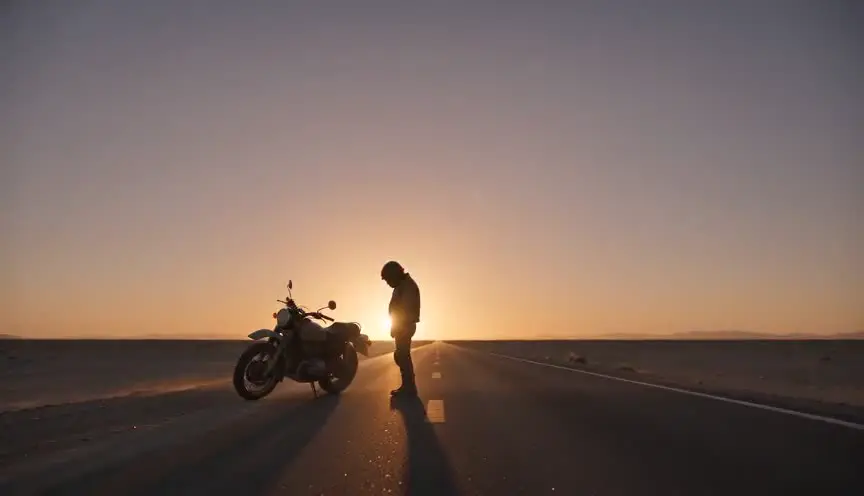
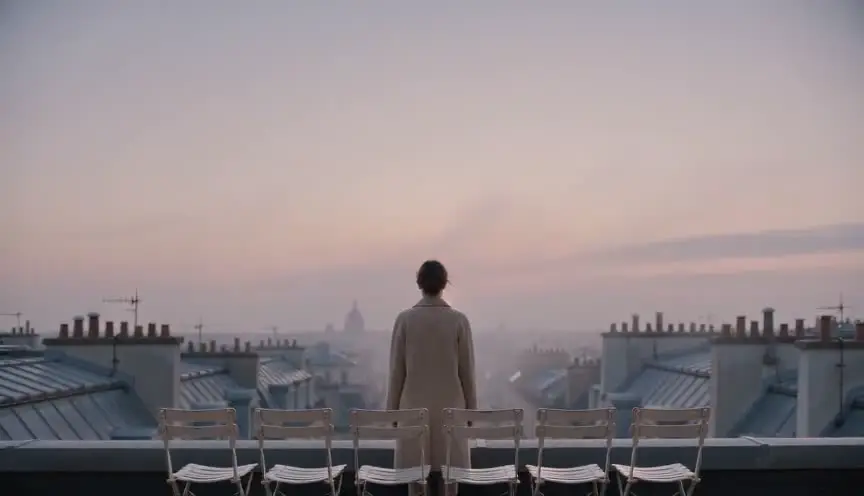
Overexposed lookWhen light swallows the world
An overexposed look lets the brightest parts of the image burn to pure white, so skies, windows and skin glow and lose detail. The audience feels heat, memory, grace or a world beyond the ordinary, as if light itself were taking over.
Also calledBlown out highlightsBleached exposureHot exposure
Color and film look
Why it works on screen
Normally cinematographers protect highlights. Letting them burn is a statement. Overexposure serves memories that are too bright to hold in detail, visions of an afterlife, moments of grace, the blinding heat of a desert, the first seconds after waking up or after a blast. It can be tender or violent. A scene earns it when the character crosses a threshold: into the past, into death, into ecstasy, into shock. Kept to a sequence or a recurring motif, it becomes a visual language the audience learns quickly: when the world goes white, we are somewhere else.
The shot list line
- Size
- Wide shot
- Angle
- Eye level or slightly low into the sun
- Movement
- Slow handheld drift or a Steadicam follow
- Lens
- 24mm to 50mm
- Duration
- 3 to 8 s
Decide how many stops over you want and where detail must survive, usually the eyes, then expose for that and let the sky, the sand and the windows clip to white.
Screenplay
On the page
Exposure is a camera decision and does not belong in a spec script. What the writer can give is the light and the threshold: the sun filling the frame, a memory that feels too bright, a character stepping out of darkness into white. If the white is a story device, such as the line between life and death, describe what the character sees and feels at that moment. How many stops over, and whether it is done on set or in the grade, goes in the shot list.
EXT. BEACH - BAHIA - MIDDAY (MEMORY)
The sun is everywhere. The sand is white, the sea is white, the sky has no edge.
YOUNG DONA ZULMIRA (20s, yellow dress) runs toward the water, holding her sandals.
A man's hand reaches into the frame. She takes it without looking.
The light swells until only her laugh is left.
INT. NURSING HOME - DAY
DONA ZULMIRA (80s) opens her eyes. The nurse is closing the blinds.
Storyboard
In the storyboard
Leave most of the panel as blank white paper and draw only the few elements that keep detail, such as a face, a hand or a silhouette, with thin, light lines. Add a soft glow around the edges of the subject. Mark the sun or the main source with an arrow. Under the panel, note the look, the target overexposure in stops and the story reason, for example memory or afterlife.
Pairs well with
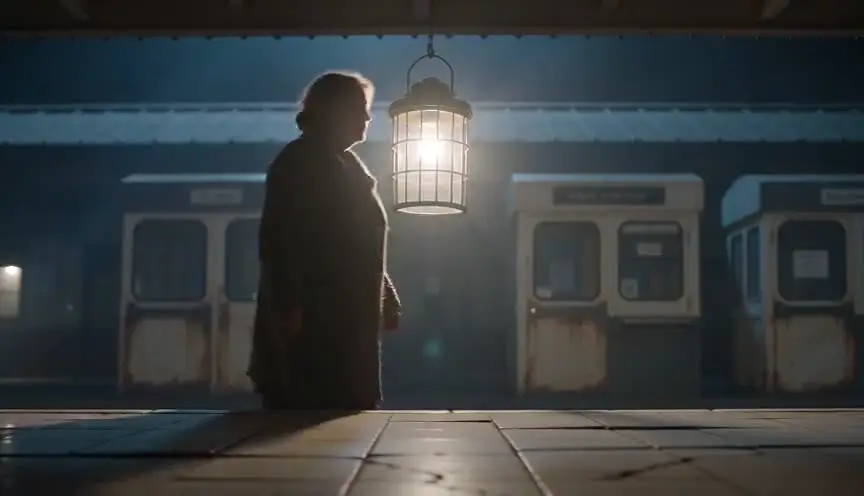
The soft red glow around bright edges makes overexposure feel organic, like old film burned by light. It turns clipped highlights from a technical fault into a warm, living texture.
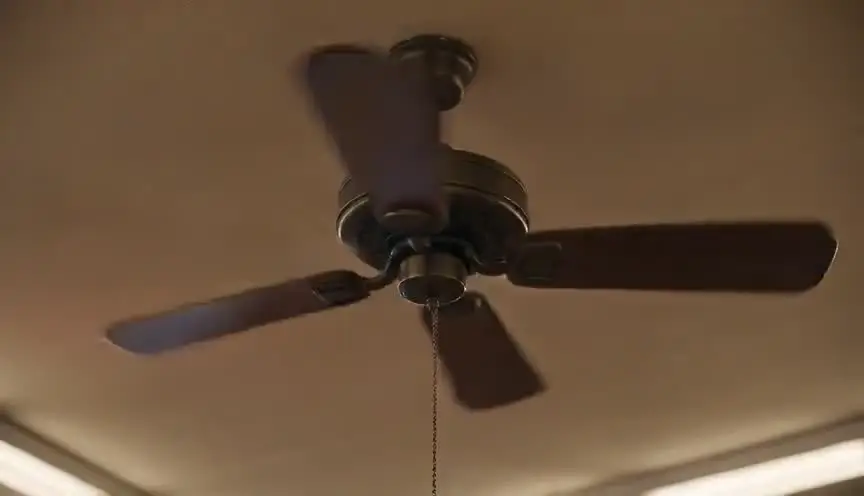
A match cut from a burned-out memory to the same gesture in the present, at normal exposure, snaps the audience back to reality and shows the distance between the two moments.
Reference
Watch it in
Gladiator (2000)
The wheat fields and the afterlife are filmed and graded with highlights blown to white, giving the hero's visions of home a heavenly, dreamlike glow.
The Tree of Life (2011)
Sun through leaves and windows is allowed to burn out again and again, suggesting grace, memory and something beyond everyday vision.
ScreenWeaver
Set it up in ScreenWeaver
Mark the memory or the threshold clearly in your screenplay, and ScreenWeaver breaks it down into shots automatically. Open each shot of the bright sequence, set the framing, angle, movement and duration, and add an overexposed note with what must keep detail. Characters and locations carry from shot to shot, so the remembered place still matches the real one, and the AI previsualization lets you compare the white sequence with the scenes around it.
Start writing for freeThe prompt behind this clip
This is the exact prompt that rendered the clip at the top of the page. Keep the description of the camera and the light, change the subject and the place.
Overexposed look: a static locked-off shot in a car repair garage where a mechanic wipes grease from his hands beside a lifted sedan. Bright midday sun floods through the open bay door, blowing the doorway and the sunlit floor into pure clipped white while the shaded interior tools and workbench stay visible in normal exposure. Highlights bloom softly around the doorway edges, chrome tools flare with a hot white glint, and the mechanic's silhouette sharpens against the blown-out light as he steps toward the door. No text.
Common mistakes
- 01
Burned eyes
If the face clips along with the sky, the audience loses the character. Keep the eyes and key expressions inside the exposure range.
- 02
Looking like an error
One overexposed shot in a normal scene reads as a mistake. Make it a clear sequence or motif with a story reason, so the audience accepts it.
- 03
Clipping in post only
Digital overexposure added in the grade can look flat and harsh. Shoot with real hot light, backlight and flare so the white has texture.