Follow shotStepping into a character's path
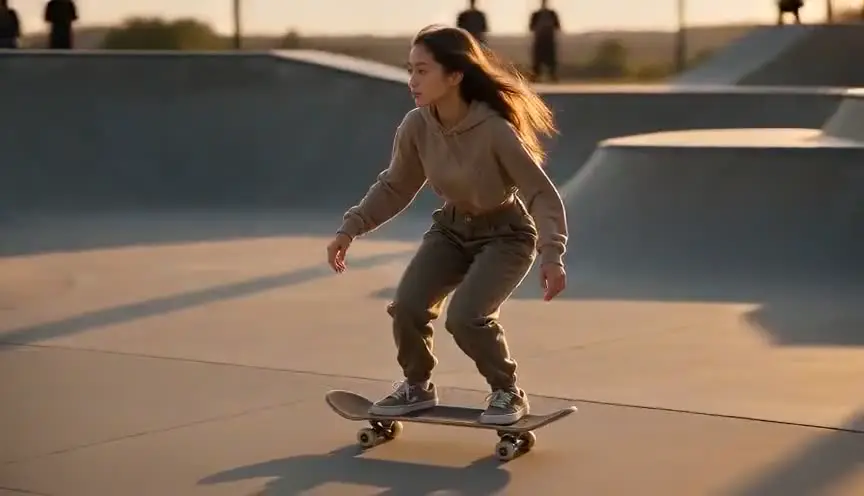
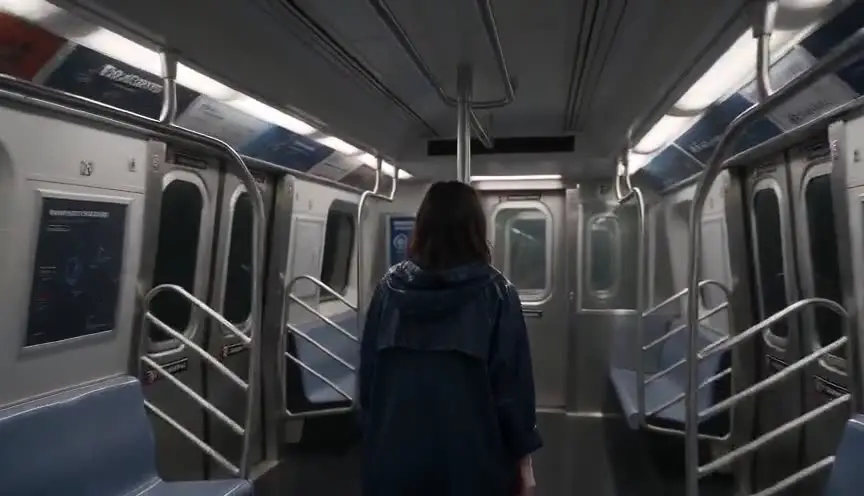
A follow shot keeps the camera behind a character as they move, usually framing their back and shoulders with the space ahead of them. The audience walks in their footsteps and sees what they are about to face at almost the same moment.
Also calledFollowing shotWalk-with shotChase framing
Camera movement
Why it works on screen
The follow shot builds identification and suspense at once. We share the character's direction but not their face, so we feel their momentum while wondering what they feel. It serves entrances into dangerous or unfamiliar places, pursuits, long shifts at work, and journeys through chaos. It also creates tension, because the space ahead is revealed only as the character reaches it. A scene earns it when the audience should experience a place through someone's advance into it, one door and one corridor at a time.
The shot list line
- Size
- Medium shot from behind
- Angle
- Eye level, or over the shoulder
- Movement
- Following behind the subject at a constant distance
- Lens
- 24mm to 35mm
- Duration
- 8 to 40 s
Keep a steady gap behind the actor, and time each background event so it appears as the character reaches it.
Screenplay
On the page
Do not write "we follow her" in a spec script. Write the character moving forward and describe the space in the order they discover it: through a door, down a corridor, into a room. Short, forward-driving action lines imply the shot. Use it where the audience's discovery should match the character's. For your own film, list in the shot list the distance behind the subject, the height of the camera and the path.
INT. CITY HOSPITAL, EMERGENCY WARD, DARWIN - NIGHT
Nurse KIRRA WALLACE (35, scrubs, three pens in her hair) pushes through the double doors at a fast walk.
A drunk man singing. A mother with a feverish toddler. A cockatoo in a cardboard box, very angry.
She grabs a chart without breaking stride.
At the end of the corridor, a curtain is half drawn. Behind it, someone is not moving.
Kirra starts to run.
Storyboard
In the storyboard
Draw the panel from behind the character, their back and shoulders in the lower third and the space ahead visible. Add a top-down strip with the character's path and the camera's path just behind, arrows pointing forward. Number the doors, corners or events along the way. Note the distance behind the subject, the camera height and the moment the key element comes into view.
Pairs well with
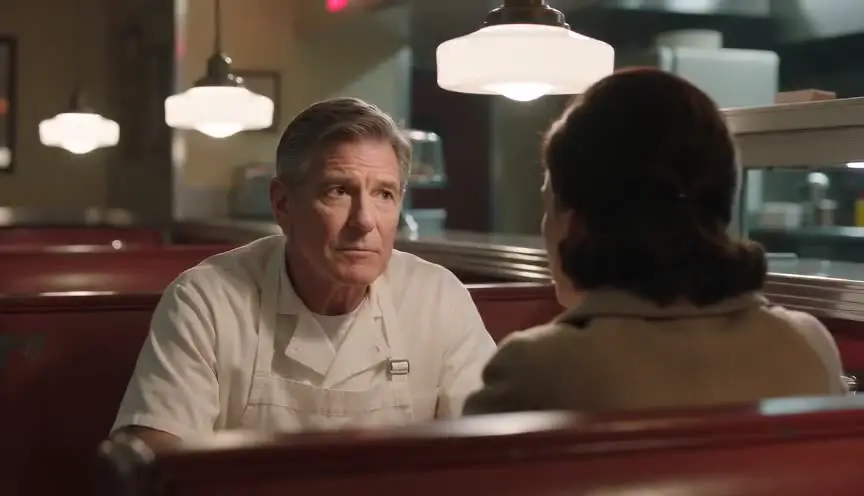
After following behind the character, cut to a reverse angle on their face. The audience finally sees how the character reacts to what they have walked into.
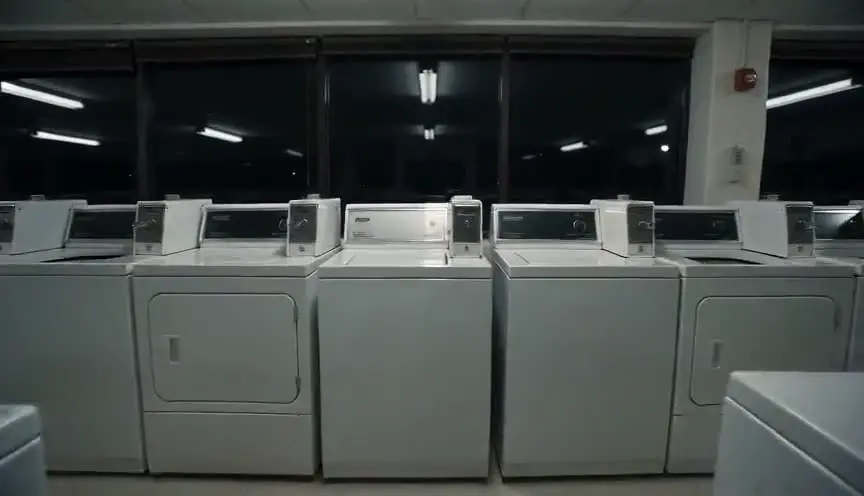
Moving from a follow shot to a point-of-view shot takes the audience from behind the character into their eyes, completing the identification at the moment of discovery.
Reference
Watch it in
Goodfellas (1990)
The camera stays on Henry's heels as he threads through service passages and kitchen staff before stepping out onto the club floor, all in one take.
Children of Men (2006)
The camera sticks to the characters through combat and panic for minutes at a stretch, never pulling away to safety.
Birdman (2014)
The camera trails actors through backstage corridors and dressing rooms, and the hidden joins make the film play as one long walk.
ScreenWeaver
Set it up in ScreenWeaver
Write the character's advance through the space in your screenplay, and ScreenWeaver breaks the scene down into shots automatically. Open the shot, set the framing to a medium from behind, set the angle to eye level, choose a follow shot as the movement and give it a duration that covers the walk. Characters and the location carry from shot to shot, so the corridor and the people in it stay consistent. Check the rhythm of the discoveries in the AI previsualization.
Start writing for freeThe prompt behind this clip
This is the exact prompt that rendered the clip at the top of the page. Keep the description of the camera and the light, change the subject and the place.
Follow shot: the camera moves steadily behind a woman in her thirties as she walks down a narrow aisle in a flower shop, positioned about five feet behind her shoulders at chest height, matching her walking pace exactly so the framing never changes. Shot on a 28mm lens that keeps her figure sharp while buckets of tulips and roses blur past on both sides. The camera holds this fixed distance for the full four seconds with no cuts, ending as she reaches a counter and pauses, her back still filling the same portion of frame. No text.
Common mistakes
- 01
Following too closely
If the character's back fills the frame, the audience cannot see where they are going. Leave enough space ahead so the path and its surprises are readable.
- 02
A shaky walk
A bouncing camera behind a walking actor tires the eye unless it is a deliberate handheld choice. Use a stabilizer or gimbal, and practice the walk.
- 03
Never seeing the face
A long follow shot without a reverse or a turn keeps the audience from reading the character. Plan where they look back or where you will cut to their face.