Sparks and embersHeat and danger in the air
Sparks and embers are glowing particles thrown by metal, fire or friction, streaking or drifting through a darker frame. They make heat visible and put the audience close to danger, labor or ruin.
Also calledFlying sparksFire embersEmber VFX
Atmosphere and weather
Why it works on screen
Sparks are violent and fast: a grinder on steel, a hammer on iron, a sword on a blade, a car scraping a rail. Embers are slow and haunting: they float up from a bonfire or a burned house long after the flames. Sparks serve action, craft, rage and industrial power. Embers serve aftermath, memory, ritual and quiet menace. A scene earns them when fire or metal is doing something to the characters, forging them, threatening them or consuming what they had. A welder at work tells us about skill and grit; ash drifting over a family at dawn tells us what they lost.
The shot list line
- Size
- Medium shot of the worker, plus a close insert of the contact point
- Angle
- Low angle, the spray crossing toward the lens
- Movement
- Static, or slow motion capture at a high frame rate
- Lens
- 50mm to 85mm behind protective glass
- Duration
- 3 to 6 s
Shoot in a dark space so the sparks carry, protect the lens and crew, and have the special effects supervisor approve every position.
Screenplay
On the page
When the sparks come from an action in the story, write the action and let the sparks follow: a grinder bites into a hull, a log collapses and sends embers up. That is description, not camera direction, and readers enjoy it. Avoid specifying slow motion, spark machines or visual effects on the page. Keep it to one strong image per scene, and let the director and the special effects team decide scale and safety in the shot list.
INT. WELDING BAY, SHIPYARD - GDANSK - NIGHT
A hull section fills the hangar, ribs of steel under hard work lights.
AGNIESZKA WROBEL (50s, leather apron, visor up) grinds a seam. Sparks spray in a fan across the concrete.
Her apprentice TOMEK (18) flinches back. A few embers die at his boots.
She cuts the grinder. The last sparks fade into the dark.
AGNIESZKA
If you step back from it, it wins.
Storyboard
In the storyboard
Draw the source (grinder, anvil, fire) and fan the sparks out from it in short bright strokes, thicker near the contact point and scattering at the ends. For embers, draw small dots rising in wavy trails above the fire. Shade the background dark. Add arrows for spark direction and an overhead note of the safety zone. Under the panel, note the frame rate if the shot plays in slow motion.
Pairs well with
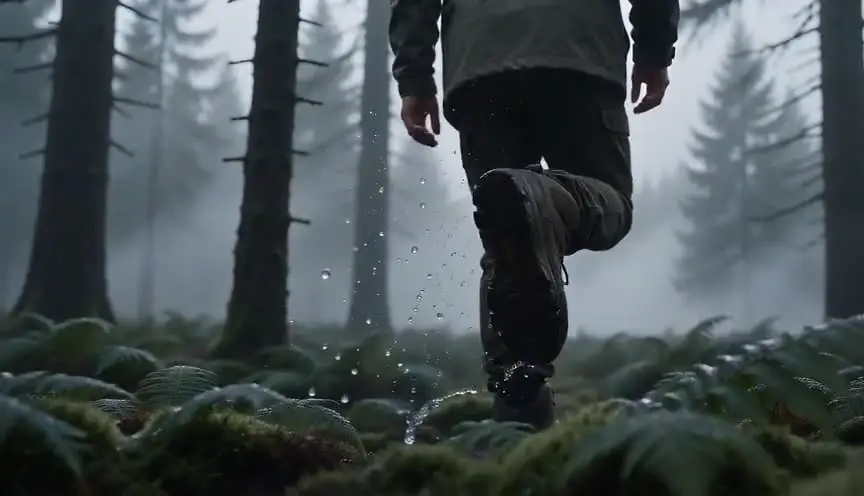
Slow motion stretches each spark into a visible arc and lets embers hang in the air. It turns a split-second burst into a moment the audience can study, suited to a hero beat or a loss.
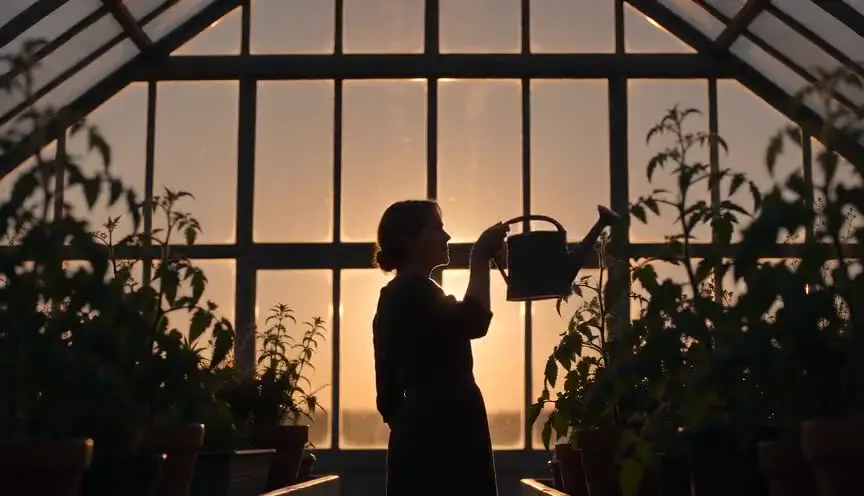
A figure outlined against a shower of sparks or a wall of embers loses detail and gains stature. It suits a reveal, a final stand or a character defined by their work.
Reference
Watch it in
Mad Max: Fury Road (2015)
Sparks from welding and grinding engines break out through the War Rig's mechanical frenzy, keeping the film's hands-on, practical feel.
Terminator 2: Judgment Day (1991)
In the steel mill finale, showers of sparks and molten glow surround the two machines, and each clash of metal raises the threat.
The Lord of the Rings: The Fellowship of the Ring (2001)
When the Balrog rises in Moria, embers and sparks fill the frame, so the stand on the bridge feels scorching, deep and ancient.
ScreenWeaver
Set it up in ScreenWeaver
Write the action that throws the sparks in your screenplay, and ScreenWeaver breaks the scene down into shots automatically. Split the moment into a medium shot and an insert of the contact point, set a low angle, a static movement and a short duration for each. Add a slow motion note where the beat needs it. The character and the location carry from shot to shot, and the AI previsualization lets you test the rhythm of bursts before the special effects team plans the safety setup.
Start writing for freeThe prompt behind this clip
This is the exact prompt that rendered the clip at the top of the page. Keep the description of the camera and the light, change the subject and the place.
Sparks and embers. In a dark blacksmith forge, a smith hammers a glowing orange piece of iron on an anvil; every hit throws showers of bright sparks flying across the frame, and small glowing embers drift slowly upward through the dark air around him. Slow motion, warm firelight, cinematic. No text.
Common mistakes
- 01
Sparks in a bright space
In daylight or a fully lit room, sparks look like dull specks. Darken the background, shoot at night or flag the light so the particles have contrast to glow against.
- 02
Ignoring safety
Sparks burn skin, costumes, sets and lenses. Every spark shot needs a supervisor, fire watch, protective gear and a plan approved before the camera rolls, not improvised on the day.
- 03
Digital embers everywhere
Floating embers added to every dramatic shot become wallpaper. Keep them for scenes where fire is real in the story, so they still carry weight when they appear.