15 techniques
Lenses and opticsThe glass shapes the story
Focal length decides how space feels. Wide lenses stretch distance and pull the audience close to the action, long lenses compress depth and turn the audience into a watcher. The same actor reads differently through each.
Lens choices belong to the director and the cinematographer, but a shot list that names them saves hours on set. These pages show each lens, what it does to faces and places, and how to write it on a shot line.
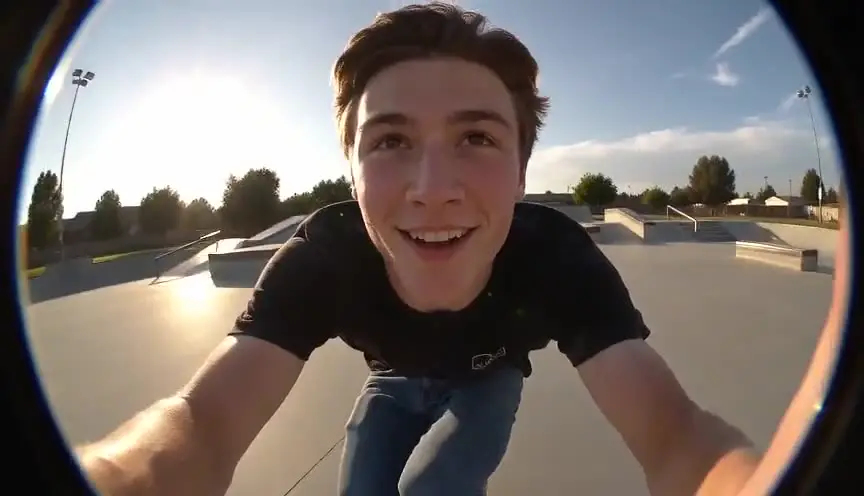
14mm ultra-wide lens
A 14mm ultra-wide lens takes in an enormous field of view, stretching the edges of the frame and exaggerating the distance between near and far objects. Close to a face it distorts, far from it it makes a landscape swallow people, and the audience feels placed right inside the space.
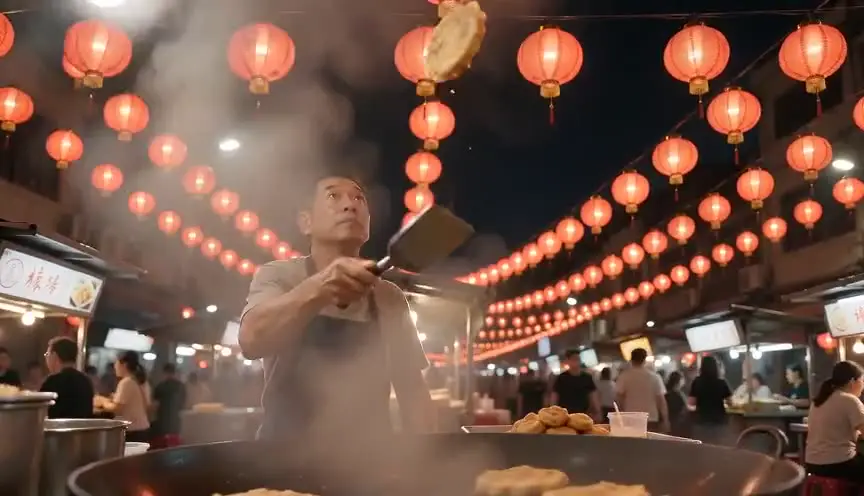
24mm wide lens
A 24mm lens sees wider than the human eye without the heavy distortion of an ultra-wide. It keeps a character and a large part of their surroundings sharp in the same frame, so the audience feels close to the action and aware of the place at once.
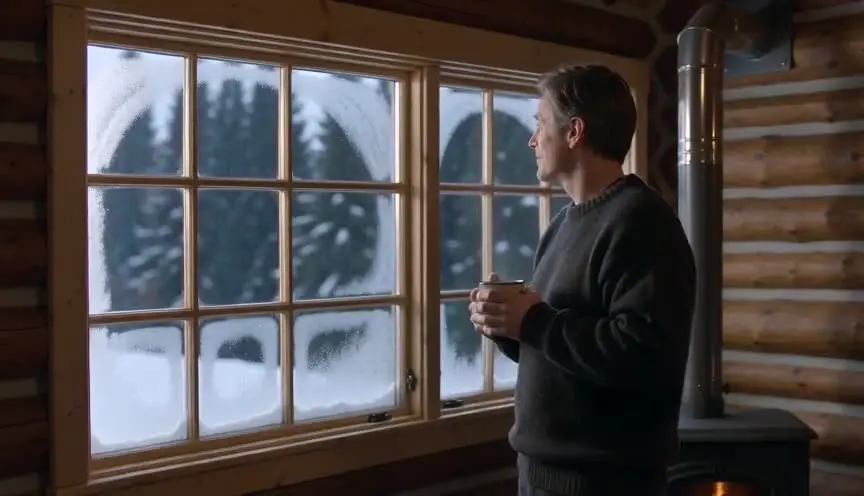
35mm lens
A 35mm lens sits between wide and normal: close enough to a character to feel intimate, wide enough to keep their surroundings in view. It renders faces and spaces naturally, so the audience feels they are standing next to someone in a real place.
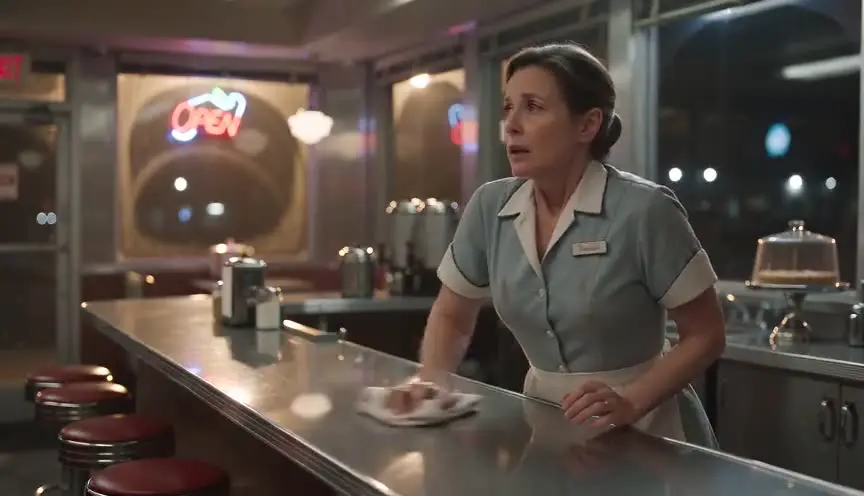
50mm lens
A 50mm lens renders perspective close to how we perceive a scene with our own eyes, without stretching or compressing space. Faces look natural, rooms keep their true proportions, and the audience watches calmly, as a witness rather than a participant.
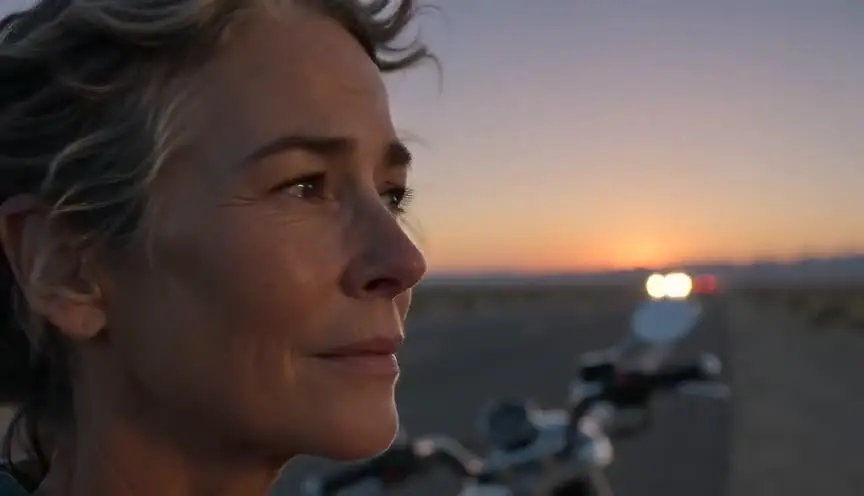
85mm portrait lens
An 85mm portrait lens is a short telephoto that frames a face from a comfortable distance, with flattering proportions and a background that melts into soft blur. The audience stops looking at the room and starts reading a person.
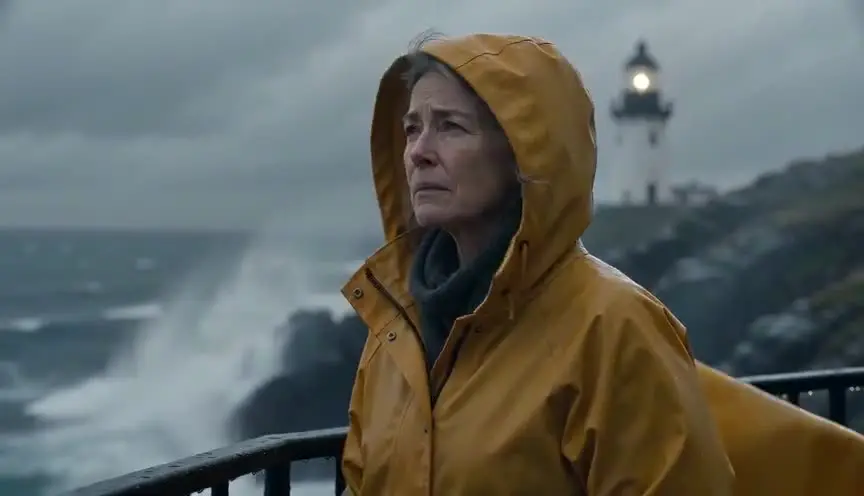
135mm telephoto lens
A 135mm lens frames a person tightly from far away, flattening the space behind them and blurring it into soft planes. The audience feels like an observer at a distance, close to the face but separated from it.
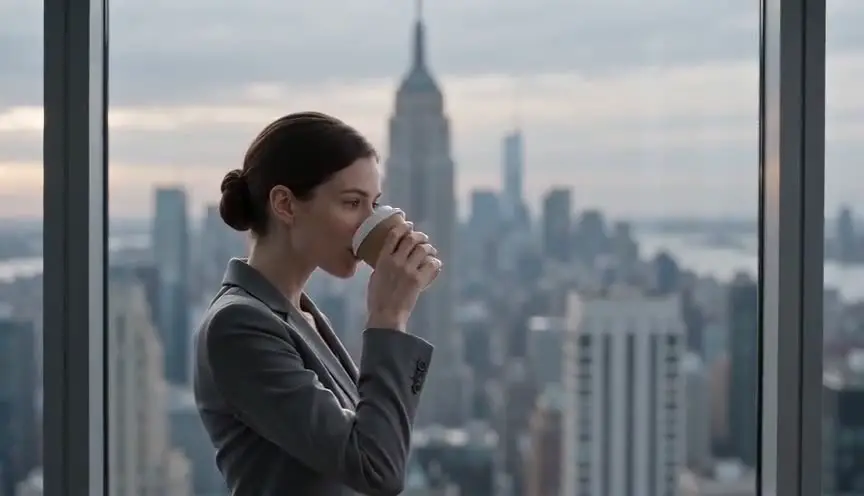
200mm long telephoto
A long telephoto of 200mm or more shoots a subject from a great distance, flattening everything in front of and behind them into one tight plane. Movement toward the camera seems to stall, and the audience watches like a spy or a stranger who cannot intervene.
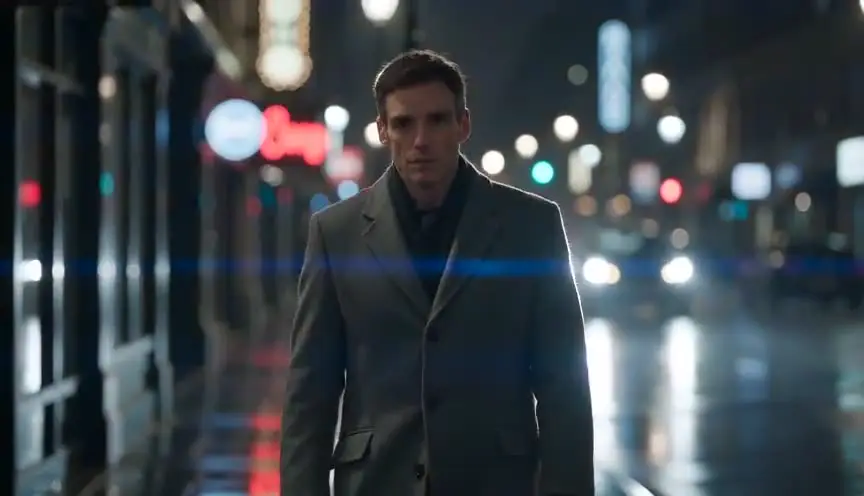
Anamorphic lens
An anamorphic lens squeezes a wide image onto the sensor, which is then unsqueezed into a 2.39:1 frame with oval out-of-focus lights and long horizontal flares. The audience feels they are watching something built for a big screen, with room for landscapes and for several people at once.
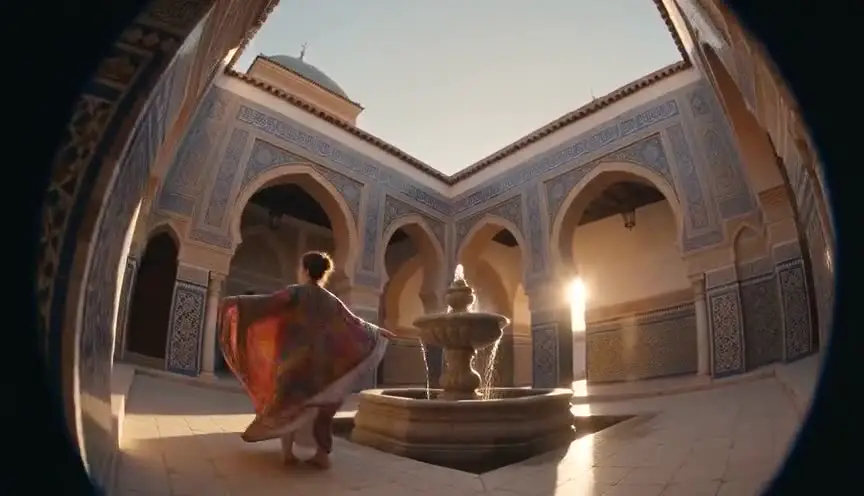
Fisheye lens
A fisheye lens sees an extremely wide angle and bends straight lines into curves, so the frame bulges at the center and bows at the edges. The audience feels that reality has lost its shape, whether through a high, a panic, a prank or a nightmare.

Tilt-shift lens
A tilt-shift lens tilts its plane of focus, so only a thin band of the image stays sharp while the rest falls into heavy blur. Seen from above, real streets and people look like a tabletop miniature, and the audience feels like a giant looking down at a toy world.
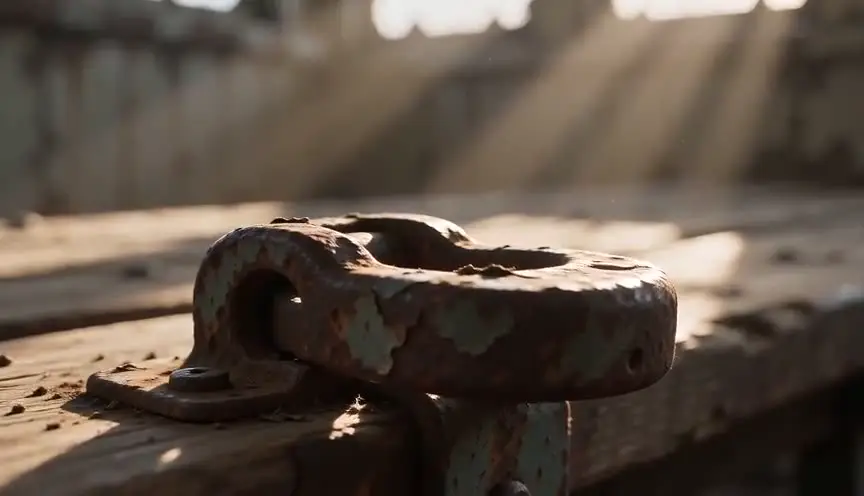
Macro lens
A macro lens focuses very close and magnifies small subjects until they fill the frame at life size or larger, with only a few millimeters in focus. The audience enters a world it normally never notices, where a drop of water or a grain of rust has weight.
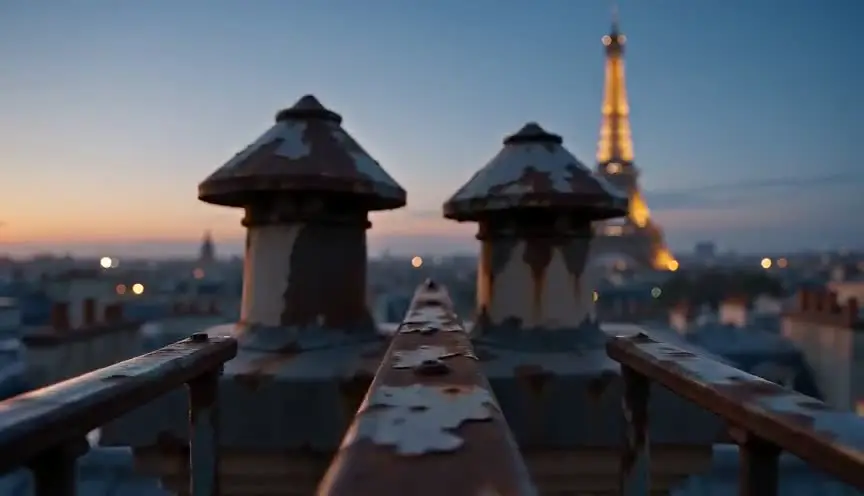
Probe lens
A probe lens is a long, thin tube with a small tip that can slip into tight spaces, focus inches from an object and still keep the distant background sharp. The audience travels at the scale of an insect or a toy, close to every surface yet able to see far.

Split diopter
A split diopter is a half lens placed in front of the camera, so one side of the frame focuses very close and the other side focuses far away. The audience sees a near subject and a distant one both sharp, and feels an unnatural pull between them.
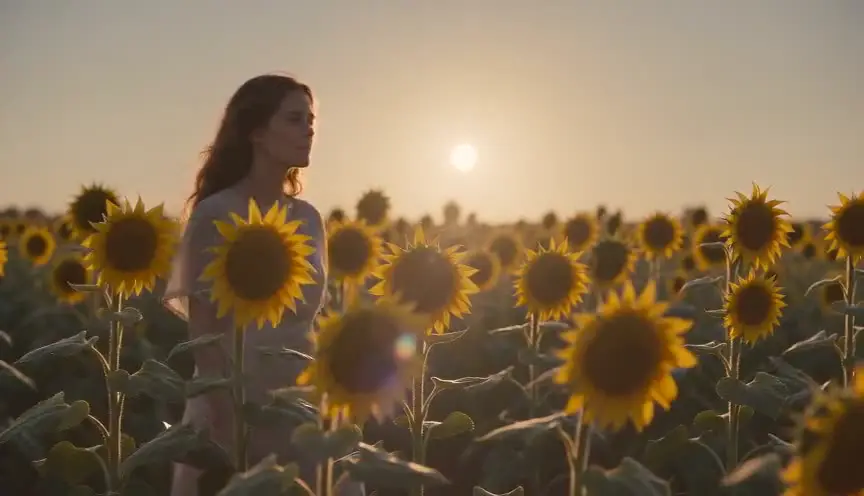
Vintage cine lens
Vintage cine lenses, or modern lenses detuned to imitate them, render softer edges, lower contrast, warm flares and swirling bokeh. The audience reads the image as older, gentler and more human, as if it came from another decade or from someone's memory.

Telephoto compression
Telephoto compression is the flattening of depth you get when you film from far away on a long lens, so objects that are far apart look stacked right on top of each other. The audience feels crowding, pressure and a world closing in, or a distance that effort cannot cross.