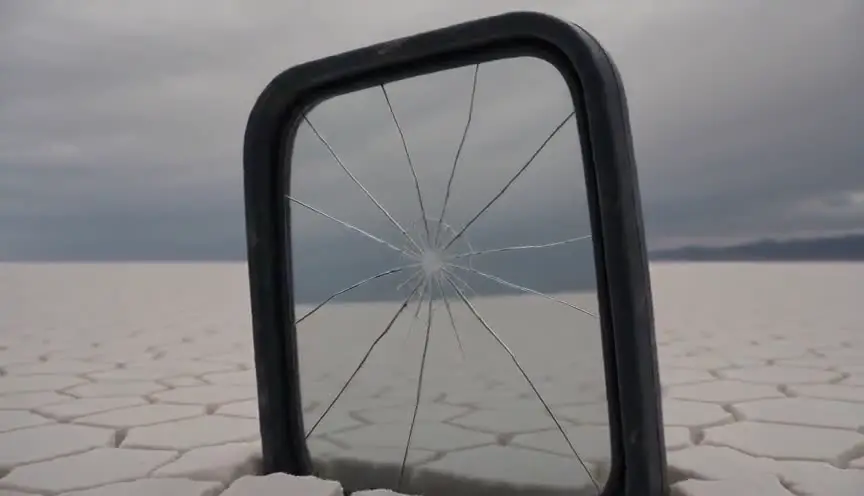
Probe lensTraveling through tiny worlds
A probe lens is a long, thin tube with a small tip that can slip into tight spaces, focus inches from an object and still keep the distant background sharp. The audience travels at the scale of an insect or a toy, close to every surface yet able to see far.
Also calledPeriscope lensSnorkel lensMacro probe lensBug's-eye lens
Lenses and optics
Why it works on screen
The probe turns small spaces into landscapes. A camera gliding over a kitchen counter at crumb height becomes an expedition. A move between chess pieces becomes a battlefield. A pass through a model city becomes a flight over a real one. It serves wonder, childhood perspective, animal points of view, product reveals and effects work on miniatures. A scene earns it when scale is the idea: a character who feels small, a hidden world under the floorboards, a story told from the height of a pet. Because its depth of field is deep, the probe links a close detail to the wider world in one continuous image.
The shot list line
- Size
- Extreme close-up to wide, in one move
- Angle
- Ground level, inches above the surface
- Movement
- Slow slider or motion-control push
- Lens
- Probe lens, around 24mm equivalent, stopped down
- Duration
- 4 to 8 s
Stop down hard for deep focus, light the tiny set generously, and program the move so the tip clears every obstacle by a few millimeters.
Screenplay
On the page
The probe is pure equipment, so never name it in a spec script. The writer's job is to open the small world: describe the view from floor level, the crumbs, the carpet fibers, the mouse behind the skirting board. A point of view from a tiny creature or object is story material and can be written as such. The lens, the rig and the path of the move are decided later, in the shot list and on the storyboard, often with the effects team.
INT. BASEMENT - NIGHT
A model railway fills the room: hills of plaster, a painted river, a town no taller than a shoebox.
WALTER BRANDT (70s, cardigan, reading glasses on a cord) switches on the tiny streetlights one by one.
Down at the level of the tracks, the little station glows. Through its window, far beyond, Walter's face hangs over the town like a moon.
The toy train rounds the bend.
WALTER
Right on time, Liesl. Right on time.
Storyboard
In the storyboard
Draw the frame at the scale of the small world: huge foreground details at the bottom and sides, the far background sharp and readable. Draw a path line on a top view showing where the lens tip travels, including any gap it passes through. Mark the start and end frames, the height of the tip in centimeters and the move speed. Add a note that everything from the near object to the horizon stays in focus.
Pairs well with
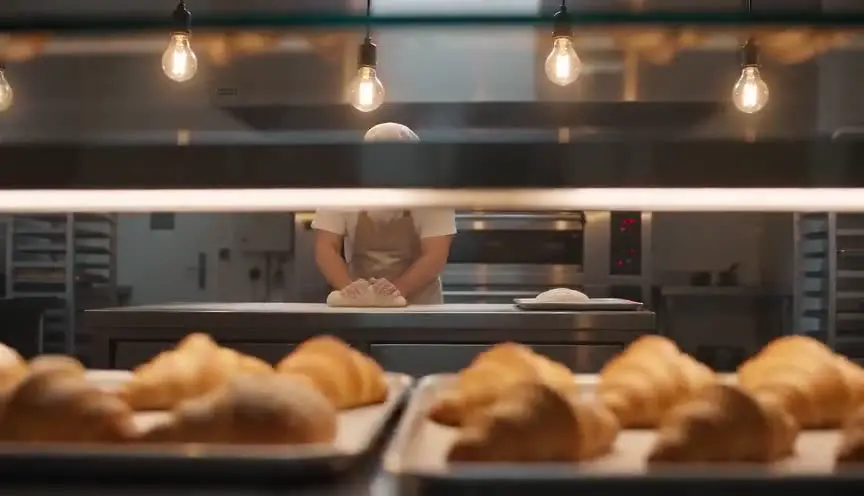
A slow slider move carries the probe along a controlled path. Together they make the smooth, gliding travel through small spaces that sells the idea of a miniature journey.
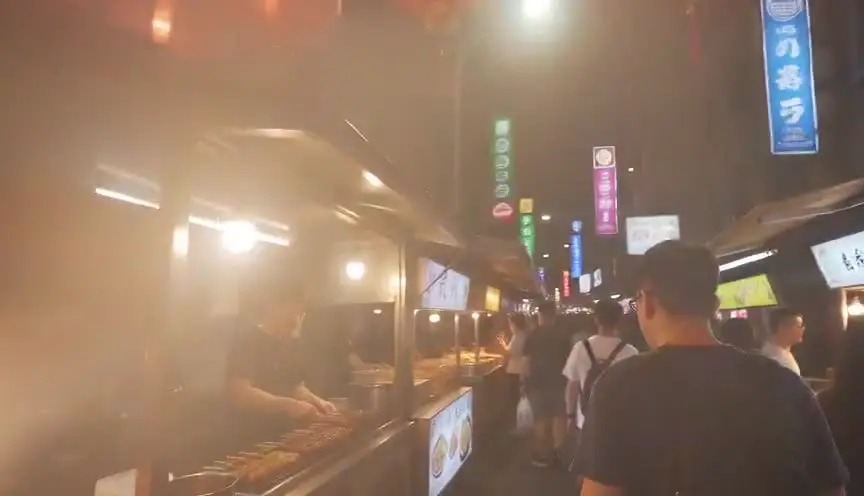
The thin tip can slip through gaps no normal camera fits into, such as railings, chair legs or model buildings, which makes a probe the natural tool for a pass-through move at small scale.
Reference
Watch it in
Star Wars (1977)
For the Death Star trench, ILM ran periscope lenses on the Dykstraflex motion-control rig, skimming inches above the miniature's surface detail.
Blade Runner (1982)
Douglas Trumbull's effects team flew snorkel and periscope lenses on motion control over a miniature Los Angeles, creating low, dense passes through the city.
Babe (1995)
Andrew Lesnie used Jim Frazier's deep-focus snorkel lens to film at animal height, keeping the piglet's nearby world and the whole farmyard sharp together.
ScreenWeaver
Set it up in ScreenWeaver
Describe the small world in your action lines, and ScreenWeaver breaks the scene down into shots automatically. Open the shot that travels at small scale, set the framing, choose a ground-level angle, set the movement to a slow push or slide, and give it a duration. Note the probe lens on the shot. Locations and props carry from shot to shot, so the miniature stays coherent, and the AI previsualization lets you check the path before planning the rig.
Start writing for freeThe prompt behind this clip
This is the exact prompt that rendered the clip at the top of the page. Keep the description of the camera and the light, change the subject and the place.
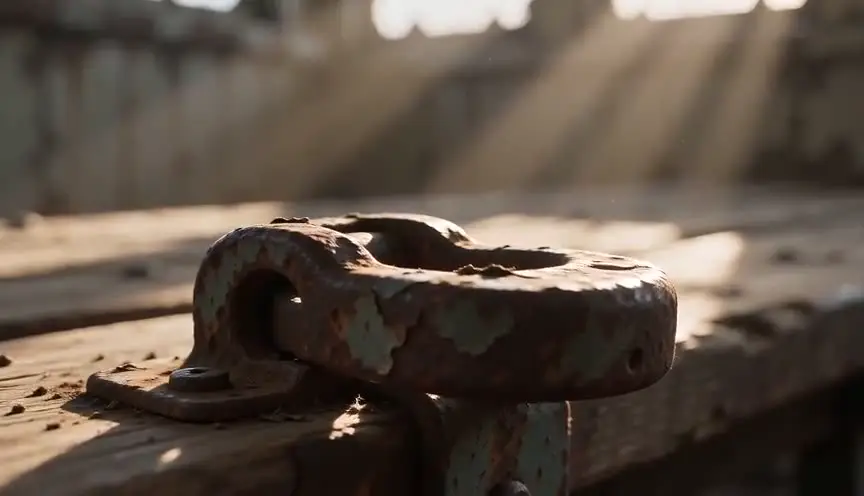
Probe lens shot on a Parisian rooftop at dusk. The tiny lens tip glides forward at a slow, steady pace along a narrow rusted iron railing, so close to the metal that individual rust flecks and paint chips fill the frame in sharp focus, while a distant view of the Eiffel Tower and surrounding rooftops stays equally crisp beyond the railing. The camera continues its push through a narrow gap between two chimney pots, keeping both the foreground texture and the far cityscape in deep focus throughout, with no blur and no cut. No text.
Common mistakes
- 01
Underlighting the set
Probe lenses are slow and need small apertures for their deep focus. Without a lot of light on the set, you end up with noise or a soft image.
- 02
Details not built for the lens
At this distance the lens sees every glue mark and paint drip. Dress and finish the miniature or tabletop for the exact path of the move.
- 03
Moves that are too fast
Scale changes speed. A pace that feels calm on a normal set looks like a crash at probe height. Slow down and test the speed on a monitor.