Kicker lightCarve the edge of a face
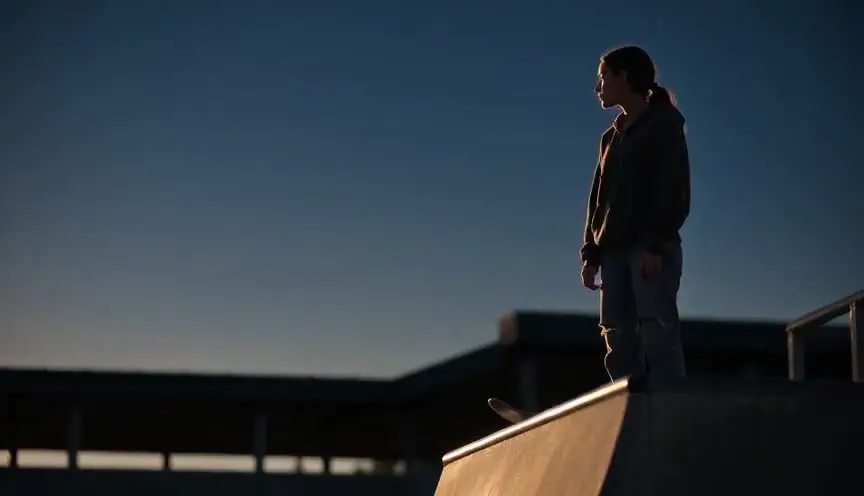
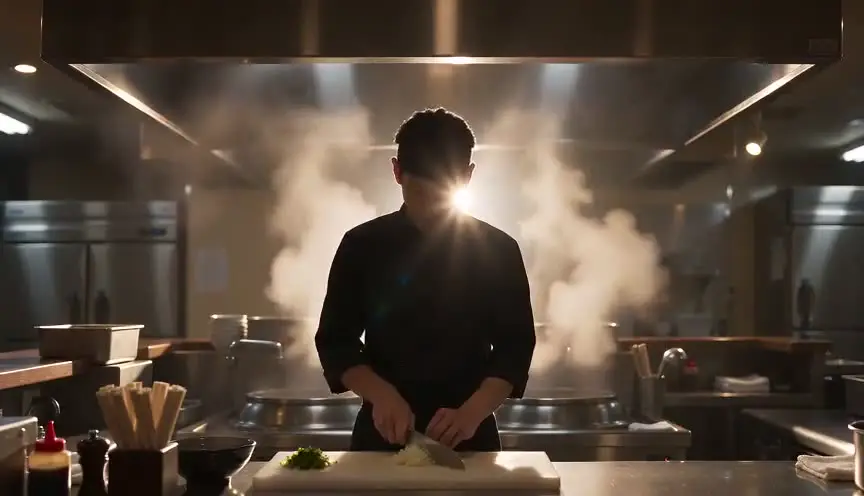
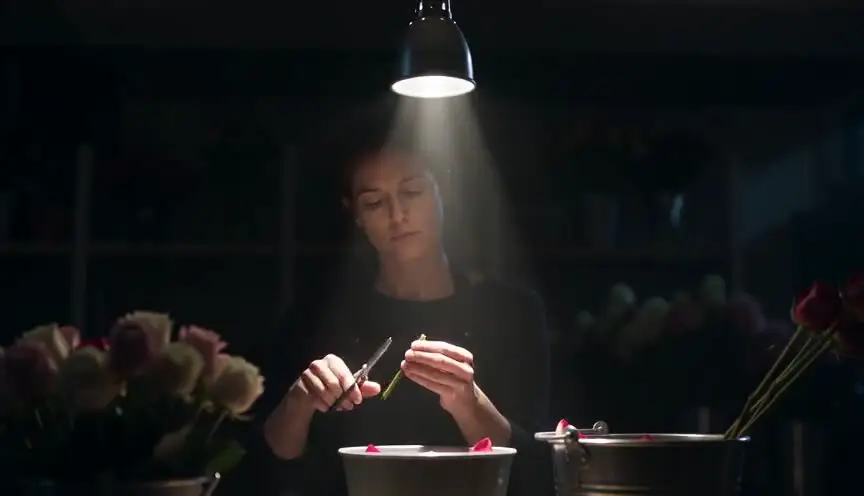
A kicker light comes from behind and to one side of a subject, often low, and grazes the edge of the cheek, jaw or body. It carves the shape out of the shadows, and the audience feels texture, tension and physical presence.
Also calledKick lightEdge kickerSeparation light
Lighting
Why it works on screen
Where a rim draws an even outline, a kicker hits one side with a glancing edge, catching sweat, stubble, bruises and the line of muscles. It serves physical scenes: fighting, dancing, training, labor, bodies under strain. It also adds danger to a face in the dark, as a sharp edge on a cheek keeps the character visible but unreadable. A scene earns a kicker when the body tells the story, when the audience should feel effort and weight, or when a character in shadow needs one edge of light to remain present without being fully revealed.
The shot list line
- Size
- Medium shot to close-up
- Angle
- Eye level or slightly low
- Movement
- Static or handheld with the action
- Lens
- 35mm to 85mm
- Duration
- 3 to 6 s
Place the kicker behind the subject and off to the side opposite the key, often low, so it grazes the cheek or body edge without reaching the nose.
Screenplay
On the page
The term "kicker" belongs to gaffers, not screenplays. On the page, write the setting and the light that creates the edge: a single light from a side door, a streetlamp behind a fighter, a floor lamp in a gym, sun low through a warehouse slit. Write the physical detail the light catches if it matters, sweat, a scar, breath. The cinematographer turns that into a kicker. Placement, height and hardness go in the shot list and the lighting plan.
INT. ABANDONED PUBLIC SWIMMING POOL, BERLIN - NIGHT
The pool is empty, tiles cracked. One sodium lamp through a side door, low and orange.
In the deep end, two dancers rehearse: NADIA OKONKWO (20s) and LEV BRANDT (30s).
She lifts him, and the light slides across the tendons in her neck.
They drop. Breathe. Start again.
LEV
Faster. We are not a lullaby.
Storyboard
In the storyboard
Draw the figure mostly in shadow, with one sharp bright strip along the cheek, jaw or side of the body on the kicker side. Put a lamp symbol behind and to one side, low, with a grazing arrow. Add an overhead diagram placing the kicker between the rim position and the side, opposite the key. Note what texture the light must catch, like sweat or muscle, and whether the key is soft or absent.
Pairs well with
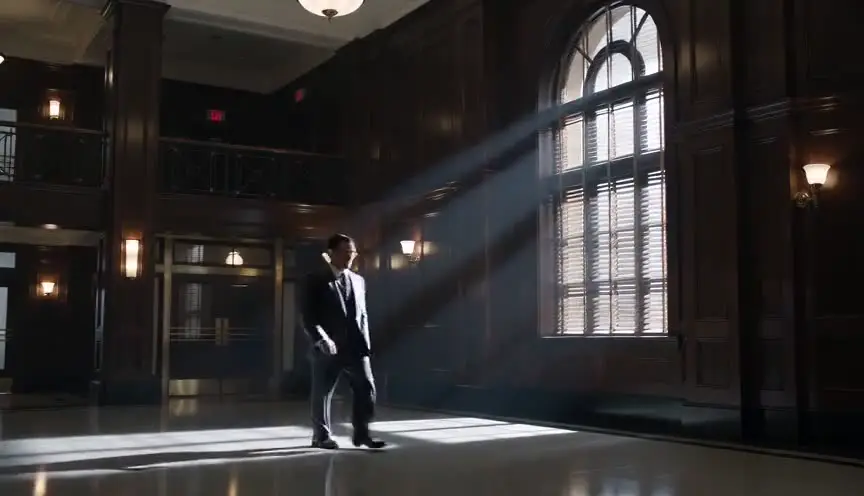
A hard kicker makes a crisp, cutting edge that shows texture. Pairing it with a hard key, or no key at all, gives the look its physical, aggressive energy.

Use a rim on one side and a kicker on the other to wrap a body in two edges. The combination separates a figure fully from a dark background in action scenes.
Reference
Watch it in
Raging Bull (1980)
In the ring, hard kickers from low angles carve sweat and muscle out of backgrounds that are nearly black.
Fight Club (1999)
Dark interiors use kicker lights to edge bruised faces and bodies while most of the frame stays in shadow.
ScreenWeaver
Set it up in ScreenWeaver
Describe the single hard source and the physical action in your action lines, and ScreenWeaver breaks the scene down into shots automatically. Open the shot, set the framing to a medium shot or close-up, the angle to eye level or slightly low, the movement static or handheld, and give it three to six seconds. Note the kicker's side on the shot so it stays consistent. The characters and the location carry from shot to shot, and the AI previsualization shows the mood.
Start writing for freeThe prompt behind this clip
This is the exact prompt that rendered the clip at the top of the page. Keep the description of the camera and the light, change the subject and the place.
Kicker light: a shirtless boxer stands in a dark gym, his face and chest lit only by a dim blue key light from the front, while a hard white kicker light placed low behind his right side skims a sharp edge of light along his shoulder, arm, and ribs. As he shifts his weight and raises his gloves, the kicker highlight moves with him across his skin, the rest of his body and the background staying in deep shadow. Static camera, close medium shot. No text.
Common mistakes
- 01
Kicker hitting the nose
If the kicker is too far forward, it lights the tip of the nose and looks like a mistake. Move it back until it only grazes the cheek.
- 02
Kicker and key on the same side
Placing the kicker on the key side adds little and flattens the look. Put it opposite the key, where the shadow needs an edge.
- 03
Too bright
An overpowered kicker becomes the brightest spot in the frame and pulls the eye away from the eyes. Keep it just strong enough to carve the edge.