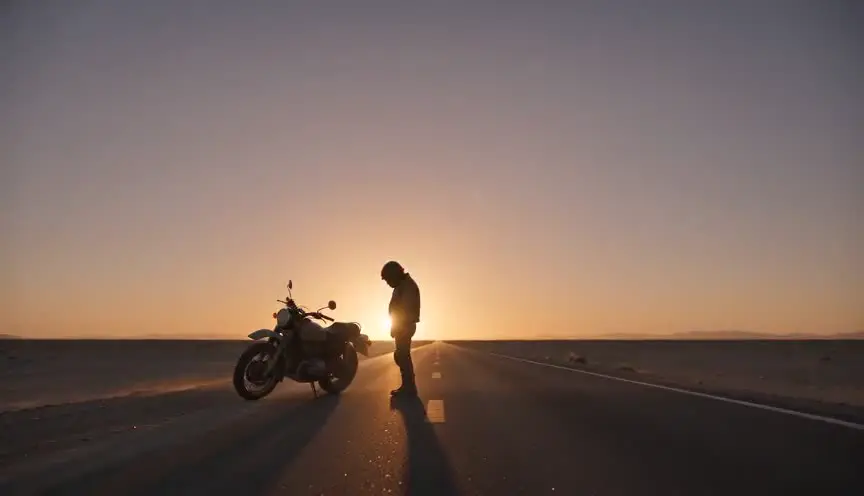
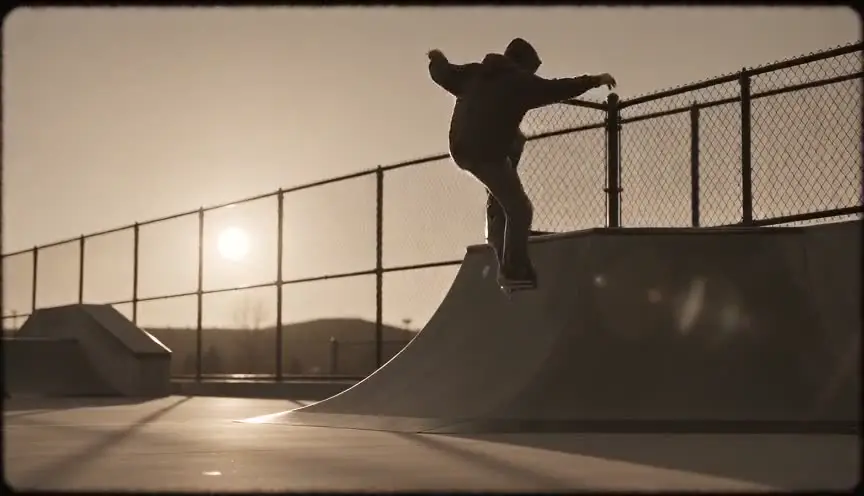
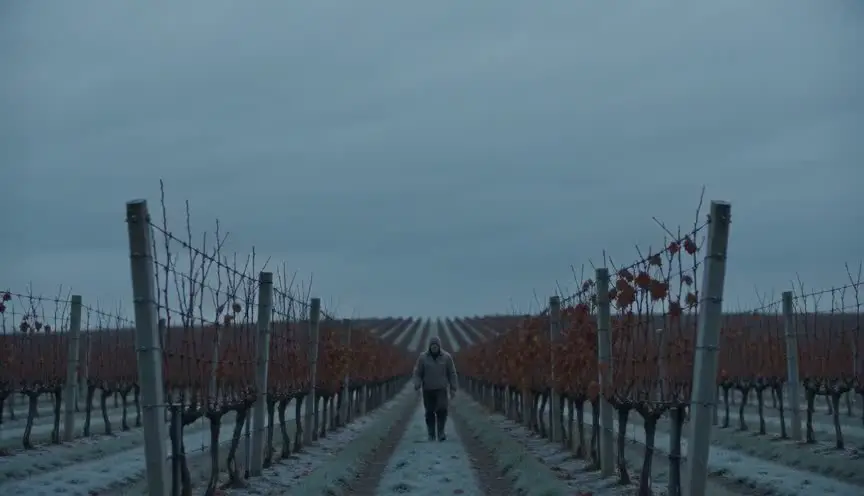
Warm amber gradeThe glow of home and memory
A warm amber grade tilts the image toward gold, honey and orange, warming highlights and giving skin a soft glow. The audience feels closeness, comfort and nostalgia, or the heavy heat of a closed family world.
Also calledAmber gradeHoney gradeWarm color grade
Color and film look
Why it works on screen
Amber is the color of lamplight, late sun and old wood. It serves intimacy, family, tradition, memory and romance. It can make a city feel like a fairy tale, or make a household feel cozy and protected. It can also turn oppressive: the same warm glow in a room full of secrets suggests a world sealed off from outside. A film earns it when belonging is the subject, whether belonging is a comfort or a trap. Set against cooler scenes, amber marks home, the past or the safe place a character will lose or leave.
The shot list line
- Size
- Medium close-up
- Angle
- Eye level
- Movement
- Static or a slow push in
- Lens
- 50mm
- Duration
- 5 to 10 s
Motivate the warmth with tungsten practicals, candles or an oven in frame, keep the camera balance near daylight so they read orange, and let the grade finish the glow.
Screenplay
On the page
Grades do not belong in a spec script. The warmth does. Write the sources: lamps, candles, the glow of an oven, late sun through curtains, a room of dark wood and brass. Put the characters close together when the scene is about intimacy. A cinematographer will read those images as warm before anyone names a grade. If warmth marks a place or a time in the story, keep it consistent in your descriptions, and let the look book name it.
INT. BAKERY - PALERMO - BEFORE DAWN
The oven door open, orange light pouring over flour sacks and a marble counter.
DON SALVATORE BRUNO (70s, forearms like bread dough) shapes loaves without looking.
Beside him, his granddaughter GIULIA (17) tries to copy him and tears the dough.
He takes her hands in his and folds the dough with her, slowly.
DON SALVATORE
Not with the fingers. With the whole hand. Like this.
Storyboard
In the storyboard
Color the panel in amber, gold and brown tones, with the brightest area at the warm source, such as a lamp, a fire or a window at sunset. Let the warmth fall off into soft brown shadows. Keep one area slightly cooler if the scene needs contrast. Mark the source with a small glow and an arrow. Under the panel, write the grade, its strength and the reason for it, for instance home, memory or romance.
Pairs well with
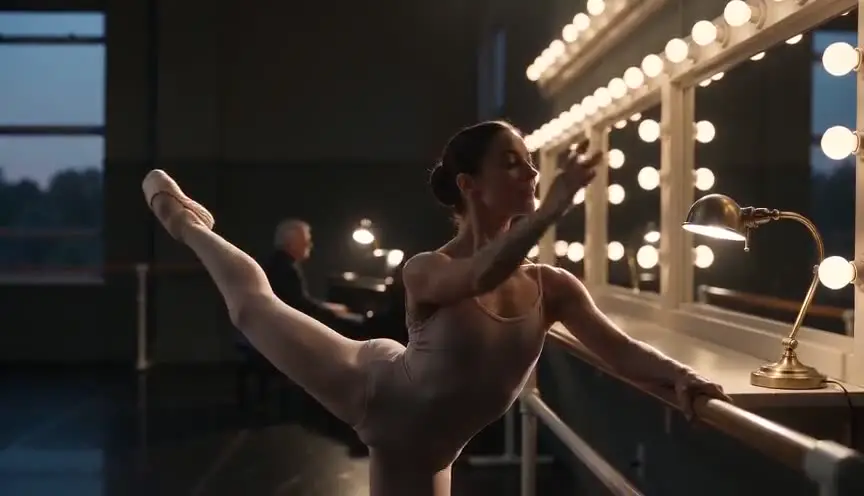
Lamps, candles and ovens inside the frame justify the warm grade. The audience sees where the glow comes from, so the color feels like the room, not a filter.
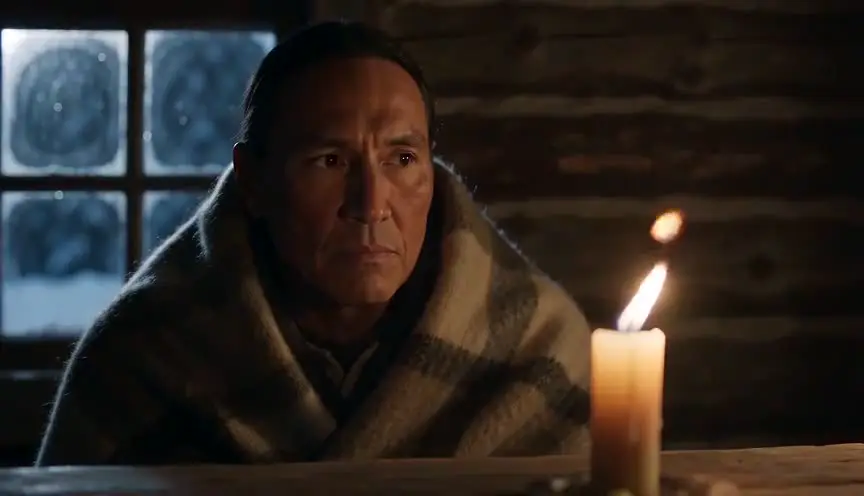
Flickering flame adds movement and softness to the amber. Together they make the most intimate version of the look, for dinners, confessions and late night talks.
Reference
Watch it in
Amélie (2001)
The whole film leans toward gold and green, and its warm amber tones turn Paris into a remembered storybook city.
The Godfather (1972)
Warm amber light and grading in the interiors make the family's world feel closed, traditional and intimate, a place outsiders cannot enter.
ScreenWeaver
Set it up in ScreenWeaver
Write the warm sources into your action lines, the oven, the lamp, the late sun, and ScreenWeaver breaks the screenplay down into shots automatically. Open each shot, set the framing, angle, movement and duration, and add a warm amber color note. Characters and locations carry from shot to shot, so the warm home stays recognizable across the film, and the AI previsualization lets you compare it with the colder scenes.
Start writing for freeThe prompt behind this clip
This is the exact prompt that rendered the clip at the top of the page. Keep the description of the camera and the light, change the subject and the place.
Warm amber grade: a static medium shot inside a pottery workshop where a middle-aged woman shapes clay on a spinning wheel, lit by warm tungsten bulbs and a soft kiln glow behind her. The entire frame is graded toward gold and honey, with warm highlights on her hands and the wet clay, deep amber shadows in the corners, and no cool or blue tones anywhere in the image. The camera holds completely still for four seconds while dust motes drift through the warm light and the wooden shelves keep a consistent golden brown cast throughout. No text.
Common mistakes
- 01
Orange overload
Pushed too far, amber turns faces orange and whites yellow. Keep a neutral reference somewhere in the frame and protect the skin.
- 02
No source in frame
A warm grade over a daylight scene with no lamps or sun reads as a filter. Show the source, even at the edge of the frame.
- 03
Warmth everywhere
If every scene is amber, warmth stops meaning home or safety. Save it for the places and moments the story wants the audience to cherish.