20 techniques
Shot sizesHow close the audience stands
Shot size is distance, and distance is emotion. A wide shot puts a character inside a world, a close-up puts the audience inside the character. Cutting between sizes is how a scene breathes.
Writers control shot size more than they think: a line about a trembling hand asks for an insert, a line about a crowd asks for a wide. These pages show each size, its job in a scene and how to name it in a shot list.
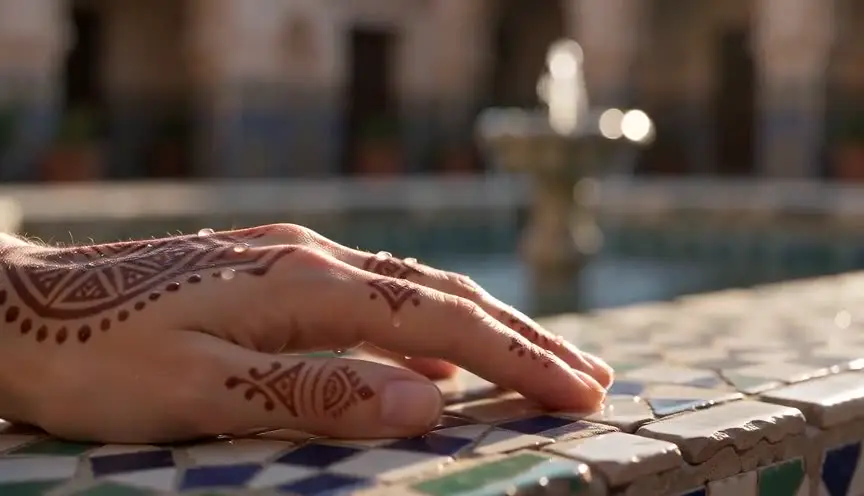
Extreme close-up
An extreme close-up fills the frame with a single part of a face or an object: an eye, lips, a fingertip, the edge of a coin. The audience sees what normally escapes attention, magnified to the size of a wall.
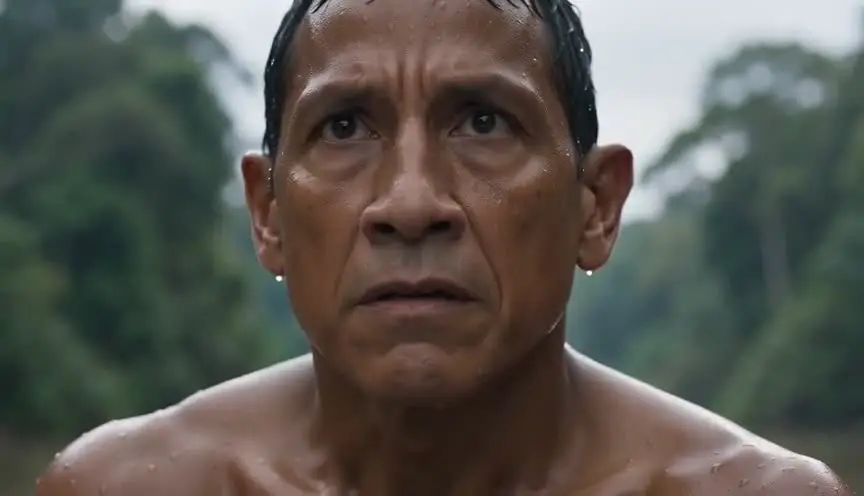
Close-up
A close-up frames a face from roughly the top of the head to the chin, or an object large enough to fill the screen. The audience stops watching the situation and starts reading a person's mind.
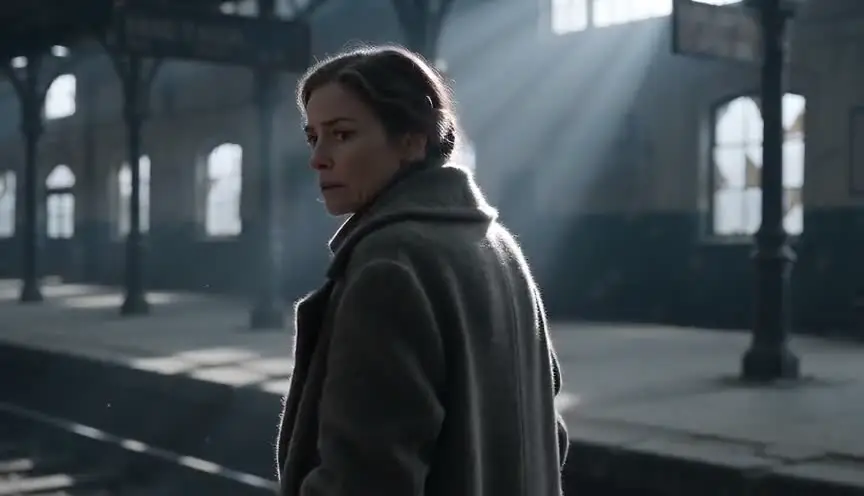
Medium close-up
A medium close-up frames a character from the middle of the chest to just above the head. The audience reads the face clearly while still seeing posture, clothing and a hint of the room.
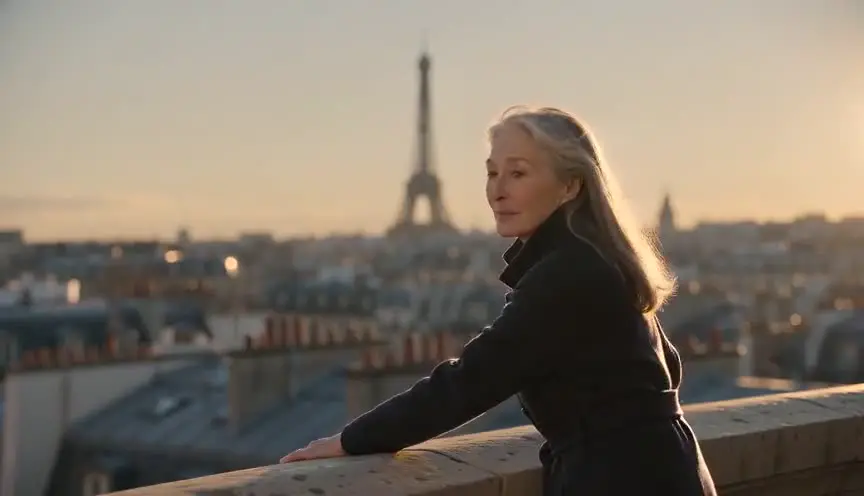
Medium shot
A medium shot frames a character from roughly the waist up. The audience sees the face, the hands and the posture at once, the way we see someone across a table.
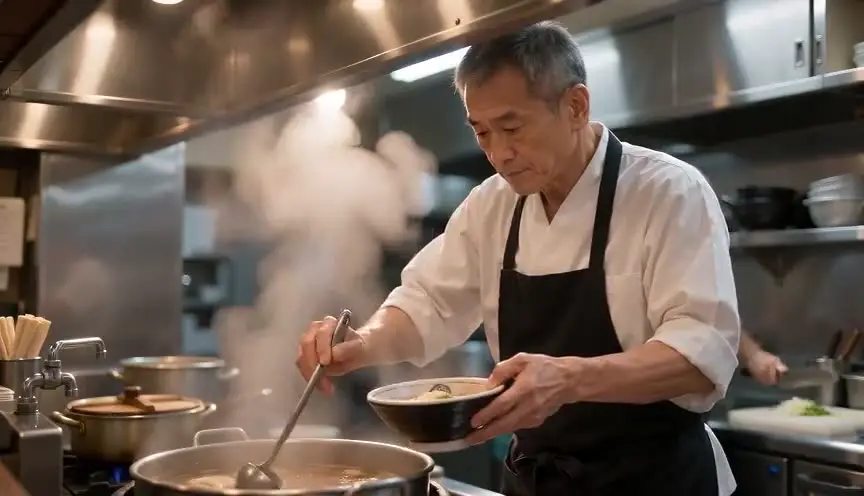
Cowboy shot
A cowboy shot frames a character from mid-thigh up, low enough to include the hips and the hands resting near them. The audience watches a body ready to act and a face deciding whether to.
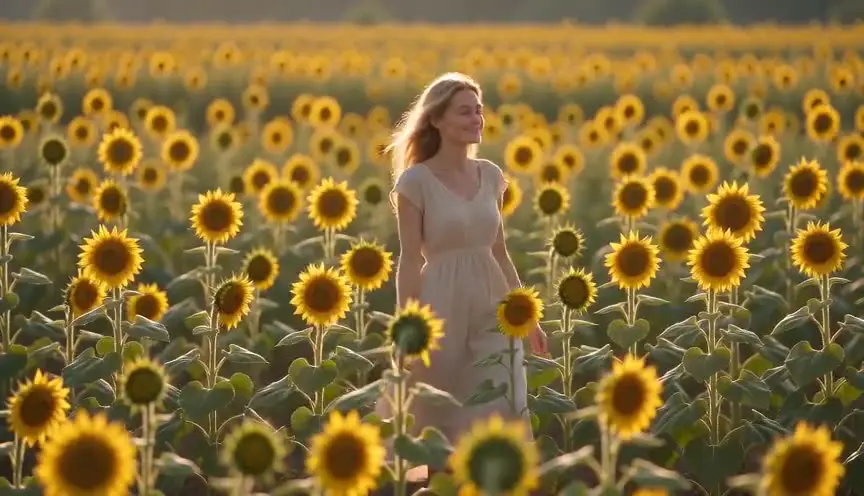
Full shot
A full shot frames a character from head to toe, with a little space above and below. The audience sees the entire body: how a person stands, walks, dances or falls, and how much room surrounds them.
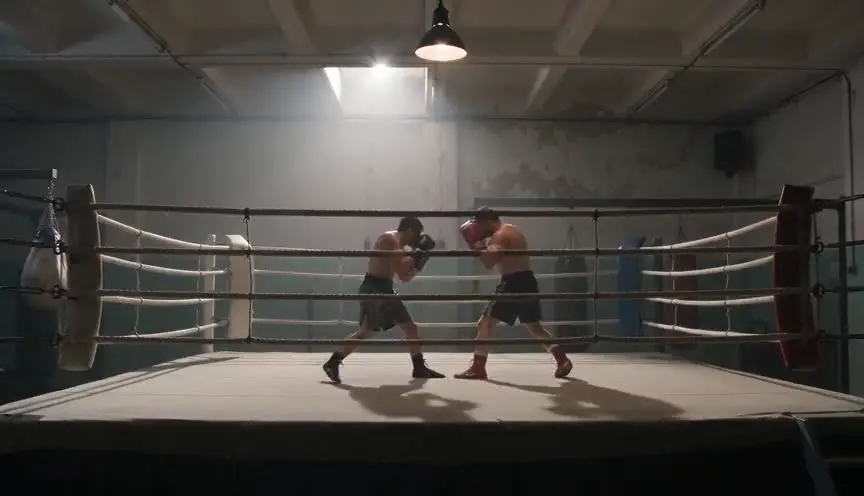
Wide shot
A wide shot shows characters small enough that the space around them fills most of the frame. The audience understands where everyone is, how far apart they stand and what the place feels like.
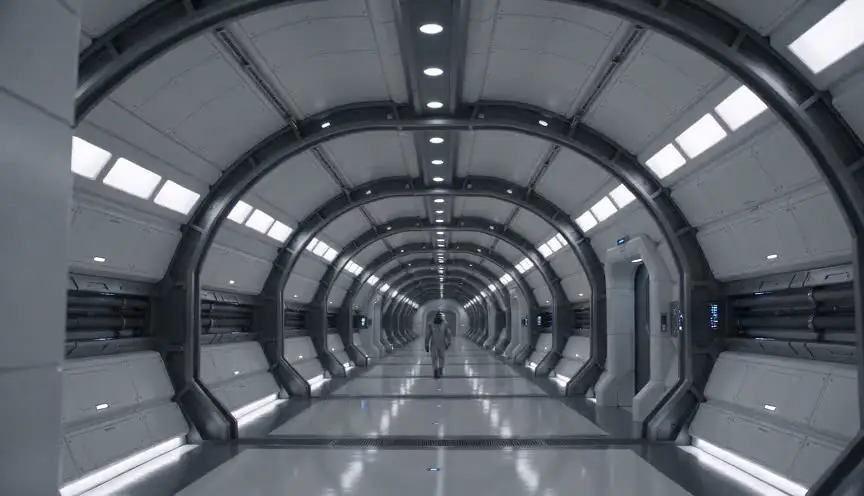
Extreme wide shot
An extreme wide shot shows a landscape so vast that the characters become specks, or disappear entirely. The audience feels the scale of the world and how little a human weighs against it.
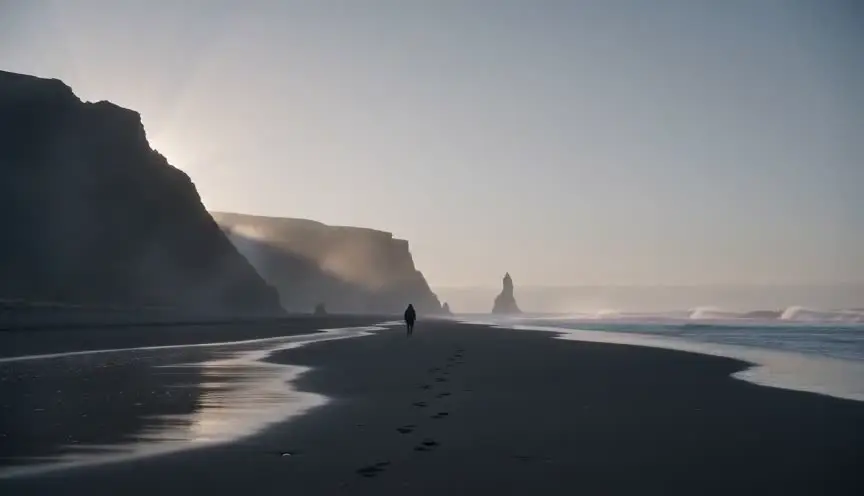
Establishing shot
An establishing shot opens a scene or a sequence by showing the place it happens, usually from outside and from a distance. The audience learns where they are, what time it is and what kind of world they have entered before anyone speaks.
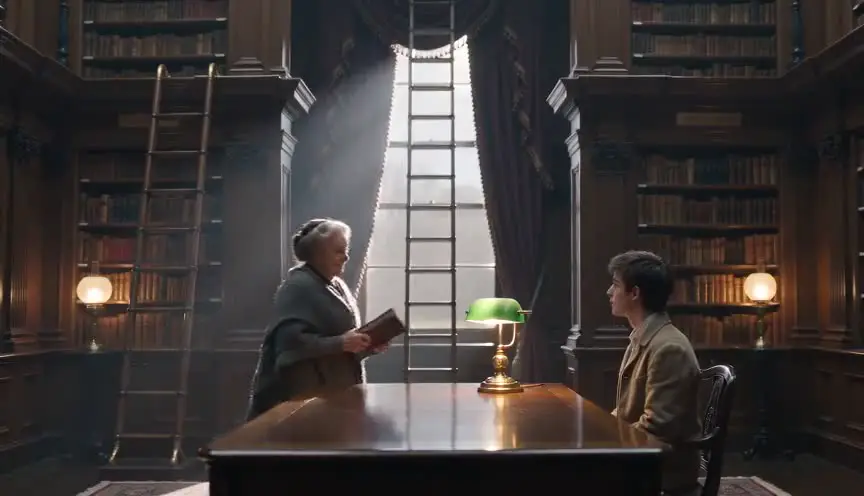
Master shot
A master shot records an entire scene from beginning to end in a single framing, usually wide enough to include every character. The audience may see only pieces of it, but it holds the scene together.
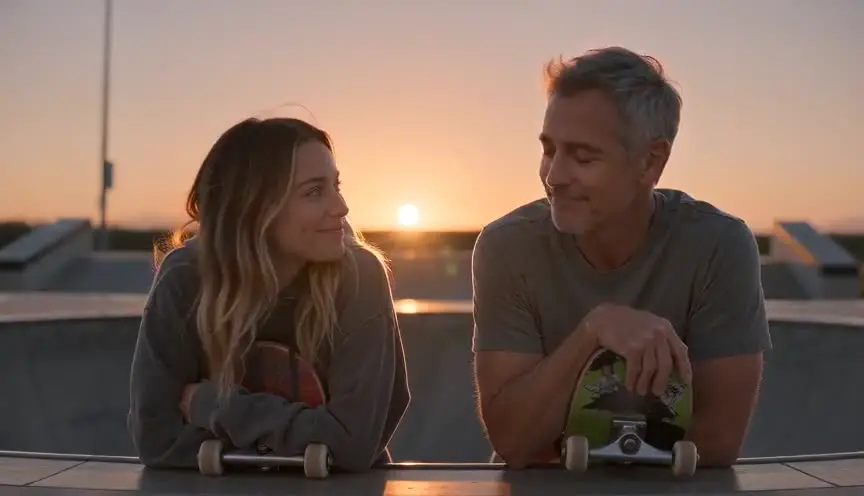
Two-shot
A two-shot frames two characters together in the same image, whether side by side, facing each other or one behind the other. The audience watches the relationship itself: distance, balance, who leans in and who pulls away.
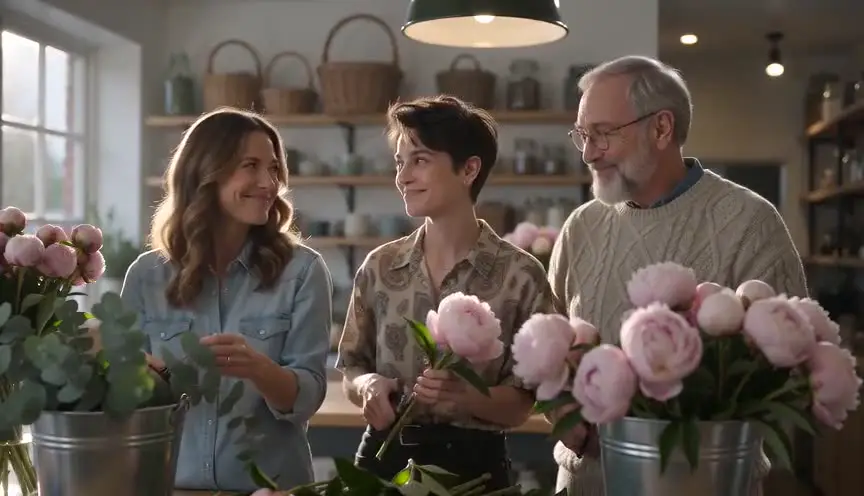
Three-shot
A three-shot frames three characters together, often arranged in a triangle or a line. The audience sees at once who stands with whom and who is left out.
Group shot
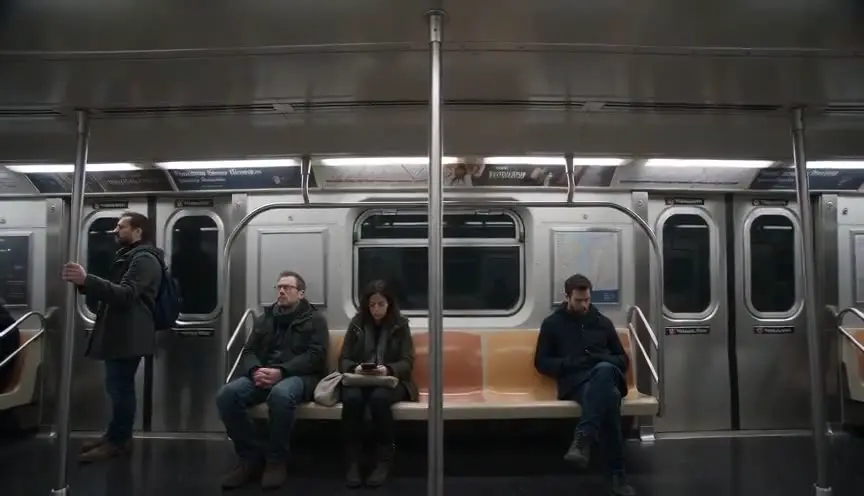
A group shot frames several characters together, usually four or more, so they read as a single unit. The audience sees a team, a family, a crew or a crowd before seeing the individuals inside it.
Insert shot
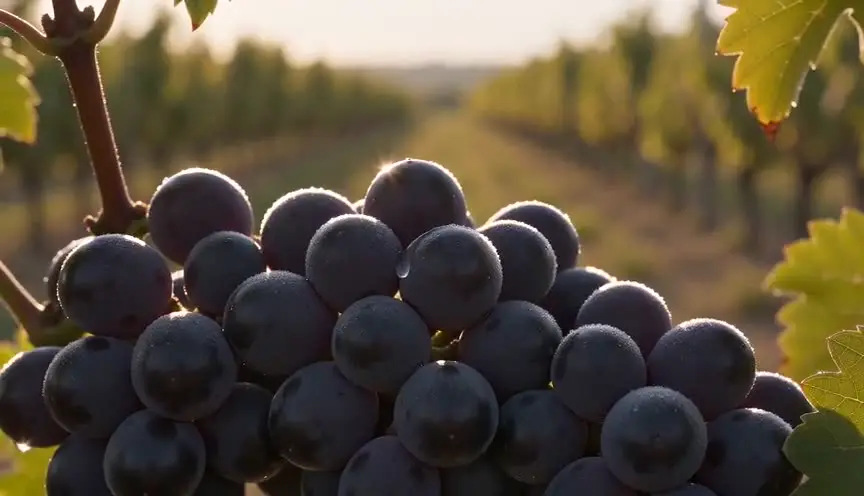
An insert shot cuts to a close view of an object, a document, a screen or a hand in action, taken from within the scene. The audience receives a piece of information they must remember, often before the characters understand it.
Cutaway
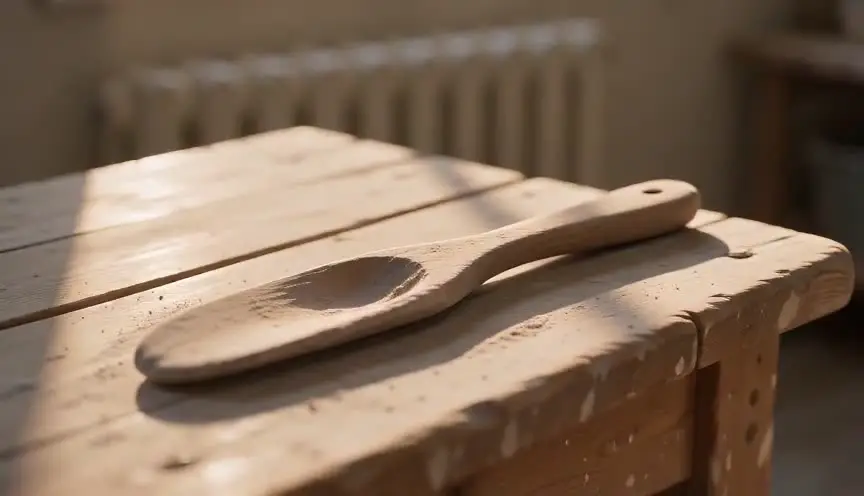
A cutaway leaves the main action for a moment to show something else in the scene or nearby, a clock, a window, a bystander, an animal, then returns. The audience gets context, a breath or a warning, and time can quietly pass.
Reaction shot
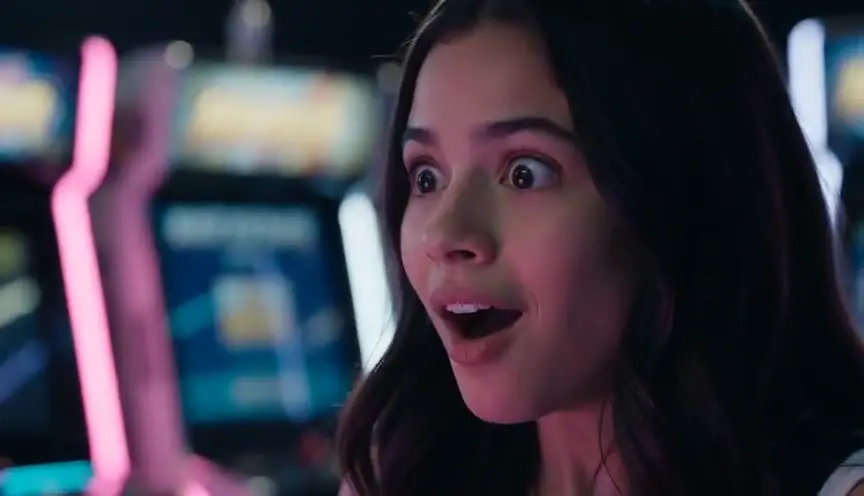
A reaction shot shows a character responding to something they have just seen or heard, instead of showing the action itself. The audience learns what an event means by watching it arrive on someone's face.
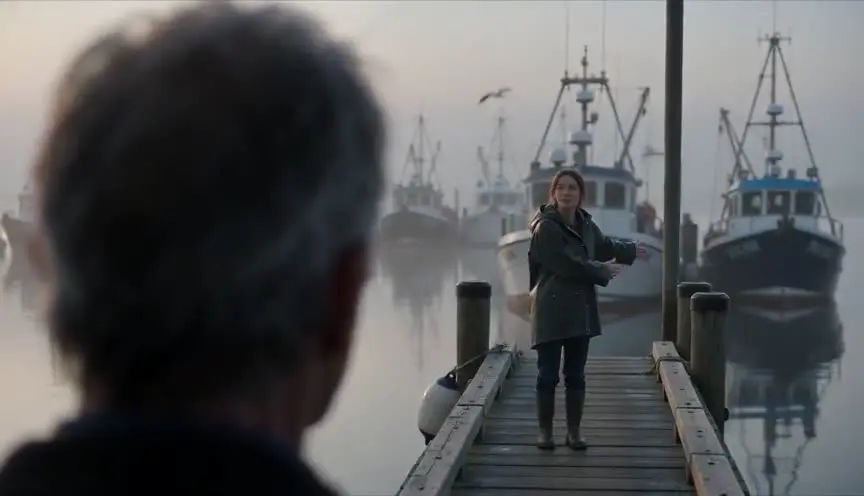
Over-the-shoulder shot
An over-the-shoulder shot frames one character past the shoulder and head of another, who stays soft in the foreground. The audience sits right behind the listener, so every line lands as if it were spoken to them.
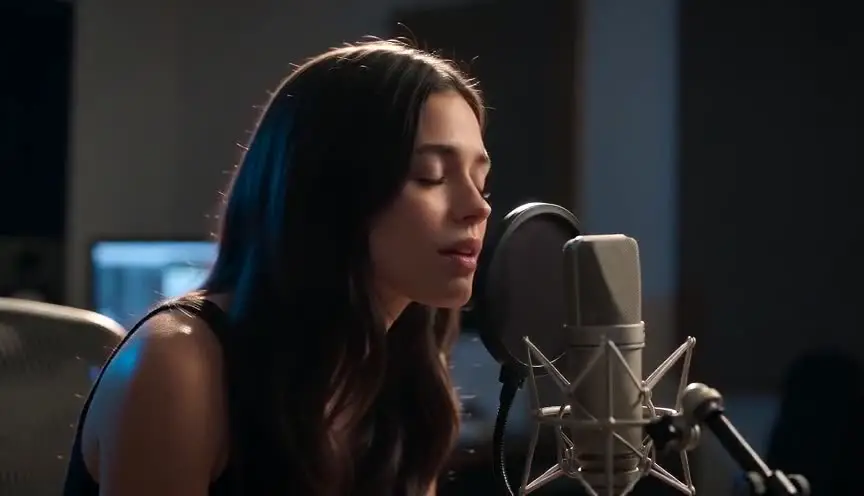
Single
A single frames one character with nobody else in the shot, at any size from a medium shot to a close-up. It gives the audience a direct, private line to that person and cuts them off, for a moment, from everyone around them.
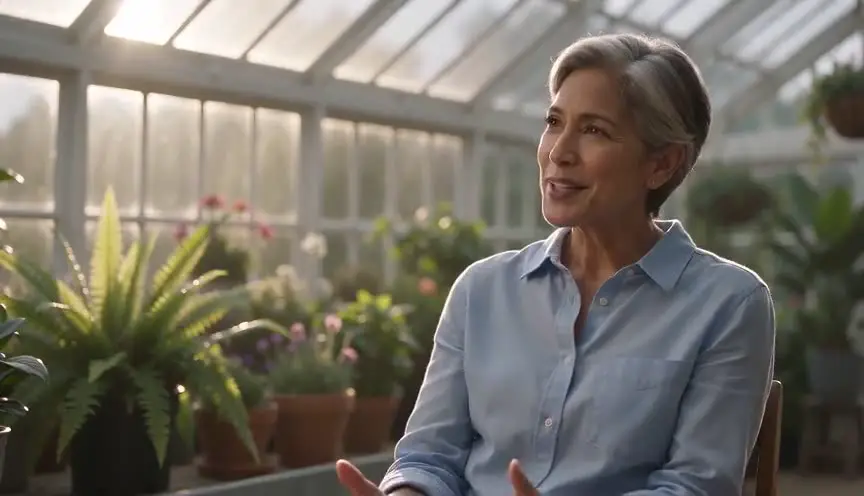
Interview framing
Interview framing places a seated subject on one third of the frame, looking just off the lens toward an unseen interviewer, with open space on the side of the gaze. It reads instantly as testimony, and the audience settles in to listen to someone telling their own story.

Product shot
A product shot isolates a single object, frames it cleanly and lights it to show off shape, texture and material. The audience looks at a thing the way an advertiser wants them to: as something desirable, important or loaded with meaning.