Reverse motionUndo what just happened
Reverse motion plays an action backward, so broken things mend, spilled things return and people walk the wrong way through their own gestures. The audience senses that the rules of the world have changed, and it can read as magic, memory, regret or menace.
Also calledReverse footageBackwards motionRewind effect
Time and motion
Why it works on screen
Use it when the story wants to undo something, or when a world should feel subtly wrong. A rewind can show a character wishing a moment had never happened, replay events to reveal a clue, or open a film at the end and roll back to the start. Played inside a dream or a supernatural space, reversed gestures and speech make people feel uncanny even when nothing else changes. It serves regret, mystery, comedy and the fantastic. A scene earns it when time itself is part of the story. Used as a flourish on an ordinary action, it looks like a phone trick.
The shot list line
- Size
- Medium shot or close-up on the object
- Angle
- Eye level
- Movement
- Static, locked off
- Lens
- 35mm or 50mm
- Duration
- 2 to 5 s
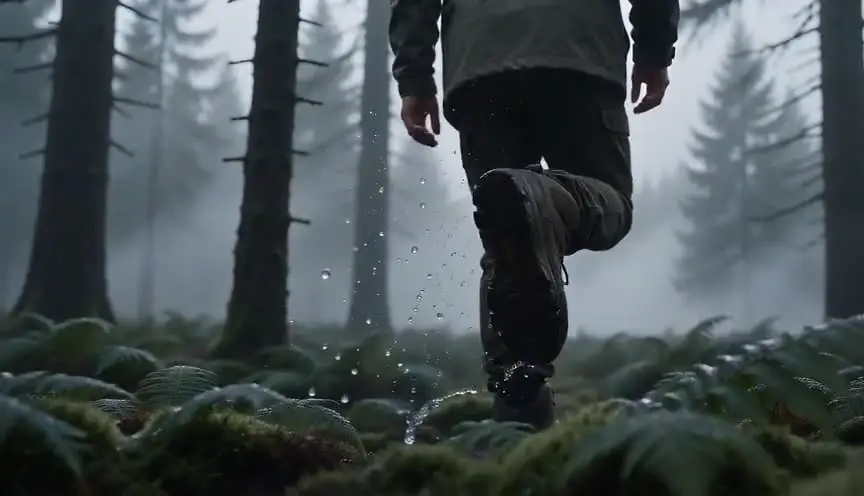
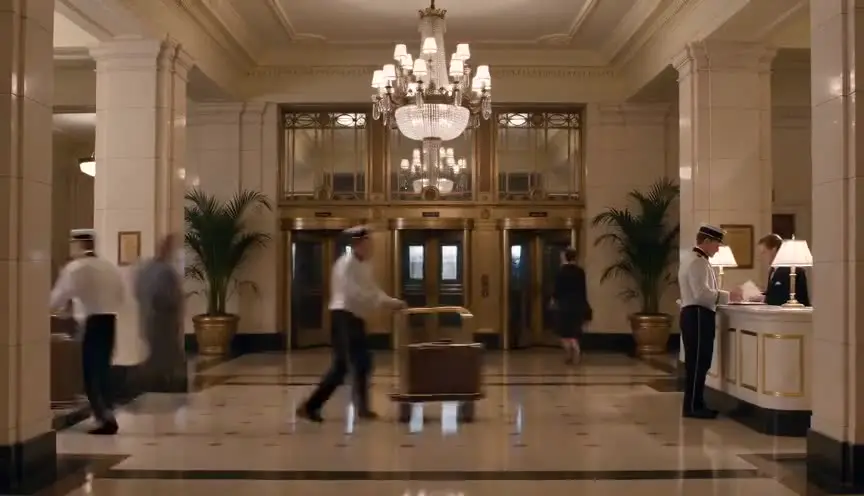
Film the forward action cleanly with a locked camera, then check that no background element betrays the reversal, such as smoke, walking extras or falling water.
Screenplay
On the page
Reverse motion can be written because the audience must see an impossible event: describe it plainly as the character would see it, the glass rises from the floor and reassembles in her hand. Avoid technical terms and do not explain how it will be done. If the whole scene rewinds, one line of action saying so is enough. Whether actors perform backward on set or the footage is flipped in post is a decision for the director and the shot list.
INT. CHEMISTRY CLASSROOM - AFTERNOON
MR. OYELARAN (50s, bow tie, chalk on his sleeve) stares at the smashed beaker on the tiles.
He closes his eyes.
The shards slide together across the floor. The blue liquid pulls itself up into the glass.
The beaker leaps back onto the bench, whole.
The student who knocked it over is still reaching for it, frozen mid-apology.
MR. OYELARAN
Once more. Carefully.
Storyboard
In the storyboard
Draw two panels: the end state (object broken, liquid spilled) and the start state (object whole). Add a curved arrow pointing backward from the second panel to the first, labeled REVERSE. Mark each moving element with its own reversed arrow, shards converging, liquid rising. Note what must stay static in the background. If actors perform backward on set, write that under the panel so the assistant director schedules rehearsal time.
Pairs well with
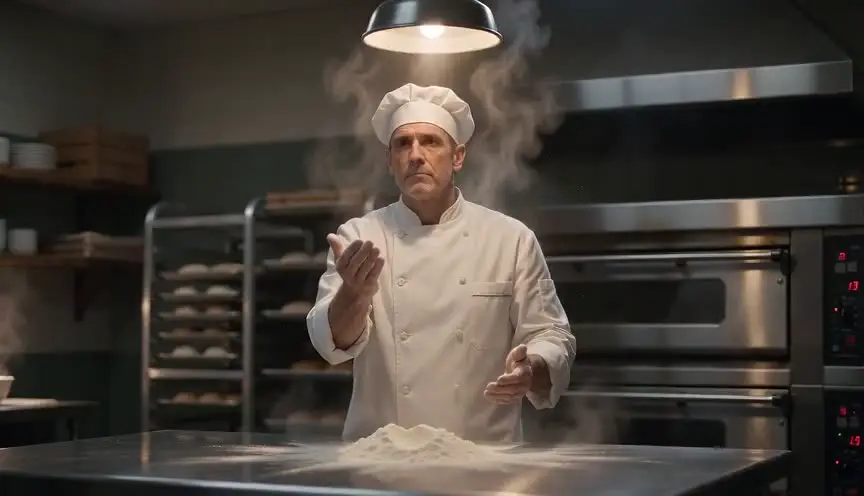
Freezing on the key instant before the rewind begins gives the audience a clear point of reference. They see what the character wants to undo, then watch time roll back from that exact frame.

After the rewind, a jump cut back into forward time snaps the story to its new present and makes the change obvious: same place, same people, different outcome.
Reference
Watch it in
Twin Peaks: Fire Walk with Me (1992)
In the Red Room, actors spoke and moved backward on set and the footage was flipped, so their voices and gestures sound almost familiar and deeply off.
Tenet (2020)
Christopher Nolan puts forward and backward moving people and cars in the same frame, so inverted time becomes a physical fight between directions.
ScreenWeaver
Set it up in ScreenWeaver
Write the impossible event as plain action in your screenplay, and ScreenWeaver breaks the scene down into shots automatically. Give the reversed action its own shot, set a medium or close framing at eye level, keep the movement static, and choose a short duration of two to five seconds. References carry from shot to shot, so the broken object and the mended one match. Play the sequence in the AI previsualization to check that the moment before and after the rewind line up.
Start writing for freeThe prompt behind this clip
This is the exact prompt that rendered the clip at the top of the page. Keep the description of the camera and the light, change the subject and the place.
Reverse motion in a laundromat at night: a static locked-off camera on a 35mm lens frames a row of humming washing machines under flickering fluorescent light. A pile of wrinkled clothes on a folding table lifts piece by piece, unfolds itself, and flies backward through the open door of a dryer, vanishing inside as the drum spins. Spilled detergent powder on the floor gathers itself upward into a torn box on a shelf. The background stays otherwise still and quiet, making the impossible backward action unmistakable. No text.
Common mistakes
- 01
Background gives it away
Walking extras, drifting smoke or pouring rain run backward too and pull focus. Clear the background or plan it as part of the effect, so the reversal reads where you want it.
- 02
Unclear what is reversed
If the audience cannot tell whether time rewinds or the character imagines it, the story wobbles. Establish the rule once, clearly, then keep it consistent.
- 03
Forgetting the sound
Reversed image with normal sound feels cheap. Decide whether to reverse the sound, replace it with a designed rewind or drop to silence, and plan it with the image.