CutawayLooking away to raise the stakes
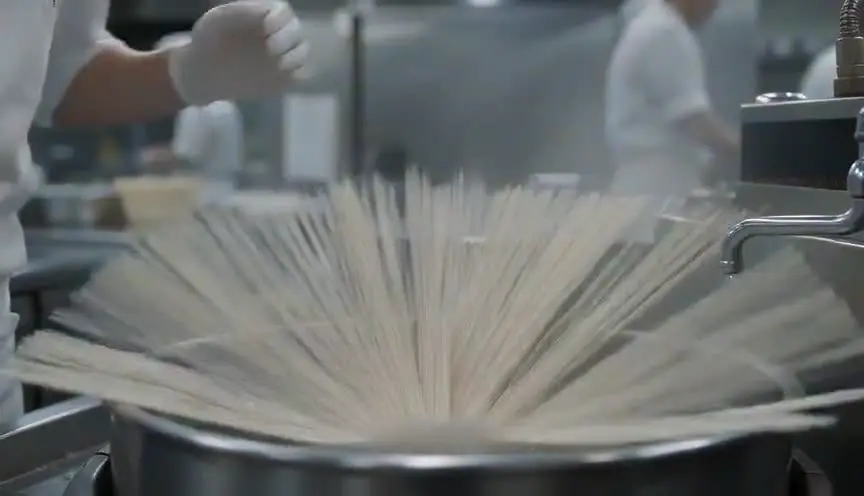
A cutaway leaves the main action for a moment to show something else in the scene or nearby, a clock, a window, a bystander, an animal, then returns. The audience gets context, a breath or a warning, and time can quietly pass.
Also calledCutaway shotB-roll cutCut-in to the surroundings
Shot sizes
Why it works on screen
Cutaways shape tension and time. A job interview where the clock ticks louder, a dinner interrupted by a car idling outside, a speech intercut with a waiter spilling a tray: the cutaway adds a second layer of meaning. It serves suspense, irony, comedy and texture. It can compress time, skipping the dull middle of an action, and it gives the editor a way to join two takes. A scene earns it when something outside the main action comments on it, threatens it or measures it, and when the audience needs a moment of distance before returning closer.
The shot list line
- Size
- Close-up or insert of the element
- Angle
- Eye level, or matched to a character's view
- Movement
- Static
- Lens
- 50mm to 85mm
- Duration
- 1 to 3 s
Shoot a few cutaways from the scene's environment during every setup, even unplanned ones, so the editor has material to cover jumps and pace the scene.
Screenplay
On the page
A screenwriter can suggest a cutaway by giving an element of the setting its own short action line in the middle of the scene: the clock on the wall, a dog watching, a pot about to boil over. That tells the reader it matters without naming the cut. Avoid writing CUTAWAY in a spec script. The director and the editor will decide how many and where, and the shot list should include the ones the story needs.
INT. MERIDIAN MINING - BOARDROOM - JOHANNESBURG - DAY
Three executives behind a glass table. Across from them, THANDIWE MOKOENA (26), in a borrowed blazer, answers every question perfectly.
On the wall, a clock. 10:58.
The chairman asks her about the gap in her CV. She hesitates.
In the aquarium by the window, a single fish swims into the glass, again and again.
THANDIWE
I was taking care of my brothers.
Storyboard
In the storyboard
Draw the main shot panel, then a smaller panel next to it for the cutaway, with an arrow showing where in the dialogue it cuts in and out. Write the line of dialogue or the beat during which the cutaway appears. Note the object, its size in frame and the duration. If the cutaway returns several times, number each appearance to show its progression.
Pairs well with
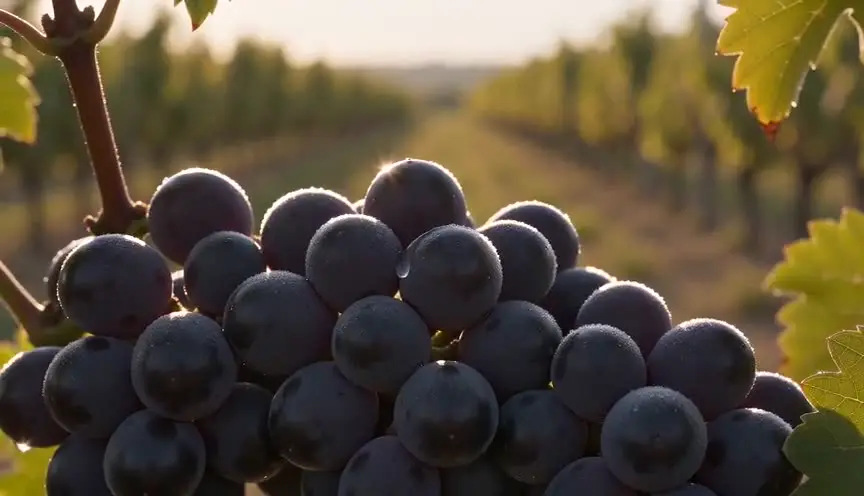
Inserts show detail within the action, cutaways show what surrounds it. Mixing both gives an editor a full toolbox for pace and information.

A cutaway can hide a jump in time between two takes of the same shot. Where a raw jump cut feels abrupt, a cutaway makes the skip invisible.
Reference
Watch it in
Jaws (1975)
On the crowded beach, the film keeps cutting from Brody to swimmers, a dog and small details, building dread before the attack on the Kintner boy.
Psycho (1960)
The shower scene breaks away to the showerhead, the drain and Marion's staring eye, shortening the violence while steering where the audience looks.
ScreenWeaver
Set it up in ScreenWeaver
Give the environmental detail its own action line in the scene, and ScreenWeaver breaks it down into a shot automatically. Open the cutaway, set a close framing at eye level, keep it static and give it one to three seconds. The location and props carry from shot to shot, so the clock or the window matches the room seen in the wider shots. Use the AI previsualization to try where the cutaway lands in the dialogue.
Start writing for freeThe prompt behind this clip
This is the exact prompt that rendered the clip at the top of the page. Keep the description of the camera and the light, change the subject and the place.
Cutaway: a medium shot inside a sunlit pottery workshop shows a woman in her fifties centering wet clay on a spinning wheel, her hands steady, wheel humming. After two seconds the shot cuts sharply to a close-up cutaway of a wooden rib tool resting on a nearby table, dusted with dry clay, completely still. After one second it cuts back to the same medium shot of her hands still shaping the clay, wheel still turning, uninterrupted. No text.
Common mistakes
- 01
Random cutaways
Cutting to unrelated details only to cover edits distracts the audience. Choose cutaways that comment on the scene or measure time. A cutaway should add a layer, not a distraction.
- 02
Not shooting any
Forgetting to film cutaways leaves the editor stuck with jump cuts and no way to adjust pace. Always grab a few from every location. Ten minutes at the end of a setup is enough to collect several.
- 03
Too long away
Staying on a cutaway too long breaks the main scene's tension. Keep it brief and return to the characters. One to three seconds is usually enough for the audience to register the detail and feel the pressure of the main scene again.