Blockbuster lookScale, speed and spectacle
The blockbuster look is the polished visual language of big studio films: sweeping camera moves, huge scale, saturated complementary colors, glossy light and constant motion. The audience feels carried along by a spectacle designed to impress.
Also calledTentpole lookSummer movie lookEpic action grade
Genre looks
Why it works on screen
This look serves stories of adventure, heroism and high stakes, where characters face threats larger than themselves and the world is at risk. It creates wonder, excitement and a sense of occasion. A story earns it when the scale of the events matches the scale of the images: a city under attack, a journey across a new world, a rescue against time. The look is also about clarity. Even in chaos, the audience knows where the hero is and what they want. Used on a small personal story, it can feel inflated. Used on a real adventure, it makes people cheer.
The shot list line
- Size
- Extreme wide for scale, medium and close for heroes
- Angle
- Low angles on heroes, high angles over landscapes
- Movement
- Crane, aerial and sweeping tracking moves
- Lens
- Wide lenses for scale, anamorphic for flare and grandeur
- Duration
- 2 to 6 s, fast cutting in action
Keep geography clear, light heroes with warm keys against cooler backgrounds, and plan visual effects from the storyboard.
Screenplay
On the page
Write big moments with clear geography and strong images: what the hero sees, what is at stake, where the danger comes from. Keep action lines vivid and short. A spec script should not call for crane shots or teal and orange grades. Write the spectacle as events, and let the director, the cinematographer and the visual effects team design the camera and the palette in the shot list and the previsualization.
EXT. SELVAGEM DAM - SERRA DO MAR, BRAZIL - DAY
A crack runs across the concrete wall like lightning in slow motion.
MARIANA COSTA (35, rescue pilot, visor up) banks her helicopter along the dam face.
Below, a school bus stalls on the access road.
The wall groans. Water bursts through the crack in a white fan.
MARIANA
(into headset)
I can make one pass. One.
Storyboard
In the storyboard
Draw big, dynamic frames: tiny figures against huge structures, strong diagonals, heroes framed low against the sky. Use long curved arrows for sweeping camera moves and aerial passes. Mark the direction of the action with bold arrows. Label warm and cool areas for the grade. Add a small map in the corner to keep geography clear. Note visual effects elements with a VFX tag on each panel.
Pairs well with
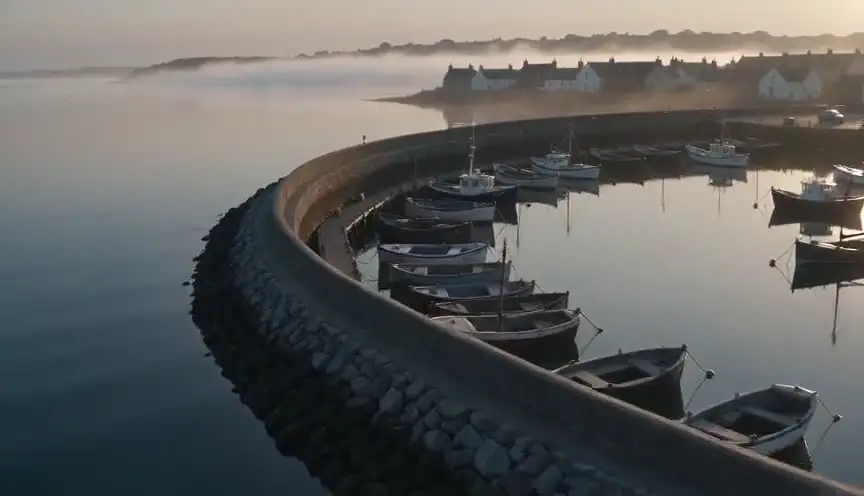
Aerial shots show the scale of the world and the threat. Opening with one gives the audience the geography before the action begins.
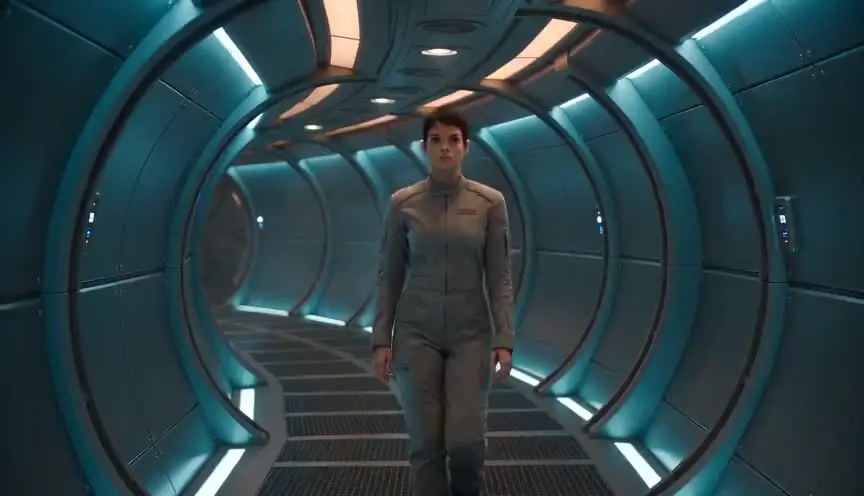
The complementary grade separates warm skin from cool backgrounds, making heroes pop from the frame. It is the standard palette of modern spectacle.
Reference
Watch it in
Avatar (2009)
James Cameron's jungle scenes use broad crane and aerial moves, rich teal foliage and warm key light so Pandora feels immense and risky.
Pirates of the Caribbean: The Curse of the Black Pearl (2003)
Teal seas set against orange torchlight and skin, wide lenses and a camera always moving sell the swashbuckling scale.
ScreenWeaver
Set it up in ScreenWeaver
Write the spectacle as clear events with strong images, and ScreenWeaver breaks the scene down into shots automatically. Open each shot and set extreme wide to close framings, low or high angles, crane, aerial or tracking movements and short durations for action. Characters, locations and references carry from shot to shot, keeping heroes and settings consistent. The AI previsualization lets you check geography, rhythm and scale before you commit to an expensive shoot.
Start writing for freeThe prompt behind this clip
This is the exact prompt that rendered the clip at the top of the page. Keep the description of the camera and the light, change the subject and the place.
Blockbuster look: a sweeping crane shot rises above a churning rainforest river as a lone adventurer steers a wooden boat through white rapids, shot on a 24mm wide lens that exaggerates the towering canopy and mist. The color grade pushes deep teal shadows against warm orange highlights on the boat and skin, hard sunlight cuts through fog in visible shafts, and the camera arcs right in one continuous motion, tracking the boat's speed while spray kicks up around the hull. No text.
Common mistakes
- 01
Spectacle without stakes
Big images do not create excitement on their own. The audience must care about a character and understand what is at risk in each set piece.
- 02
Lost geography
Fast cuts and moving cameras can blur where everyone is. Establish the space clearly and keep the direction of action consistent.
- 03
Every shot at maximum
If every frame is huge and loud, nothing stands out. Vary scale and pace, and save the biggest image for the turning point.