360-degree orbitCircling a moment that changes everything
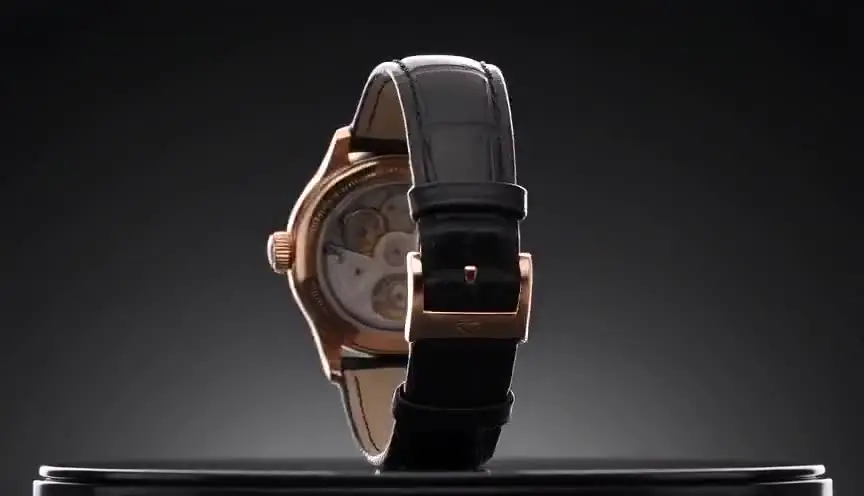
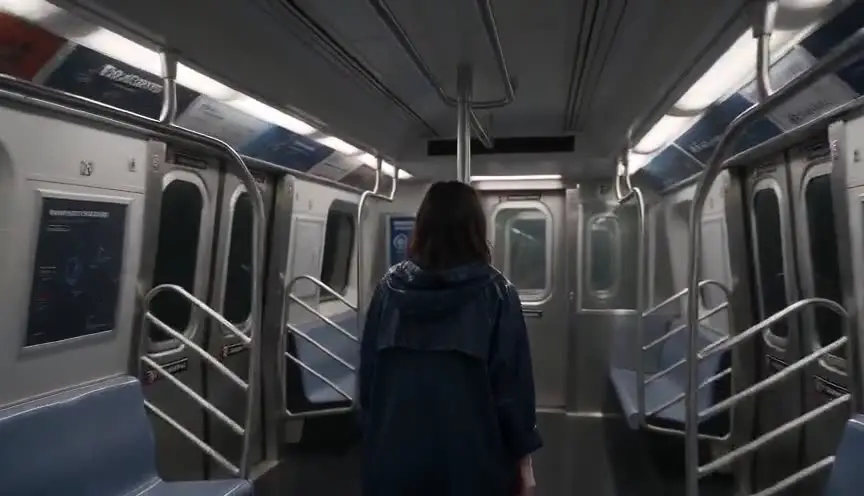
A 360-degree orbit moves the camera in a full circle around a subject, keeping it at the center while the background spins past. The audience feels time bend around one person, as if the world were turning and only they stood still.
Also calledOrbit shotFull circle shotRevolve shot
Camera movement
Why it works on screen
Use it when a single moment deserves to be seen from every side. A fighter before the first punch, a couple at the instant they fall in love, a person realizing they are surrounded: the full circle makes the subject the axis of the world. It serves heightened, stylized beats, suspended time, dizziness, and the sense that everything has shifted around a character. A full orbit is a strong statement, closer to a musical number or an action set piece than to naturalistic drama. A scene earns it when the story has reached a pivot and the character is still while everything else moves.
The shot list line
- Size
- Medium or medium close-up
- Angle
- Eye level, or slightly low for a heroic feel
- Movement
- Full 360-degree orbit around the subject
- Lens
- 24mm to 35mm
- Duration
- 6 to 12 s
Lay a circular track or rehearse the operator's walking path, and plan where crew, lights and monitors hide as the camera sees every side of the set.
Screenplay
On the page
A spec script should not ask for a "360". Readers do not need it, and the move is a big directorial choice. What you can write is a character who stands still while the world moves around them: a crowd circling, voices overlapping, the room seeming to turn. That tells a director the beat is about stillness at the center. For your own film, describe the orbit in the shot list, with the radius, direction and duration.
INT. BOXING ARENA, QUEZON CITY - NIGHT
The ring. Blinding lights. Twelve thousand people on their feet.
JOSEFINA "PINAY" DELA CRUZ (26, lightweight, gloves taped) stands in her corner and does not move.
Her trainer shouts in her ear. The announcer bellows her name. Her father waves a flag in row three.
She hears none of it. She is looking at her opponent's feet.
The bell.
Storyboard
In the storyboard
Draw the subject in the center of a top-down circle, with a camera icon at the start point and a curved arrow going all the way around, labeled ORBIT 360 and the direction. Add small frame thumbnails at the four quarter points to show how the background changes. Note the radius, the duration and the beat where the orbit should complete. Mark where crew and lights must hide.
Pairs well with

A locked shot right before the orbit keeps the world still. When the camera begins to circle, the contrast makes the moment feel suspended and special.
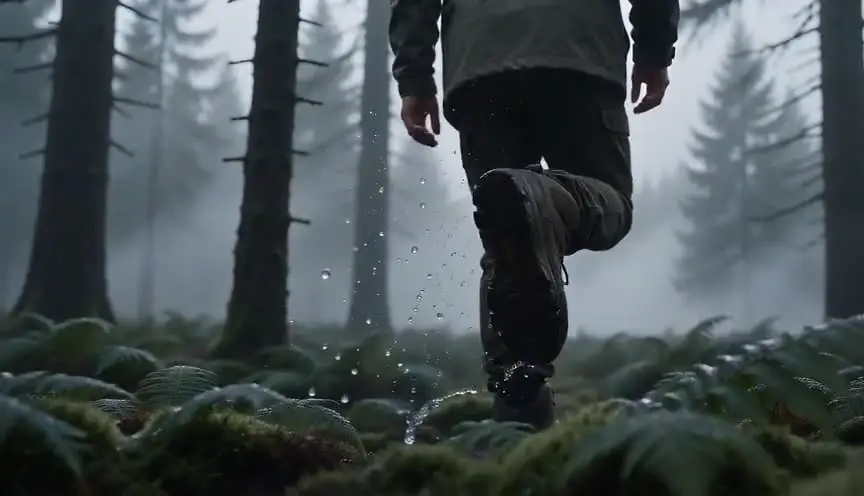
Combining the orbit with slow motion stretches the moment even further, turning a punch, a leap or a kiss into a frozen event the audience can walk around.
Reference
Watch it in
The Matrix (1999)
Trinity hangs in the air mid-kick while the viewpoint sweeps all the way around her, then time snaps back and the blow lands.
Kill Bill: Vol. 1 (2003)
In the House of Blue Leaves, the camera circles Beatrix as she stands perfectly still while swordsmen close in around her.
ScreenWeaver
Set it up in ScreenWeaver
Write the moment of stillness in your screenplay, and ScreenWeaver breaks the scene down into shots automatically. Open the shot, set the framing to medium, set the angle, choose a 360-degree orbit as the movement and give it a duration of six to twelve seconds. Characters and the location carry from shot to shot, so the room seen from every side stays consistent. Check the circle and the final position in the AI previsualization.
Start writing for freeThe prompt behind this clip
This is the exact prompt that rendered the clip at the top of the page. Keep the description of the camera and the light, change the subject and the place.
Fast 360-degree orbit. The camera circles all the way around an old fisherman standing still on a wooden pier at dawn, keeping him centered: we see his face, then his profile, then his back with the harbor behind, then his other profile, and his face again, the boats and the sea sweeping past behind him. One smooth continuous circular camera move. Realistic, cinematic. No text.
Common mistakes
- 01
A set dressed on one side
An orbit sees everything. If only one wall is dressed or lit, the move exposes the rest. Plan the full set and hide the crew before you commit to a full circle.
- 02
Subject drifting off center
If the radius changes as the camera circles, the subject grows, shrinks and slides in frame. Use a track or a marked path to keep the distance constant.
- 03
Orbiting a dull beat
A full circle on an ordinary line of dialogue feels showy. Keep it for the single moment the story pivots around.