Eye level shotMeet characters as equals
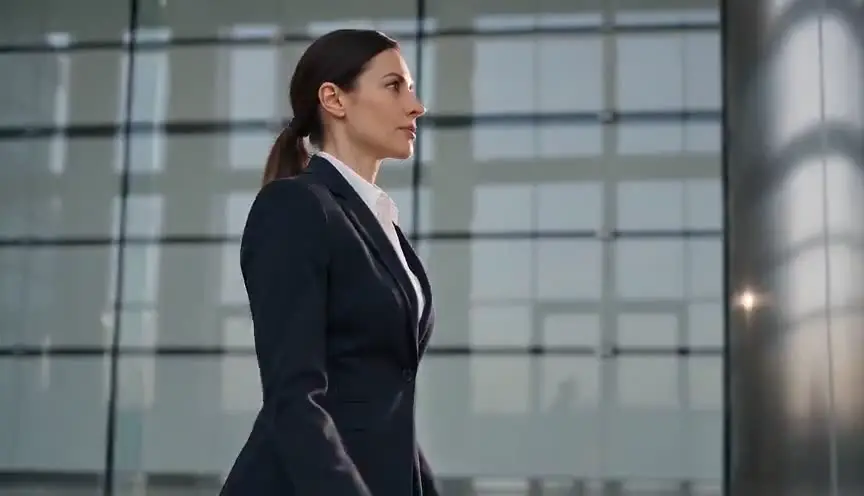
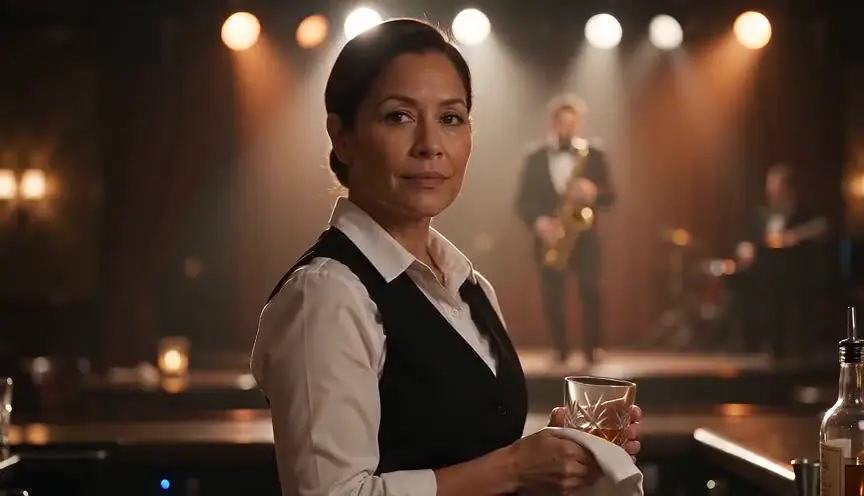
An eye level shot places the lens at the height of the subject's eyes, neither looking up nor looking down. The audience meets the character as an equal, which makes the angle feel honest, calm and close to everyday life.
Also calledNeutral angleNormal angleStraight-on shot
Camera angles
Why it works on screen
Eye level is the angle of trust. It lets the audience stand beside a character without judging them, which is why most dialogue scenes and most films live here. Its power shows when you break from it: after a stretch of high or low angles, returning to eye level feels like a reconciliation, a return to truth or a moment where status no longer matters. It serves intimacy, honesty, ordinary life and quiet drama. A scene earns a deliberate, held eye level shot when two characters finally speak as equals, or when the film wants the audience to look someone in the face.
The shot list line
- Size
- Medium shot or medium close-up
- Angle
- Eye level of the subject
- Movement
- Static
- Lens
- 35mm to 50mm
- Duration
- 4 to 8 s
Set the lens height to the subject's eyes, not the operator's, and adjust it every time the actor sits, crouches or stands.
Screenplay
On the page
You never need to write "eye level" in a spec script. It is the default, so readers and directors assume it. What a writer can do is create the conditions for it: a character kneels to talk to a child, two rivals finally sit at the same table, someone steps down from a stage. Those actions invite the director to bring the camera to the characters' level. Keep the exact camera height in the shot list, especially when characters sit or crouch.
EXT. SCHOOLYARD, VILLAGE NEAR OAXACA - DAY
Recess is over. The yard is empty except for TOMÁS (8), sitting on the bottom step with a torn backpack.
His teacher, MAESTRA LUPE RIVAS (40s), comes out, looks at him, then crouches until her face is level with his.
She does not touch the backpack.
MAESTRA LUPE
Tell me who did it. Then we decide together.
Storyboard
In the storyboard
Draw the horizon line at the subject's eye height and keep it perfectly horizontal. Place the eyes on or near that line, with the head and shoulders square to the frame. Add a small side-view diagram showing the camera and the eyes at the same height, with a level line between them. Label the lens height in centimeters or inches when the character sits, kneels or is a child, since that is where crews most often get it wrong.
Pairs well with
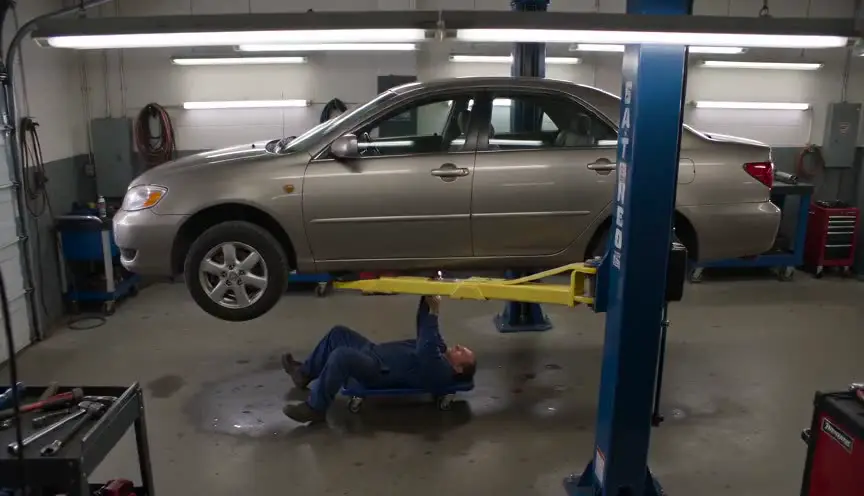
A high angle before the eye level shot makes a character look small or judged. Bringing the camera down to their eyes afterward restores their dignity and marks a shift in how the film sees them.
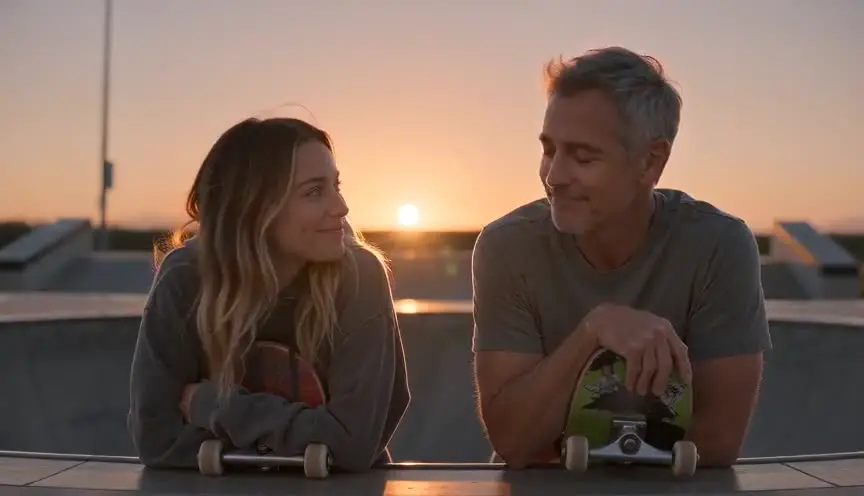
Follow with an eye level two-shot that puts both characters at the same height in one frame. It extends the sense of equality from one face to the whole relationship.
Reference
Watch it in
Tokyo Story (1953)
Ozu keeps the camera at the height of characters seated on tatami mats, a calm, respectful stance that sets the film's contemplative pace.
Before Sunrise (1995)
Linklater films most of the walking talks at eye level, so we travel beside the couple as a friend rather than weighing their choices.
ScreenWeaver
Set it up in ScreenWeaver
Write the moment characters meet on equal footing, and ScreenWeaver breaks the scene down into shots automatically. Open the shot, set the framing to a medium shot or medium close-up, the angle to eye level, the movement to static and a duration of four to eight seconds. If the character sits or crouches, note the camera height on the shot. The character and the location carry from the shots around it, and the AI previsualization shows how the level angle contrasts with the others.
Start writing for freeThe prompt behind this clip
This is the exact prompt that rendered the clip at the top of the page. Keep the description of the camera and the light, change the subject and the place.
Eye level shot of a ballet rehearsal room, camera locked at the exact eye height of a standing adult dancer, framing her in a medium shot as she stretches at the barre under flat daylight from tall windows. The lens stays level and static, a 50mm focal length with no tilt or pan, while other dancers move softly out of focus in the background. Her eyes meet the lens directly for a moment, then she looks away and continues stretching, the horizon line staying perfectly parallel to the frame edges throughout. No text.
Common mistakes
- 01
Operator's eye level
A camera at a standing operator's height looks down on seated actors and children. It creates a slight high angle nobody chose. Always measure from the subject's eyes.
- 02
Tilted horizon
A few degrees of roll on an eye level shot reads as sloppy, not stylistic. Level the head with a bubble or the monitor guide before every setup.
- 03
Never leaving it
A film that stays at eye level from start to finish can feel flat. Use other angles where power shifts, so the return to eye level carries weight.