VaporwaveNostalgia for a future that never came
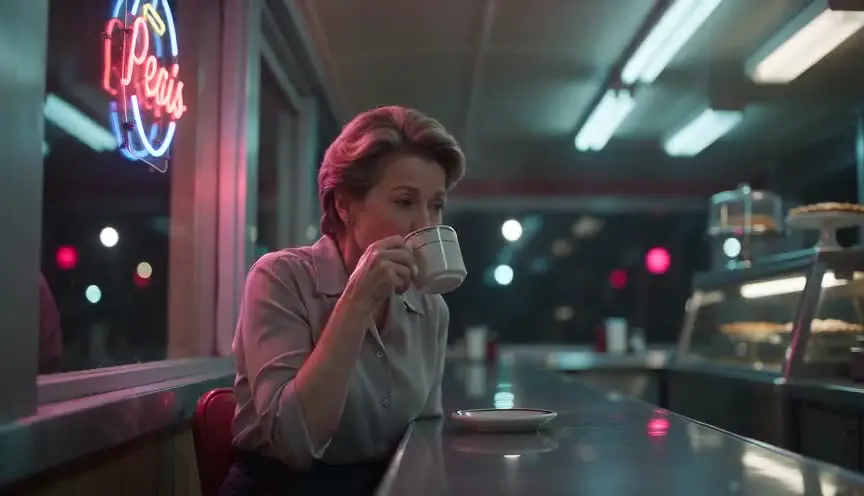
Vaporwave is a retro-futurist look drawn from 1980s and 1990s consumer culture: pink and teal gradients, VHS grain, empty malls, palm trees, marble statues and early computer graphics. The audience feels a dreamy, slightly sad nostalgia for a glossy future that never arrived.
Also calledVaporwave aestheticRetro-futurist pastel lookVHS neon look
Genre looks
Why it works on screen
Vaporwave is the mood of abandoned optimism. Its images are shopping centers after closing, hotel lobbies with nobody in them, waiting-room music and old advertisements promising paradise. It serves melancholy, irony, loneliness, dreamlike drift and the strange comfort of commercial nostalgia. A story earns it when characters live inside memories, screens or fading dreams, when the world feels like a loop of old promises. It suits music videos and short films, but also dream sequences, satire and stories about people stuck in the past, waiting for a future they were sold as children.
The shot list line
- Size
- Wide, symmetrical frames of empty spaces
- Angle
- Eye level or centered frontal
- Movement
- Static or slow glide
- Lens
- Wide, 24mm to 35mm
- Duration
- 5 to 10 s
Light with pink, teal and violet practicals, keep the frame clean and symmetrical, and plan VHS grain, soft glow and chromatic fringe for post.
Screenplay
On the page
Write the places and objects that carry the mood: a fountain in an empty mall, a cordless phone, a screensaver, a jingle from another decade. Let characters move slowly through spaces meant for crowds. Avoid naming the aesthetic on the page, and avoid writing color grades or VHS effects. The palette, the grain and any graphics are production decisions, described in the shot list and the look references shared with the team.
INT. FOOD COURT, CRYSTAL PALMS MALL - TAMPA - 2 A.M.
The fountain still runs. A plastic palm tree glows pink under a ceiling of skylights.
WALTER PIKE (60s, night janitor, headphones from another century) mops in slow circles.
From the dark gift shop, a display TV plays a mall advertisement from 1993 on a loop.
Walter stops mopping and mouths the jingle along with it.
The fountain goes quiet mid-note.
Storyboard
In the storyboard
Draw symmetrical wide frames of empty commercial spaces: fountains, escalators, palm trees, tiled floors. Label color gradients (pink to teal) across the sky or walls. Add small icons for retro objects: a TV, a phone, a statue bust. Mark slow glides with a straight arrow. Under each panel, note post effects: VHS grain, scan lines, glow, and any on-screen retro graphics.
Pairs well with
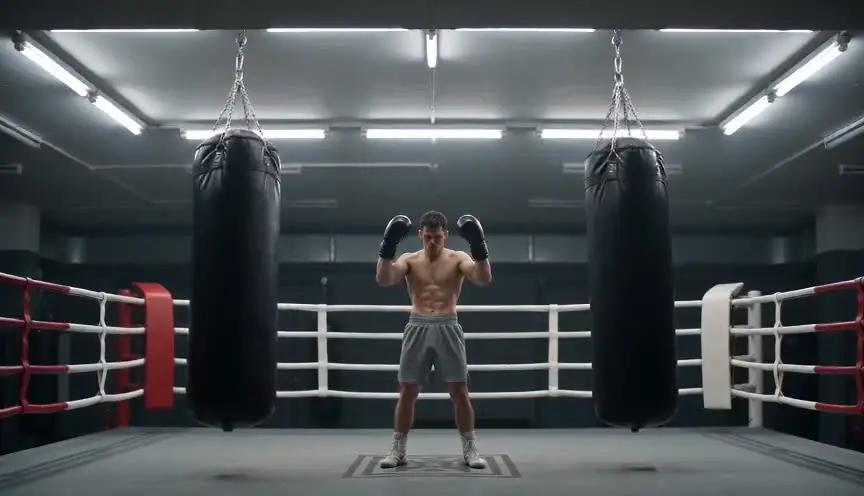
Symmetrical frames of empty spaces give vaporwave its uncanny calm. The order of the frame feels like an advertisement with nobody left in it.
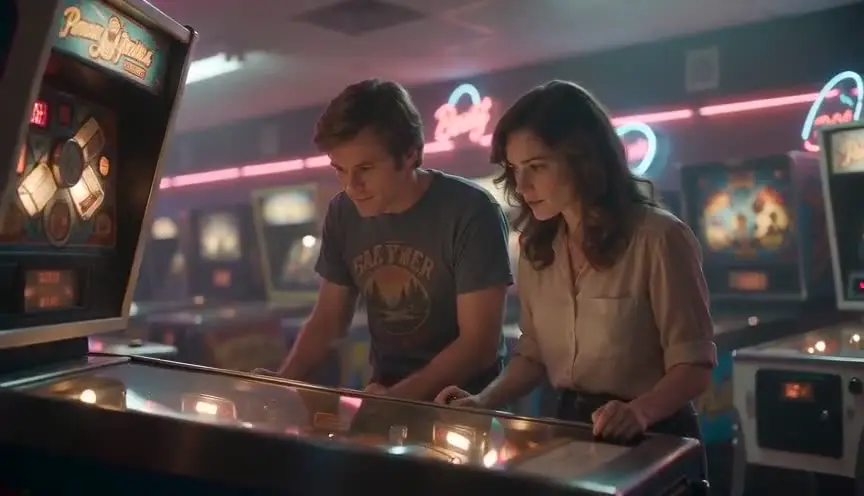
Faded color and soft contrast add the texture of an old tape or a sun-bleached memory, deepening the nostalgia of the pastel palette.
Reference
Watch it in
Kung Fury (2015)
The short film builds its whole retro 1980s world from VHS grain, neon gradients and synth nostalgia, a popular reference for the look.
Beyond the Black Rainbow (2010)
Panos Cosmatos gives the Arboria Institute a 1983 retro-future style, with neon washes, analog haze and synthetic nostalgia close to vaporwave.
ScreenWeaver
Set it up in ScreenWeaver
Write the empty spaces and retro objects in your screenplay, and ScreenWeaver breaks the scene down into shots automatically. Open each shot and set wide, symmetrical framings, frontal or eye-level angles, static or gliding movements and long durations. Note the pastel palette and the post texture in the shot descriptions. Characters, locations and references carry from shot to shot, and the AI previsualization lets you check the mood of the sequence before planning the grade.
Start writing for freeThe prompt behind this clip
This is the exact prompt that rendered the clip at the top of the page. Keep the description of the camera and the light, change the subject and the place.
Vaporwave: a slow, low static camera holds on a jazz club interior lit entirely in magenta and cyan neon, where a saxophonist stands in silhouette inside drifting pink haze and chrome tabletops and a marble bust catch the glow. Faint VHS scan lines and soft chroma bleed sit at the frame edges, grain flickers gently, and the color settles into pastel gradients across a grid-patterned back wall. Nothing moves quickly, only drifting smoke and a slow pulse of light. No text.
Common mistakes
- 01
Pastel with no emotion
Pink and teal gradients alone are just decoration. The look carries loneliness and nostalgia. Give the scene a character who feels that loss.
- 02
Too many effects
Scan lines, glitches, grain, glow and graphics all together bury the image. Pick one or two textures and keep the frame readable.
- 03
Crowded frames
Vaporwave thrives on emptiness. Busy frames full of extras lose the uncanny calm. Clear the space and let a single figure drift through it.