Your story already exists.Now direct it, shot by shot.
- Webtoon, novel, comic, script, sketches
- Characters kept on model
- With Claude, ChatGPT or in the app
Pick your source
What do you want to adapt?
WebtoonAnime
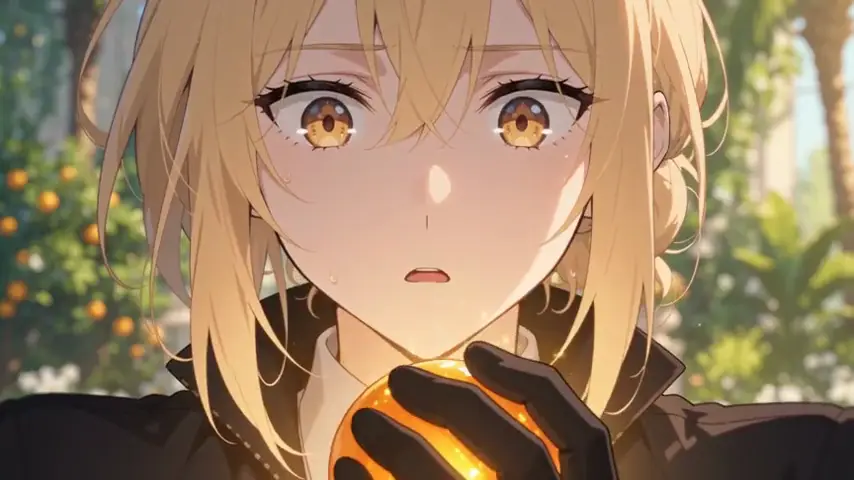
Turn your webtoon into an anime
Import the episode. The panels are cut out and become shots with your characters on model, in 16:9 or 9:16.
Webtoon to anime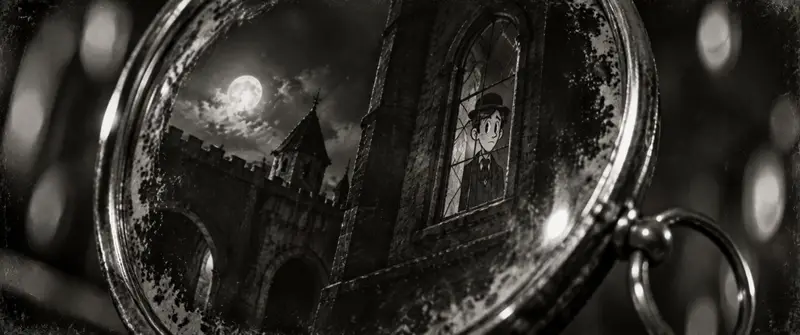
NovelStoryboard
Adapt a novel into scenes and shots
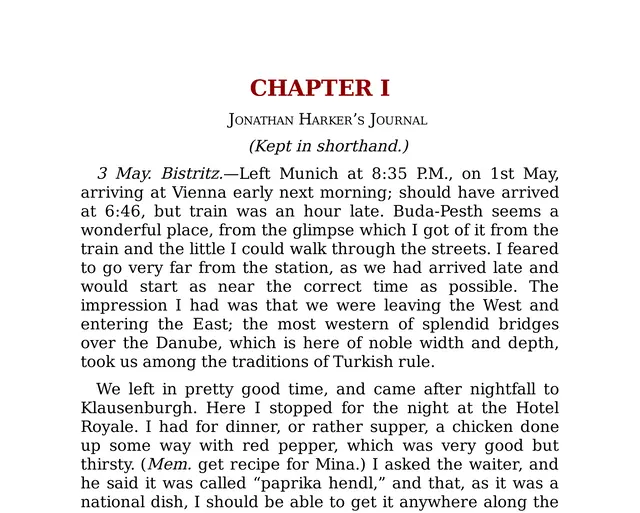
Give the book as a PDF. The assistant creates the cast and the places, writes the scenes, then cuts them into shots.
Novel to storyboard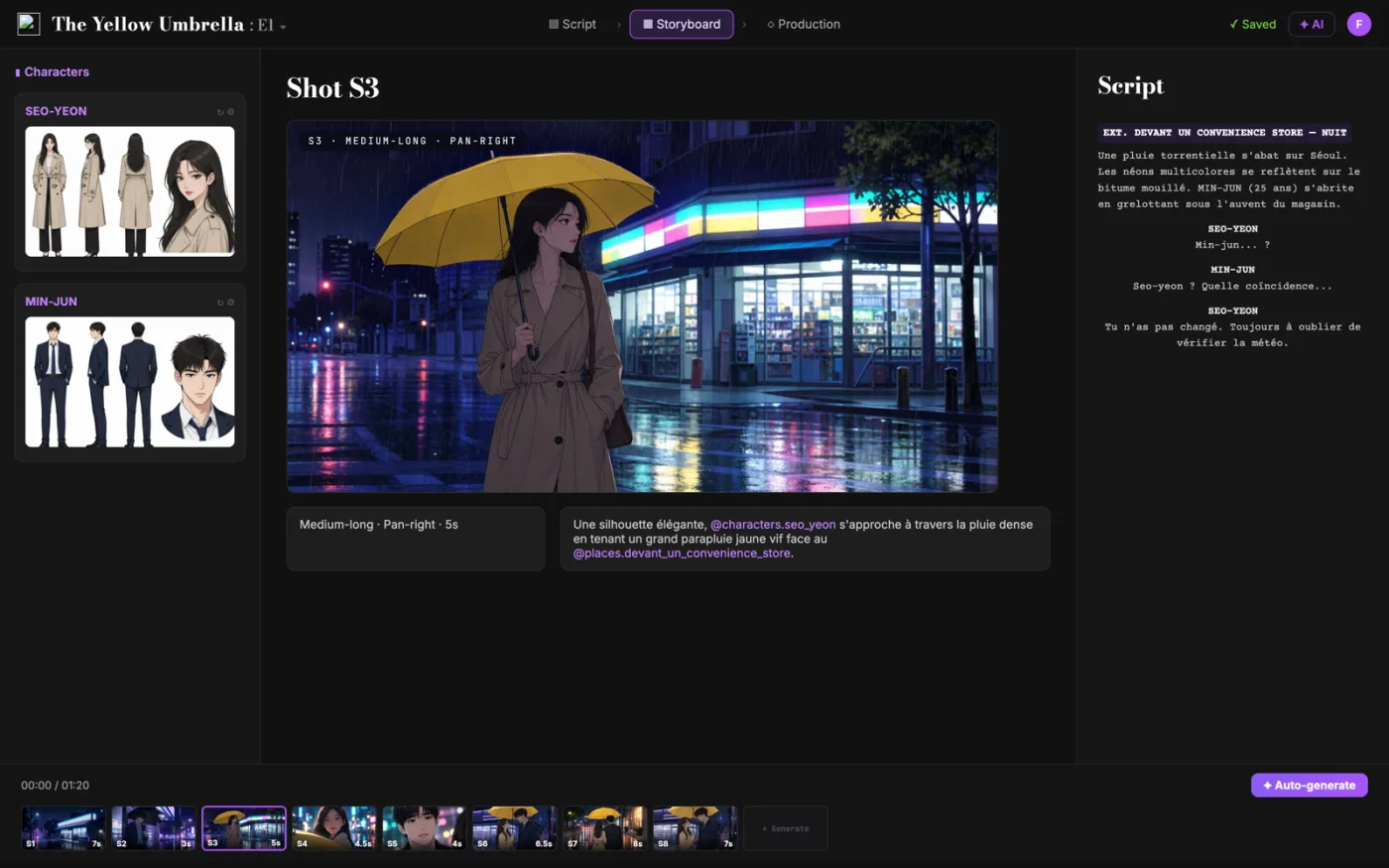
ScreenplayStoryboard
Storyboard your script
Import Final Draft, Fountain or a PDF. Each scene is broken into shots with framing, movement and duration.
Script to storyboard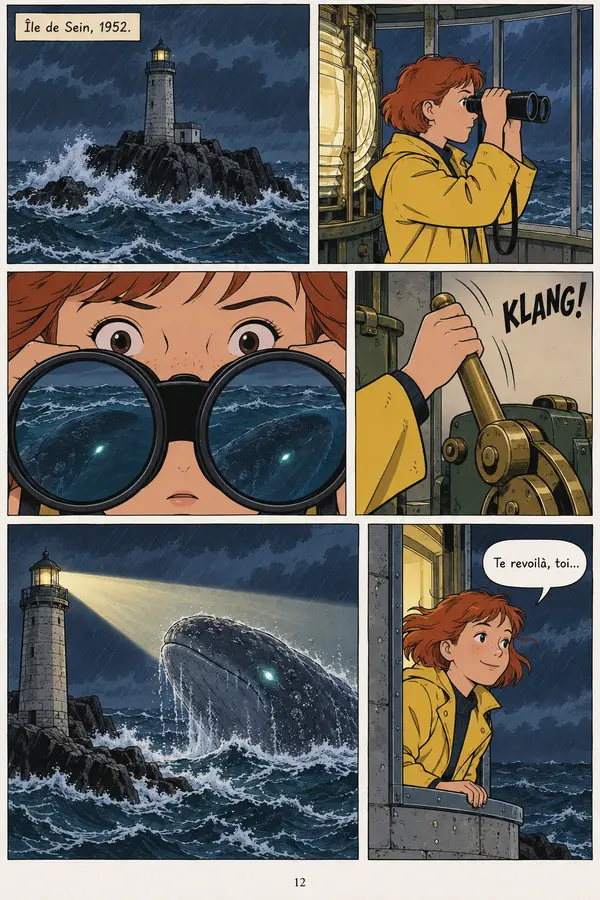
Comic · MangaAnimation
Bring a comic or a manga to the screen
Comic pages go in like webtoon pages: the panels are found, then turned into shots in reading order.
Comic to animation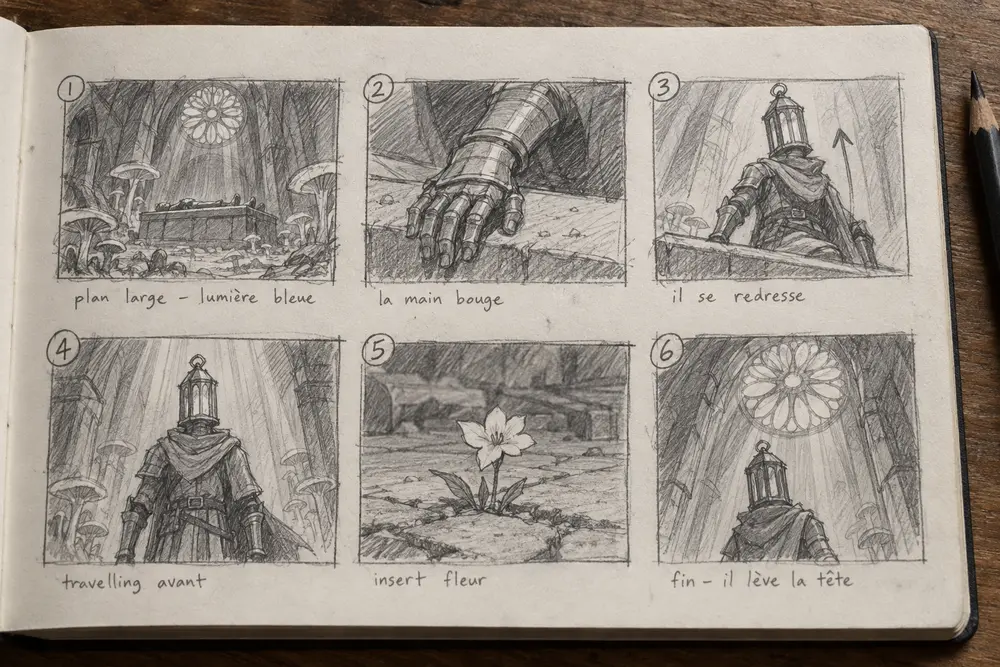
Sketches · NotesShots
Turn your boards and notes into shots
Photograph a notebook page or type a shot list. One page of six sketches became shots S14 to S19 of a scene.
See how with the MCPSomething else?
A play, a short story, a pitch, a treatment: if it can be read as text or seen as images, the assistant can work from it. Start a project and attach the file to your first request.
How it works
One pipeline, whatever the source.
- 01
Bring the source
A PDF, images, a Final Draft or Fountain file. A PDF with a text layer is read for free. Scanned pages and comic pages cost about one credit a page or less.
- 02
Build the story bible
The people, places and objects that come back become story elements, each with a description and a reference sheet.
- 03
Write the script
A novel is adapted into scenes and dialogue. A screenplay is imported as it is, with a preview before anything changes.
- 04
Cut the storyboard
Each scene becomes shots with an action, a framing, a camera movement and a duration. Panels and sketches are attached as references.
- 05
Generate the film
You generate the frames in Storyboard and the video in Production, with your credits. You decide what to spend.
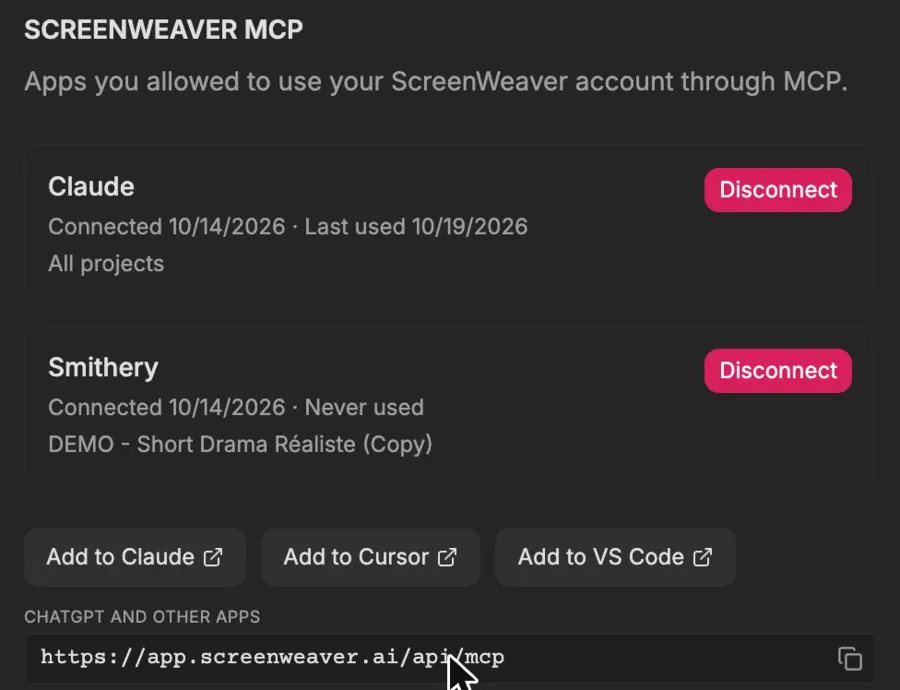
Steps 1 to 4 can be done by the assistant in the app, or by Claude or ChatGPT through the MCP. Step 5 is always yours: no generation starts from the MCP.
Case study · Public domain
Dracula: a whole novel, adapted in ScreenWeaver.
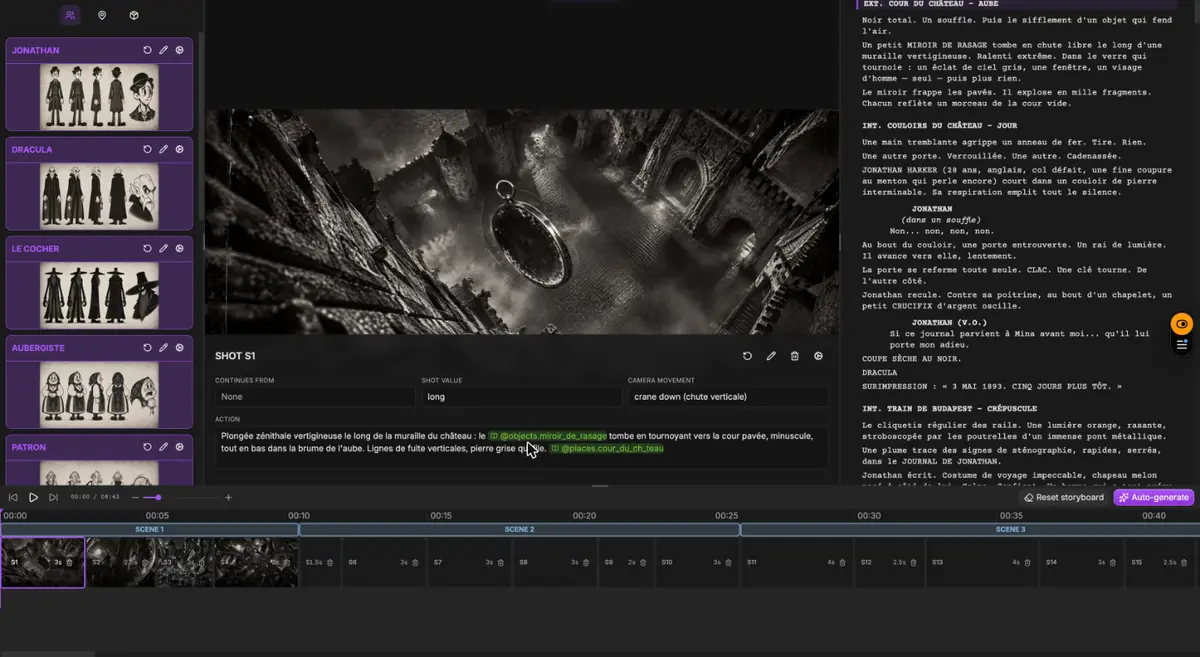
We gave Claude the PDF of Bram Stoker's 1897 novel. It read the book, created the characters, places and objects, wrote the adaptation and cut it into shots. The storyboard and the film were then generated in ScreenWeaver.
See the novel to storyboard page- Scenes
- 32
- Scenes
- Shots
- 177
- Shots
- Characters
- 11
- Characters
- Places
- 16
- Places
Claude, ChatGPT or the built-in assistant
Your assistant works inside the project.
- It asks before it spends or deletes, and every script edit is saved to History.
- It only opens the projects you allow when you connect it.
- The MCP comes with the Auteur and Studio plans.
Before you import
Adapt what you have the right to adapt.
An adaptation starts with the right to adapt. Check these points before you bring someone else's story into a project.
- Your own work is the simplest case: your webtoon, your novel, your script, your drawings.
- A work you do not own needs the written agreement of its author or rights holder, even for a fan project shared online.
- The public domain depends on the country. In the European Union, a work becomes free 70 years after its author's death.
- Work from the original text. A recent translation or a later film can be protected even when the book is free.
International festival-recognized films have been written and produced with ScreenWeaver.
ScreenWeaver is already being used as a creative workspace for real AI film productions, from animated shorts to short films nominated and awarded by international festivals.
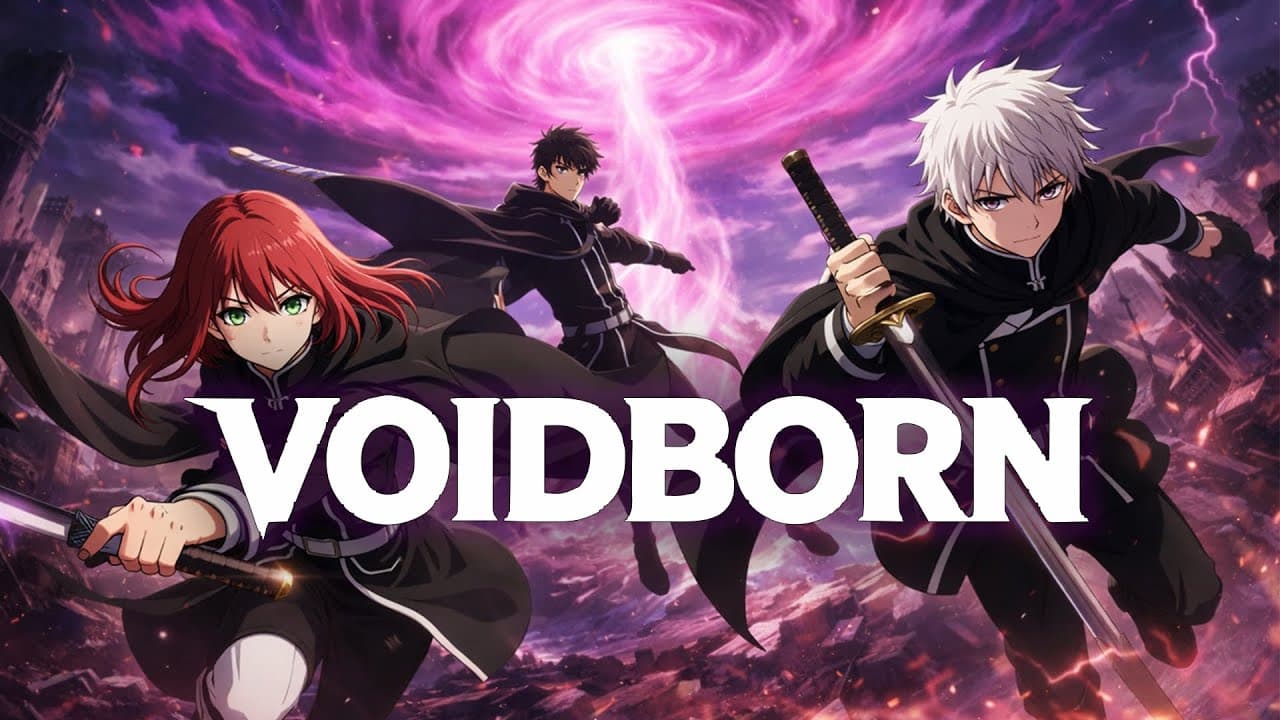
VOIDBORN
AI animated / cinematic short
Festival recognition
1st Place Silver
Mondial Chroma Awards
2nd Place Dreamina
Mondial Chroma Awards
Award Winner
Seoul International AI Film Festival
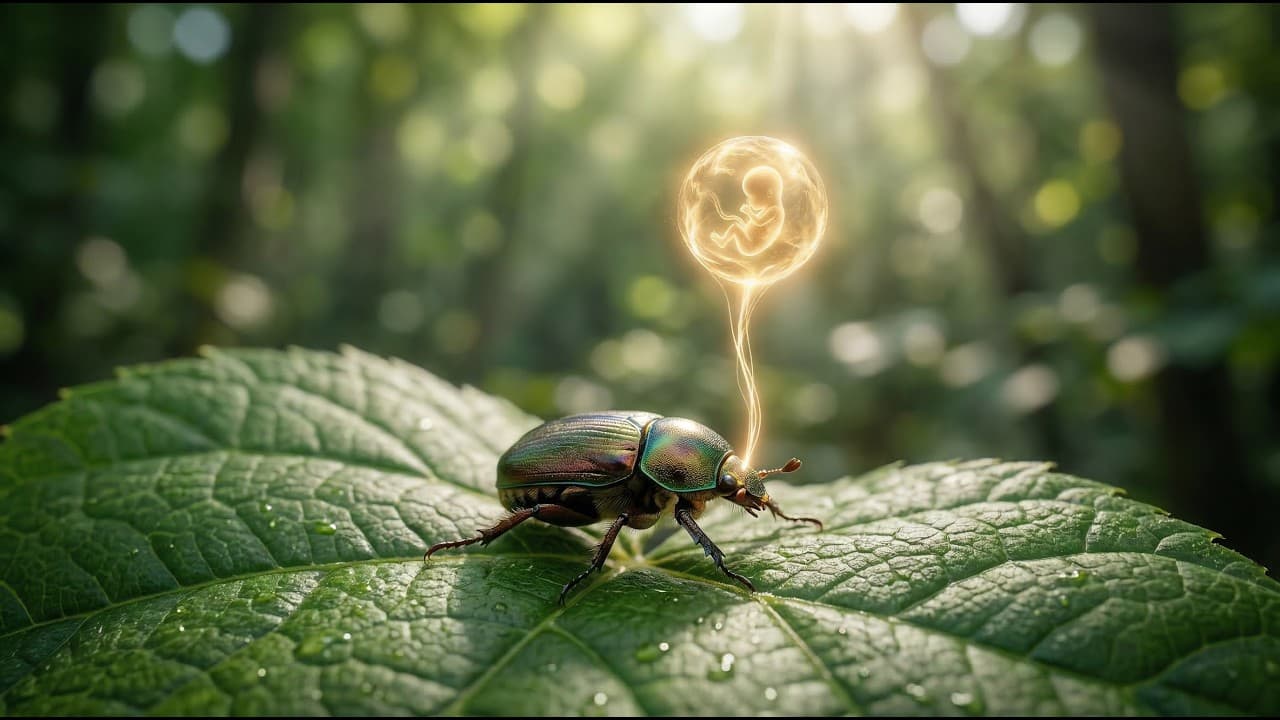
Les Fils du Vinnana
AI short film
Festival recognition
Honorable Mention
Top Quark Film Festival
People's Choice Nominee
Illuminate Oneness of Humanity
Nominee
ALTFF Supershort
Go further
Adaptation pages and guides
FAQ
AI adaptation questions
What is an AI adaptation studio?
What can I adapt?
Does it turn my book into a finished film in one click?
Do I need Claude or ChatGPT?
How much does it cost?
Do I need the rights to the story?
Is my manuscript used to train AI models?
Your story, as a screen project.
Film techniques
Film techniques to explore
Each one with a short clip, a screenplay excerpt and the shot list line.