Crane downDescending from the world to one detail
A crane down lowers the camera from high above a scene toward ground level, often ending close on a person or an object. The audience starts with the whole place and is set down exactly where the story begins.
Also calledDescending crane shotBoom downCrane-down move
Camera movement
Why it works on screen
It is an arrival shot. The descent says: out of everything here, this is what matters. It can open a film on a city and land on one doorway, bring a party scene down to a single hand, or drop from a rooftop to the person waiting on the street. It serves openings, entrances, suspense built on a small object, and the move from public to private. A scene earns it when the audience needs both the context and the detail, and when getting from one to the other in a single breath carries meaning.
The shot list line
- Size
- Extreme wide to close-up or medium
- Angle
- High angle descending to eye level
- Movement
- Crane down, tilting up as the arm lowers
- Lens
- 24mm to 40mm
- Duration
- 8 to 20 s
Plan the landing frame first and rehearse the descent so focus is pulled smoothly from the wide view to the final subject.
Screenplay
On the page
A spec script should not say "crane down". Write the scene from the widest view to the smallest, ending on the detail that matters: the whole port, the ferry, the man on the dock, the ticket in his hand. That order suggests a descent without naming it. Save it for openings and key discoveries. If you direct your own script, note the start height, the landing frame and the timing in the shot list.
EXT. KARAKÖY FERRY PIER, ISTANBUL - DUSK
The Bosphorus, crowded with ferries, gulls and mosque silhouettes.
One ferry noses into the pier and its gangway clangs down.
A crowd pours off. Among them, not moving, stands KEMAL ARSLAN (70s, flat cap, overcoat too warm for the season).
In his hand, a paper ticket, soft from being folded for fifty years.
He checks the name on it one more time.
Storyboard
In the storyboard
Draw the starting panel from high above, showing the whole place with a small circle around the landing subject. Draw the ending panel at eye level or close on that subject. Between them, sketch a side view of the crane with a curved arrow descending, labeled CRANE DOWN, and a small arrow for the tilt up. Note heights, the focus pull, the duration and the action that should happen as the camera lands.
Pairs well with
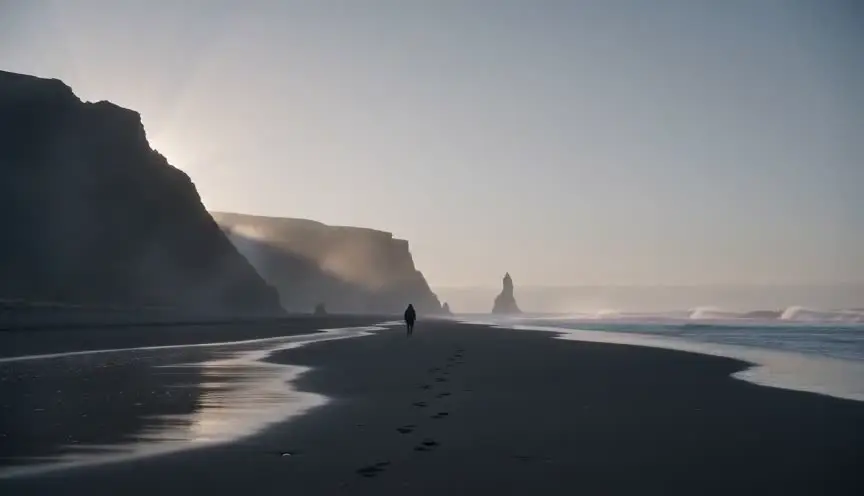
A crane down often begins as an establishing shot. Holding the high wide view for a beat before the descent lets the audience take in the place before the camera chooses a person.
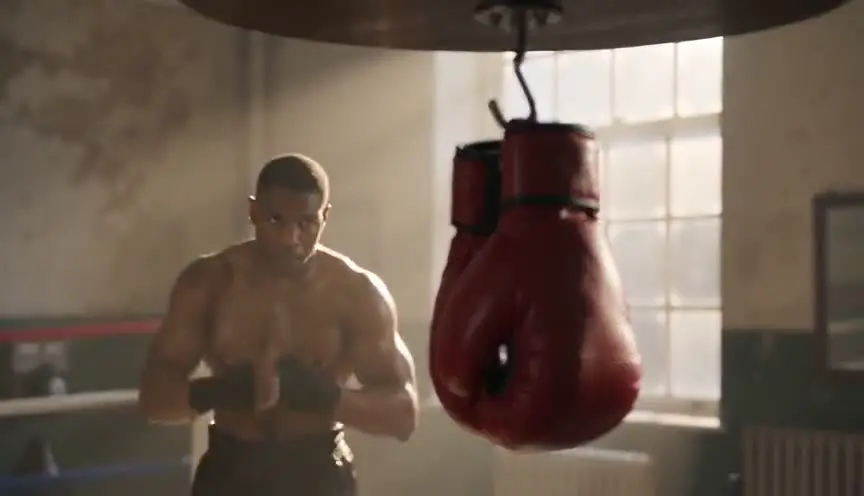
At the bottom of the descent, a rack focus from the character to the object they hold, or the reverse, finishes the journey from wide to specific with one more precise shift.
Reference
Watch it in
Notorious (1946)
The camera drops from high over a grand party to the key clenched in Ingrid Bergman's hand, pinning the whole suspense to one small object.
Boogie Nights (1997)
The film opens high on a neon club sign and comes down to the street before gliding inside through the crowd on the dance floor.
ScreenWeaver
Set it up in ScreenWeaver
Write the scene from the widest view down to the detail in your screenplay, and ScreenWeaver breaks it down into shots automatically. Open the opening shot, set the framing to start wide from a high angle, choose a crane down as the movement and give it a long duration. Characters, locations and props carry from shot to shot, so the object you land on stays consistent through the scene. Check the landing in the AI previsualization.
Start writing for freeThe prompt behind this clip
This is the exact prompt that rendered the clip at the top of the page. Keep the description of the camera and the light, change the subject and the place.
Crane down: the camera starts high above a sunflower field at golden hour, showing rows of yellow blooms stretching to the horizon, then descends smoothly on a vertical arc over four seconds while tilting down to keep a woman in her thirties centered as she walks between the rows. The camera settles at eye level as she looks up toward the light, wide lens keeping her face sharp and the field soft behind her. The horizon stays level, the motion is continuous and even, no cuts. No text.
Common mistakes
- 01
Landing on nothing
A descent that ends on an ordinary frame wastes its build. The landing must reveal the person or object the scene is about. Frame it first, then design the move backward.
- 02
Soft focus at the bottom
The subject distance changes a lot during a crane down. Without a planned focus pull, the final close frame is soft. Mark distances and rehearse with the focus puller.
- 03
Starting too high
If the start frame is so wide the audience cannot find the subject, the descent feels random. Include a visual cue, a color, a light, a movement, that points to the landing spot.