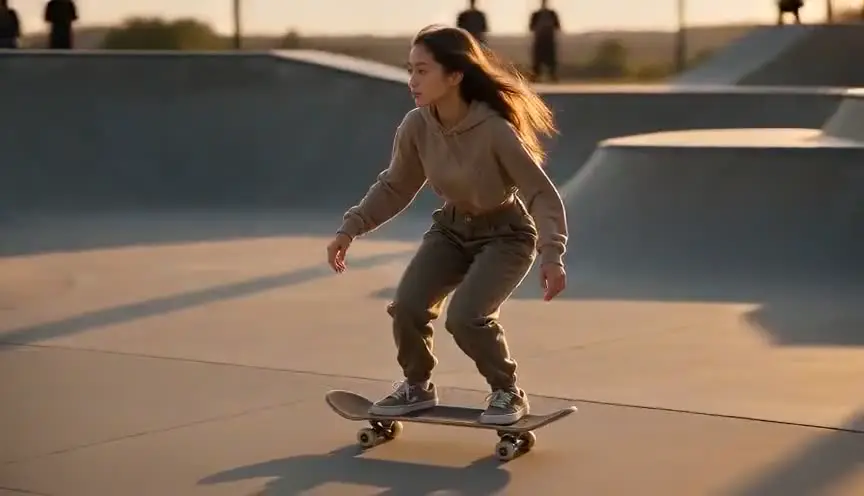
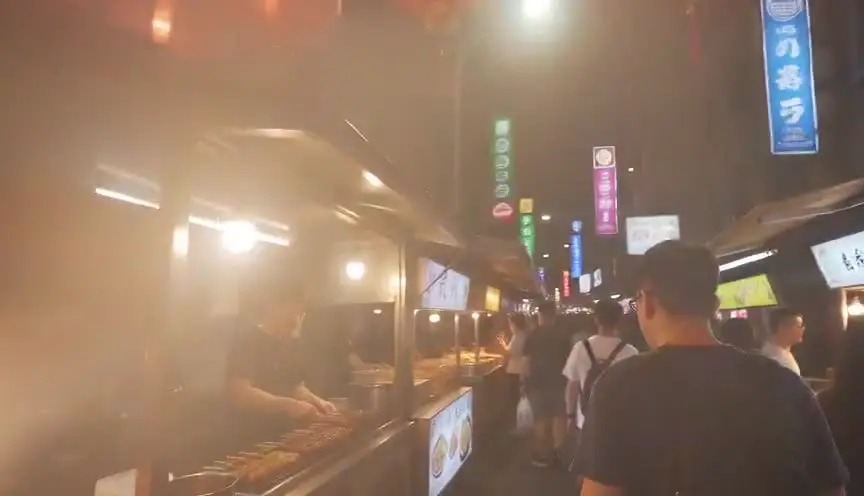
Invisible cutOne take, stitched in secret
An invisible cut hides an edit inside a movement, a dark surface, a whip pan or a passing object, so two shots feel like one continuous take. The audience stays immersed and believes the camera never stopped.
Also calledHidden cutSeamless cutDisguised cutConcealed edit
Editing and transitions
Why it works on screen
The hidden cut serves immersion and pressure. It lets a story unfold in apparent real time, following a character through a crowded kitchen, a battlefield or a party without letting the audience escape. It creates the feeling that nothing is skipped and nothing can be avoided. It can also join locations or times invisibly, turning a walk down a corridor into a leap across years. A scene earns it when continuity itself is the point: tension that must not break, a performance that builds, a journey that must feel unbroken. The craft is in planning where the stitches go.
The shot list line
- Size
- Medium and full shots following the subject
- Angle
- Eye level, moving with the character
- Movement
- Steadicam or gimbal, continuous
- Lens
- Wide or normal lens, 24mm to 35mm
- Duration
- 30 s to several minutes per stitched section
Plan each hidden cut on a frame that fills with a dark or uniform surface, and match speed, direction and exposure on both sides.
Screenplay
On the page
Do not write invisible cuts into a spec script. What the writer can do is design scenes that flow: continuous movement through spaces, characters handing off the focus, one action leading into the next. If the whole film is meant to feel like one take, a note on the title page or in the first scene can signal it. The exact position of every hidden cut belongs in the shot list and the storyboard, planned with the director and the editor.
INT. BRASSERIE KITCHEN - LYON - FRIDAY NIGHT SERVICE
Head chef ODILE MARCHAND (50s, burn scars on both forearms) shouts orders as she walks the line.
She passes the grill, grabs a pan from the new commis, THÉO (19), tastes, spits, hands it back.
She pushes through the swinging door into the walk-in fridge. Darkness, cold breath.
She steps out the other side into the dining room, calm, smiling at a table of four.
Storyboard
In the storyboard
Draw a floor plan of the route with the camera path as a line, and mark each hidden cut with a small scissors icon at the point where it happens: a wall, a door, a passing body. Then draw the frame just before and just after each cut, showing the matching surface. Note speed, focus and light at each join. Number the sections so the crew knows which take each part comes from.
Pairs well with
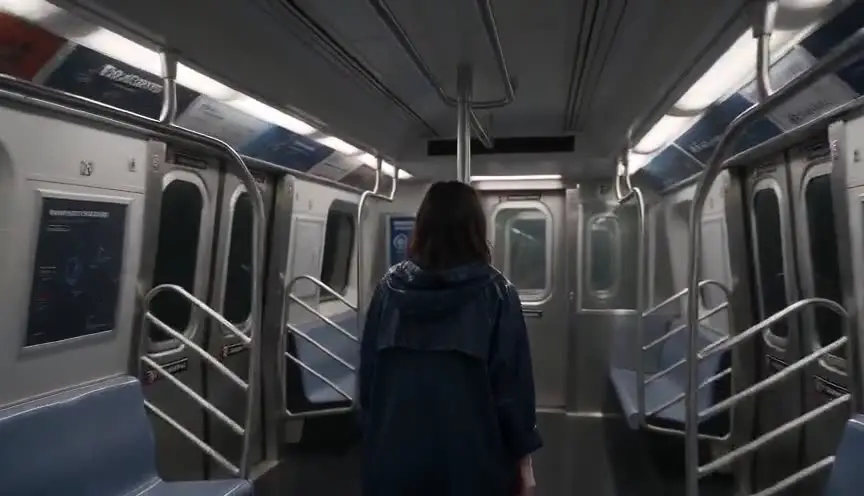
Steadicam carries the continuous feel that invisible cuts rely on. Its smooth motion hides the joins and makes the audience accept one long take.
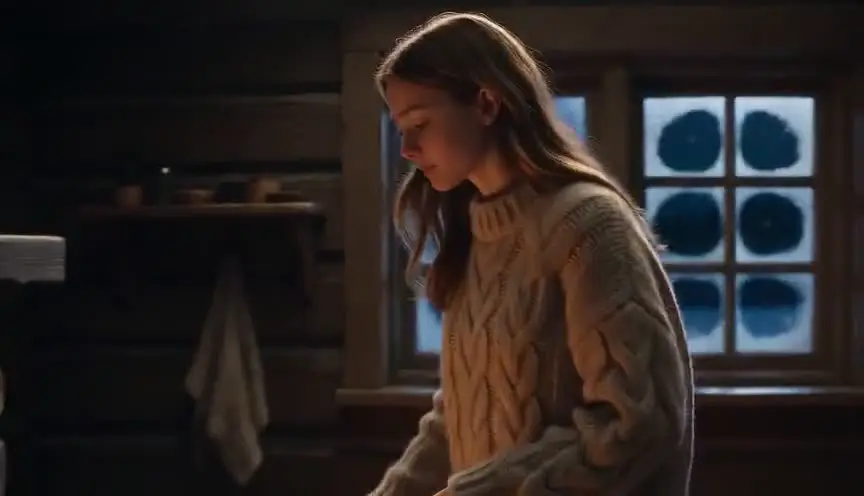
True long takes between the hidden cuts provide stretches of real continuity. The invisible cuts then connect them without breaking the illusion.
Reference
Watch it in
Birdman (2014)
Long takes are sewn together through whip pans, dim hallways and passing bodies, so the whole film seems to be one unbroken shot.
Rope (1948)
Hitchcock hid reel changes by moving the camera into an actor's back or a dark surface, keeping the action seemingly continuous.
1917 (2019)
The film's one-shot illusion depends on cuts buried in tunnels, darkness and movement across the frame.
ScreenWeaver
Set it up in ScreenWeaver
Write your continuous scene with clear movement through spaces, and ScreenWeaver breaks it down into shots automatically. In the storyboard, give each section a moving camera, such as a tracking or Steadicam move, and set the last frame of one shot and the first of the next to the same framing on a dark or uniform surface. Characters and locations carry from shot to shot. Play the sections back to back in the AI previsualization to see whether the joins read.
Start writing for freeThe prompt behind this clip
This is the exact prompt that rendered the clip at the top of the page. Keep the description of the camera and the light, change the subject and the place.
Invisible cut on an Icelandic black sand beach, overcast light and steady onshore wind. Shot one: tracking behind a man in a dark coat walking along the shoreline, camera dollying at his pace, waves breaking on his left, until a large black volcanic boulder fills the entire frame. Shot two: as the boulder clears, the same man continues walking at the identical pace from a slightly different angle, same wind, same overcast light, no change in speed or direction, so the join hides inside the boulder and the walk reads as one unbroken shot. No text.
Common mistakes
- 01
Speed mismatch
If the camera moves faster after the hidden cut, the audience feels a bump. Rehearse and time both sides so the speed carries exactly.
- 02
Exposure jump
A change in brightness or color at the join reveals it. Keep light and exposure identical at the stitch point, or hide the cut in total darkness.
- 03
Cutting in the wrong place
A hidden cut on a face or in the middle of dialogue is hard to disguise. Choose moments of transition: doors, corners, passing objects.