Kaleidoscope effectOne world, mirrored into many
A kaleidoscope effect splits the image into mirrored segments that repeat around a center, often rotating, so a single scene becomes a symmetrical pattern. The audience feels normal space dissolve into something hypnotic, mystical or unhinged.
Also calledMirror effectPrism effectKaleidoscopic shotMirror-tunnel effect
Optical effects
Why it works on screen
Use it when a character's perception breaks away from reality. The effect suits intoxication, visions, spiritual awakenings, madness and magic that bends the world. It can also show a divided identity, a person repeated into many selves, or a city folding in on itself. It serves wonder, confusion, ecstasy and dread. A scene earns it when the audience should lose their bearings together with the character, for a short burst. As decoration for a music moment with no story reason, it looks like a stage visual. Give it a clear entry and exit so the audience knows when the altered state begins and ends.
The shot list line
- Size
- Medium shot or close-up, often a POV
- Angle
- Eye level or looking up
- Movement
- Static camera with a rotating prism, or a slow rotation
- Lens
- 50mm with a prism filter, or effect in post
- Duration
- 3 to 6 s
Center the key subject exactly on the axis of the prism or the digital mirror, so the pattern forms around it and stays readable.
Screenplay
On the page
Keep the term out of a spec script. Write the experience: the ceiling splits into a dozen mirrored faces, the street folds over itself like paper. That tells the director the scene is subjective and strange. One or two lines are enough, then return to action and dialogue. Whether the effect comes from a prism on the lens, mirrors on set or a digital process, and how many segments and how fast it rotates, belong in the shot list.
INT. TEMPLE COURTYARD, VARANASI - DAWN
PRIYA NAIR (24, backpack, bare feet on the cold stone) sits among the pilgrims, dizzy from the fast.
The bells start. The incense thickens.
She looks up at the carved ceiling, and it multiplies: six ceilings, twelve, turning slowly around a single point of light.
She grips the stone floor with both hands.
An OLD WOMAN beside her puts a sweet in her palm without a word.
Storyboard
In the storyboard
Draw a circle or square divided into equal wedges, six or eight, and repeat a simplified version of the subject in each wedge, mirrored. Mark the center point clearly. Add a curved arrow for rotation, with the direction and speed noted. Draw the normal frame in a smaller panel beside it, so everyone sees the source image, and note the entry and exit of the effect.
Pairs well with
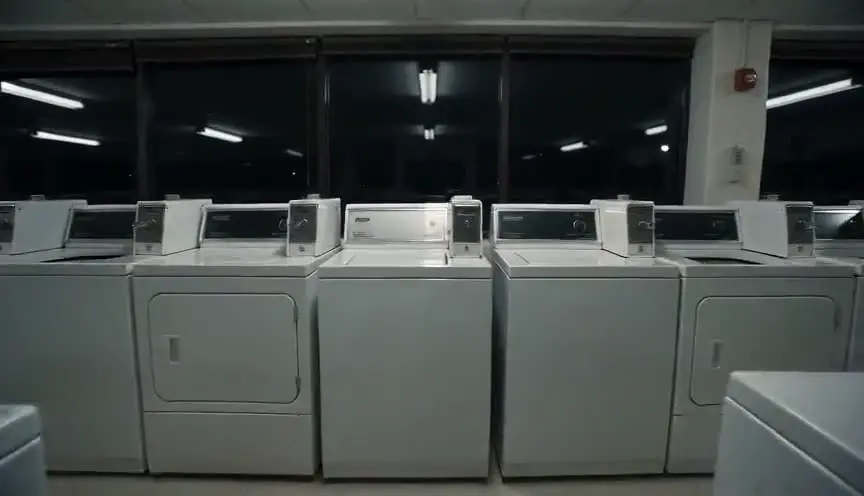
The kaleidoscope usually shows how one character perceives the world. Framing it as a POV after a shot of their face makes the altered state clearly theirs.
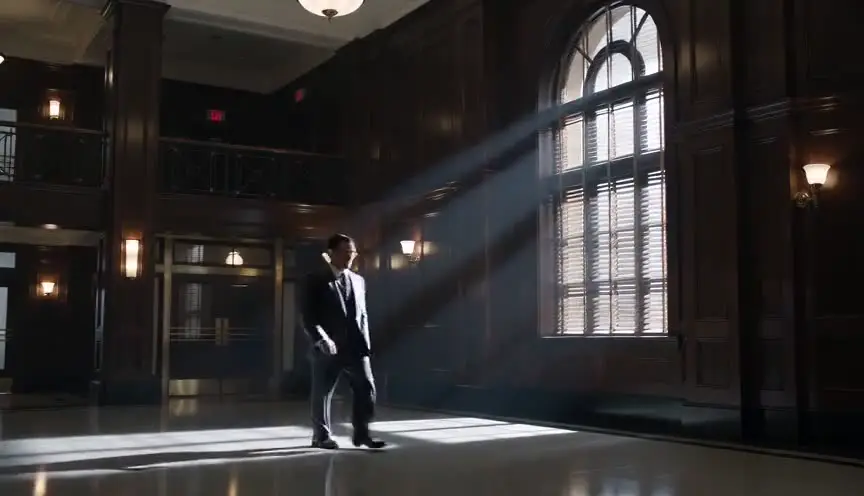
Hard light gives the mirrored pattern crisp edges and strong contrast, so the repeated shapes stay sharp and graphic instead of turning into soft mush.
Reference
Watch it in
Enter the Void (2009)
Mirrored, pulsing patterns of light fill the trip and out-of-body passages, so the screen itself seems to dissolve with the hero's mind.
Doctor Strange (2016)
In the Mirror Dimension, buildings and streets fold and repeat in symmetrical patterns while characters fight across them.
ScreenWeaver
Set it up in ScreenWeaver
Write the altered perception in your screenplay, and ScreenWeaver breaks the scene into shots automatically. Open the effect shot, set a medium or close framing, an eye-level or upward angle, a static or slow rotating movement and a duration of three to six seconds, and note the kaleidoscope treatment in the shot description. Characters and locations carry from shot to shot, so the mirrored ceiling matches the real one. Use the AI previsualization to place the entry and the exit.
Start writing for freeThe prompt behind this clip
This is the exact prompt that rendered the clip at the top of the page. Keep the description of the camera and the light, change the subject and the place.
Kaleidoscope effect: a locked-off camera in a recording studio films a saxophonist through a rotating six-way mirror prism attachment mounted on the lens, splitting the frame into six identical, mirrored triangular segments that meet at a bright center point. As the prism rotates slowly clockwise over four seconds, the reflected fragments of the musician, the studio's foam panels and a hanging microphone spin in unison around the fixed center, staying sharp and perfectly symmetrical while the underlying scene itself never moves. No text.
Common mistakes
- 01
Subject off center
If the key element is not on the axis, the pattern hides it and the image becomes noise. Center it precisely, or choose a symmetrical subject.
- 02
No return to reality
Without a clear exit, the audience does not know if the altered state continues. Cut back to a normal shot, or show the character's reaction.
- 03
Too many segments
Twelve or more wedges on a busy background produce visual chaos. Start with fewer segments and simple shapes, then add complexity only if needed.