Three-quarter angleThe angle faces are made for
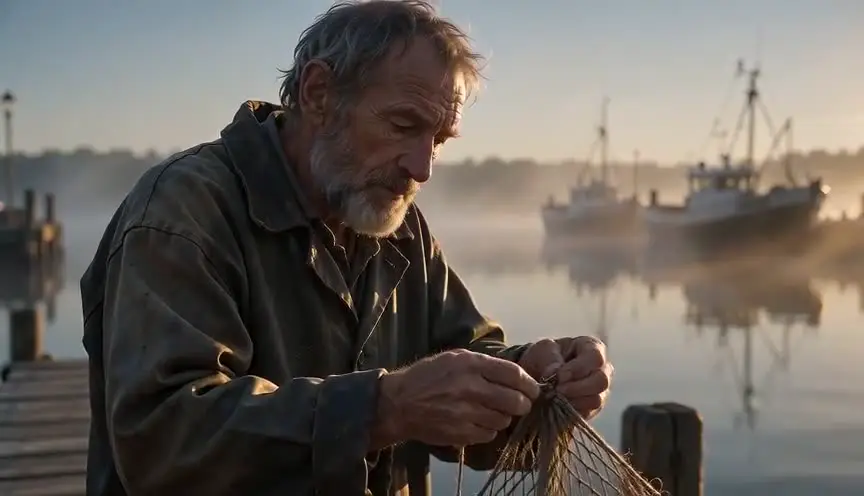
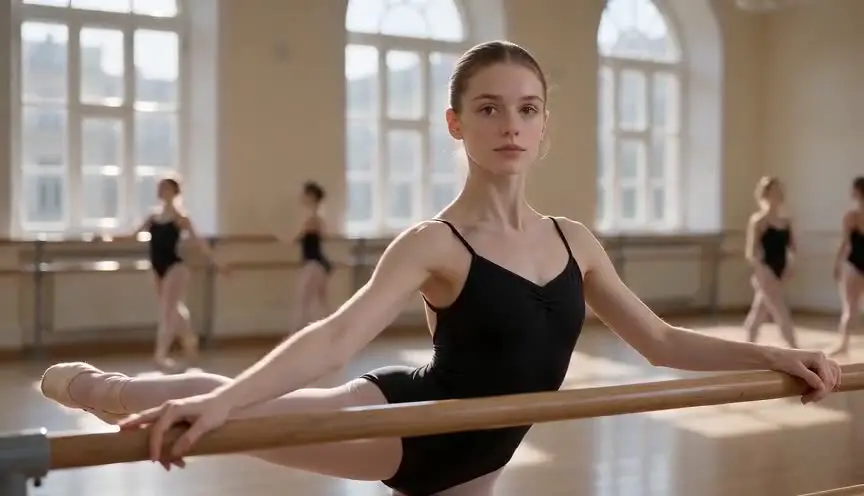
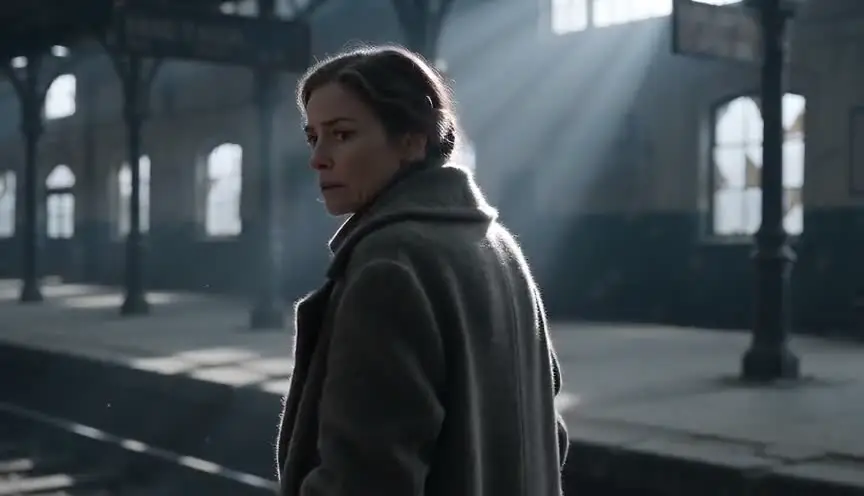
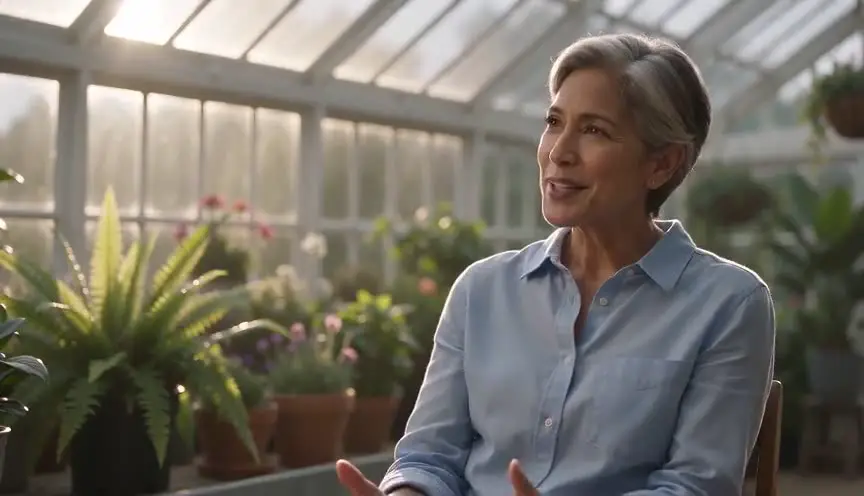
A three-quarter angle turns the subject about 45 degrees from the lens, halfway between a frontal view and a profile. We see both eyes and the shape of the face at once, which makes the character feel present, dimensional and easy to read.
Also called3/4 angle45-degree angleTwo-thirds view
Camera angles
Why it works on screen
Most memorable faces on screen are seen from three-quarters, because the angle shows expression and volume together. The near side of the face tells us what a character shows, the far side, often in shadow, hints at what they hide. It serves conversation, persuasion, doubt and quiet authority. Portrait painters used it for centuries for the same reason. A scene earns a carefully chosen three-quarter angle when we must read a character's thought as they listen or lie, and when the light can shape one side of the face differently from the other.
The shot list line
- Size
- Medium close-up
- Angle
- Eye level, face turned about 45 degrees from the lens
- Movement
- Static, or a slow drift
- Lens
- 50mm to 85mm
- Duration
- 3 to 8 s
Set the actor's eyeline just past the lens on the open side, so both eyes stay visible and the far cheek falls toward the key light's shadow.
Screenplay
On the page
Nothing in a spec script needs to call for a three-quarter angle. It is the natural result of good blocking: characters who face each other slightly, look toward a window, or speak to someone just off to one side. Write where people sit and what they look at, and the angle follows. If the far side of a face in shadow matters, write the light source. The degree of turn and the lens go in the shot list.
INT. TOWN HALL, SMALL TOWN IN ALENTEJO - NIGHT
MAYOR CONCEIÇÃO BRAGA (50s) rehearses her speech at an old mirror. Her aide, TIAGO (20s), sits on a desk behind her, reading from a tablet.
She turns halfway from the mirror to face him, one hand still on the frame.
TIAGO
They will ask about the reservoir.
CONCEIÇÃO
Then I will answer about the school.
Storyboard
In the storyboard
Draw the face turned halfway from the viewer: both eyes visible, the far eye slightly smaller, the nose breaking the line of the far cheek. Shade the far side if the light calls for it. Add an overhead sketch with the camera, the face and a 45-degree arc between them, plus the key light position. Mark the eyeline with an arrow to the off-screen partner and note which side of the lens they look past.
Pairs well with
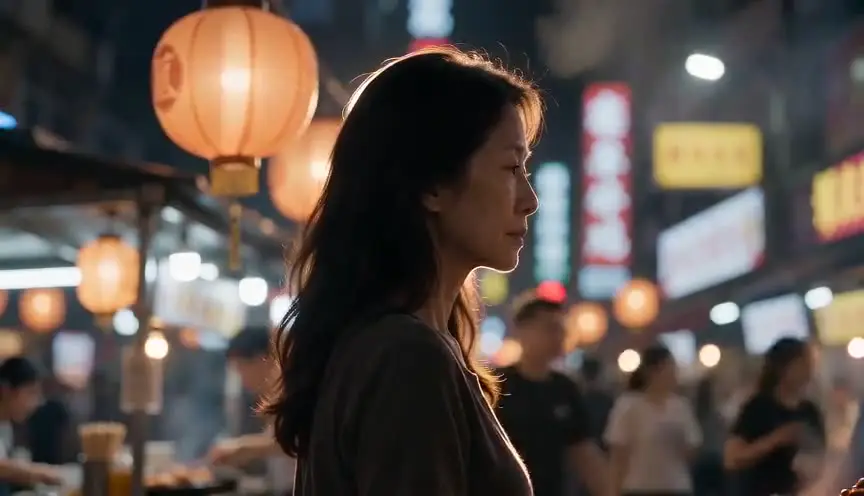
Start the character in profile, closed and turned away, then let them turn into a three-quarter angle as they engage. The rotation becomes the character opening up to the scene.
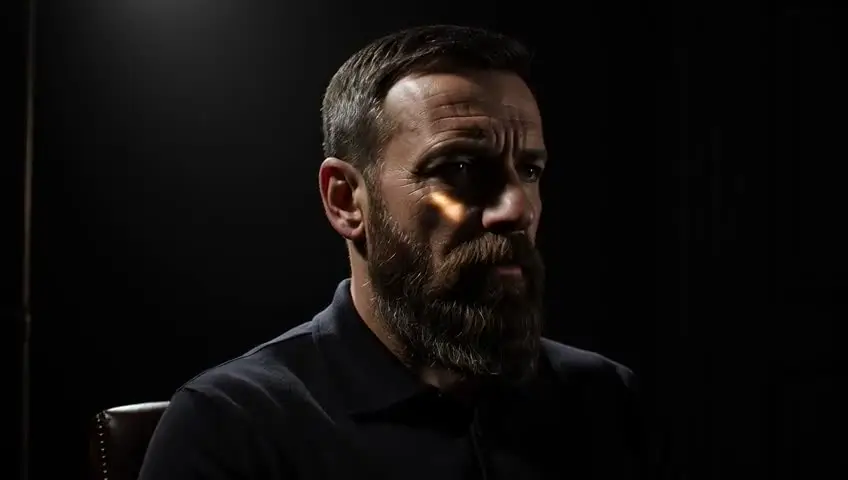
The three-quarter view is where Rembrandt lighting works best. A high key on the near side leaves a small lit triangle on the far cheek and adds weight and mystery to the face.
Reference
Watch it in
Citizen Kane (1941)
Gregg Toland often turns Kane three-quarters with the far side of his face in darkness, hinting at motives hidden behind his public image.
The Thin Blue Line (1988)
Errol Morris places his interviewees slightly off-axis rather than frontal, keeping them present for us without having them stare into the lens.
ScreenWeaver
Set it up in ScreenWeaver
Block your characters in the action lines, and ScreenWeaver breaks the scene down into shots automatically. Open each shot on a face, set the framing to a medium close-up, choose an eye level angle with the face turned three-quarters, keep the movement static or a slow drift, and give it three to eight seconds. The characters and the location carry from shot to shot, so the light side stays consistent. Use the AI previsualization to check that eyelines match across the cuts.
Start writing for freeThe prompt behind this clip
This is the exact prompt that rendered the clip at the top of the page. Keep the description of the camera and the light, change the subject and the place.
Three-quarter angle shot of a middle-aged woman standing by a frosted window inside a snowy mountain cabin, camera locked off at a 45-degree angle to her face, favoring her left side while her right cheek recedes into soft shadow. Warm firelight from an unseen hearth rakes across her features, and cold blue daylight spills through the window on the far side, mixing warm and cool tones on her skin. She turns her head slightly toward the window, keeping both eyes visible to the lens as snow drifts silently outside. The camera holds perfectly still for the full four seconds. No text.
Common mistakes
- 01
Nose over the far eye
If the face turns too far, the nose crosses the far eye and cuts it off. Turn the actor back a little until both eyes read clearly.
- 02
Lighting the wrong side
Lighting the near side flattens the face, since the camera sees mostly lit skin. Light from the far side for short lighting, which sculpts the face better.
- 03
Mismatched turns
In shot-reverse-shot, one actor at 45 degrees and the other nearly frontal makes the scene uneven. Match the turn on both sides unless you want to stress a difference.