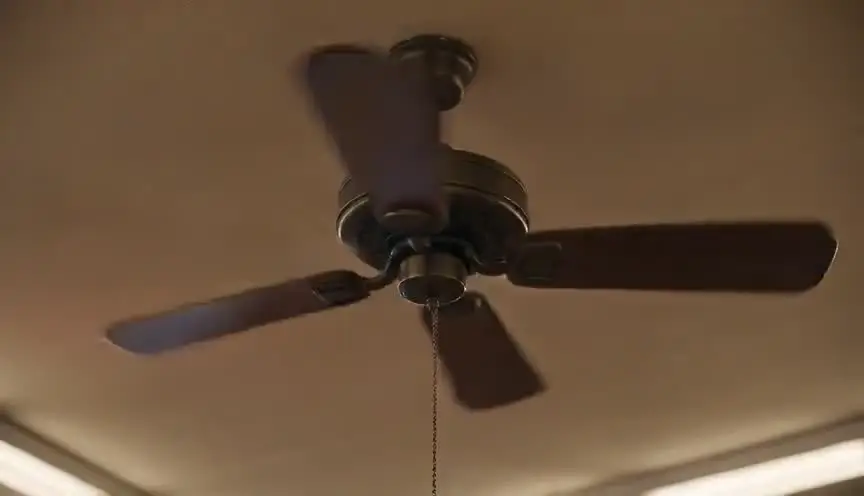
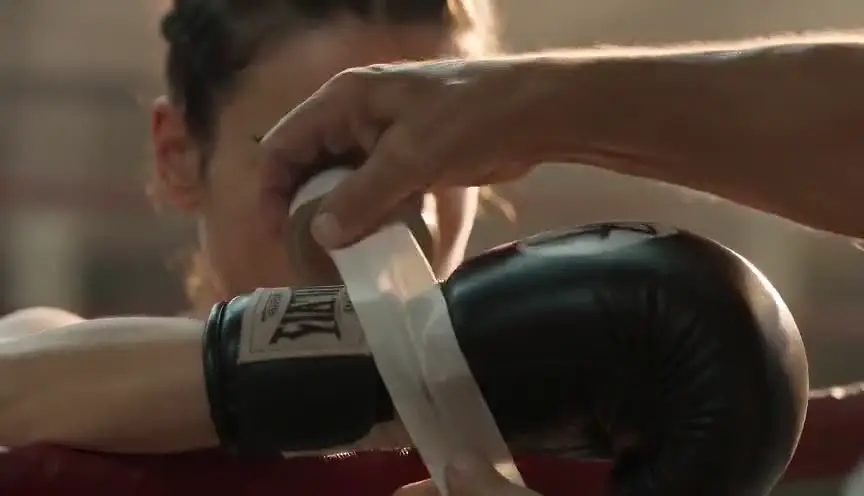
DissolveOne image melting into the next
A dissolve fades one shot out while the next fades in, so for a moment both images share the screen. The audience feels a gentle passage of time or a link between the two, softer than a cut.
Also calledCross dissolveCrossfadeLap dissolve
Editing and transitions
Why it works on screen
The dissolve slows the story's breath. It suits the passing of hours, seasons or years, the drift into a memory or a dream, and the sense that two places or people are connected. In the overlap, the images comment on each other: a face over a landscape, an empty chair over a crowded table. It serves melancholy, tenderness, reflection and the weight of time. A scene earns it when the story wants the audience to feel duration and continuity rather than a jump. A long dissolve lingers and mourns, a short one keeps pace while still softening the change.
The shot list line
- Size
- Wide or medium shots on both sides
- Angle
- Similar angle to help the overlap read
- Movement
- Static or slow, matching direction if moving
- Lens
- Similar focal lengths on both shots
- Duration
- 1 to 3 s for the dissolve itself
Compose both shots with the overlap in mind, so bright and dark areas of each image complement rather than muddy each other.
Screenplay
On the page
"DISSOLVE TO:" is an accepted transition, but modern spec scripts use it rarely. Keep it for real passages of time or shifts into memory, where the softer link is part of the story's meaning, and use it a handful of times in a feature at most. Often a scene heading with LATER or a year does the same work. The length of the dissolve and the exact overlap are for the editor, listed in the shot list or the editing notes.
EXT. RICE TERRACES - SA PA, VIETNAM - DAWN
Old BÀ LAN (80s, conical hat) stands at the edge of a terrace, looking at the mist below.
DISSOLVE TO:
EXT. RICE TERRACES - SA PA - DAWN (1962)
The same terrace, greener, fuller. A girl of twelve, LAN, runs along the dyke, a basket bouncing on her back, laughing at a buffalo that will not move.
Her grandmother calls her name from far away.
Storyboard
In the storyboard
Draw the outgoing and incoming panels, then a third panel between them showing both images overlaid with light hatching. Write DISSOLVE and its length in seconds or frames between the panels. Mark any elements meant to line up in the overlap, such as a face over a landscape. Note the time or place change under each panel so the reason for the dissolve is clear.
Pairs well with
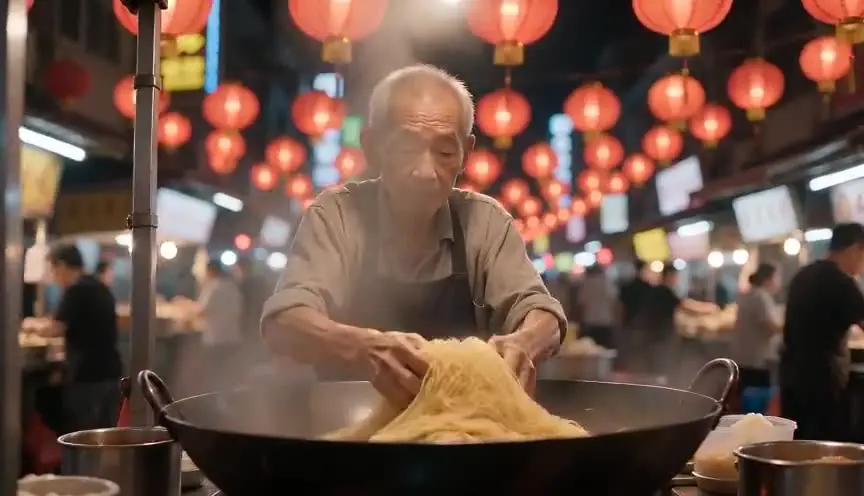
A slow push toward a face before the dissolve draws the audience into the character's thoughts. The dissolve then opens onto the memory or dream that face is holding.
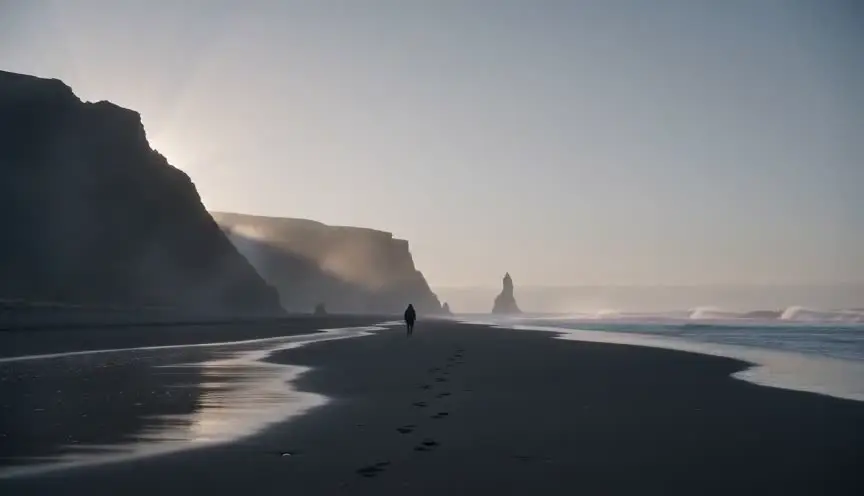
After a dissolve into a new time, an establishing shot sets the era and place firmly, so the softness of the transition does not leave the audience confused.
Reference
Watch it in
Citizen Kane (1941)
A chain of dissolves turns breakfast scenes into a short history of Kane's marriage, the couple drifting apart across the same table.
Apocalypse Now (1979)
The ceiling fan above Willard slowly dissolves into helicopter blades, blending his hotel room with the jungle war in his head.
ScreenWeaver
Set it up in ScreenWeaver
Write DISSOLVE TO: between the two scenes in your screenplay, and ScreenWeaver breaks them down into shots automatically. In the storyboard, give the last shot of the first scene and the first shot of the second similar framings and angles, a static or slow movement, and durations long enough to allow an overlap. Characters and locations carry from shot to shot, so the older and younger versions stay coherent. Play them together in the AI previsualization to judge the rhythm.
Start writing for freeThe prompt behind this clip
This is the exact prompt that rendered the clip at the top of the page. Keep the description of the camera and the light, change the subject and the place.
Dissolve: in a Moroccan riad courtyard, shot one shows a young woman in flowing linen clothing sitting cross-legged beside a tiled fountain at midday, hard sunlight on the blue and white zellige tiles. Over roughly two seconds this image gradually crossfades into shot two, the same courtyard now lit by warm hanging lanterns at dusk, an older man in a wool djellaba pouring tea beside the same fountain, camera position and framing held identical so the fountain and tile pattern stay aligned as the two images blend smoothly into one another. No text.
Common mistakes
- 01
Dissolving everything
Using dissolves between every scene makes a film feel slow and dated. Keep them for real shifts in time, memory or feeling, and use cuts elsewhere.
- 02
Muddy overlaps
Two busy, bright images on top of each other become gray mush. Plan contrast so dark areas of one image let the other show through clearly.
- 03
Dissolving to hide problems
Using a dissolve to cover a continuity error or a weak scene draws attention to the join. Fix the scene instead, or use a clean cut.