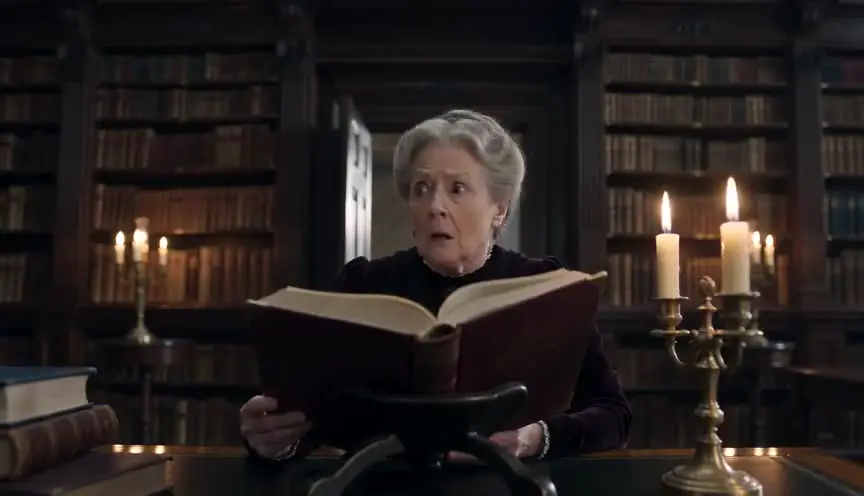
Match cutTwo images, one idea
A match cut joins two shots that share a shape, a movement or a sound, so the eye carries straight across the edit into a new time or place. The audience feels a connection between the two images before they can explain it.
Also calledMatch cuttingMatched cut
Editing and transitions
Why it works on screen
Use it when the story needs to jump and say something about the jump. A match cut can skip years, cross continents or leap from a memory to the present, and the shared element tells the audience how to read the link: this became that, this caused that, this rhymes with that. It serves transitions, irony, fate and the passage of time. A scene earns it when both images already matter to the story, so the connection carries meaning rather than cleverness. The best ones feel inevitable the second time you watch, as if the film had been heading there from the start.
The shot list line
- Size
- Close-up on both sides of the cut
- Angle
- Same angle in both shots (overhead or eye level)
- Movement
- Static, or identical motion direction and speed in both shots
- Lens
- Same focal length for both shots, 50mm for example
- Duration
- 2 to 4 s per shot
Shoot both halves with the matching element at the same screen position, size and speed, and check them overlaid on the monitor before moving on.
Screenplay
On the page
This is one of the few techniques a screenwriter may legitimately put on the page, because it is a story idea as much as an edit. Still, keep it light. "MATCH CUT TO:" is accepted as a transition, but use it once or twice per script at most. Often it reads better to describe the two images so their likeness is obvious, and let the editor find the cut. The exact frame, speed and screen position go in the shot list.
INT. GRANDMOTHER'S KITCHEN - DAY (1994)
Eight-year-old ROSALIND BEK spins a wooden spinning top on the tiled floor. It wobbles in a tight circle.
MATCH CUT TO:
INT. LAUNDROMAT - NIGHT (2026)
The drum of a washing machine turns in the same tight circle.
Rosalind, now forty, watches it through the glass, a phone lit in her hand, unread.
Storyboard
In the storyboard
Draw the two panels side by side and trace the matching shape at exactly the same place in both frames. Use a light grid or crosshair to show the alignment. Add identical motion arrows if the match is on movement, with a note on speed. Between the panels, write MATCH CUT and the shared element (shape, motion, color or sound). Label each panel with its scene, time and location so the leap is clear.
Pairs well with
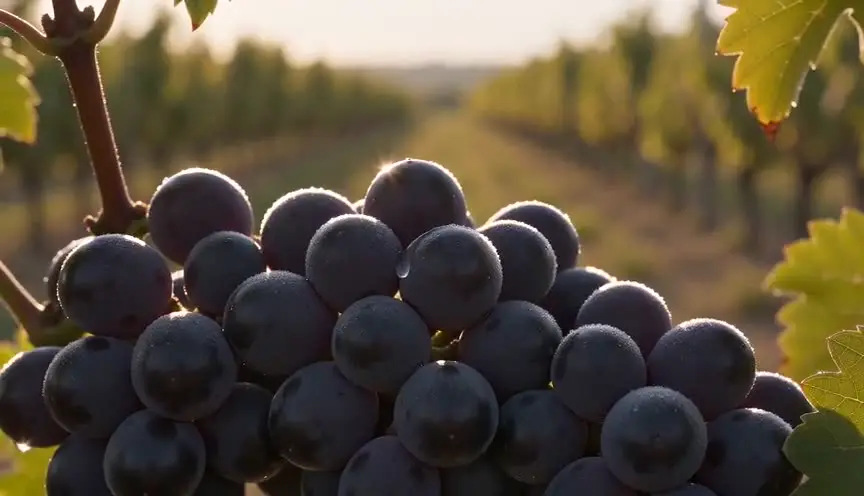
An insert shot before the match isolates the object that will carry the cut, a coin, a wheel, a clock face, so the audience has already registered its shape when it reappears in a new world.
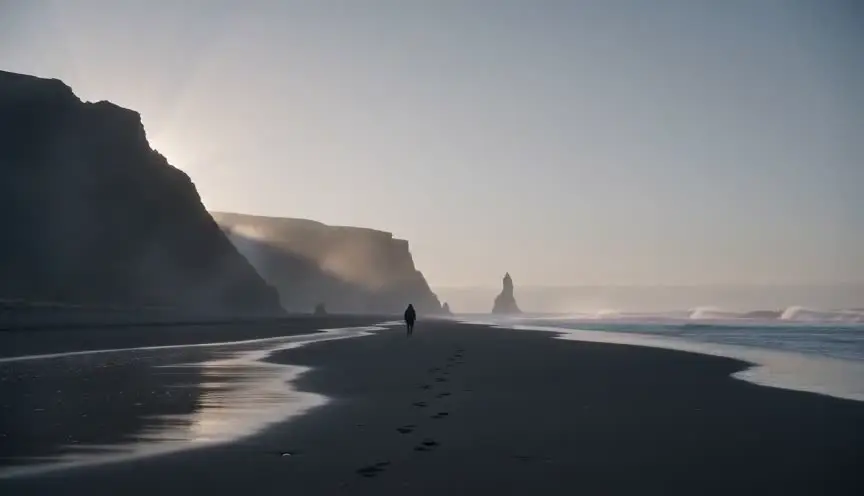
After a match cut lands in a new time or place, an establishing shot orients the audience. The match gives the emotional link, and the wide shot then answers where and when we are.
Reference
Watch it in
2001: A Space Odyssey (1968)
A prehistoric bone spins into the air and becomes a satellite in orbit, jumping across the whole of human history in a single edit.
Lawrence of Arabia (1962)
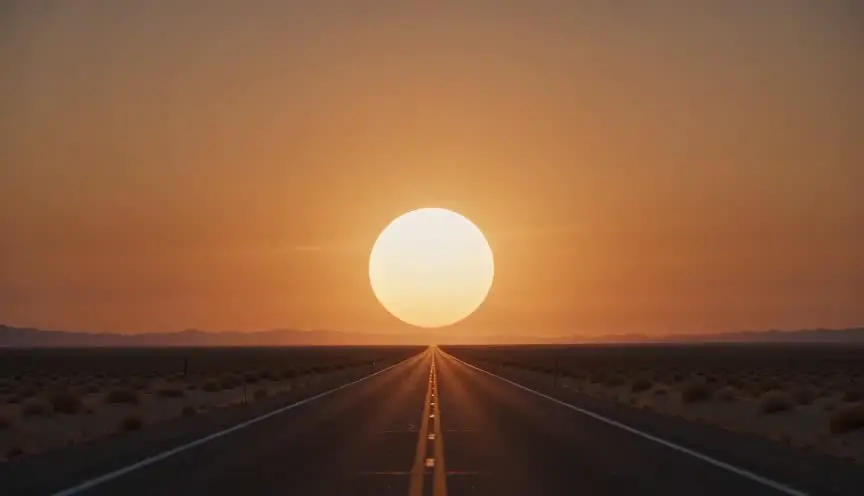
Lawrence blows out a match, and the film cuts to the sun rising over the desert, turning a small gesture into the start of an epic journey.
ScreenWeaver
Set it up in ScreenWeaver
Write both scenes in your screenplay with the matching image described clearly on each side, and ScreenWeaver breaks them down into shots automatically. Open the last shot of the first scene and the first shot of the second, then give them the same framing, the same angle and the same movement, with durations that let the motion line up. References carry from shot to shot, so the matching object keeps its look. Play the two shots back to back in the AI previsualization to check the alignment.
Start writing for freeThe prompt behind this clip
This is the exact prompt that rendered the clip at the top of the page. Keep the description of the camera and the light, change the subject and the place.
Match cut: first shot is a static overhead close-up of a spoon stirring coffee in a white porcelain cup on a chrome diner counter, spoon circling clockwise, steam curling up, warm tungsten light, 1970s diner details in soft focus behind. On the exact rotation, cut to a second static overhead close-up of a ceiling fan blade spinning at the same speed and same screen position, same warm tungsten light, then the camera pulls back slightly to reveal the diner's dining room with patrons seated in red vinyl booths. No text.
Common mistakes
- 01
Matching element drifts
If the shape sits in the center of one frame and the corner of the next, the eye jumps and the link is lost. Plan screen position, size and angle for both shots before the shoot.
- 02
A match with nothing to say
Two round things cut together is only a graphic trick. The best match cuts carry a story idea, a passage of time, an irony or a consequence. Ask what the link means before you plan it.
- 03
Overusing it
Several match cuts in a row turn a film into a showreel and flatten each one. Keep them for the big leaps in time or place, where the audience needs a strong bridge.