Profile shotA face turned away from us
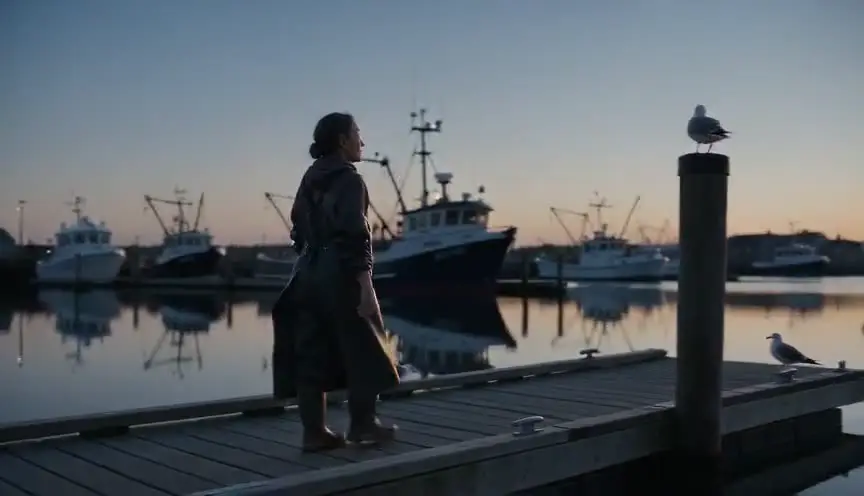
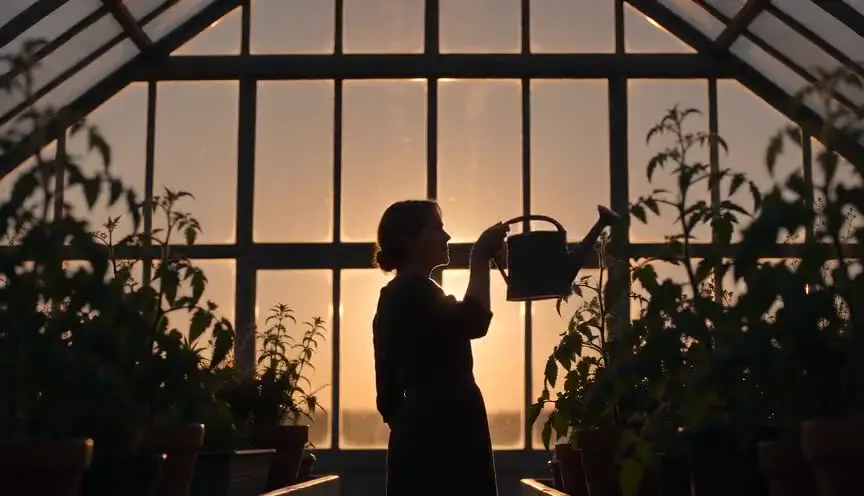
A profile shot frames a character from the side, at 90 degrees to the lens, so we see the line of the brow, nose and chin but only one eye. The audience watches without being looked at, which creates distance, mystery or a sense of a face as a portrait.
Also calledSide view shotLateral shot90-degree angle shot
Camera angles
Why it works on screen
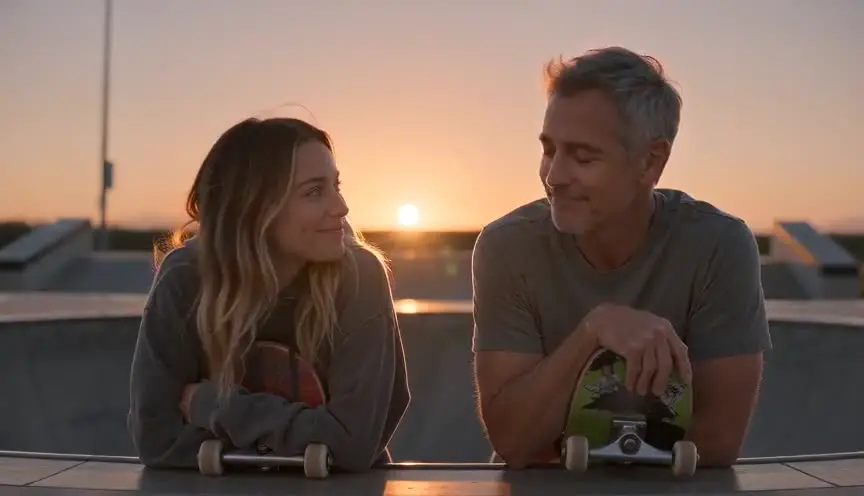
A profile keeps a character from meeting us. It serves reflection, stubbornness, desire from afar and confrontation without contact. Two profiles facing each other turn a conversation into a duel of silhouettes. Two profiles side by side, both facing forward, show people who share a space but not a thought: siblings in a car, a couple at a funeral. A single profile, lit well, becomes an image of beauty or of loss that someone else is looking at. A scene earns it when the story is about what characters withhold, or about how others see them.
The shot list line
- Size
- Close-up or medium close-up
- Angle
- Eye level, 90 degrees to the face
- Movement
- Static, or a slow lateral track
- Lens
- 50mm to 85mm
- Duration
- 3 to 7 s
Line the camera up exactly perpendicular to the actor's nose and leave space in front of the face in the direction they look.
Screenplay
On the page
You do not need to write "profile" in a spec script. Describe the orientation instead: two people side by side, looking ahead and not at each other, or a face turned toward a window while someone speaks to it. That positioning invites a side view. When a character is being watched and admired, write the watcher's gaze and the stillness of the one observed. The exact 90-degree framing and its lens stay in the shot list.
EXT. FERRY DECK, BOSPHORUS - DUSK
The ferry pushes toward the Asian shore. Gulls follow the wake.
KEREM (40s) and his younger brother EMRE (30s) lean on the railing, shoulder to shoulder, both staring at the water ahead.
Neither turns his head.
EMRE
She asked for you. At the end.
Kerem's jaw tightens. He keeps watching the shore come closer.
Storyboard
In the storyboard
Draw the face in pure side view: brow, nose, lips and chin as a clean line, one eye visible. Leave more space in front of the face than behind it. For two characters, draw both profiles facing each other or facing the same way, depending on the beat. Add an overhead diagram with the camera at a right angle to the eyeline. Note the lens, the backlight or edge light that shapes the profile, and what the character is looking at.
Pairs well with
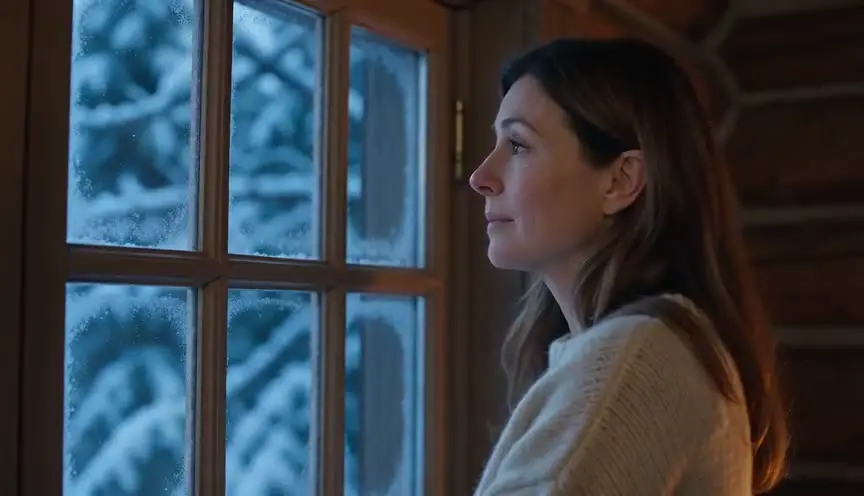
Move from a profile to a three-quarter angle when the character starts to open up. As the face turns toward us, we get both eyes back, and the distance of the side view dissolves.
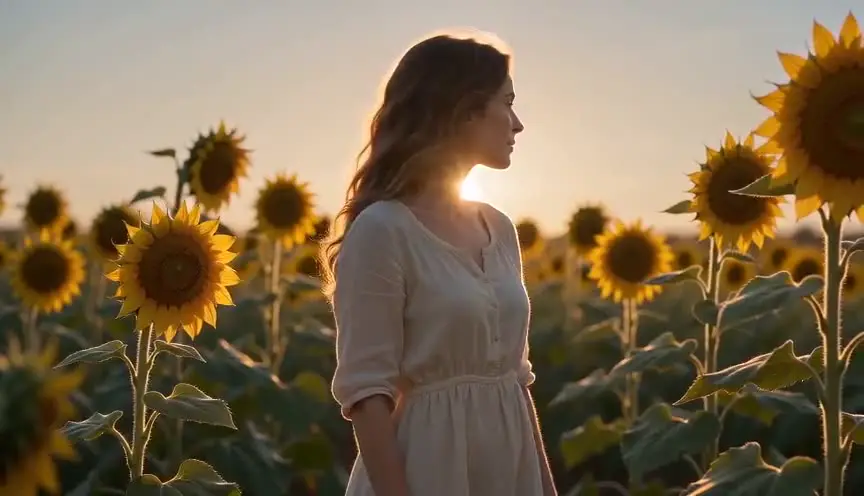
A rim or edge light traces the brow, nose and lips against a dark background. It makes a profile read as a clear silhouette and gives the side view its portrait quality.
Reference
Watch it in
Persona (1966)
Bergman and Nykvist hold Alma and Elisabet in stark side-view close-ups, so mirrored clashes stress how alike and how distant they are.
Vertigo (1958)
At Ernie's, Hitchcock pauses Madeleine in a glowing side profile next to Scottie, making her an image of desire he cannot reach.
Vivre sa vie (1962)
Godard opens by showing Nana from her left side, from the front, then from the right, studying her face like a set of photographs.
ScreenWeaver
Set it up in ScreenWeaver
Write the characters' orientation in the action lines, and ScreenWeaver breaks the scene down into shots automatically. Open the shot, set the framing to a close-up or medium close-up, choose the angle at eye level from the side, keep the movement static or a slow lateral track, and give it three to seven seconds. The characters and the location carry from shot to shot, so the side stays consistent. Use the AI previsualization to check that profiles face the right way across cuts.
Start writing for freeThe prompt behind this clip
This is the exact prompt that rendered the clip at the top of the page. Keep the description of the camera and the light, change the subject and the place.
Profile shot: a static camera positioned at a strict 90-degree angle captures a woman in her thirties standing at a food stall in a crowded Taipei night market, her face and body seen entirely in side view as she watches the sizzling grill in front of her. Neon signs and paper lanterns glow behind her, backlighting her silhouette with warm amber rim light while steam drifts across the frame. She never turns toward the camera. The frame stays locked, only the steam and market crowd move in the background. No text.
Common mistakes
- 01
Almost profile
A face turned 70 degrees is neither a profile nor a three-quarter view, and it can look undecided. Commit to one: a true side view or a clear three-quarter.
- 02
No lead room
A profile pressed against the frame edge it faces feels blocked and cramped. Give the space to the front of the face, where the gaze goes.
- 03
Flat background
A side view against a busy or bright background loses the outline of the face. Separate it with a darker background or an edge light.