The ScreenWeaver Blog
Deep dives into modern screenwriting, visual storytelling, and how AI is reshaping the creative process.
Categories

Creating Alternate Endings: Exploring Narrative Branching in a Psychological Thriller
The script is locked. Ninety-two pages. The producer reads the ending and says: 'What if we shot two versions?' Writing alternate endings isn't writing one ending twice—it changes the architecture of the entire third act.

The Role of AI in Harmonizing Dialogue for a Co-Written Sitcom
Eight writers. Five acts. Forty-eight hours until the table read. Someone needs to make the pages sound like one show. How language analysis tools surface inconsistencies before humans even start the harmonization pass.

How Virtual Assistants Are Transforming the Dynamics of Remote Writers' Rooms
The Zoom call has twelve boxes. It's hour six of the room. Someone pitched a runner three hours ago and nobody wrote it down. How software assistants are changing what gets captured—and who holds power—in distributed rooms.

Generating Concept Art for Your Pitch Deck Directly from Your Scene Descriptions
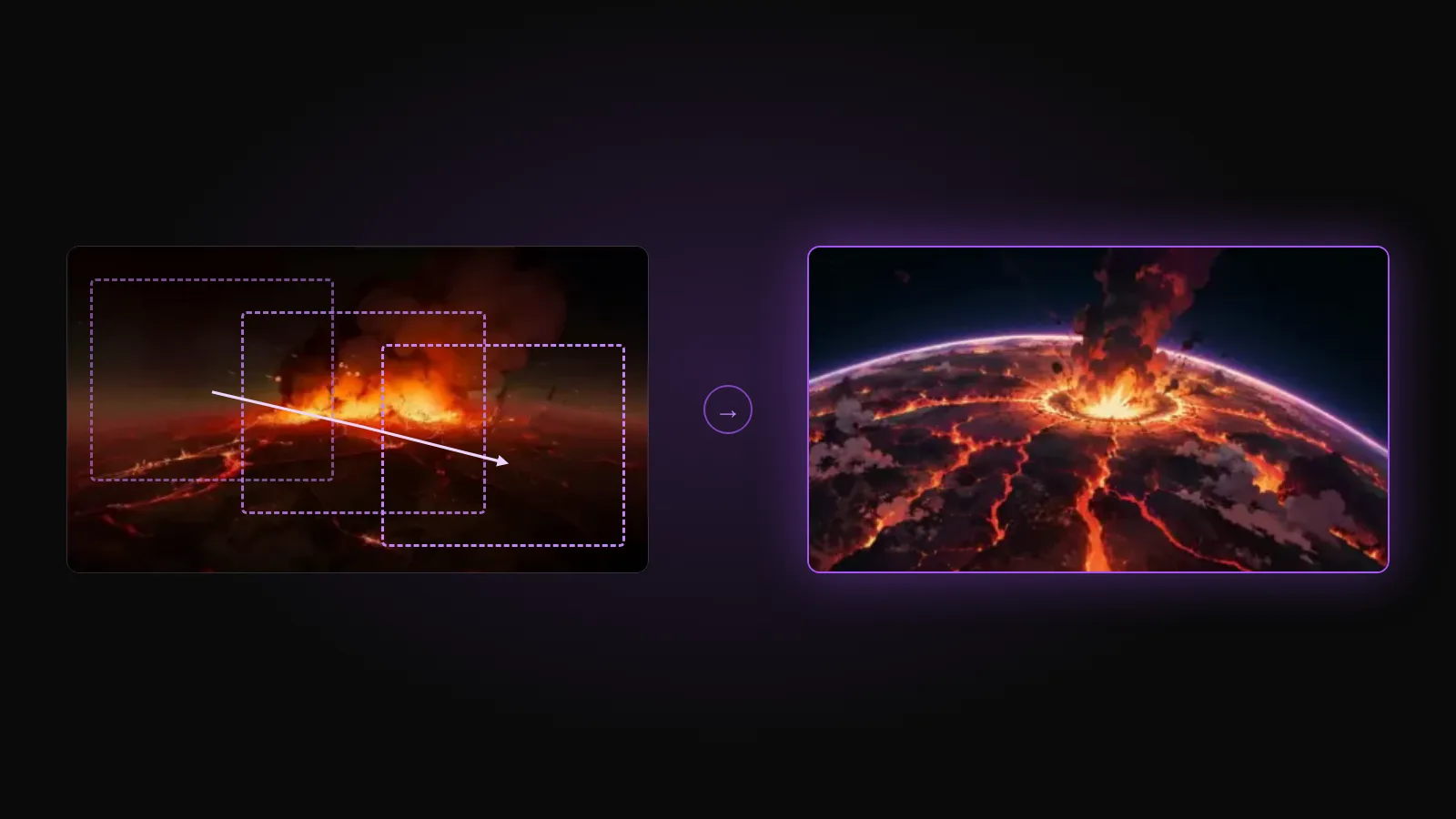
The investor meeting is in three days. You have the logline. You have the treatment. But every slide that should show your vision looks like a placeholder. How to turn your script's prose into custom visual assets that sell the movie.

Automated Script Coverage: What Indie Producers Are Looking at Today
Three hundred scripts land on an indie producer's desk in a slow month. They're not reading them all. How automated coverage tools filter, triage, and surface patterns that human readers miss—or take too long to catch.

AI-Assisted Translation: Adapting a Foreign Script for the US Market Without Losing Subtext
The French script is sixty-three pages. The dialogue is sharp. The silences say more than the words. Direct translation? Dead on arrival. How language models accelerate—but never replace—the human art of adaptation.

How to Use AI to Generate 50 Variations of Your Logline in 3 Minutes
You need volume and speed without losing what makes the idea yours. A concrete workflow from one logline to fifty—and how to sift for the three that sell.

Can AI Spot Pacing Issues in Your Second Act?
The second act is where scripts sag. AI can't feel boredom—but it can flag flat stretches, repetition, and rhythm. How to use it as a pattern detector, not a judge.