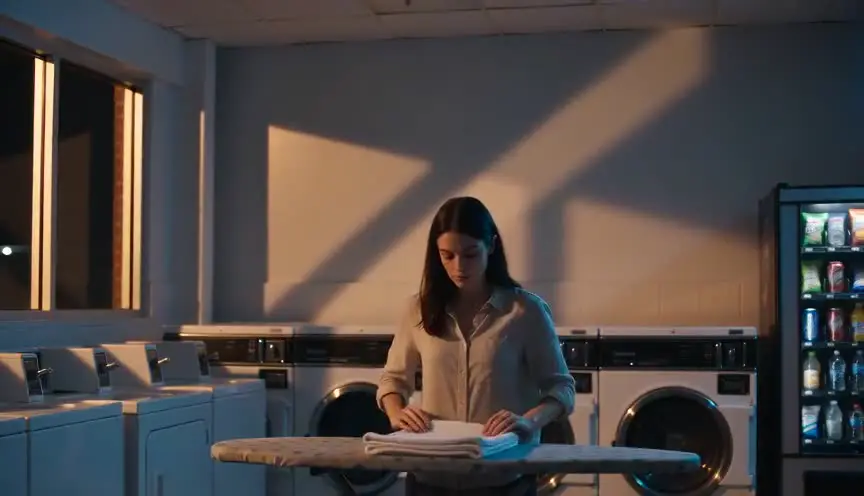
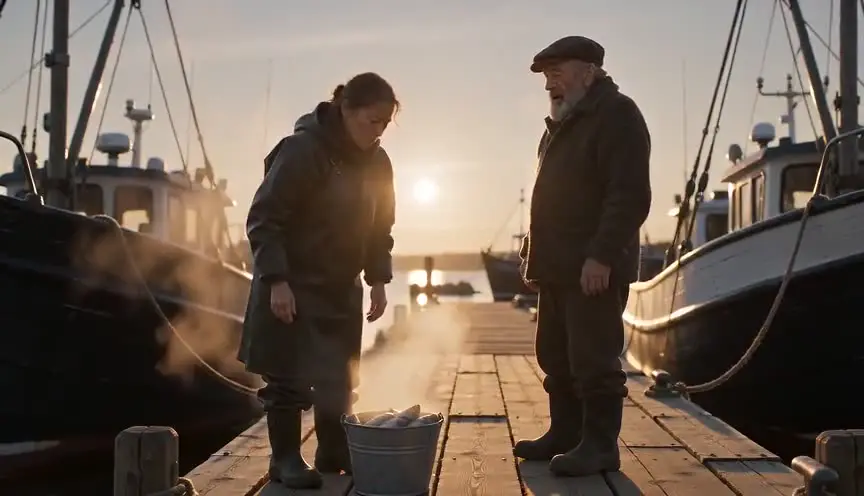
Rim lightA bright line around the dark
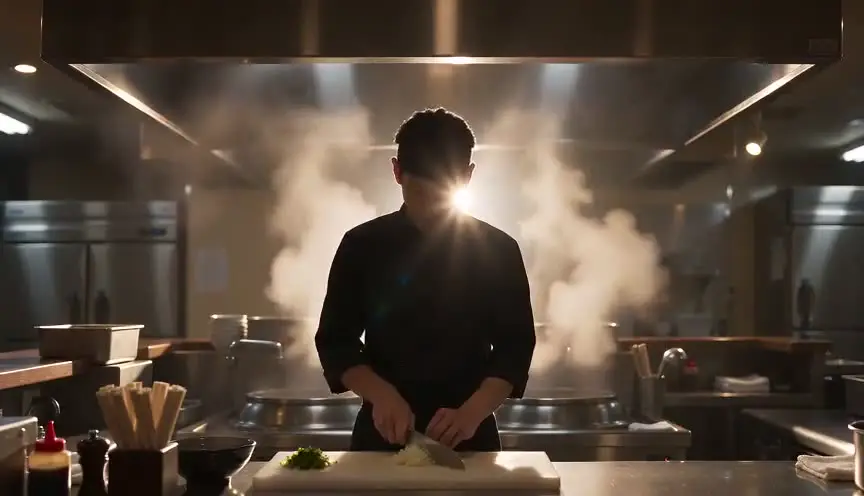
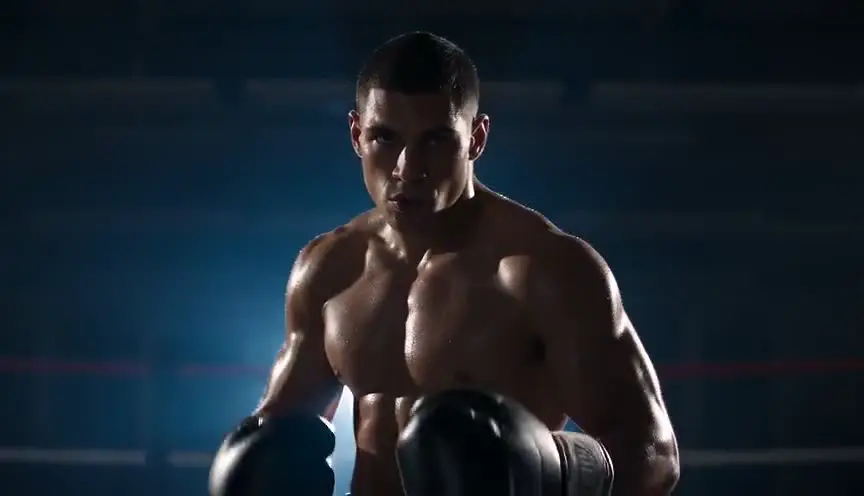
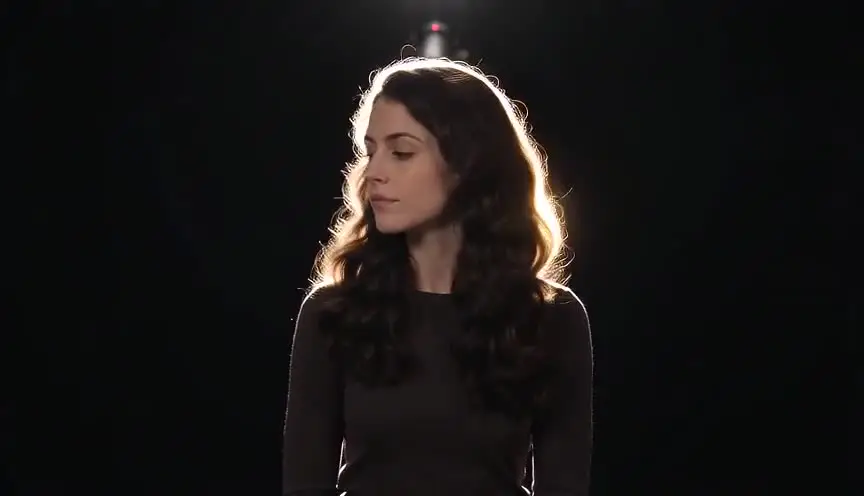
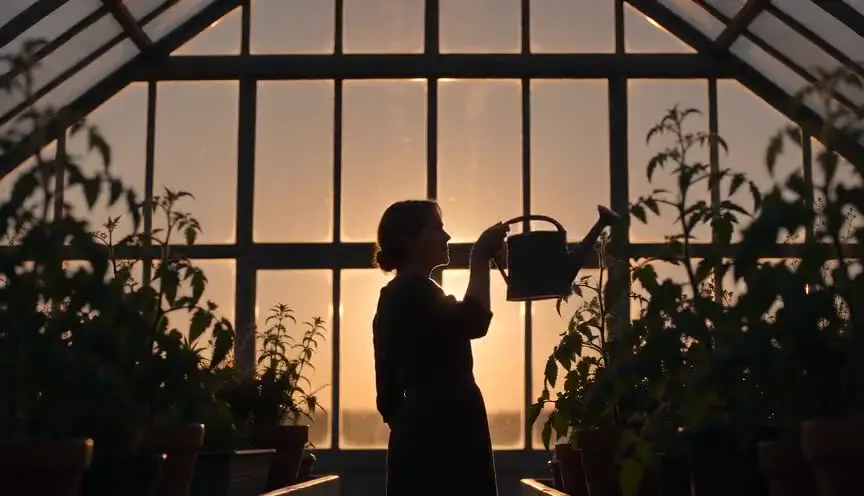
A rim light is placed behind and slightly to the side of a subject so it draws a thin, bright outline along the head, shoulders or body. The figure lifts out of a dark background, and the audience reads the shape clearly even when the face stays in shadow.
Also calledEdge lightContour lightHalo light
Lighting
Why it works on screen
The rim is how a film keeps a character visible in darkness. It serves night scenes, smoke-filled rooms, rain, danger and mystery, when the audience must see the shape without seeing everything. A rim on a hooded figure makes them a threat. A rim on a tired singer makes them fragile and precious. It also adds glamour, drawing a halo that sets a star apart. A scene earns a strong rim when the background is dark and the drama sits in the outline: a figure waiting, a profile turning, breath in cold air, a body in motion against nothing.
The shot list line
- Size
- Medium close-up or medium shot
- Angle
- Eye level, often three-quarter back or profile
- Movement
- Static, or a slow push in
- Lens
- 50mm to 85mm
- Duration
- 3 to 7 s
Place the rim behind the subject, 120 to 160 degrees from the camera, high enough to trace the outline, and flag it so it never hits the lens.
Screenplay
On the page
Do not write "rim light" in a spec script. Write the conditions that create it: a figure in a dark room with a window or a stage light behind them, smoke catching light, a street lamp at the end of an alley. The reader sees a glowing outline and the cinematographer sees the rim. If the character's face must stay unreadable, write that. The placement, the intensity and the color of the rim go in the shot list.
INT. JAZZ CLUB, BACKSTAGE WINGS, CHICAGO - NIGHT
A narrow gap between two black curtains. Beyond it, stage lights and a trumpet solo.
LORRAINE HAYES (60s), in a sequined dress, waits in the dark, her silver hair glowing at the edge from the stage behind her.
She presses a hand flat against her stomach.
A stagehand, TEO (20s), whispers from the shadows.
TEO
Thirty seconds, Miss Hayes.
She nods without turning.
Storyboard
In the storyboard
Draw the figure dark, almost black, against a dark background, and trace a bright line along the edge that faces the light: hair, cheek, shoulder, arm. Put a lamp symbol behind the figure on the rim side with an arrow toward the edge. Add an overhead diagram showing the camera, the subject and the rim at the back corner. Note the color of the rim, how much key is allowed on the face, and any haze.
Pairs well with
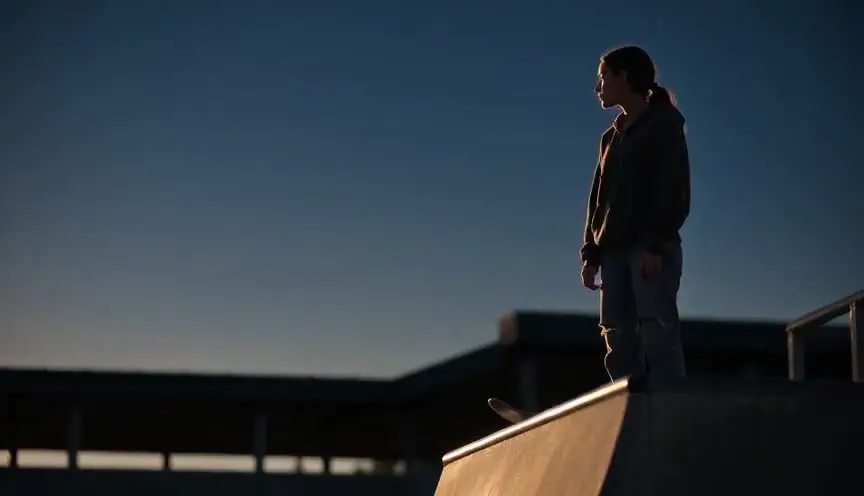
In a low-key scene where most of the frame is dark, a rim is what keeps characters readable. Pairing them gives mood and clarity at once.
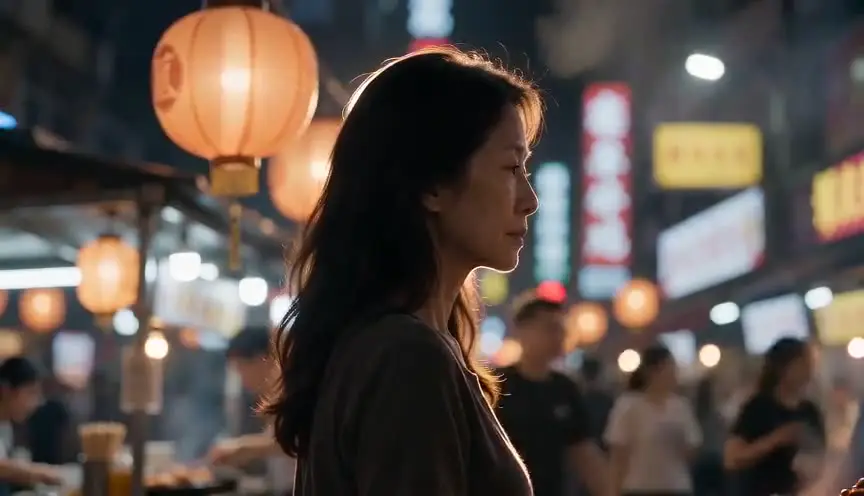
A rim traces the brow, nose and chin in a side view. Following a rim-lit wide with a profile close-up turns the outline into a portrait.
Reference
Watch it in
The Revenant (2015)
Low sun behind the actors in the forest draws strong bright edges on fur, hair and breath in the freezing air.
Blade Runner 2049 (2017)
Fog and light from behind repeatedly outline characters in smoky interiors, giving them glowing edges against dark sets.
ScreenWeaver
Set it up in ScreenWeaver
Describe the dark space and the light behind the character in your action lines, and ScreenWeaver breaks the scene down into shots automatically. Open the shot, set the framing to a medium close-up or medium shot, the angle to eye level in three-quarter back or profile, keep the movement static or a slow push in, and give it three to seven seconds. The character and the location carry from shot to shot. Use the AI previsualization to check the outline reads.
Start writing for freeThe prompt behind this clip
This is the exact prompt that rendered the clip at the top of the page. Keep the description of the camera and the light, change the subject and the place.
Rim light: a woman in her thirties stands among tall sunflowers, framed in a medium shot facing the camera. The setting sun sits low just out of frame directly behind her, casting a bright golden outline along her hair, shoulders and forearms while her face and the front of her body remain in soft shadow. She slowly turns her head to the side, the thin glowing edge shifting shape against the darker sunflowers behind her. The camera is locked on a tripod with a 50mm lens, completely static, only her slow turn changes the light. No text.
Common mistakes
- 01
Rim too wide
A rim that spreads across the cheek becomes a side light and loses its clean edge. Move it further behind the subject until the line is thin.
- 02
Light in the lens
Rims aim toward the camera and easily cause flare. Flag them carefully and check the corners of the frame on every setup.
- 03
Rims on every actor
When every person in every shot glows, the look becomes glossy and artificial. Keep rims motivated by sources and use them where separation matters.