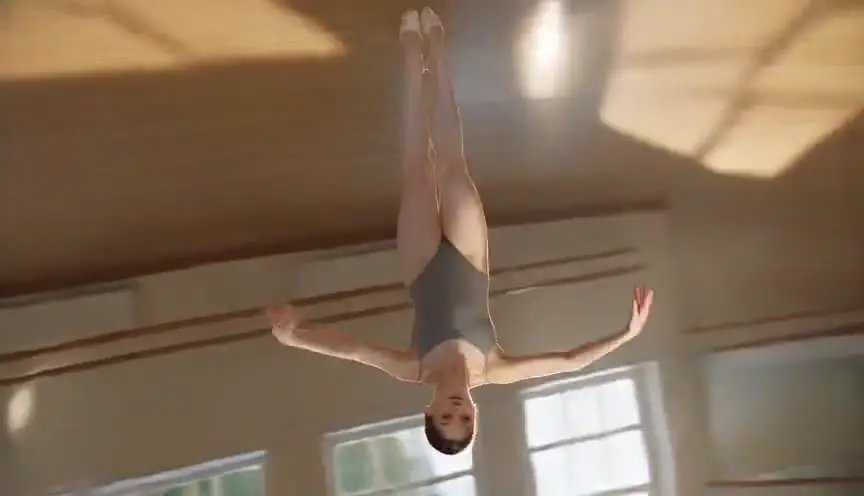
Falling cameraPutting the audience in the fall
A falling camera drops with a character, or as a character, so the frame loses its ground along with them. The audience's stomach turns because the image has no floor.
Also calledDrop shotFalling POVVertical drop shotFreefall shot
Camera movement
Why it works on screen
Use it at the moment of surrender or loss of control. A leap from a cliff into dark water, a skydiver whose parachute has not opened yet, a body tipping backward off a roof in a dream. It serves terror, exhilaration, commitment and the point of no return. Falling with the character is different from watching them fall: the audience shares the drop instead of judging it from a safe place. A scene earns it after a long approach, when the story has made the audience dread or desire the jump, so the drop releases all the tension built on the edge.
The shot list line
- Size
- Medium close-up at the start, then close-up
- Angle
- High angle looking down with the fall, or low looking up at the performer
- Movement
- Vertical drop with the subject, controlled by cable, crane descender or freefall operator
- Lens
- 14mm to 24mm
- Duration
- 2 to 4 s
No move happens without the stunt coordinator's sign-off; rehearse the drop with weights and keep a clean plate of the location from the same path.
Screenplay
On the page
Write the jump and the fall as action, vividly and briefly: the push, the sky turning, the water rushing up. That is story, not direction. Avoid writing POV or naming a camera rig. If the fall must be felt from inside the character, describe their sensations: wind, silence, the ground growing. Leave the choice between a real freefall operator, a cable rig or a stunt double with a helmet camera to the director and the stunt coordinator.
EXT. ABANDONED SLATE QUARRY - SNOWDONIA - DAY
Five teenagers on the lip of a cliff above black water. RHYS PRICE (17) stands at the edge, toes over nothing.
The others chant his name. He is not listening.
He steps off.
Sky. Rock face. Sky. The water rushes up, green then black.
Impact. Silence. Bubbles.
Storyboard
In the storyboard
Draw a tall, narrow storyboard strip rather than a single panel, with the start frame at the top and the impact at the bottom. Add a thick downward arrow along the side with the height of the drop and the time. In each frame, show how the horizon or the landscape tilts and grows. Note the rig, the safety measures and where a cut or a stunt double might replace the actor.
Pairs well with
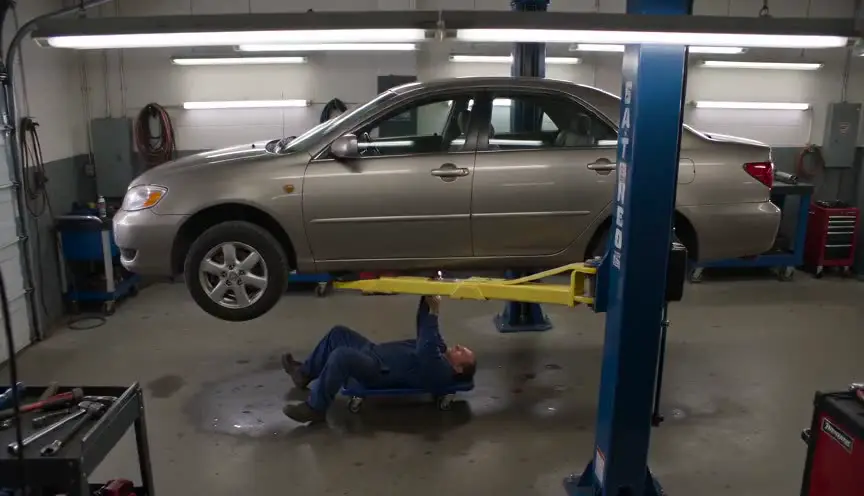
A high angle looking down from the edge before the jump shows the distance and makes the audience dread it. The falling camera then turns that dread into sensation.
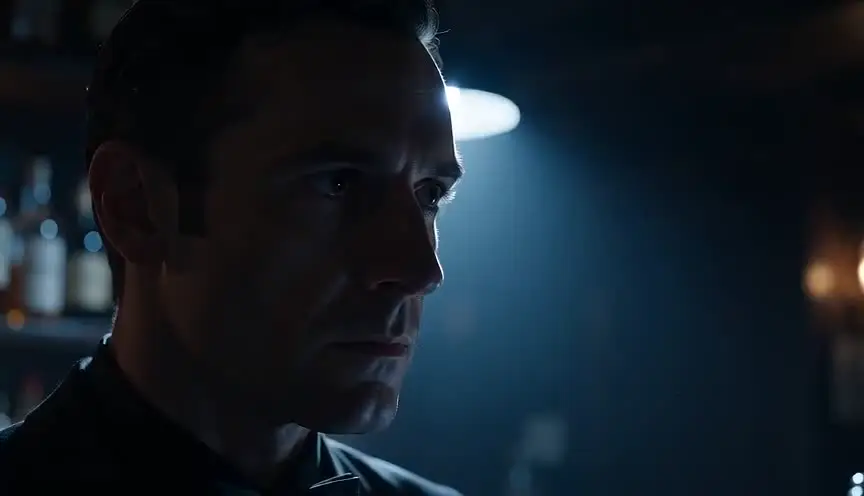
A smash cut at the moment of impact, to silence, darkness or a completely different scene, gives the fall a brutal ending and lets the audience fill in what they did not see.
Reference
Watch it in
Mission: Impossible - Fallout (2018)
For the high-altitude jump, a camera operator leapt alongside Tom Cruise, holding him tight in frame during a real freefall.
Point Break (1991)
Skydiving camera operators jumped with the stunt team and kept pace with their descent, framing the falling bodies as a moving formation.
ScreenWeaver
Set it up in ScreenWeaver
Write the jump and the fall as action lines, and ScreenWeaver breaks the scene down into shots automatically. Open the falling shot, set the framing to a medium close-up or close-up, choose a high angle looking down, pick a downward movement, and keep the duration short. The character and the location carry from shot to shot, so the cliff above matches the water below. Use the AI previsualization to plan heights and timing before talking to the stunt team.
Start writing for freeThe prompt behind this clip
This is the exact prompt that rendered the clip at the top of the page. Keep the description of the camera and the light, change the subject and the place.
Falling camera: the camera falls in sync with a man who has just slipped off the snow-covered roof of a wooden mountain cabin, both dropping at the same speed so his body stays centered and weightless in frame while log walls, icicles and snow-heavy eaves streak upward past the lens in a vertical blur. Wide 18mm lens, fast shutter for crisp motion, flat overcast daylight, cold blue-white color, loose snow spraying off his jacket. The horizon tips slightly as the camera tumbles, then the shot ends abruptly as deep snowdrift fills the frame just before impact. No text.
Common mistakes
- 01
Planning the shot before safety
A fall is always a stunt, even when it looks simple. Plan with the stunt coordinator from the first draft of the shot list, and let safety shape the rig and the framing.
- 02
No sense of height
If the ground is invisible or the frame is too tight, the fall feels like a camera shake. Show the landscape growing or the horizon turning so the drop reads.
- 03
Holding too long
A long fall on screen starts to feel like a ride. Keep it brief, cut on the most intense moment, and let the sound or the impact carry the rest.