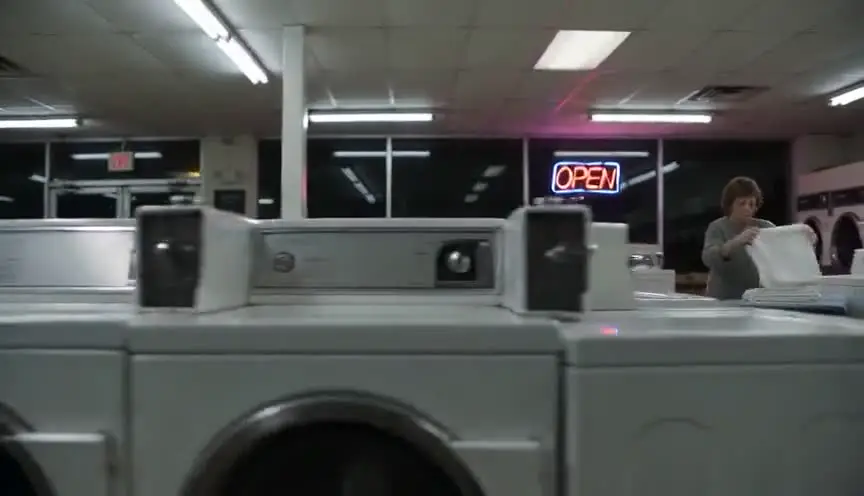
Foreground interestAn object that talks to the scene
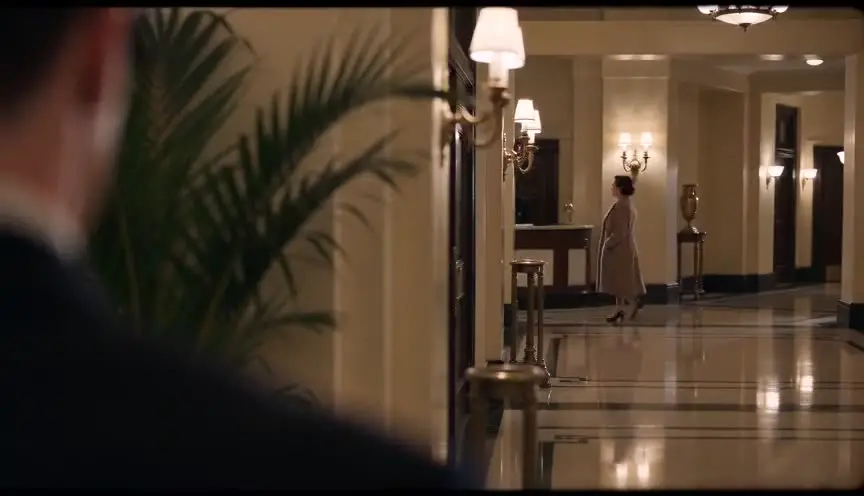
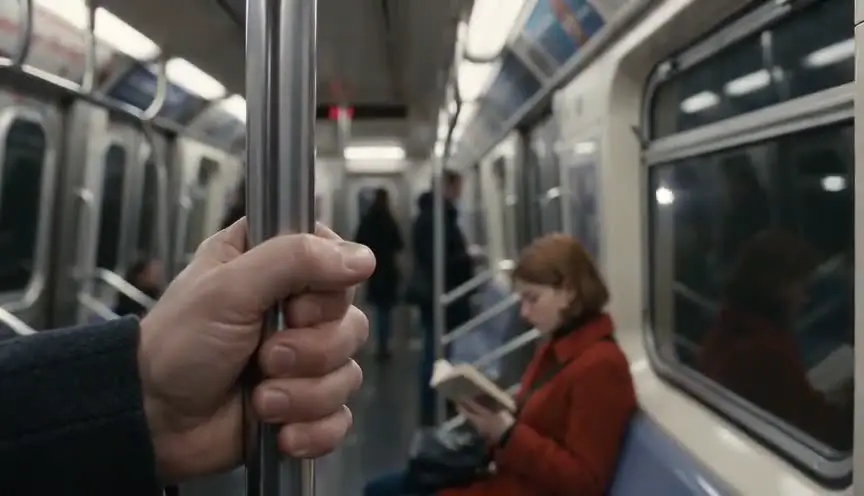
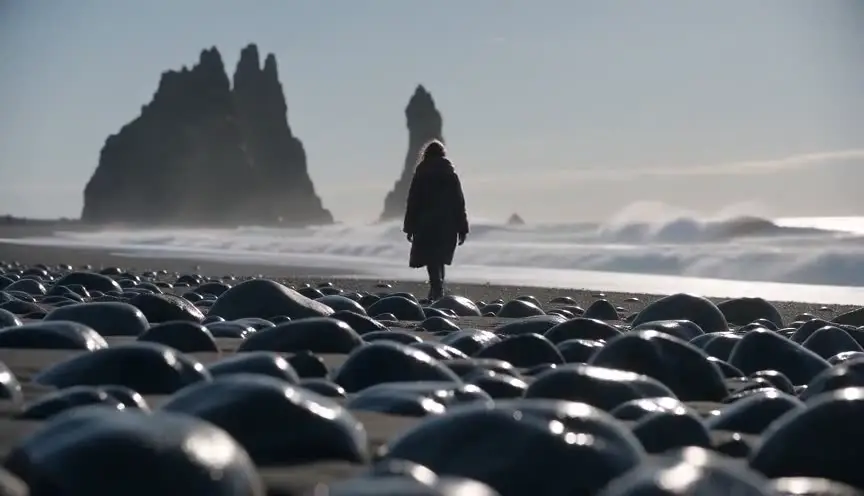
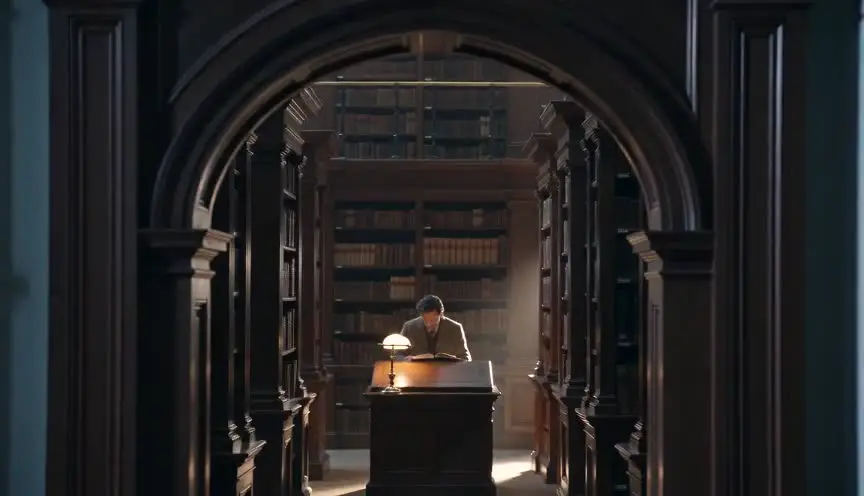
Foreground interest places an object or a person close to the lens while the main action happens further back. The audience sees depth at once, and the near element comments on what happens behind it.
Also calledForeground framingForeground elementForeground layering
Composition
Why it works on screen
The foreground is where a director puts the idea the characters are not saying. A wrench on the bench while a father and son argue about money. A child's shoe in the grass while police search the field. A glass of wine untouched while a couple pretends everything is fine. The near object can be a threat, a clue, a memory or a promise. Use it when a scene needs a second layer of meaning, or when the audience should notice something before the characters do. It suits suspense, family drama and any scene where an object will matter later.
The shot list line
- Size
- Medium wide shot
- Angle
- Eye level or low, behind the foreground object
- Movement
- Static or slow lateral slide
- Lens
- 24mm to 35mm
- Duration
- 4 to 7 s
Put the object within a meter of the lens, decide whether it stays sharp or soft, and keep it from covering the actors' faces.
Screenplay
On the page
Objects belong in the screenplay, so you can plant foreground interest honestly: mention the prop early in the action lines and give it a short sentence of its own. A reader will remember it, and the director will look for a way to keep it in view. Do not write "in the foreground" or "close to camera," which are camera directions. Place the object in the scene and trust the shot list to put it near the lens when it matters.
INT. REPAIR GARAGE - DETROIT - NIGHT
A half-stripped engine block sits on a stand near the bay door. A torque wrench rests on top of it.
At the back, under a hanging lamp, DESMOND OYELARAN (50s, grease to the elbows) counts bills on a desk.
His son TREVOR (17) leans in the office doorway.
TREVOR
You said you'd stopped taking their money.
Desmond keeps counting.
Storyboard
In the storyboard
Draw the foreground object large and near one bottom corner of the panel, with a thick outline. Sketch the action smaller in the background, framed beside the object. Mark focus with a note such as foreground soft or both sharp. If the camera slides, draw a lateral arrow and show how the object shifts against the background in an end frame. Name the prop and why it matters under the panel.
Pairs well with
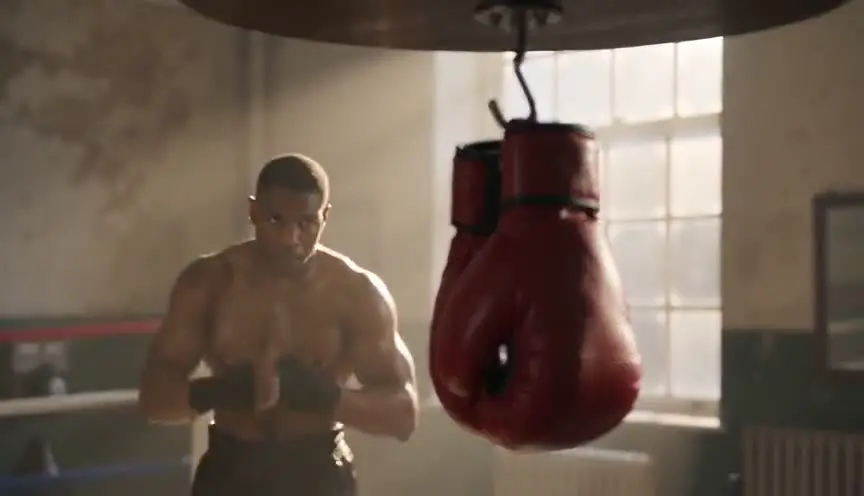
Start sharp on the foreground object, then pull focus to the characters behind it, or the reverse. The rack makes the connection between the thing and the people explicit.
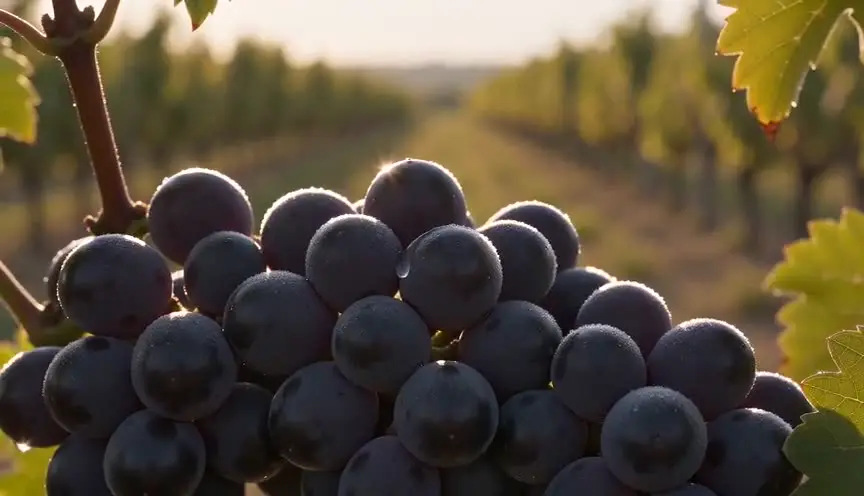
After the object has lived in the foreground of a wider shot, an insert of it lands with extra weight. The audience has been looking at it all along.
Reference
Watch it in
Citizen Kane (1941)
Gregg Toland puts objects and people right up against the lens while events far behind stay in focus, so both layers speak at once.
The Revenant (2015)
Emmanuel Lubezki keeps shooting through branches, grass and frozen breath, which pulls the viewer into the wild with the characters.
ScreenWeaver
Set it up in ScreenWeaver
Name the object in your action lines, and ScreenWeaver breaks the scene down into shots automatically. Open the shot, set a medium wide framing at eye level or low, choose a static movement or a slow slide, and a duration that gives both layers time. Add the prop as a reference so it stays the same from shot to shot, along with the characters and the location. The AI previsualization helps you check that the object frames the action without hiding it.
Start writing for freeThe prompt behind this clip
This is the exact prompt that rendered the clip at the top of the page. Keep the description of the camera and the light, change the subject and the place.
Foreground interest: a static camera holds a locked-off medium shot inside a flower shop, framed through a cluster of out-of-focus peonies and eucalyptus stems resting in a glass jar just inches from the lens. A 50mm lens at a wide aperture keeps the flowers as soft blurred color shapes in the front of the frame while a middle-aged woman arranging a bouquet stays in sharp focus several feet behind them. Warm afternoon light spills through a side window, and her hands move slowly, tying a ribbon, as the blurred blossoms remain still in the foreground for the full four seconds. No text.
Common mistakes
- 01
An object with no meaning
A random lamp in the foreground adds depth but no story. Choose a near element that relates to the scene, or the audience will wonder why it is there.
- 02
Blocking the performance
If the foreground hides a face at the key line, the shot fails. Rehearse the blocking with the object in place and adjust the camera height or position.
- 03
Too sharp, too bright
A bright, crisp object near the lens can pull all the attention. Unless it is the point, soften it with focus or keep it darker than the actors.