Day for nightNight scenes lit by the sun
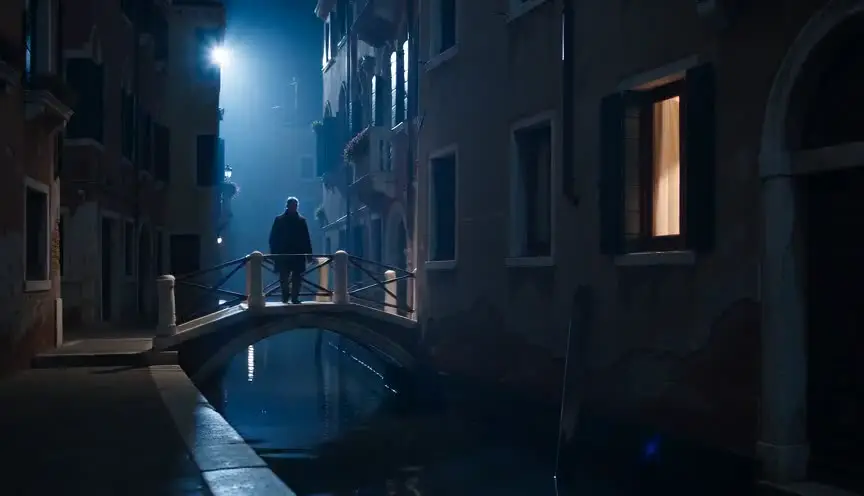
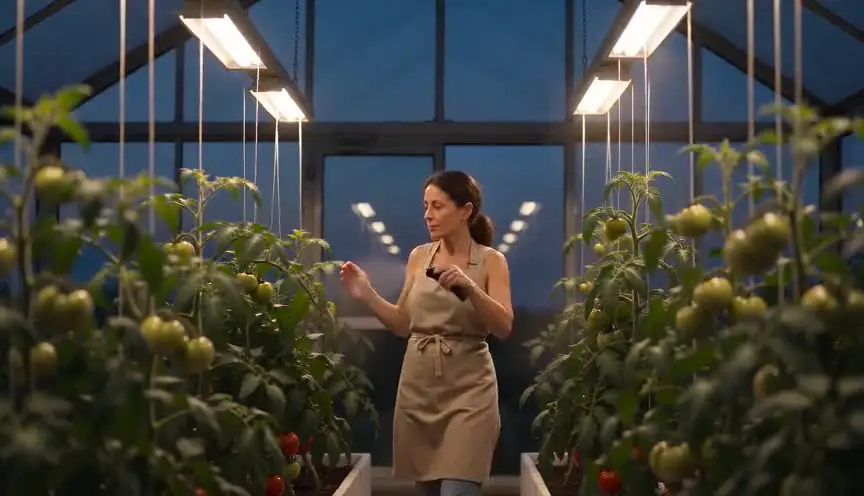
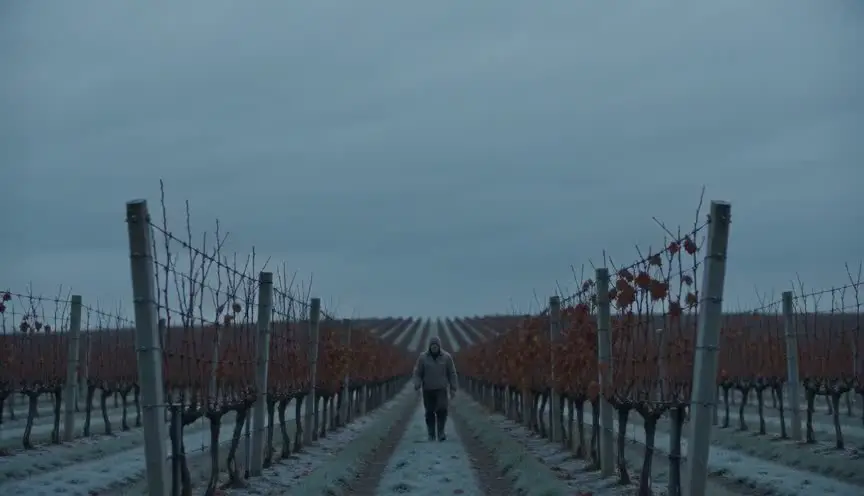
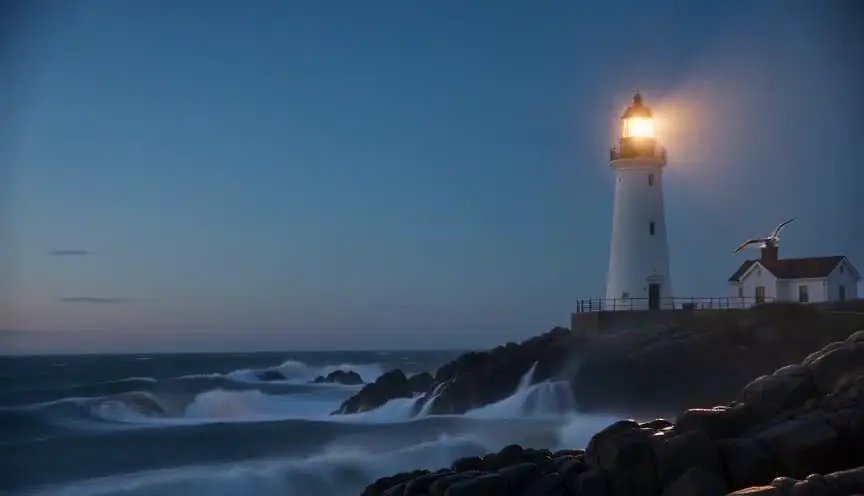
Day for night is the practice of shooting a night scene in daylight, then underexposing and tinting the image blue so it reads as moonlight. The audience sees a vast, detailed night landscape that real darkness would never allow.
Also calledNuit américaineAmerican nightDay-for-night shooting
Color and film look
Why it works on screen
Real night hides everything beyond the reach of your lights. Day for night gives you the whole horizon: a desert crossing, an ocean, a ranch under an open sky, a chase across an empty plain. It serves scale, loneliness, danger in the open and the eerie calm of a moonlit world. It is especially useful when the story needs characters small in a huge nocturnal space. A scene earns it when the landscape matters as much as the people and lighting that landscape at night would be impossible or unaffordable. The result is a stylized night, closer to a dream of moonlight than to true darkness.
The shot list line
- Size
- Extreme wide shot
- Angle
- Eye level or slightly low, sky mostly out of frame
- Movement
- Static or a slow pan
- Lens
- 24mm to 50mm
- Duration
- 5 to 10 s
Shoot with the sun low and behind or to the side of the subjects, keep bright sky out of frame, underexpose two to three stops and set a cool white balance so the grade has a base to work from.
Screenplay
On the page
The screenplay says NIGHT, and that is all it should say. The method used to create the night is a production choice, made by the director, the cinematographer and the budget. What the writer can do is describe the night landscape so it is clearly exterior and wide: moon on the sand, a whole valley visible, stars over a ranch. Those details make day for night a natural option. The technique itself goes in the shot list and the schedule.
EXT. DESERT - NIGHT
Moonlight on endless dunes. No road, no lights, only the wind shaping the crests.
AKLI (60s, indigo turban) walks ahead of two camels, reading the stars.
Behind him, HANNA WEISS (30s, journalist, sunburnt nose) stumbles in the sand and stops to breathe.
Far on the horizon, a pair of headlights appears, then disappears.
AKLI
Do not look at them. Keep walking.
Storyboard
In the storyboard
Draw the night as a deep blue landscape with strong shapes against it: silhouettes, rim-lit edges, long shadows. Keep the sky small or dark near the top of the frame. Mark the real sun position with an arrow outside the frame and a note on time of day. Under the panel, write night in the story, day on set, the intended exposure offset and the backlight direction.
Pairs well with
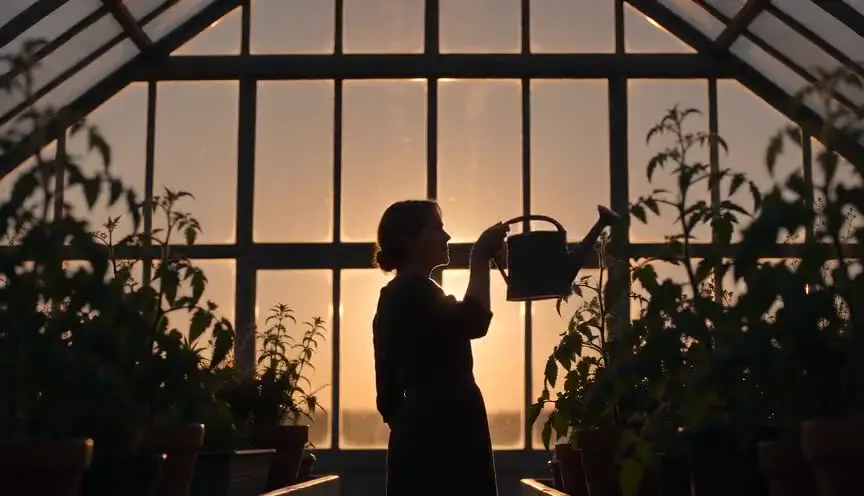
Figures backlit by a low sun become dark shapes against a bright background. Once graded blue, those silhouettes read as moonlit and hide the fact that the scene was shot in daylight.
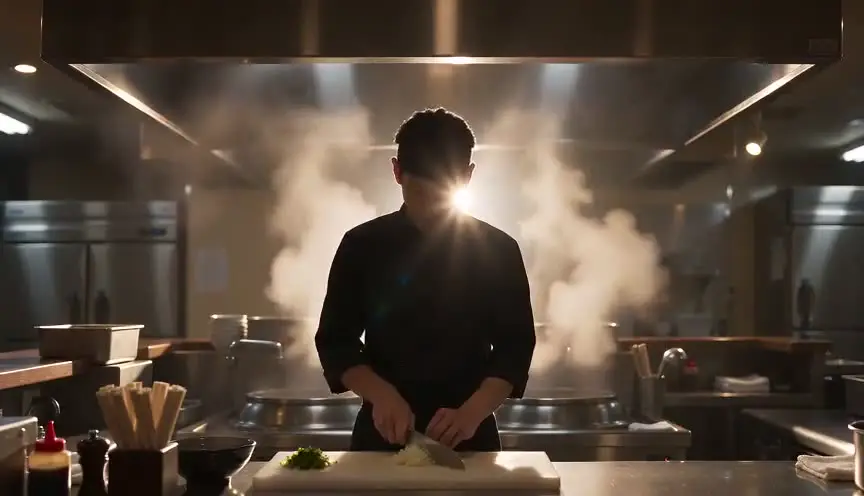
Backlighting the actors gives them a rim of light that looks like moonlight after the grade, while their faces stay in shadow, which is exactly how night should look.
Reference
Watch it in
Nosferatu (1922)
Several night exteriors were filmed in broad daylight and tinted blue on the release prints, one of the earliest and most studied uses of the method.
Mad Max: Fury Road (2015)
The blue wasteland night after the sandstorm was shot in daylight, overexposed on purpose and reshaped in the digital grade, as John Seale described.
Nope (2022)
The ranch night exteriors were filmed by day with a color camera paired with an infrared one, then combined and graded into a detailed moonlit image.
ScreenWeaver
Set it up in ScreenWeaver
Write NIGHT in the scene heading and describe the wide night landscape, and ScreenWeaver breaks the screenplay down into shots automatically. Open each exterior shot, set the framing, angle, movement and duration, and add a day for night note with the sun direction you want. Characters and locations carry from shot to shot, so the night scenes match the day ones in the same place, and the AI previsualization lets you judge the moonlit mood.
Start writing for freeThe prompt behind this clip
This is the exact prompt that rendered the clip at the top of the page. Keep the description of the camera and the light, change the subject and the place.
Day for night: a static wide shot inside a recording studio with tall windows, filmed under real midday sun streaming through the glass, then underexposed two stops and graded with a heavy blue-cyan cast so the exterior sky reads as deep night while a sound engineer at the mixing console works under warm practical lamp light. The window light stays hard and directional like moonlight, shadows stay sharp, and the console's small LED indicators glow bright against the crushed dark blue background. Camera does not move; only the color and exposure treatment change across the shot. No text.
Common mistakes
- 01
Bright sky in frame
A daylight sky cannot be turned into a believable night sky. Frame it out, shoot against a hill or darken it heavily with filters and masks.
- 02
Frontal sun on faces
Faces lit from the front by the sun still read as daylight after grading. Put the sun behind or beside the actors and let their faces fall into shade.
- 03
No night details
Real night has lights: a lamp, a car, a window, a fire. Without any practical source, the scene looks like a blue day. Add a few to sell it.