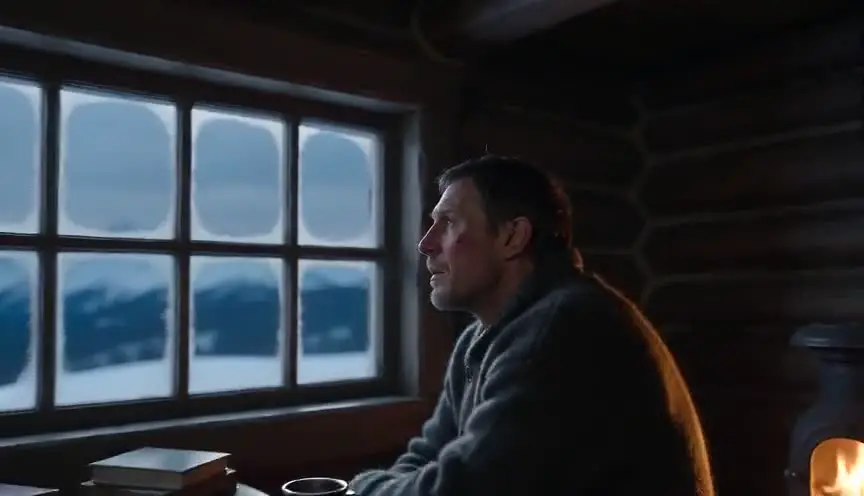
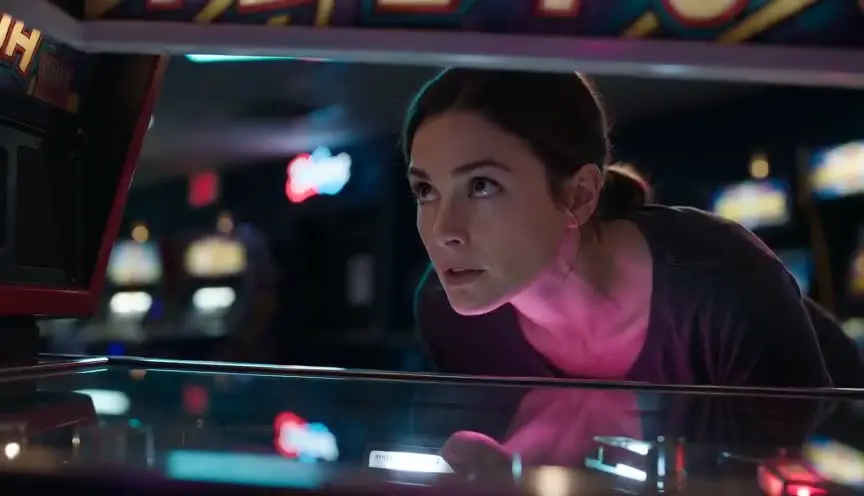
Close-upWhere the audience reads thought
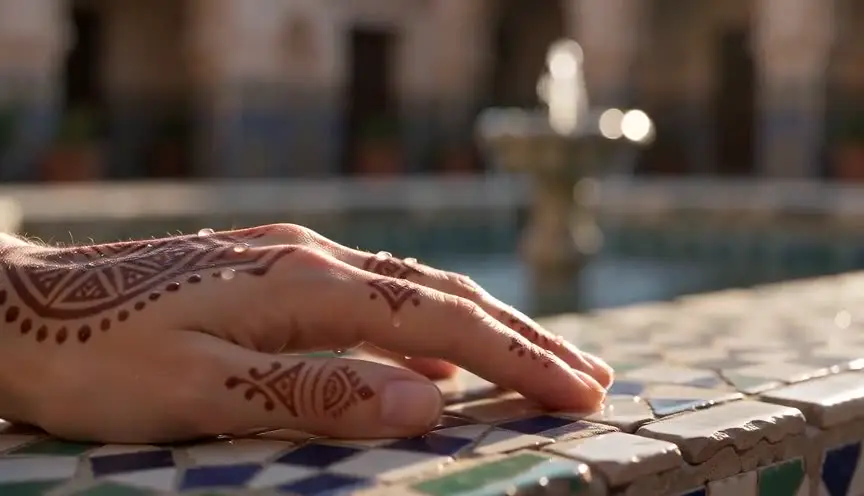
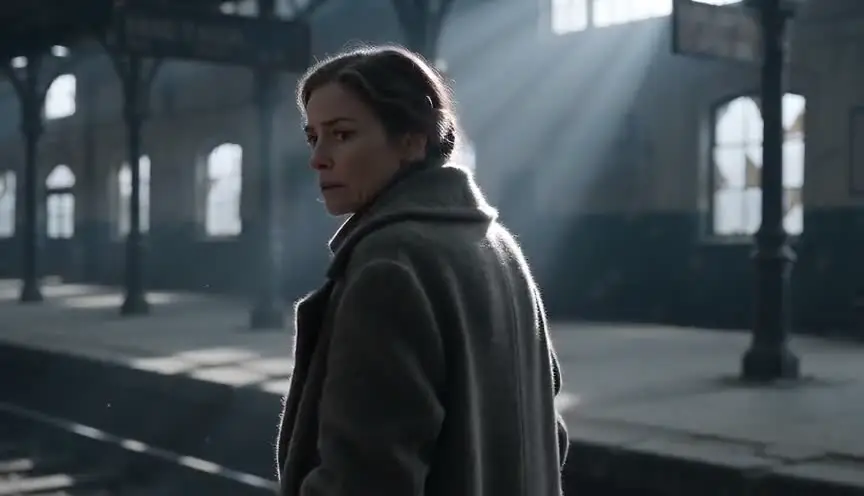
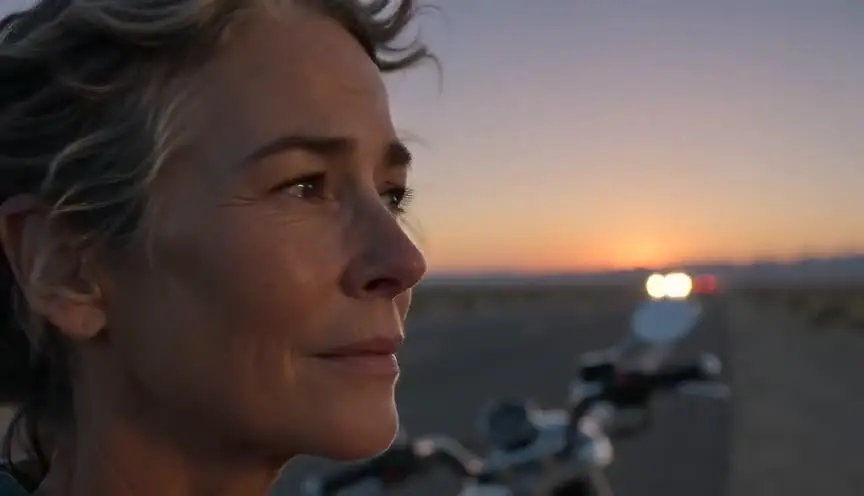
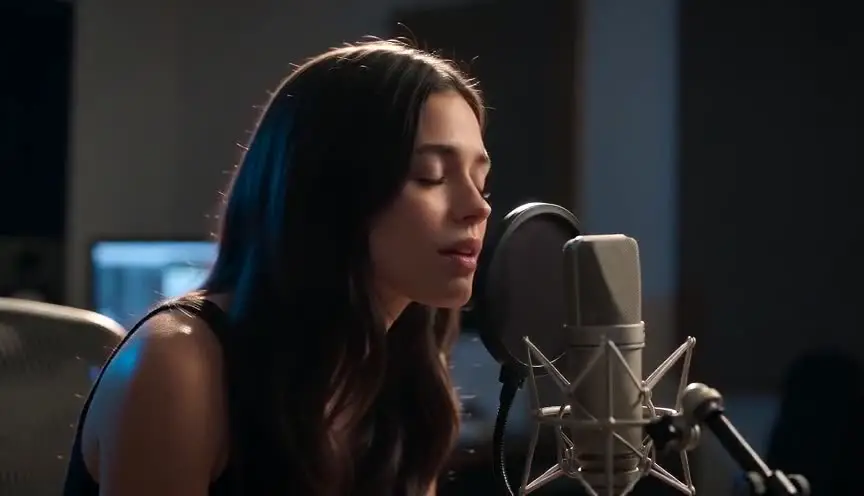
A close-up frames a face from roughly the top of the head to the chin, or an object large enough to fill the screen. The audience stops watching the situation and starts reading a person's mind.
Also calledCUTight shotHead shot
Shot sizes
Why it works on screen
The close-up is where performance lives. It serves the beats that happen behind the eyes: a decision taken, a lie swallowed, a memory arriving, love recognized too late. It creates intimacy and empathy, but also judgment, because nothing can hide at that distance. A scene earns it when the inner change is the event, when what the character feels matters more than what they do. Good directors hold close-ups back, so that when a scene finally moves in, the audience senses the story has reached its center. A film with close-ups everywhere loses that power.
The shot list line
- Size
- Close-up
- Angle
- Eye level
- Movement
- Static
- Lens
- 85mm
- Duration
- 3 to 6 s
Place the camera close to the actor's eyeline and light the eyes carefully, since every flicker of expression becomes the scene at this size.
Screenplay
On the page
Do not write CLOSE ON or CLOSE-UP in a spec script. The reader imagines a close-up whenever you describe a small, precise change in a face: jaw tightening, a smile that fades, eyes going wet. That is the writer's tool. Keep those beats short and specific. When you direct, the close-ups go in the shot list, where you plan which lines get them and which moments stay wider.
INT. THE CROOKED STILE PUB - DINGLE - NIGHT
A session in the corner: fiddle, bodhran, tin whistle. Pints on every table.
BRIDGET FOLEY (67) wipes the counter, half listening.
The fiddler starts a slow air. Bridget's hand stops mid-wipe.
Her lips move with the tune, no sound. Her eyes fill, but she keeps them on the fiddler.
BRIDGET
(barely audible)
He always played it too fast.
Storyboard
In the storyboard
Draw the face filling most of the panel, top of the head slightly cropped, chin just above the lower edge. Mark the eyeline with a small arrow pointing to the person or thing the character is looking at, and write that target in the margin. Note the lens, the light direction on the face and the exact line or beat the close-up must cover.
Pairs well with
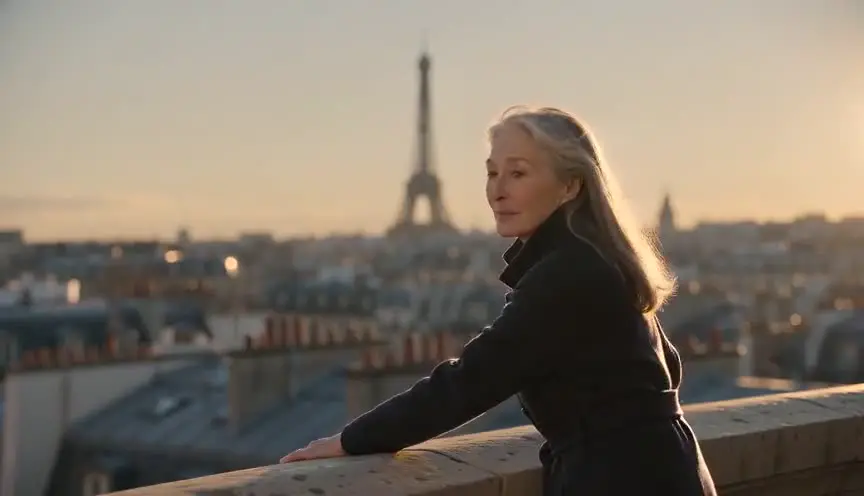
A medium shot before the close-up shows the character's body and surroundings. Moving in marks the moment the scene turns inward and tells the audience where to look.
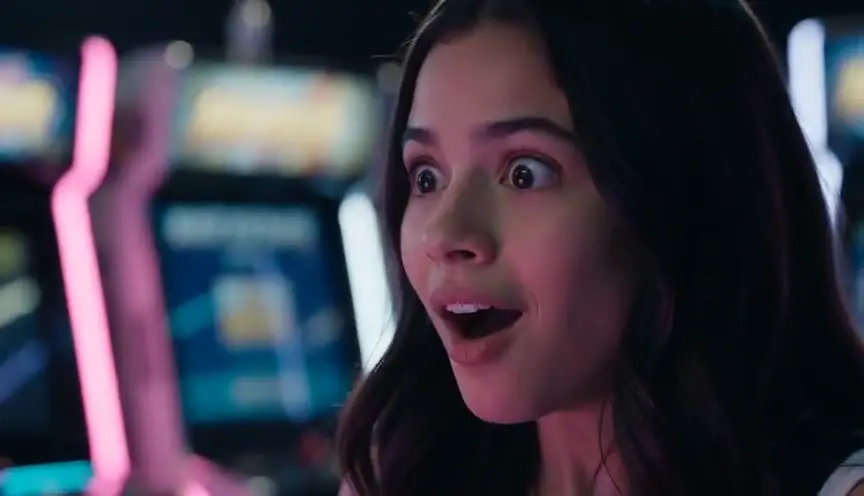
A close-up of one character followed by a reaction shot of another turns emotion into dialogue without words. Each face answers the other.
Reference
Watch it in
The Silence of the Lambs (1991)
In the interrogation scenes, close-ups on both faces, often staring straight at the lens, turn conversation into a mental duel played through the eyes.
Persona (1966)
The two women's faces return again and again in close framing, at times blending together, until the close-up becomes the film's real subject.
ScreenWeaver
Set it up in ScreenWeaver
Write the small change in the face as its own action beat, and ScreenWeaver breaks the scene down into shots automatically. Open that shot, set the framing to close-up at eye level, keep the movement static and set a duration that covers the beat. The character carries from shot to shot, so the face, costume and lighting match the wider coverage. Compare the close-up with its neighbors in the AI previsualization to decide where to cut in.
Start writing for freeThe prompt behind this clip
This is the exact prompt that rendered the clip at the top of the page. Keep the description of the camera and the light, change the subject and the place.
Close-up shot of a weathered river guide in his fifties, dark skin beaded with sweat, framed from the collarbone up against the blurred green of a rainforest river behind him. Shot on an 85mm lens at a wide aperture so the jungle and water dissolve into soft bokeh, his face the only sharp element. Soft overcast light wraps evenly across his features. The camera holds static as his eyes narrow slightly and his jaw tightens, reacting to something unseen downstream, then his expression eases into quiet resolve. No text.
Common mistakes
- 01
Close-ups everywhere
If every line is covered tight, the audience loses the space and the emotional peaks flatten. Keep wider shots for most of the scene and move in when it matters.
- 02
Wrong eyeline
If the actor looks too far from the lens, the close-up feels detached. Place the other actor or a mark right next to the camera.
- 03
Too wide a lens
A wide-angle lens close to a face distorts the nose and chin. Use a longer focal length and step back for a natural, flattering close-up.