Long takeNo cut, no escape
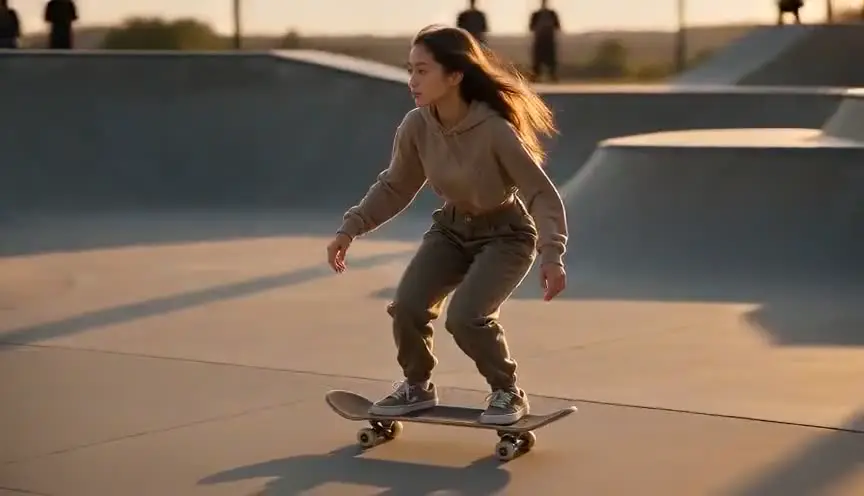
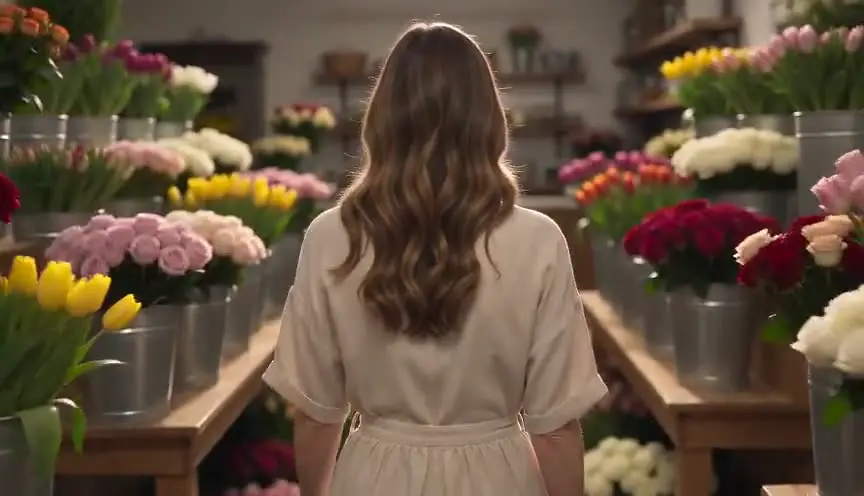
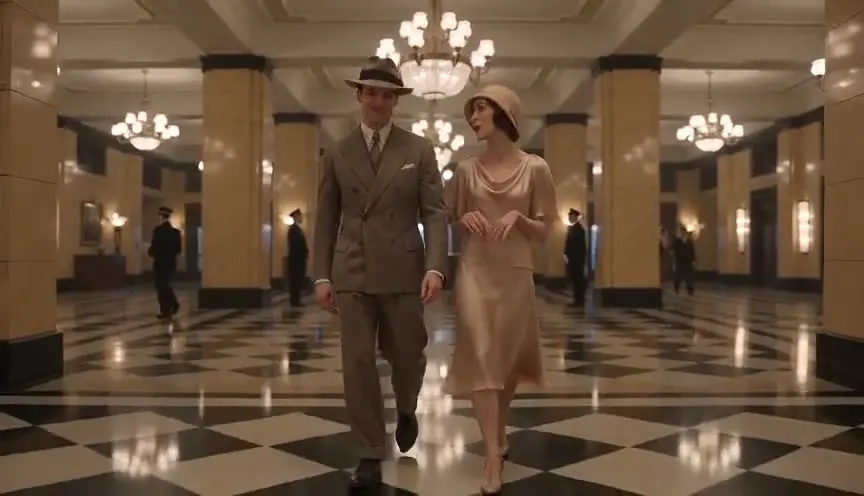
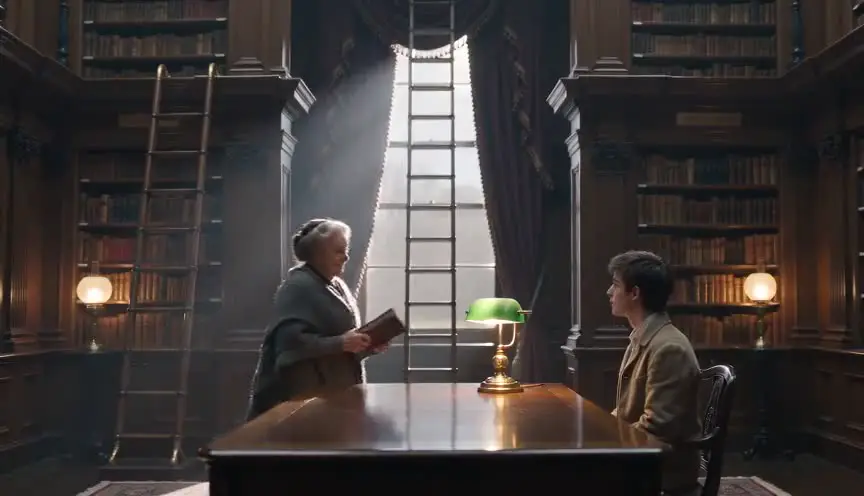
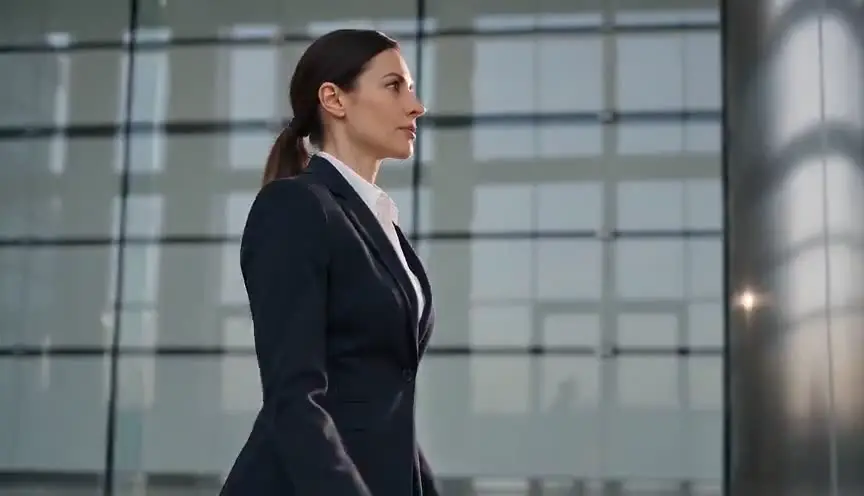
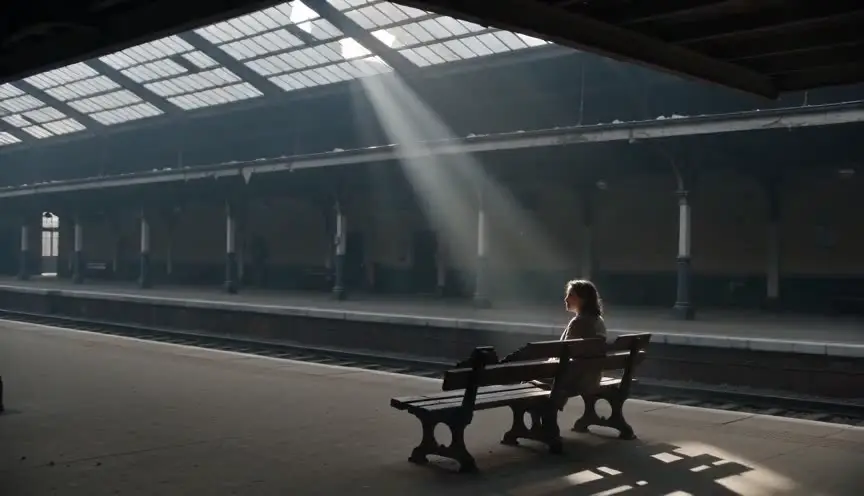
A long take runs a scene or a large part of it as one unbroken shot, with the camera and the actors carrying all the changes of framing. The audience loses the relief of the cut and feels they are living the scene in real time, beside the characters.
Also calledOnerContinuous takeUnbroken takePlan-sequence
Time and motion
Why it works on screen
Use it when the story needs presence and pressure. A long take traps the audience with the characters: in an ambush, a first day at a job, a party where one person is falling apart, a walk that shows how powerful someone has become. It serves immersion, dread, bravado and intimacy. Performances gain a continuous rhythm that cutting would break. A scene earns it when the space and the time both matter, when you want the audience to understand exactly where everyone is and to feel every second pass. If the take exists only to prove it can be done, the audience will watch the camera instead of the scene.
The shot list line
- Size
- Varies within the take, from wide to medium close-up
- Angle
- Mostly eye level
- Movement
- Steadicam or gimbal follow, with stops and reframes
- Lens
- 24mm to 35mm
- Duration
- 30 s to several minutes
Walk the full route with the actors and the camera operator before lighting, then lock marks, door timings and focus pulls as if they were dialogue.
Screenplay
On the page
Avoid writing "one continuous shot" as an order in a spec script. Instead, write the scene so it flows without breaks: one character leads us from room to room, events overlap, no time is skipped. A reader will feel the continuity, and a director will see the opportunity. If the unbroken take is central to your concept, one brief mention at the top of the scene is acceptable. The route, the marks and the choreography belong in the shot list, a floor plan and rehearsals.
INT. FERRY TERMINAL, HELSINKI - MORNING
SAARA LEHTONEN (35, high-vis vest, radio on her shoulder) pushes through the passenger hall, answering three questions at once.
She ducks past a family with a sleeping toddler, through a staff door, down a metal stairway.
The car deck. Engines rumbling. A truck driver waves her over, shouting.
She keeps walking toward the bow, where a small crowd has gathered around something on the ramp.
SAARA
Nobody touch it.
Storyboard
In the storyboard
A long take needs a floor plan more than panels. Draw the route from above, numbering each position where the framing changes, and link them with a line and arrows. Then draw a small panel for each numbered position: wide in the hall, medium on the stairs, close on the discovery. Note the timing for each segment, the doors that must open, the extras who must cross, and the hidden cut points if any.
Pairs well with
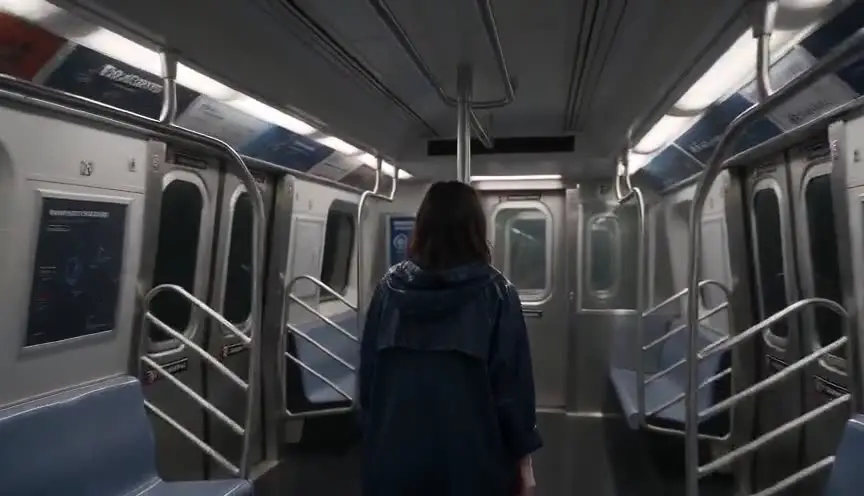
A Steadicam lets the camera follow actors through doors, stairs and crowds while staying fluid, which is what keeps a long take from feeling like a handheld documentary unless you want that.
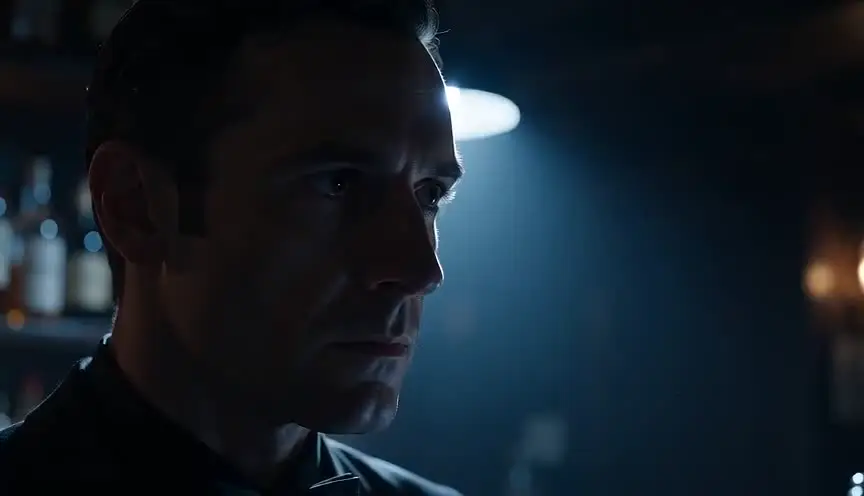
Ending a long take with a smash cut releases minutes of held tension in one blow. The audience has had no cut for so long that the sudden edit lands like a door slamming.
Reference
Watch it in
Goodfellas (1990)
Henry leads his date through a back door and the club kitchen to a front table in one sweep, showing how every door opens for him.
Children of Men (2006)
The attack on the car unfolds in a single uninterrupted shot inside the vehicle, so the violence arrives with no edit to cushion it.
Rope (1948)
Hitchcock shot the story in takes as long as a film reel allowed, hiding most joins so the evening seems to play out without interruption.
ScreenWeaver
Set it up in ScreenWeaver
Write the scene as one continuous flow in your screenplay, and ScreenWeaver breaks it down into shots automatically. For a long take, keep the moments of the route as separate storyboard shots and use them as waypoints: set the framing and angle at each stage, the movement between them, and a duration for each segment. Characters and locations carry from one shot to the next, so the route stays coherent. Watch the AI previsualization end to end to check the rhythm before you plan the real choreography.
Start writing for freeThe prompt behind this clip
This is the exact prompt that rendered the clip at the top of the page. Keep the description of the camera and the light, change the subject and the place.
Long take, one continuous unbroken shot inside a snowy mountain cabin at dusk. A woman in a thick wool sweater stands at a frost covered window, then turns and walks slowly across the wooden floor toward a stone fireplace, feeding a log into the flames as snow keeps falling outside the glass behind her. The camera follows at a steady walking pace on a smooth handheld path, never cutting, staying at eye level the whole time, warm firelight rising on her face as she kneels by the hearth. No text.
Common mistakes
- 01
Dead stretches
A long take still needs events. If nothing changes for twenty seconds, the audience feels the length rather than the tension. Plan a new beat, a reveal or an entrance at each stage of the route.
- 02
Showing off the camera
When the move draws attention to itself, the audience watches the craft instead of the characters. The route should follow the story and the actors, not a clever path.
- 03
No safety coverage
One missed mark ruins minutes of work. Plan hidden cut points or pickup shots, so the scene can still be edited if the full take never comes out right.