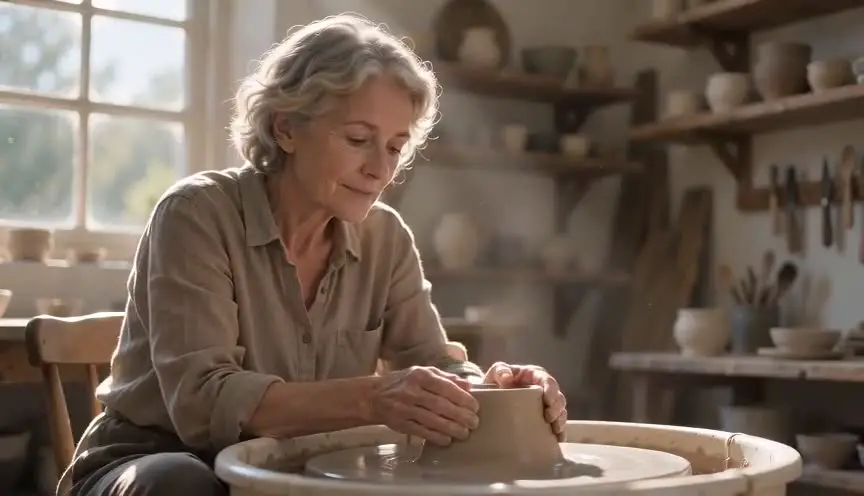
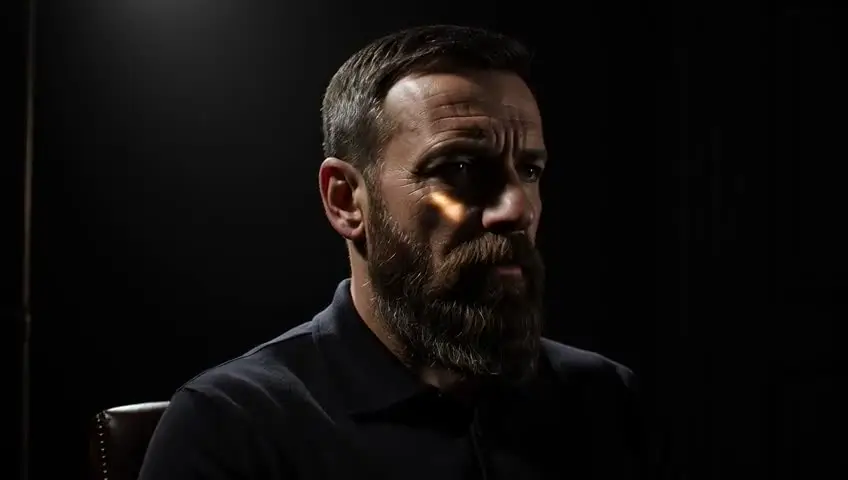
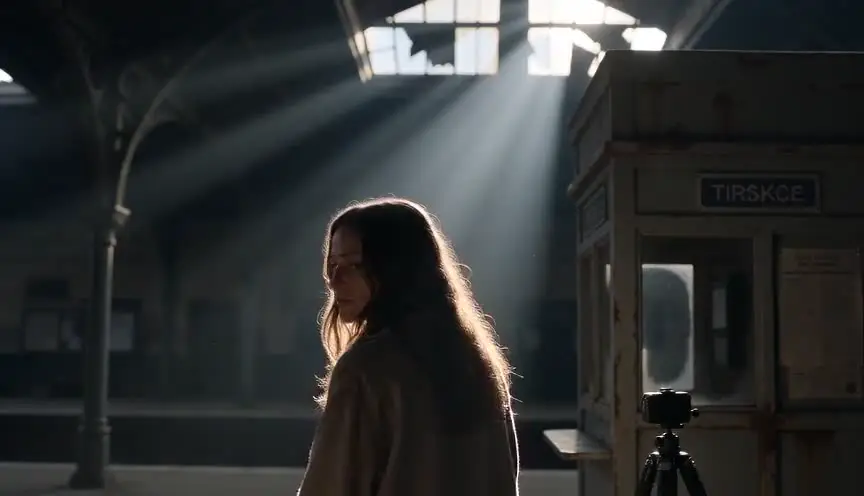
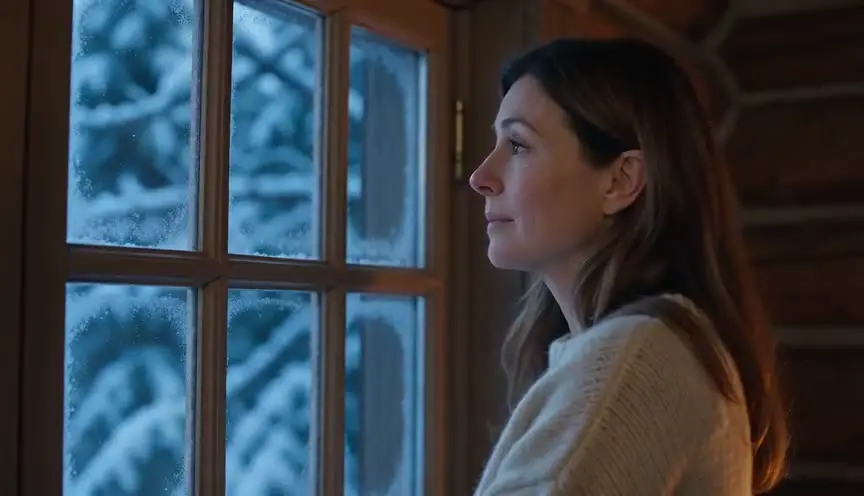
Short lightingShape and secrets in a face
Short lighting keys the side of the face turned away from the camera, so the side nearest the lens falls into shadow. The face looks slimmer and more sculpted, and the audience senses a person with an inner life they are not sharing.
Also calledNarrow lightingShort key lighting
Lighting
Why it works on screen
Use it for drama that lives inside a character. Because the shadow faces us, we have to look past it to reach the eyes, and that small effort creates intimacy and tension at once. It serves grief, doubt, guilt, longing, and any scene where a character listens more than they speak. It also gives a flat face more shape, which is why it is so common in serious dramas and noir. A scene earns it when the audience should feel close to a person but not fully let in, when the most important thing in the scene stays unsaid.
The shot list line
- Size
- Medium close-up
- Angle
- Eye level, face in three-quarter view
- Movement
- Static
- Lens
- 85mm
- Duration
- 5 to 8 s
Place the key on the far side of the face, away from camera, and let the near cheek fall into shadow; keep a small catch light in the near eye.
Screenplay
On the page
Short lighting is a craft decision for the cinematographer, not a line for the screenplay. On the page, place the source in the room: a window the character faces, a stove, a lamp across the table. Write the character turned toward that source while someone else watches them from the dark side of the room. That blocking suggests the pattern naturally. The key side and ratio go in the shot list, especially for coverage where the reverse must match.
INT. APARTMENT KITCHEN - OSAKA - NIGHT
Only the light over the stove is on. Steam rises from a small pot.
KENJI MORIMOTO (70s) stirs, facing the stove, his back half turned to the doorway.
In the doorway, his granddaughter AOI (20s) holds two bowls, the ones her grandmother used to set out.
Kenji does not turn around.
KENJI
Put them back. I only made enough for one.
Storyboard
In the storyboard
Draw the face in three-quarter view turned away from camera, then shade the near cheek, the side we see most of. Leave the far side lit. Mark the key with a lamp symbol beyond the face, on the far side, and draw the camera on the shadow side in a small overhead diagram. Note "short key" and the practical source (stove, window), and write the ratio if the mood is heavier or lighter than the rest of the scene.
Pairs well with
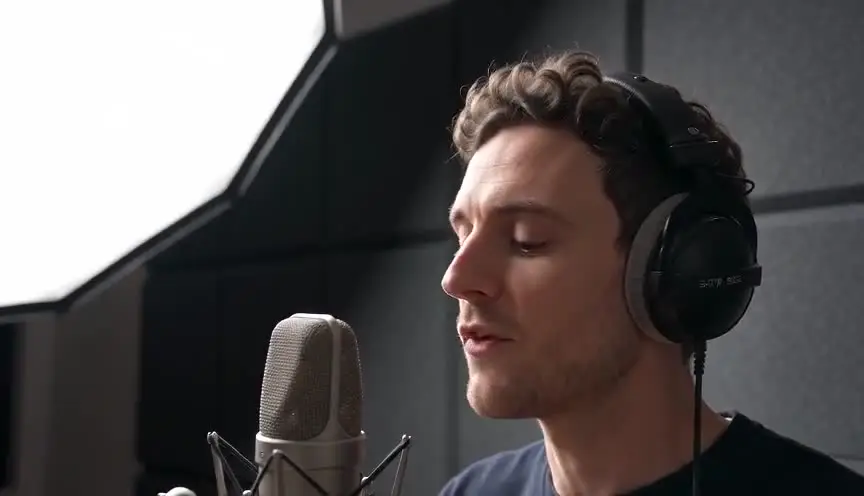
Cut from a broad-lit face to a short-lit one as a character withdraws. The same person under the other pattern suddenly looks more closed and more private, without a word said.
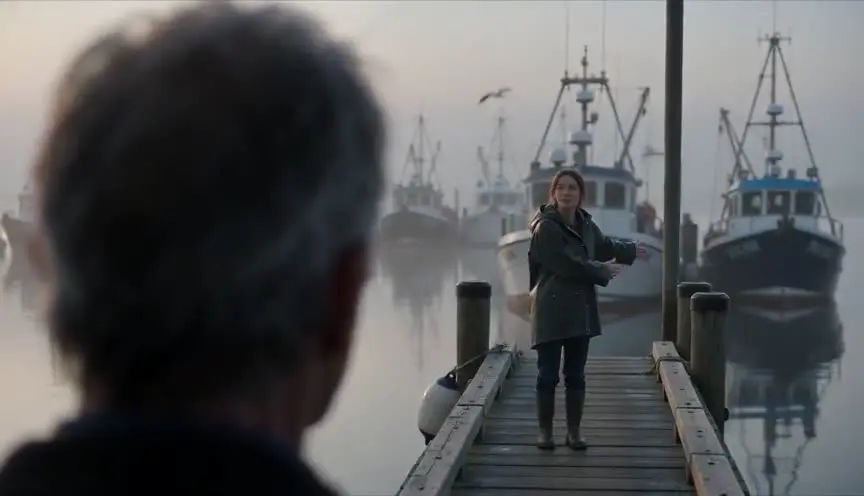
Shooting over the shoulder of the other actor places the camera on the shadow side of the face naturally, which makes short lighting easy to keep consistent through a conversation.
Reference
Watch it in
Double Indemnity (1944)
Hard short lighting narrows the faces of the two leads and pulls them toward darkness, matching a story where nobody is clean.
The Godfather (1972)
In Vito's office, Gordon Willis keys faces from the far side and leaves the camera side in shade, for portraits that feel carved and guarded.
ScreenWeaver
Set it up in ScreenWeaver
Write the room's source and where each character faces, and ScreenWeaver breaks the scene into shots automatically. Open each close-up, set framing in three-quarter view at eye level, keep the movement static and set a duration that lets the silence play. Note "short key" on the shot so both sides of the coverage stay consistent. Characters and the location carry from shot to shot, and the AI previsualization shows whether the face reads as private or simply dark.
Start writing for freeThe prompt behind this clip
This is the exact prompt that rendered the clip at the top of the page. Keep the description of the camera and the light, change the subject and the place.
Short lighting: a weathered fisherman in his fifties stands on a wooden dock at dawn, mending a net, his face turned three-quarters away from the camera so the hard key light from the low sun behind him lights only the far side of his face, leaving the near cheek and eye in deep shadow. The camera holds a static medium close-up at eye level, thin fog drifting low over the harbor behind him, boats silhouetted in the background. The shadow edge across his nose stays sharp and unmoving for the full shot. No text.
Common mistakes
- 01
Near eye goes black
With too little fill, the eye closest to camera disappears and the audience loses the performance. Keep a small catch light or a touch of bounce in that eye.
- 02
Confusing the sides
Short and broad depend on where the camera is, not on the light alone. When the camera moves to the other side, the same key becomes broad lighting. Check both setups in the plan.
- 03
No reason for the source
A key placed behind the face with no lamp or window there looks staged. Put the motivating source in the set, on the side the actor faces.