Wet-downTurning pavement into a mirror
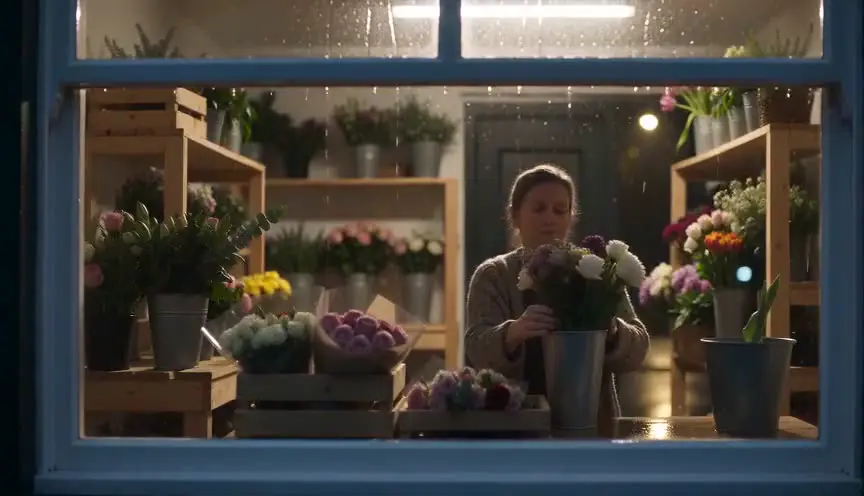
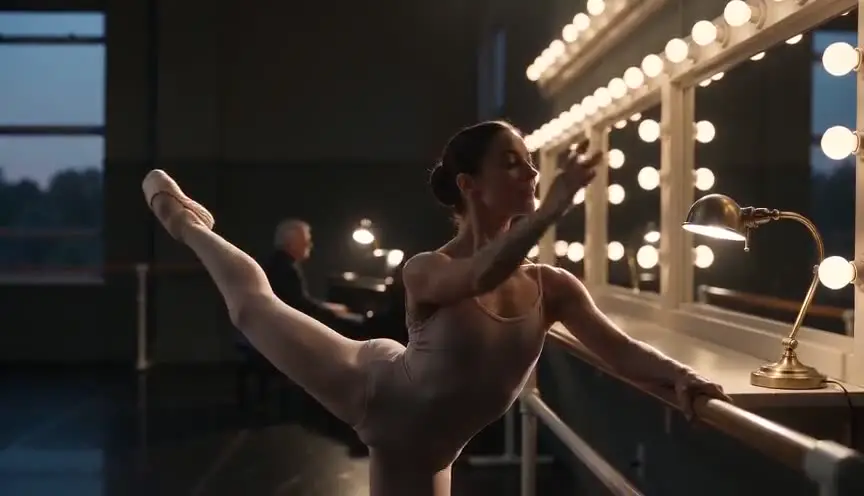
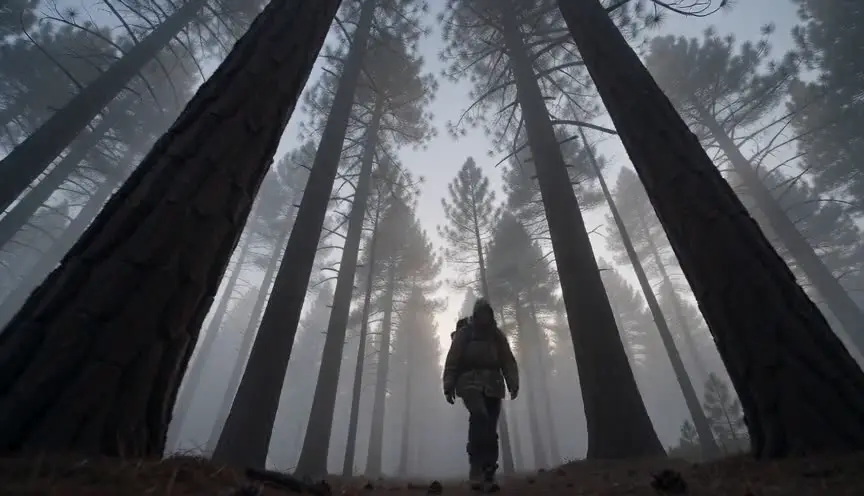
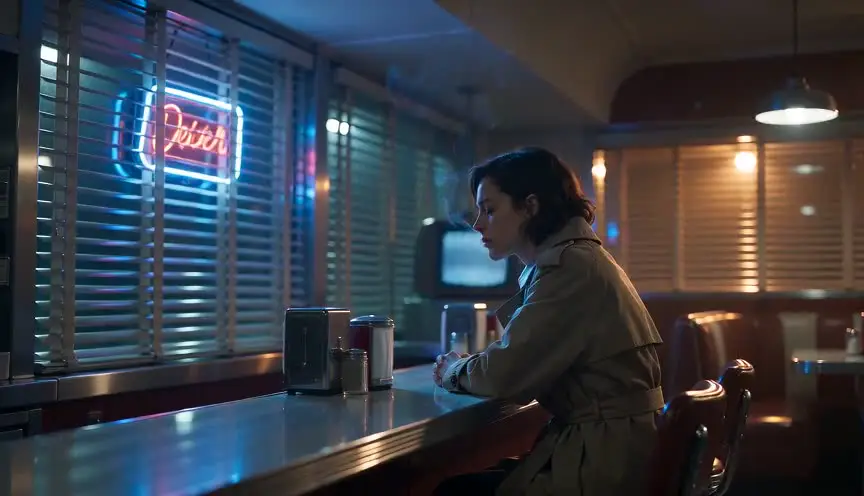
A wet-down is the practice of hosing streets, floors or sets with water before a take, so surfaces shine and reflect every light source. Night scenes gain depth and color, and the city looks as if it just rained.
Also calledWetdownWater-downStreet wetting
Atmosphere and weather
Why it works on screen
Dry asphalt at night is a black hole in the frame. Wet it, and every lamp, sign and headlight doubles in long reflections, so the ground becomes part of the image. For the story, wet surfaces suggest a world after rain: tired, dirty, restless, a little dangerous. It serves crime, loneliness, urban romance and moral murk. A scene earns it when the city itself should feel like a character, when a chase, a meeting or a walk home needs the night to look alive. It also reads as time passing: the storm happened offscreen, and the characters are dealing with what it left.
The shot list line
- Size
- Wide or medium wide, with the ground in frame
- Angle
- Low angle, close to the pavement to catch reflections
- Movement
- Static or slow dolly toward the subject
- Lens
- 24mm to 35mm, low to the ground
- Duration
- 5 to 10 s
Wet the ground right before each take, keep lights behind the subject and look for the angle where reflections stretch toward the lens.
Screenplay
On the page
A wet-down is a production method, so the term does not belong in a screenplay. What you can write is the result the audience sees: a street still shining from rain, puddles holding the neon, a character's reflection splitting under a passing tire. That tells the director the night is wet without asking for a storm. The hoses, the water truck and the timing of each pass belong in the shot list and the production schedule.
EXT. ALLEY BEHIND A NOODLE BAR - TAIPEI - NIGHT
The rain has stopped. Every surface still shines.
A red lantern hangs over the back door, and the ground repeats it in a long trembling line.
CHEN YU-TING (23, delivery helmet, soaked sneakers) waits by her scooter.
Footsteps. Two reflections walk toward her before the men who cast them come into the light.
YU-TING
I only carry the food.
Storyboard
In the storyboard
Draw the ground as a separate layer and sketch every light source twice: the lamp itself and its long, vertical reflection below. Add a few wavy lines to show a trembling surface. Mark the camera low, with a small note "low angle for reflections". Circle the areas to wet down in a simple overhead diagram, and write the pass timing in the margin (before each take, before the wide).
Pairs well with
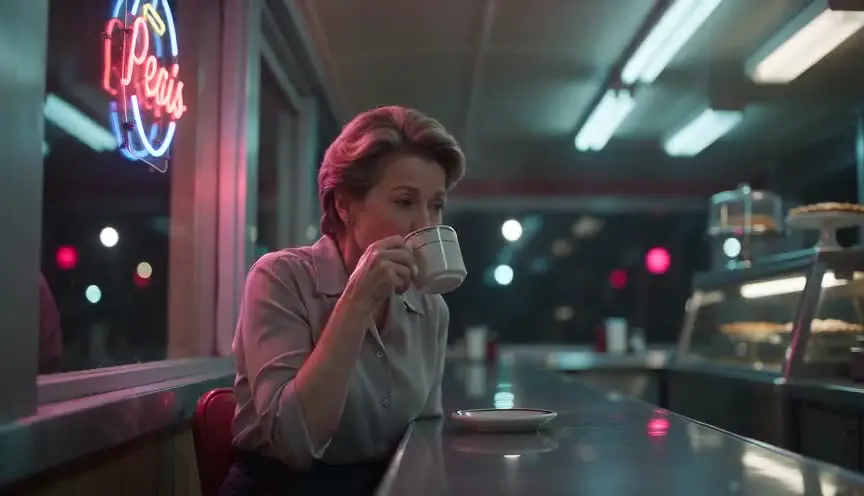
Neon signs on wet asphalt double their color in long streaks, so a dark street fills with light. The two together build the classic rain-soaked night city in a single frame.
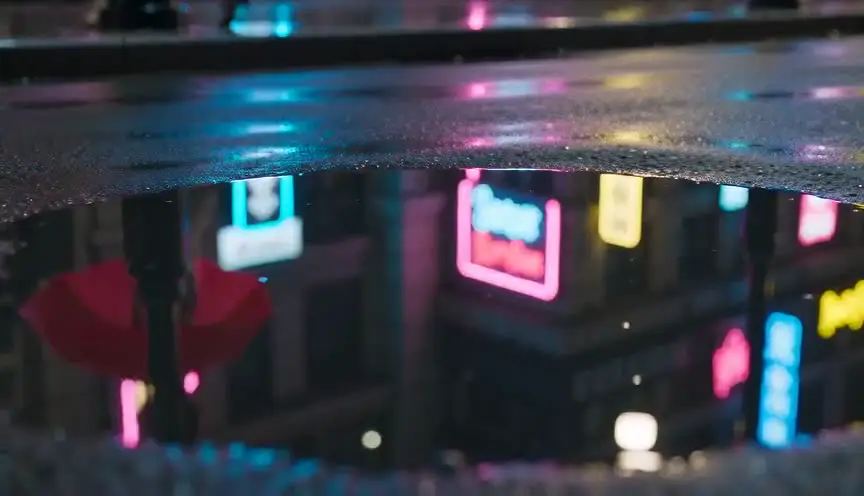
Once the ground holds reflections, frame a character through a puddle or show their reflected figure first. The wet surface becomes a storytelling layer, not just texture.
Reference
Watch it in
Blade Runner (1982)
Streets and alleys are kept wet so neon and car lights stretch into long reflections on the ground, a core part of the film's look.
Se7en (1995)
Almost every exterior is hosed down so the city stays dirty and soaked, adding to the heavy, waterlogged mood that never lets up.
ScreenWeaver
Set it up in ScreenWeaver
Describe the shining street in your action lines, and ScreenWeaver breaks the scene down into shots automatically. Open the exterior shots, set the framing to include the ground, choose a low angle, a static or slow dolly movement and a duration long enough for reflections to read. Note "wet-down before take" in the shot description so it travels with the storyboard. The location carries from shot to shot, and the AI previsualization lets you judge the reflections before you schedule the water truck.
Start writing for freeThe prompt behind this clip
This is the exact prompt that rendered the clip at the top of the page. Keep the description of the camera and the light, change the subject and the place.
Wet-down: a slow push-in through a greenhouse at dusk, the stone floor and glass panels freshly hosed down so they hold a wet sheen that mirrors the warm overhead grow lights in long orange streaks. Water droplets bead on broad leaves and slide slowly down them, and the lower edges of the glass panes are still faintly misted. The camera moves forward at a steady, even pace on a slider, staying level, while the wet floor keeps shifting reflections as the light rakes across it. Background foliage stays soft and slightly out of focus. No text.
Common mistakes
- 01
Wetting without lights behind
Water only shows what it reflects. If no light source sits behind or beyond the subject, a wet street just looks darker. Plan practical lights, signs and windows in the background.
- 02
Surfaces that dry mid-scene
Warm nights and long setups dry the ground fast, and patchy reflections break continuity. Re-wet before each take and keep a crew member on the hose.
- 03
Puddles in the wrong places
Standing water that pools where actors walk causes slips and splashes. Check drainage, mark safe paths and keep puddles where the camera wants them.