ChiaroscuroLight that carves, shadow that holds
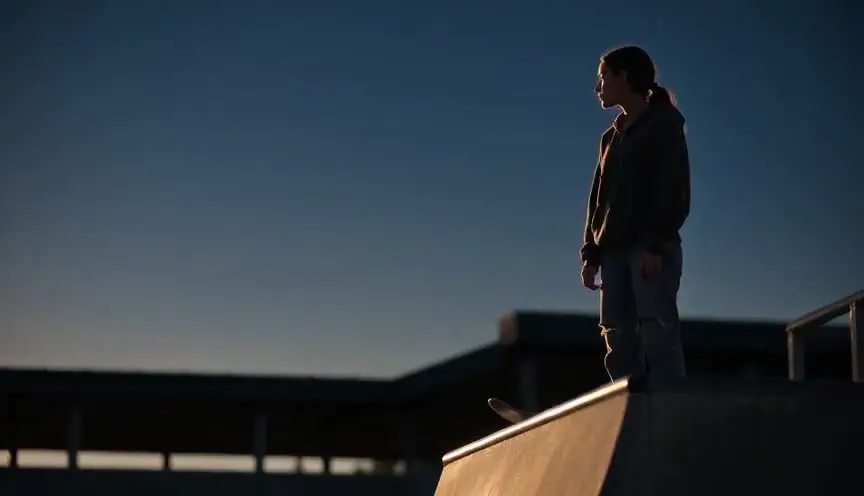
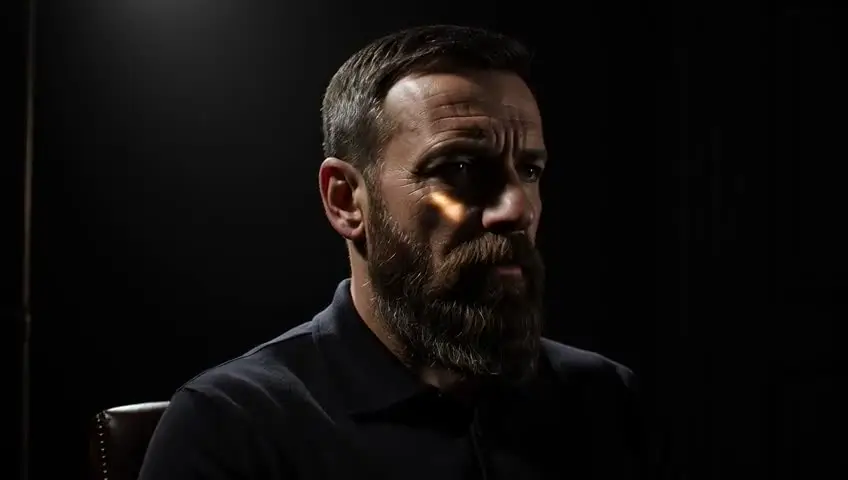
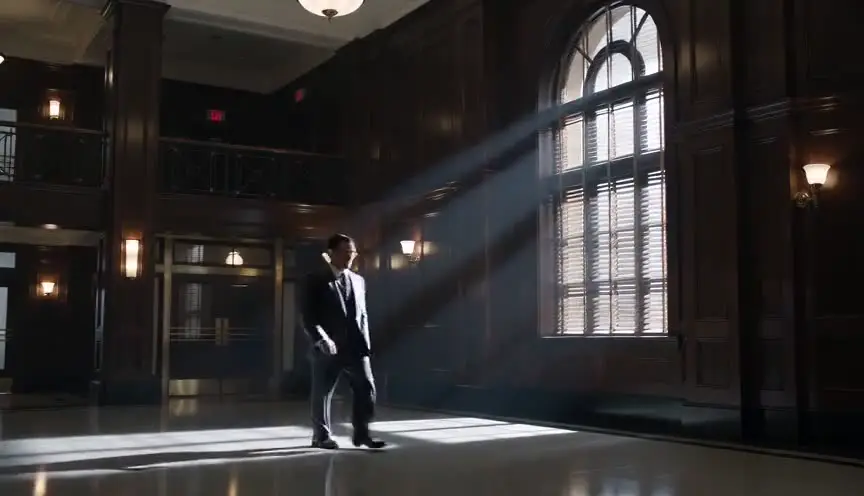
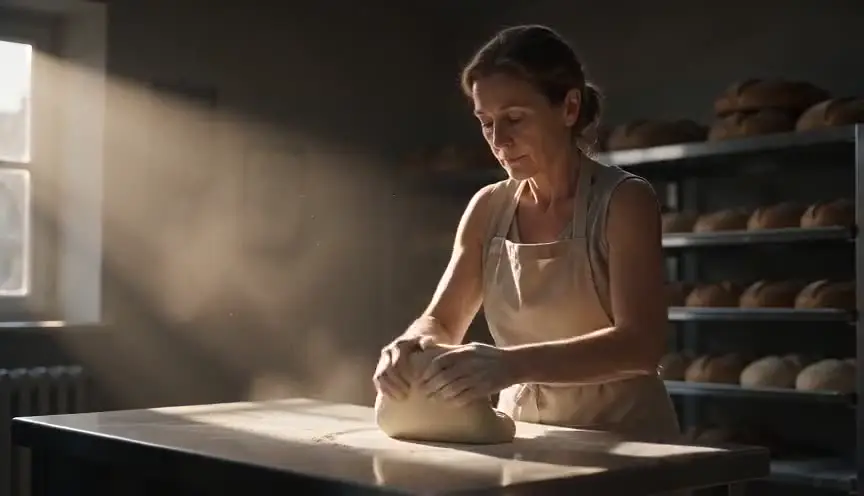
Chiaroscuro sets a strong, directional light against deep darkness so forms emerge from the shadow like figures in an old painting. The audience reads volume, texture and weight, and feels the gravity of what they are looking at.
Also calledChiaroscuro lightingPainter's lightHigh-contrast lighting
Lighting
Why it works on screen
Use it when a scene should feel timeless, sacred or morally charged. The sharp line between lit and unlit parts of the frame turns a room into a stage for judgment: who stands in the light, who stays in the dark, who steps across. It serves period drama, crime sagas, religious and mythic stories, and any moment where a character faces a choice with consequences. A scene earns it when the composition itself can carry meaning, when hands, faces and one or two objects are enough to tell the story, and everything else can be swallowed by shadow.
The shot list line
- Size
- Medium shot
- Angle
- Eye level, subjects in three-quarter view
- Movement
- Static
- Lens
- 40mm or 50mm
- Duration
- 6 to 10 s
One strong source from the side and slightly above, no fill; shape the falloff with flags so the light dies before the background walls.
Screenplay
On the page
A spec script should never say "chiaroscuro". It is a painter's term and it reads as a style note. On the page, build the effect from what exists in the scene: a single fire, a slit of window, a lamp on a workbench. Describe what emerges from the dark and what stays in it. That gives the director and the cinematographer the painting to make. Contrast ratios, the angle of the source and the falloff belong in the shot list.
INT. VILLAGE FORGE - ARAGON - NIGHT, 1790
The furnace mouth is the only light. Everything past the anvil is soot and dark.
MATEO IBARRA (50s), bare-armed, draws a glowing bar from the coals.
At the edge of the glow, his apprentice LUCÍA (16) holds out a sealed letter, her face half in shadow.
He does not take it. He sets the bar on the anvil.
MATEO
Read it to me. My hands are busy.
Storyboard
In the storyboard
Compose the panel like a painting: block the background in solid black, then cut the lit forms out of it with sharp edges on the source side and soft gradients toward the shadow. Mark the source with a lamp or flame symbol and one wide arrow. Label which faces and objects must stay lit. Write "chiaroscuro, single source, no fill" and note where a character crosses from dark into light if the blocking calls for it.
Pairs well with
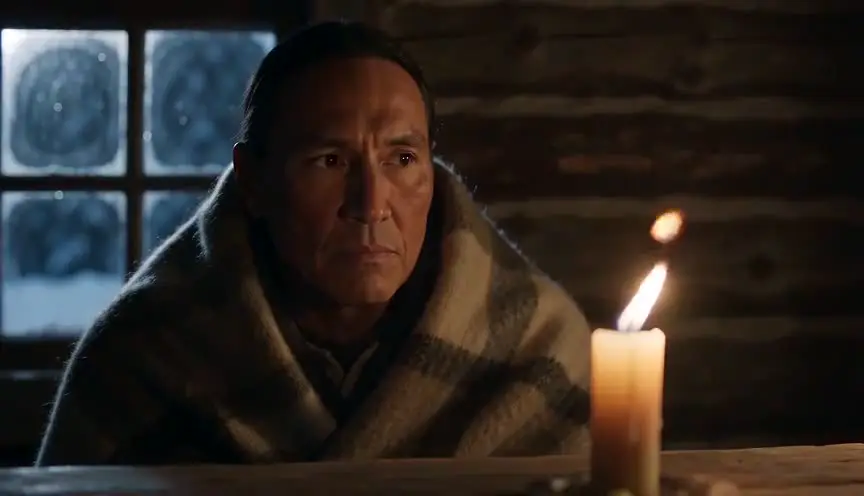
Candles and fire are the historical source of chiaroscuro. Establish the flame in the frame first, and the sculpted faces that follow feel born from the room.
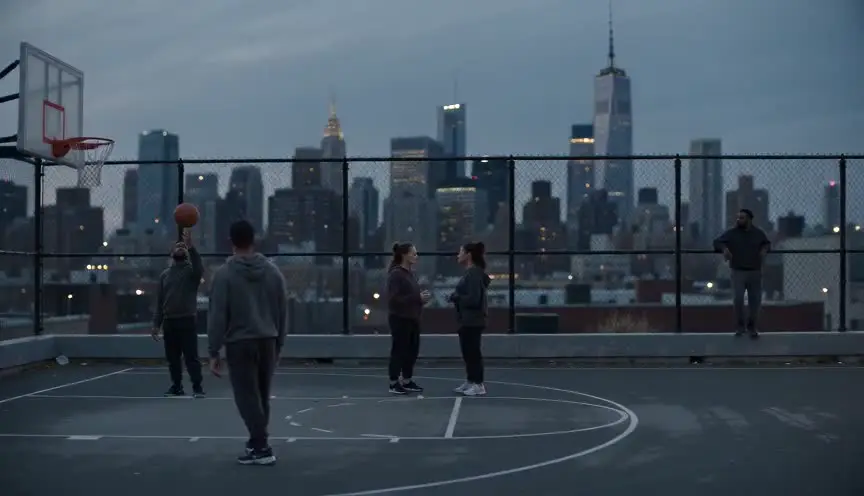
A static, composed tableau lets the audience study the pattern of light and shadow as they would a canvas, giving the chiaroscuro time to land before the scene moves on.
Reference
Watch it in
The Godfather (1972)
Gordon Willis lights the office from above and lets eyes and half of each face disappear, a visual shorthand for power kept out of sight.
Barry Lyndon (1975)
Stanley Kubrick films candlelit interiors with no added light, so faces fall off into darkness the way they do in 18th century portraits.
ScreenWeaver
Set it up in ScreenWeaver
Place the single source in your action lines and let ScreenWeaver break the scene down into shots automatically. Open each shot and set a composed framing, an eye-level angle, a static movement and a duration long enough to study the image. Add a note on the source and the no-fill look. Characters, costumes and the location carry from shot to shot, and the AI previsualization lets you compare compositions until the light reads like a painting.
Start writing for freeThe prompt behind this clip
This is the exact prompt that rendered the clip at the top of the page. Keep the description of the camera and the light, change the subject and the place.
Chiaroscuro lighting inside a small flower shop at dusk: a single hard shaft of light falls from an overhead work lamp onto a florist's face and hands as she trims stems, one side of her face and one hand fully lit with sharp detail, the other side of her body and the entire background collapsing into near total black. Petals and metal buckets flash briefly where the light grazes them. The camera stays locked off and completely static, the light source unmoving, only her hands and the flower stems shifting inside the narrow pool of light. No text.
Common mistakes
- 01
Contrast without composition
Chiaroscuro is not just a dark image. If the lit shapes are random, the frame looks messy. Decide what the light must reveal first, then compose around those forms.
- 02
Modern light in a period room
A perfectly soft, top-lit face breaks the illusion in a scene lit by fire. Keep the key low and warm, near the height and direction of the visible source.
- 03
Holding it too long
Painterly frames are rich but slow. A whole sequence of them can stall a scene. Break the stillness with movement or a cut when the dramatic beat has landed.