FPV drone shotFlying through the action at speed
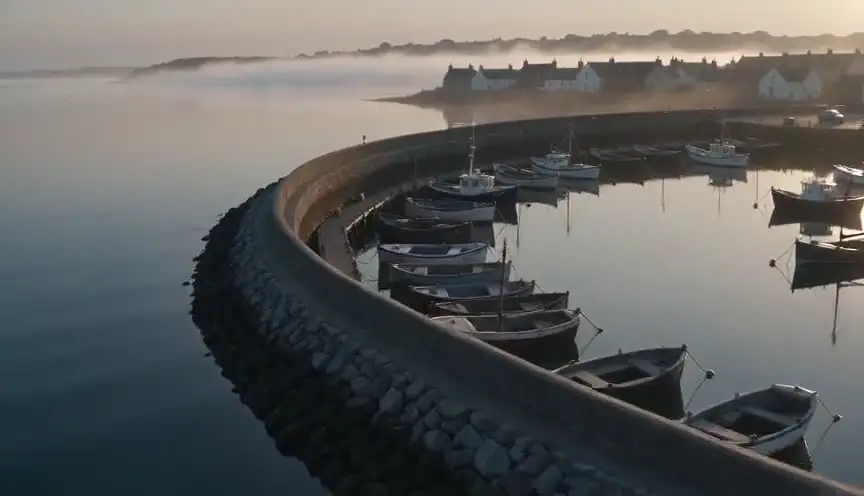
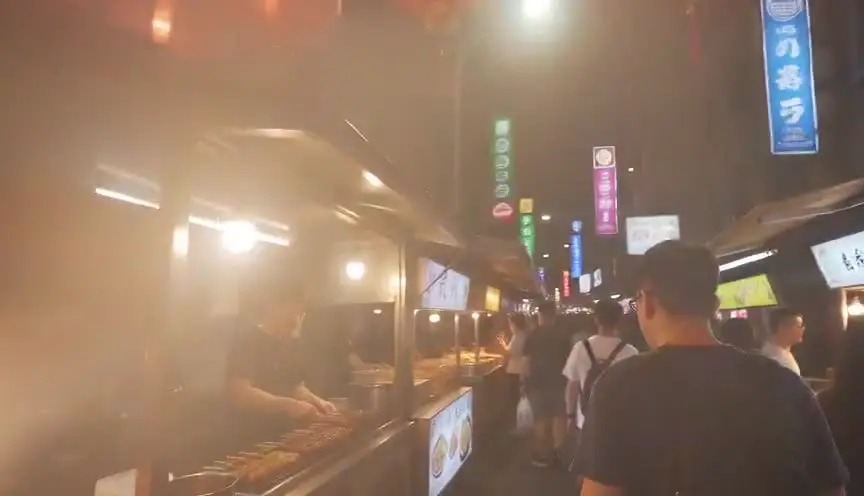
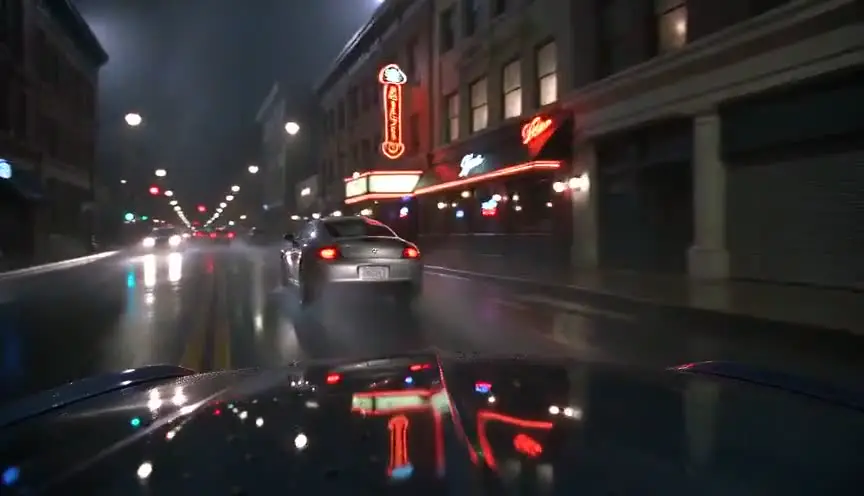
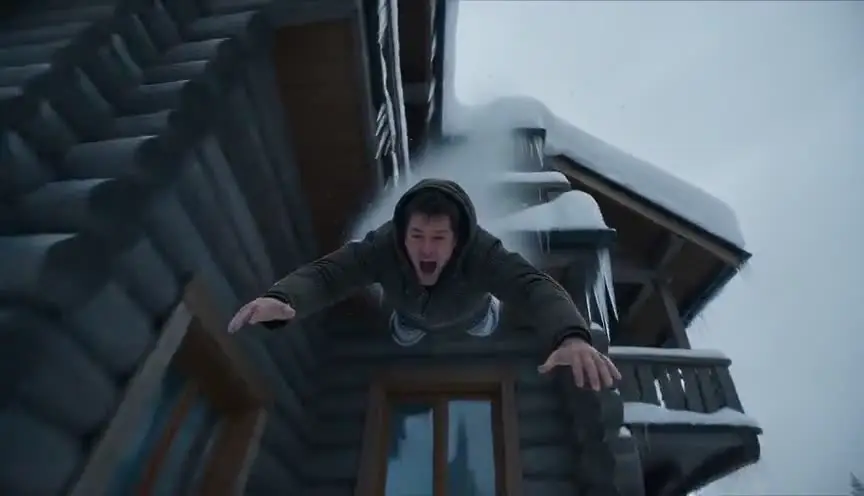
An FPV drone shot uses a small, fast racing drone flown by a pilot wearing goggles, so the camera can dive off cliffs, thread through windows and skim along the ground. The audience feels like they are flying, with a speed and freedom no other rig allows.
Also calledFPV shotDrone diveImmersive drone shotRacing drone shot
Camera movement
Why it works on screen
FPV shots bring physical thrill. The camera plunges down a skyscraper, weaves between trucks in a chase, rushes through a doorway and out the other side. It serves action, adrenaline sports, pursuit and grand transitions between places, as well as moments where a film wants to feel unbound by gravity. Because the movement is so energetic, it works best in bursts. A scene earns it when speed and space are the point: the audience should feel the drop, the rush and the near misses along with the characters.
The shot list line
- Size
- Wide to medium, changing constantly
- Angle
- Any, including inverted or diving
- Movement
- FPV drone flight: dives, weaves, fly-throughs
- Lens
- Wide action lens, around 14mm to 20mm equivalent
- Duration
- 3 to 15 s
Hire a licensed FPV pilot, walk the flight path with them, and clear the area and the actors' positions for safety before any take.
Screenplay
On the page
Do not write "FPV drone" in a spec script. You can write the sensation instead: a plunge from a height, a chase that twists through tight gaps, a rush across a landscape toward a character. Energetic, spatial action lines suggest the move without naming the equipment. In the shot list, describe the flight path, the obstacles, the speed and the safety plan, since these shots require a licensed pilot and careful preparation.
EXT. SEA CLIFF ABOVE A FJORD, WESTERN NORWAY - MORNING
Six hundred meters above the black water of the fjord.
INGRID HAUGEN (32, wingsuit, helmet camera) stands on the lip of the rock, toes over nothing.
Her brother ERIK (29) holds up three fingers. Two. One.
She tips forward and falls.
For a second there is only wind. Then the suit catches, and she is flying along the cliff face, fast, faster, just meters from the stone.
Storyboard
In the storyboard
Draw a side or top view of the flight path as a swooping line with arrows, marking dives, turns and fly-through gaps. Add small frame thumbnails at key points, including any inverted or tilted frames. Note the speed, the distance to actors, and the obstacles to pass. Label the shot FPV and add a safety note listing restricted zones and the pilot's position.
Pairs well with
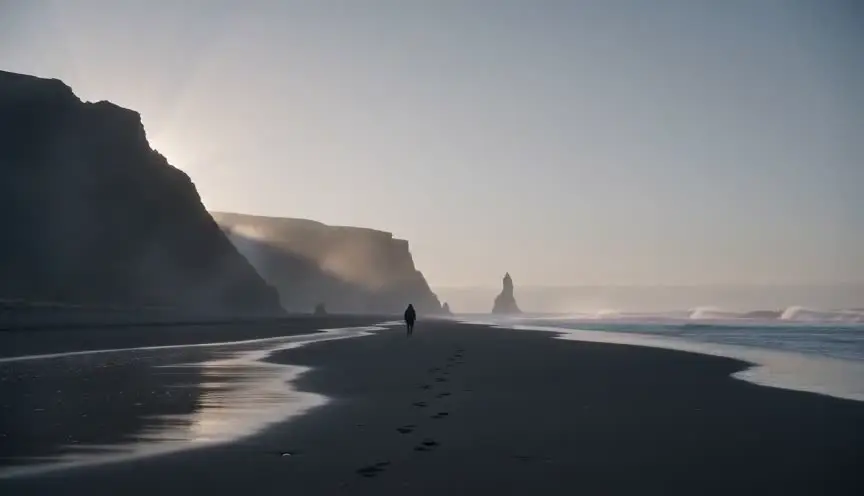
A stable establishing shot before the FPV dive shows the geography. The audience then knows the height, the gaps and the danger, and the flight becomes readable instead of confusing.
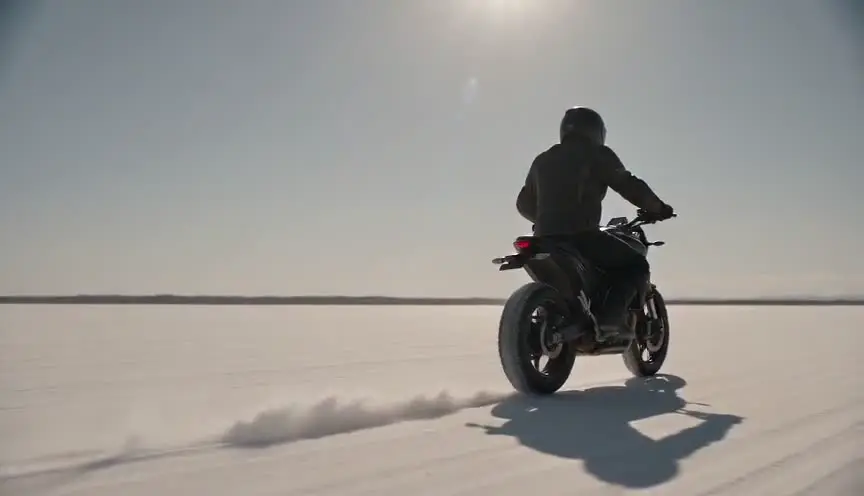
Ramping speed during an FPV flight, slowing down at a near miss and speeding up after, lets the audience savor the danger without losing momentum.
Reference
Watch it in
6 Underground (2019)
Racing drones dart through the streets and over the rooftops of Florence during the opening car chase, as behind-the-scenes footage shows.
Ambulance (2022)
Michael Bay sends small racing drones plunging down Los Angeles towers and swerving around vehicles in the middle of the chase.
ScreenWeaver
Set it up in ScreenWeaver
Write the rush or the dive as action in your screenplay, and ScreenWeaver breaks the scene down into shots automatically. Open the shot, set the framing and the angle, choose an FPV drone flight as the movement and keep the duration short. Characters and the location carry from shot to shot, so the cliff, the street or the building stays consistent. Use the AI previsualization to test the path and the pacing before you bring a pilot to the location.
Start writing for freeThe prompt behind this clip
This is the exact prompt that rendered the clip at the top of the page. Keep the description of the camera and the light, change the subject and the place.
FPV drone shot, first-person racing drone flying nose-down through a neon arcade at high speed, wide fisheye lens exaggerating the rows of glowing cabinets rushing past on both sides. The camera banks hard left to thread a narrow gap between two players, dips low under a hanging sign, then climbs and rolls slightly right toward a bright pink exit doorway, motion blur streaking the neon signage, continuous unbroken flight, no cuts. No text.
Common mistakes
- 01
Nonstop flying
An entire sequence of FPV swoops tires the audience and blurs the story. Use the shots as punctuation, cutting back to steady coverage between them.
- 02
Ignoring safety and law
FPV drones fly fast and close. Without a licensed pilot, permits and clear zones, you put actors and crew at risk. Budget for them from the start.
- 03
Lost orientation
Wild spins and inverted frames can leave the audience unsure where they are. Keep at least one steady reference, like a horizon or a character, in most of the flight.