BacklightLight that comes from behind
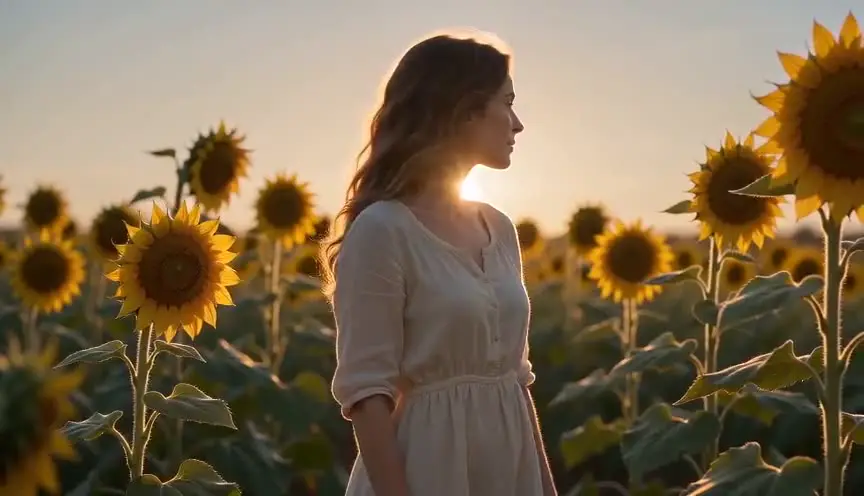
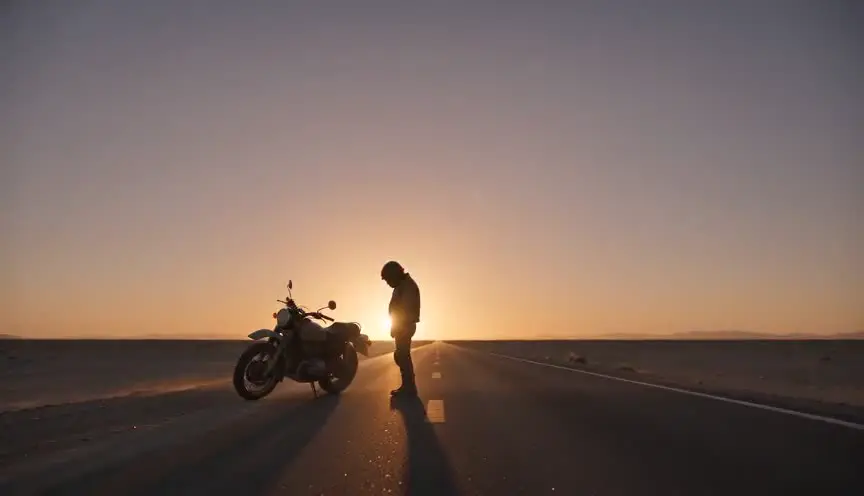
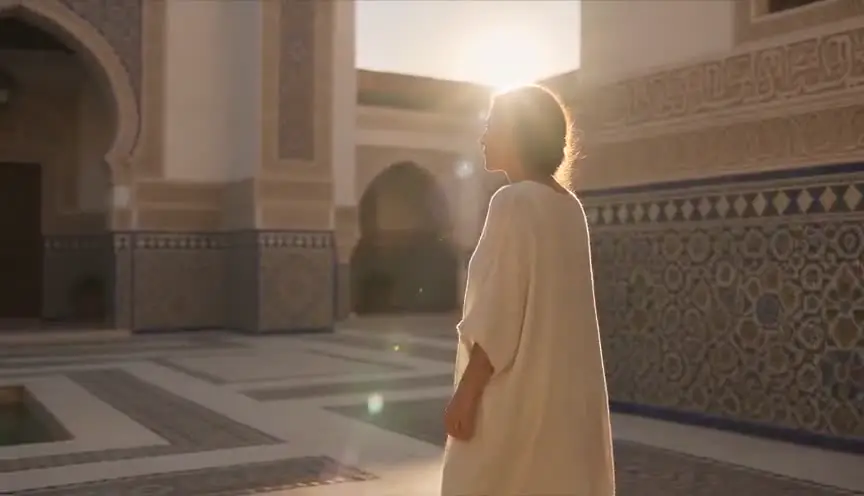
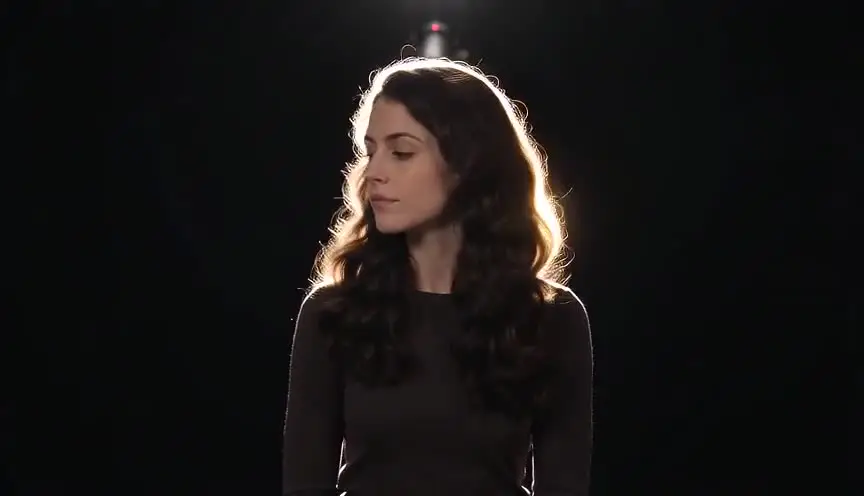
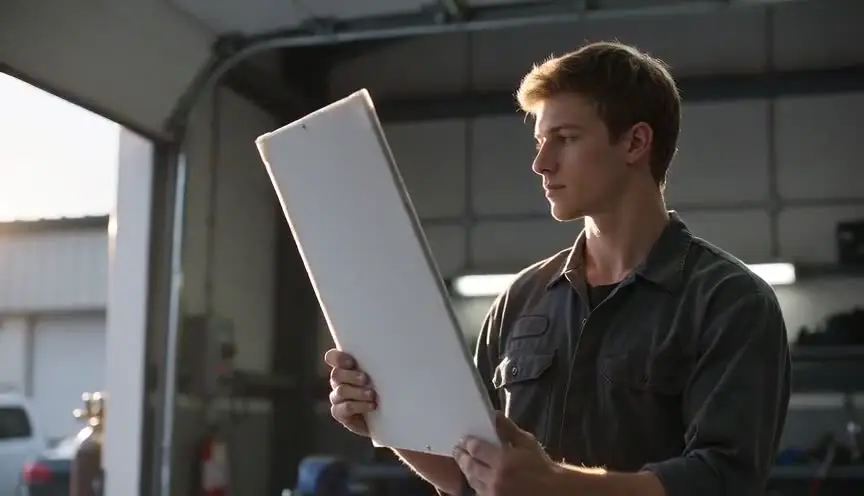
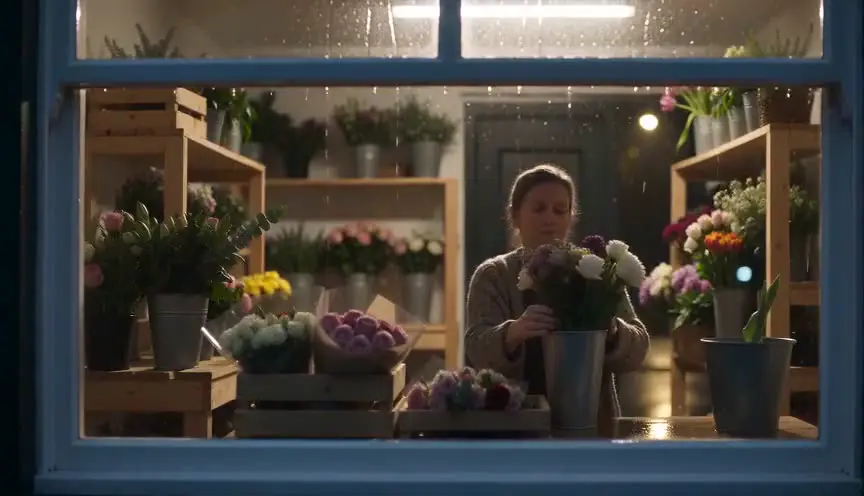
A backlight sits behind the subject, aimed toward the camera, so it outlines hair and shoulders and lifts them off the background. Pushed stronger, it turns people into glowing shapes or silhouettes, and the audience feels distance, mystery or grace.
Also calledBacklightingContre-jourBack light
Lighting
Why it works on screen
Backlight is the light of arrivals, memories and longing. A figure framed against a bright doorway enters like a revelation. A couple walking into the setting sun become shapes rather than people, which makes them universal. Dust, rain, breath and smoke only become visible when lit from behind. It serves nostalgia, romance, awe, threat from an unknown figure, and the sense of a world bigger than the characters. A scene earns strong backlight when who someone is matters less than what they represent, or when the story wants the audience to feel before it sees clearly.
The shot list line
- Size
- Full shot to medium shot
- Angle
- Eye level, camera facing the light source
- Movement
- Static, or the subject walks out of the glare toward the lens
- Lens
- 35mm to 85mm
- Duration
- 3 to 8 s
Put the strong source behind the subject, flag it off the lens to control flare, and decide whether to expose for the face or let it fall into silhouette.
Screenplay
On the page
Writers can suggest backlight honestly, because it comes from sources in the world. Write a figure in a bright doorway, a character walking toward the setting sun, a face against a window with the city glowing behind. Those images tell the director the subject is lit from behind without naming a fixture. If the character must be unrecognizable at first, say so in the action. The strength of the backlight, the exposure and any silhouette choice belong in the shot list.
INT. FARMHOUSE KITCHEN, HOKKAIDO - WINTER MORNING
The back door bangs open. Blinding white snowlight floods in.
A man stands in the doorway, only an outline, snow blowing past him.
OBĀSAN MICHIKO (80s) sets down her teapot. She cannot see his face.
MICHIKO
Who is it?
The outline takes off its hat.
SHŌTA (30s), her grandson, steps in out of the glare, ten years older than she remembers.
Storyboard
In the storyboard
Draw the light source large behind the figure: a doorway, a window, the sun. Outline the figure with a thin bright line around the head and shoulders, and shade the front of the body darker. Add small rays or haze if the air is visible. In a corner, sketch the overhead layout with the camera, the subject and the light directly behind. Note the exposure choice, silhouette or detail, and any flare allowed.
Pairs well with
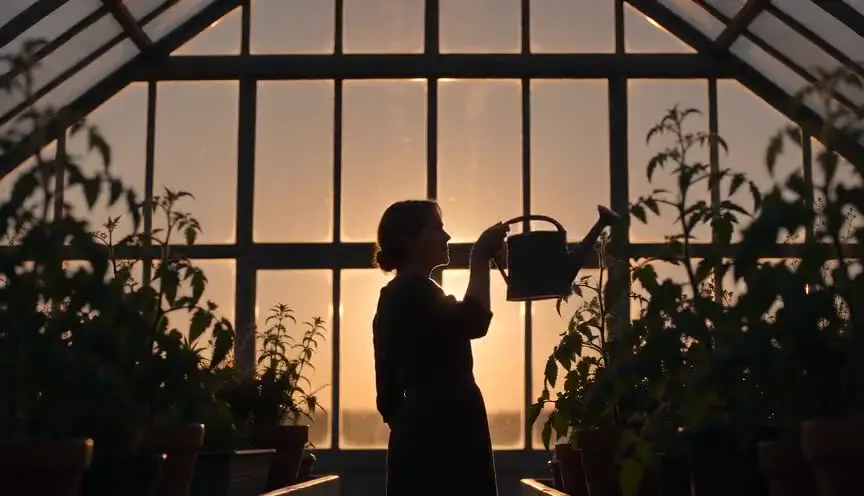
Push the backlight until the subject becomes a pure shape, then cut closer. The silhouette hides identity first, and the next shot reveals it, which turns lighting into a story beat.
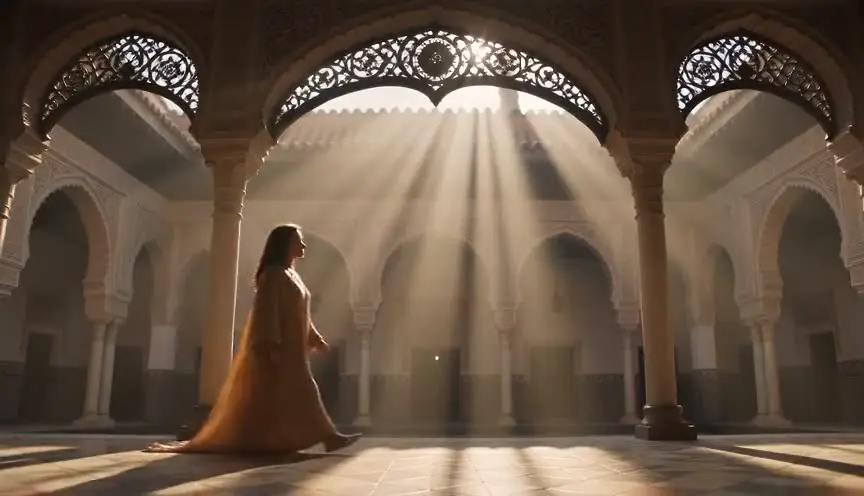
Add haze or dust so the backlight becomes visible beams in the air. The rays deepen the space behind the subject and give the scene a sense of scale.
Reference
Watch it in
Days of Heaven (1978)
Nestor Almendros shoots much of the film at magic hour, lighting figures in the wheat from behind until they glow as silhouettes.
E.T. the Extra-Terrestrial (1982)
The flying bicycle crosses in front of a full moon, and the backlight reduces the riders to a black graphic shape against the glow.
ScreenWeaver
Set it up in ScreenWeaver
Write the source behind the character, a doorway, a window or the sun, and ScreenWeaver breaks the scene down into shots automatically. Open the shot, set the framing to a full or medium shot, the angle to eye level facing the source, the movement static or with the subject stepping out of the glare, and a duration of three to eight seconds. The character and the location carry from shot to shot. Use the AI previsualization to judge silhouette against detail.
Start writing for freeThe prompt behind this clip
This is the exact prompt that rendered the clip at the top of the page. Keep the description of the camera and the light, change the subject and the place.
Backlight illuminates a busy ramen kitchen at night, a bright tungsten lamp mounted behind a line cook chopping scallions at a steel counter, its warm glow flaring directly toward the locked-off camera and lens. Steam rising from simmering broth pots drifts through the beam, turning the light into visible glowing shafts, while the cook's silhouette stays dark and edged with a thin bright rim along her shoulders and knife arm. The background kitchen equipment stays dim and underexposed. The camera holds a static 35mm frame for the full four seconds, only the steam and the cook's chopping motion move. No text.
Common mistakes
- 01
Uncontrolled flare
A light pointing at the lens washes out the image with flare and low contrast. Flag it just out of frame, or keep flare only when it serves the scene.
- 02
Lost faces by accident
Exposing for the bright background leaves faces black when you wanted them readable. Add a little front light or a bounce if the audience must see the eyes.
- 03
Backlight with no source
Strong backlight in a room with no window or lamp behind the actors feels fake. Place a practical or a window in the frame to justify it.