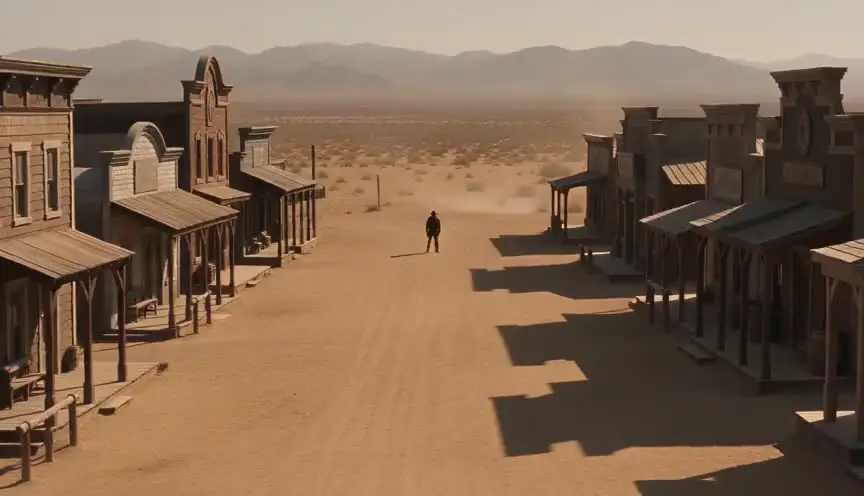
Anamorphic lensA frame as wide as the story
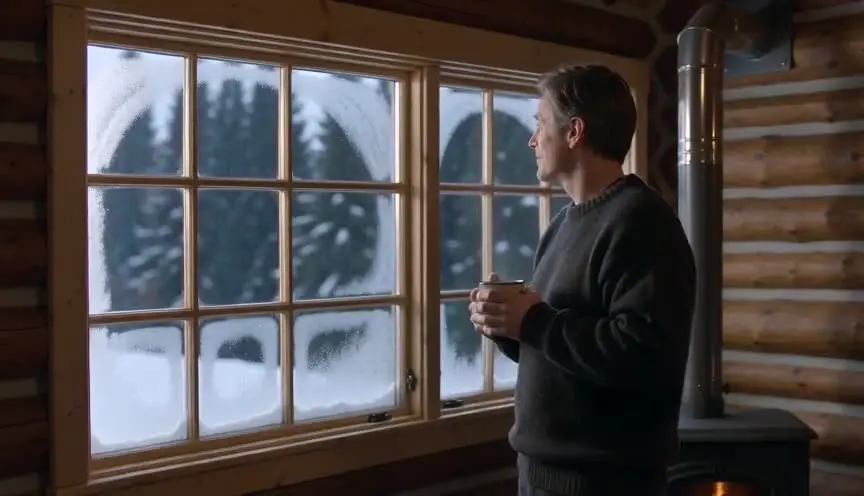
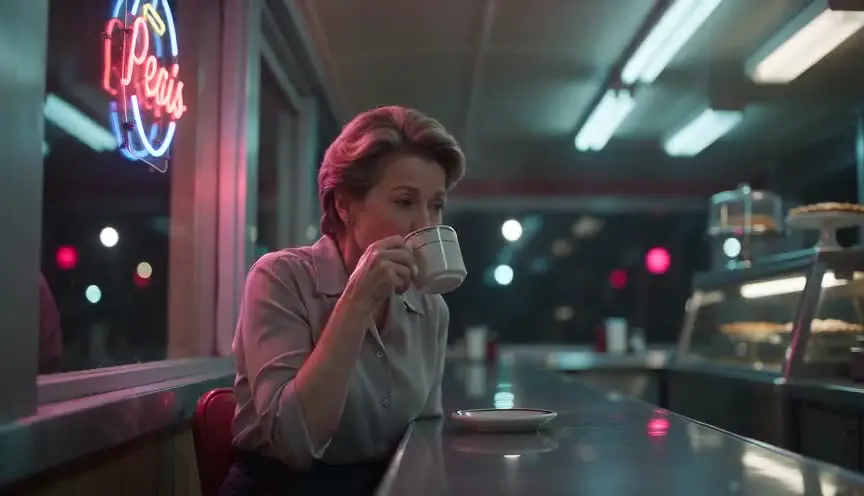
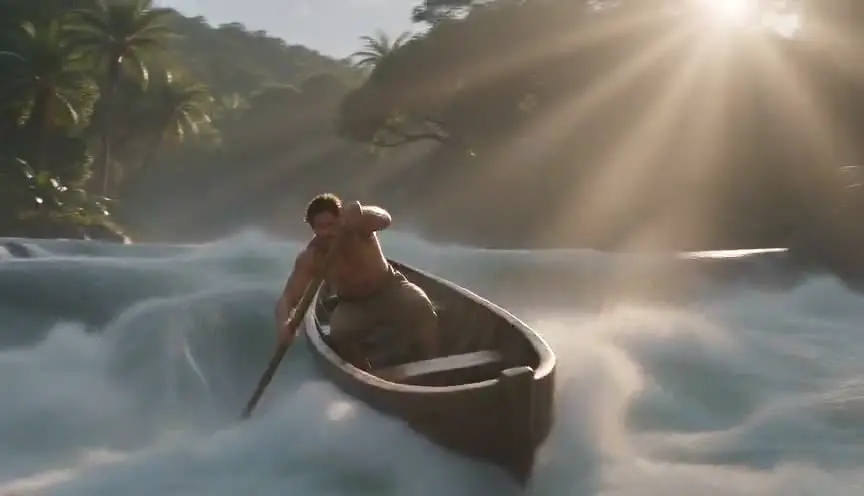
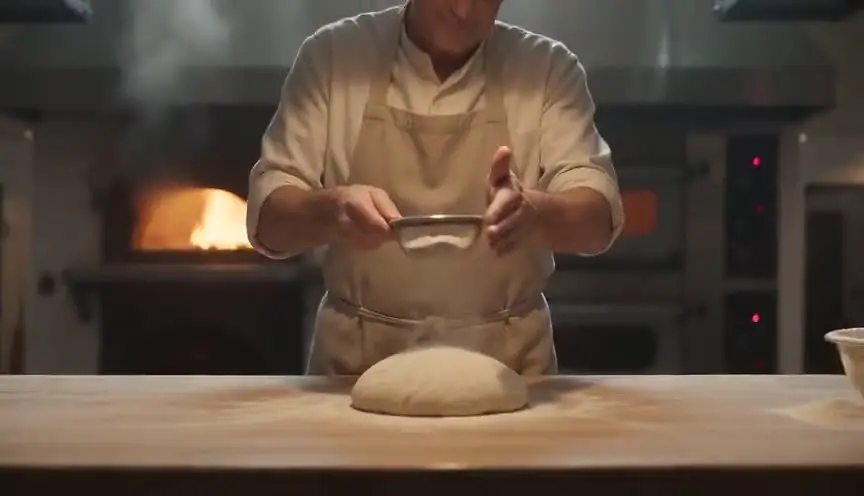
An anamorphic lens squeezes a wide image onto the sensor, which is then unsqueezed into a 2.39:1 frame with oval out-of-focus lights and long horizontal flares. The audience feels they are watching something built for a big screen, with room for landscapes and for several people at once.
Also calledAnamorphic formatCinemaScope lens2.39:1 lensScope
Lenses and optics
Why it works on screen
Anamorphic changes what a single frame can hold. Two characters can stand at opposite edges and still share a shot, so distance between people becomes visible. A landscape stretches wide enough to swallow a rider. A room fills with a whole family at dinner. It serves epics, westerns, crime at night, romances told across space, and any story where the environment is a character. The texture matters too: oval bokeh and streaking highlights feel cinematic and slightly dreamlike. A project earns it when the director wants the audience to scan the frame, not just look at its center.
The shot list line
- Size
- Wide shot
- Angle
- Eye level
- Movement
- Static, or a slow push in
- Lens
- 40mm or 50mm anamorphic prime, 2x squeeze
- Duration
- 5 to 10 s
Frame for 2.39:1 on the monitor with guides, keep bright practical lights in the background for oval bokeh, and watch for flares that cross an actor's face.
Screenplay
On the page
A lens format is a production decision, not a screenplay element, so it never appears in a spec script. What the writer can do is write for width. Put characters far apart in the same space, describe landscapes that run edge to edge, stage groups around a table. Those scenes invite a wide frame. If you are directing, state the aspect ratio in your look book and in the shot list header, since it shapes every composition from the first storyboard panel on.
EXT. STEPPE - LATE AFTERNOON
Grass to the horizon in every direction. Two white gers, far apart.
BOLORMAA (20s) stands at the door of the first, in a blue wedding deel, very still.
At the door of the second, a hundred paces away, her father GANBOLD (60s) does not come out.
Between them, a boy on a small horse circles, waiting to be told which way to ride.
BOLORMAA
Tell him I am leaving before dark.
Storyboard
In the storyboard
Draw all panels in a wide 2.39:1 rectangle, not in 16:9, so compositions are honest from the start. Place characters toward the edges and let the space between them breathe. Draw out-of-focus lights as tall ovals and add a thin horizontal line across the frame where a flare may streak. Note the lens and the squeeze under the panel. Mark any slight curve at the edges with a light dotted line.
Pairs well with
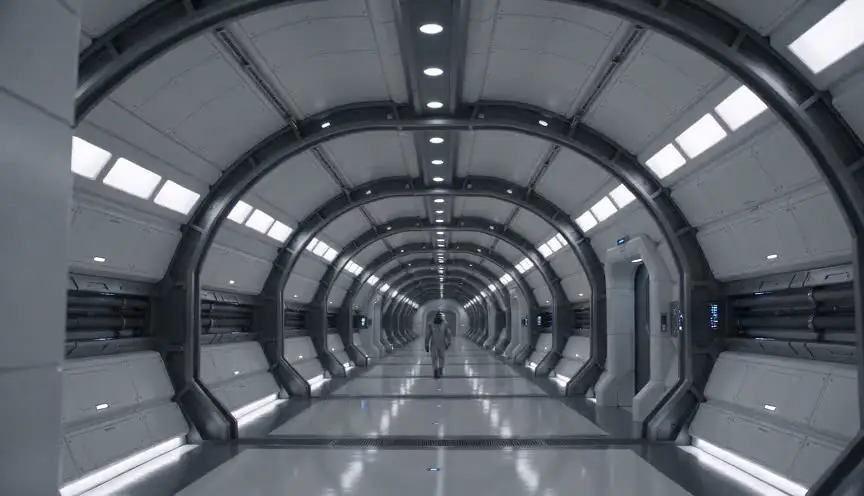
Open on a vast wide frame where the landscape dominates. The anamorphic width lets the place speak first, and every closer shot that follows still carries that sense of scale in its edges.
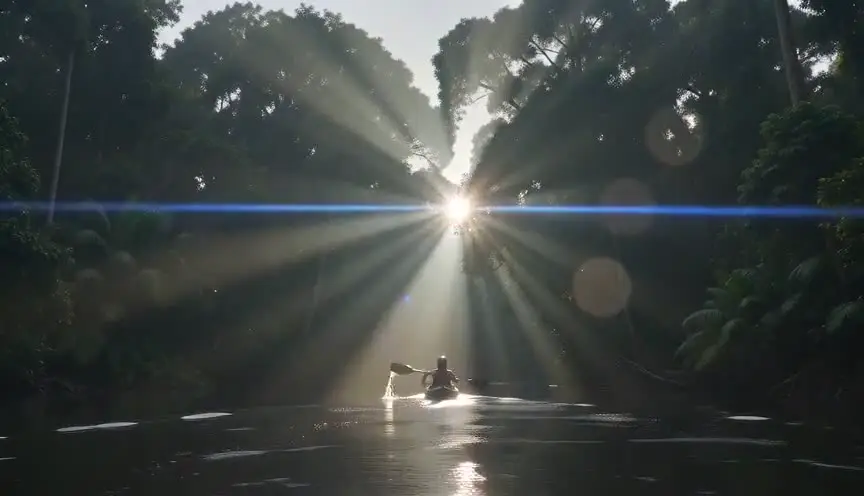
The flare is the signature of the glass. Let a headlight or a lamp cross the frame in a later shot, and the streak ties the whole sequence to the same optical world.
Reference
Watch it in
The Hateful Eight (2015)
Filmed in Ultra Panavision 70, the extremely wide frame holds the whole cast inside Minnie's Haberdashery and lets tension spread across a single room.
Drive (2011)
The anamorphic lenses pull streetlights and headlights into long horizontal flares, giving the night driving scenes their glowing, stretched signature.
ScreenWeaver
Set it up in ScreenWeaver
Stage the scene for width in your action lines, with characters far apart in the same space, and ScreenWeaver breaks the screenplay down into shots automatically. Open each shot, set the framing, angle and movement with the wide format in mind, and give wide shots enough duration to be read. Add the anamorphic note to the shots that need it. Locations and characters carry from shot to shot, and the AI previsualization lets you check how the frame is filled.
Start writing for freeThe prompt behind this clip
This is the exact prompt that rendered the clip at the top of the page. Keep the description of the camera and the light, change the subject and the place.
Anamorphic lens shot, wide 2.39:1 cinemascope frame. At night on a rain-wet city street, a man in a grey wool coat walks slowly toward the camera. Behind him, out-of-focus car headlights and shop signs render as tall vertical oval bokeh, and a passing headlight draws a long thin horizontal blue lens flare streak across the whole frame. Slight curvature at the edges of the frame, shallow depth of field, slow push in. No text.
Common mistakes
- 01
Boarding in the wrong ratio
Storyboards drawn in 16:9 and then cropped to 2.39:1 lose heads and hands. Draw the true ratio from the first sketch so blocking fits the frame.
- 02
Centering everything
A wide frame with the subject dead center and empty sides wastes the format. Use the edges for a second character, a window or a road.
- 03
Flares as decoration
Streaks on every shot become a filter. Motivate them with light sources in the scene and keep them off the faces during key lines.