AI sci‑fi movie generator

Make a sci‑fi film with AI.From script to final shot.

Write the screenplay, get a storyboard of every shot, and keep your worlds, ships and characters the same from the first frame to the last.
  • Free screenwriting
  • Storyboard from your script
  • Worlds that stay consistent
Sci‑fi rushes

Available today: free screenwriting, and a storyboard generated from your screenplay with Storyboard Beta, $9.99 a month.

Coming: video generation of each shot with the Filmmaker plan, targeted for 30 September 2026.

Examples

Sci‑fi shorts from the ScreenWeaver team.

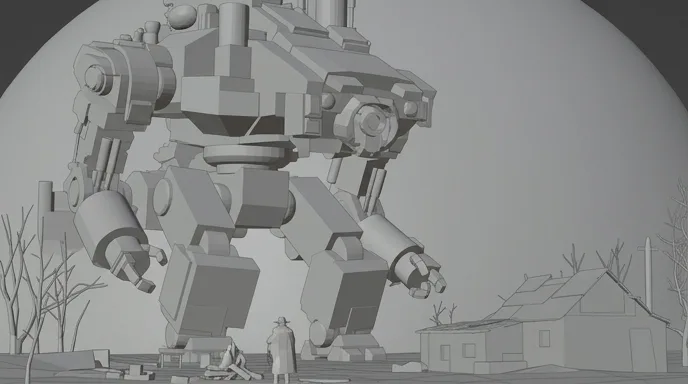
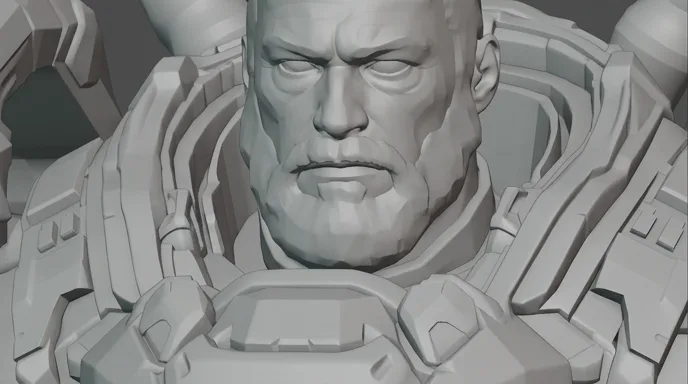
Each one shown as its grey storyboard frame and its finished shot.
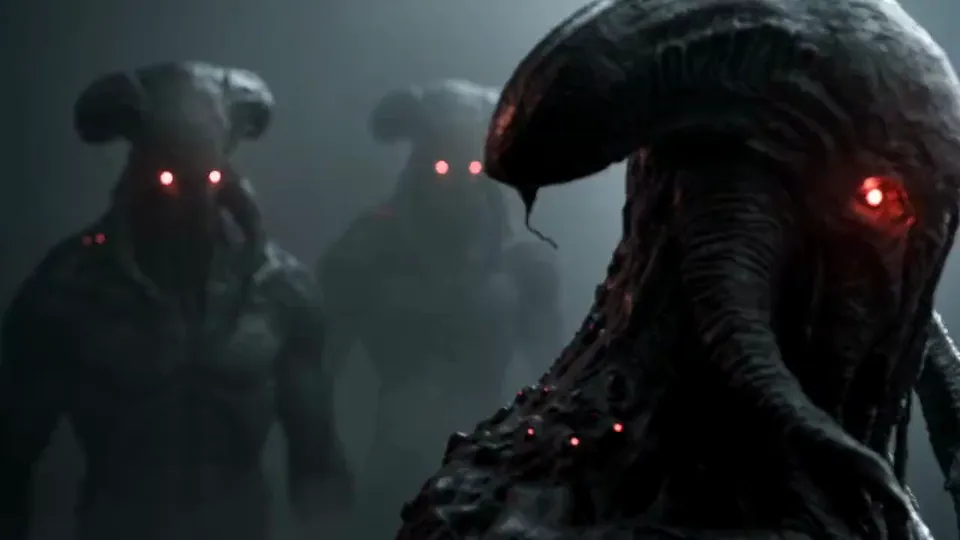
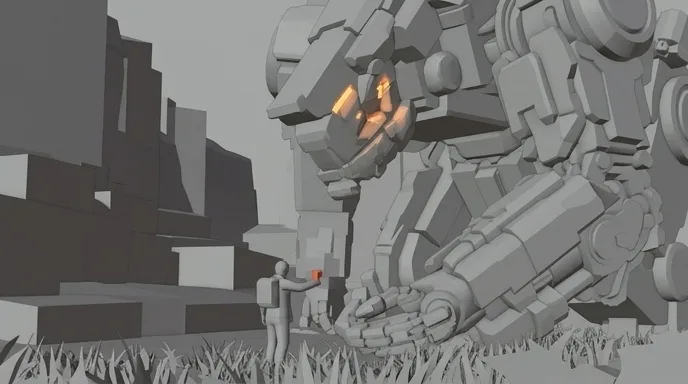
  • A man in a misty jungle holds up a glowing heart to a giant kneeling mech

    The Mech's Heart

    In a misty jungle, a man offers a glowing heart to a kneeling giant machine.

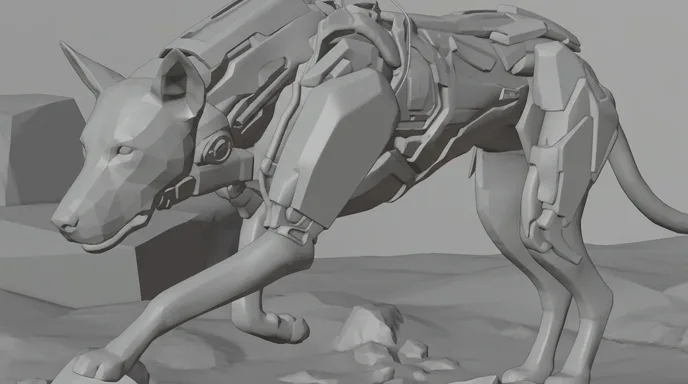
  • A dog in red and black cybernetic armour running across a rocky wasteland

    Robot Hound

    A dog in red and black armour runs across a dusty wasteland.

  • A man in a wide hat by a campfire outside a cabin as a giant rusted walker looms in the fog

    Walker in the Fog

    A campfire outside a cabin, and a rusted walker looming behind it.

  • A bearded soldier inside heavy blue and orange power armour

    Power Armour

    A grizzled soldier inside heavy blue and orange armour.

One scene, script to screen

Desert Monoliths: six shots of science fiction.

A scene written for this page, then each shot as a storyboard frame and as the final image. Under each shot, the direction that produced it.
Screenplay · page 1

EXT. DUNE SEA, RIDGE - DUSK

Two moons over a sea of dunes. The grass hisses in the wind. SAHRA (20s), veiled, watches the valley below.

A caravan of lanterns snakes toward a city of black monoliths. Every stone glows with the same cyan script.

SAHRA

(under her breath)

They said it was a tomb.

The glow catches her eyes. The same cyan burns in them.

EXT. MONOLITH GATE - CONTINUOUS

A ring of glyphs the size of a house. The script shifts, sign by sign, as if it were reading her back.

The arch climbs into the sky, past both moons.

SAHRA (V.O.)

Tombs don't wake up.

CUT TO:

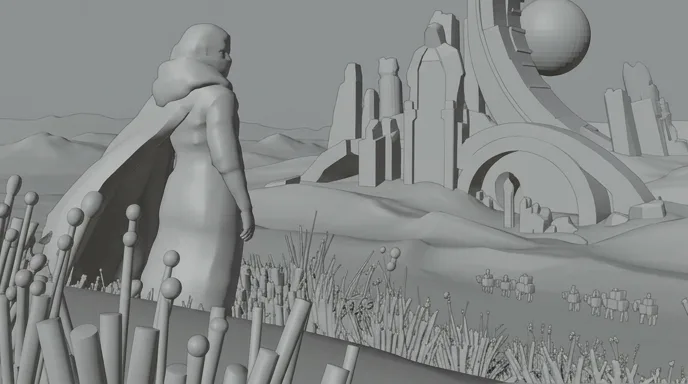
  1. A veiled woman on a grassy ridge looks at a glowing city of monoliths and a caravan at dusk
    Storyboard frame of the same wide shot, in grey
    01

    Wide · over the shoulder

    Wide shot from behind Sahra on the ridge, the monolith city glowing in the valley, caravan lanterns below, two moons, dusk

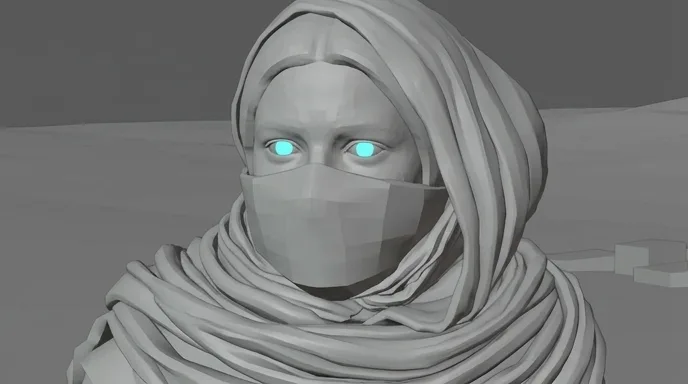
  2. Close-up of a veiled woman whose eyes glow cyan
    Storyboard frame of the same close-up, in grey
    02

    Extreme close-up · eyes

    Extreme close-up of Sahra's veiled face, eyes glowing cyan, shallow depth of field, desert out of focus

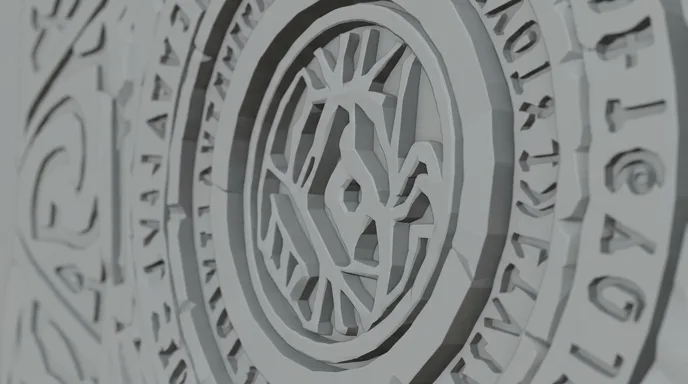
  3. Macro of a stone ring carved with glowing cyan glyphs
    Storyboard frame of the glyph ring, in grey
    03

    Insert · the glyph ring

    Macro insert on a carved stone ring of glowing cyan glyphs, no readable letters, slow push-in

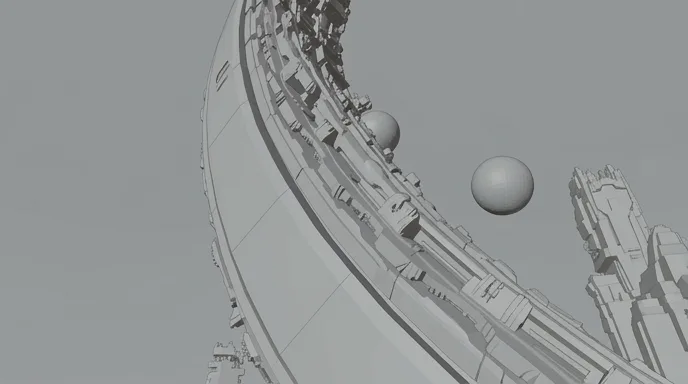
  4. Low angle on a giant curved stone arch covered in glowing glyphs, two moons behind
    Storyboard frame of the arch from below, in grey
    04

    Low angle · the arch

    Low angle on a colossal curved arch covered in glowing glyphs, two crescent moons in a blue dusk sky

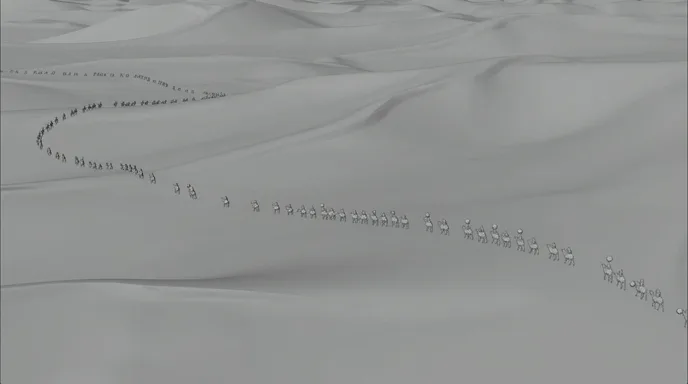
  5. Aerial view of a long line of lantern-lit riders crossing pale dunes
    Storyboard frame of the caravan from above, in grey
    05

    Aerial · the caravan

    High aerial of a long caravan of lanterns winding across pale dunes at dusk, tiny riders, vast scale

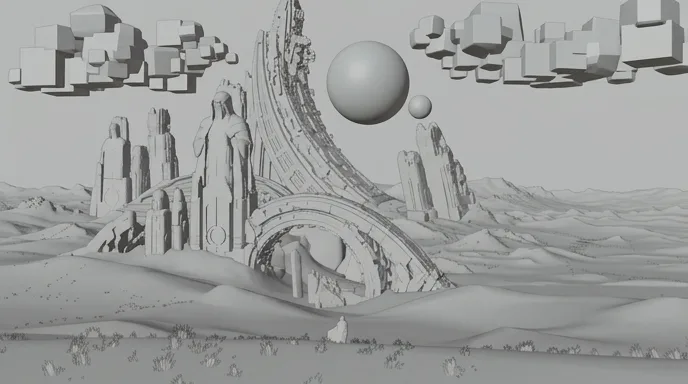
  6. Wide view of a city of glowing monoliths and an arch at dusk, a tiny figure in front
    Storyboard frame of the city, in grey
    06

    Establishing · the city

    Extreme wide of the monolith city and its arch at dusk, a lone figure small in the foreground, two moons

The six shots cut together: twelve seconds, 16:9.

Writing sci‑fi

Four rules for a sci‑fi script that films well.

AI makes the images. The script decides whether the world holds together.
  1. 01

    Show the rule in the first page

    Every sci‑fi world has one thing that is different. Put it on screen early, through action: the glyphs glow, the eyes answer. The audience learns the rule by watching it.

  2. 02

    Exposition through objects

    A caravan heading somewhere says more than a line about trade routes. Write what we see, and let dialogue carry doubt, not data.

  3. 03

    One technology, one cost

    A strong world has a price for its wonders. If the monoliths wake up, someone pays for it. That cost is your second act.

  4. 04

    A small jargon budget

    Name only what the plot needs. Two invented words per scene is plenty. Everything else can be shown.

Structure and pacing

The shape of a three-minute sci‑fi short.

Short AI films work best with one world, one mystery and one reveal. Shots last two to four seconds.
  1. 15 %

    The world

    One wide image that sets the scale and the strangeness.

  2. 20 %

    The rule

    What is different here, shown in action.

  3. 30 %

    The pull

    The character moves toward the mystery. The cuts get tighter.

  4. 20 %

    The reveal

    The rule turns out to be bigger, or older, than we thought.

  5. 15 %

    The last image

    A wide shot that shows how the world has changed.

For a sixty-second teaser, keep the same five beats and give each one three or four shots.

Shot vocabulary

Eight shots that make it feel like science fiction.

Each one with the wording that gets it from an image or video model. Use them in the storyboard, shot by shot.
  • The scale shot

    A tiny figure against a megastructure. It sells the world in one frame.

    extreme wide, tiny lone figure in the foreground, colossal structure filling the frame, atmospheric haze

  • The visor reflection

    The world seen in a helmet or a cockpit glass, face behind it.

    close-up on a helmet visor reflecting a city of lights, face faintly visible behind the glass

  • The artefact insert

    A macro on the object the story turns on.

    macro insert, carved alien artefact with glowing symbols, no readable text, slow push-in

  • The machine from below

    A low angle that makes a mech or a ship feel heavy.

    low angle, giant mech towering over the camera, fog, rim light on metal plates

  • The convoy from above

    A line of vehicles or riders, seen from high up.

    high aerial, long convoy of lights winding across a desert at dusk, vast scale

  • The silhouette under two suns

    A character against an impossible sky.

    silhouette on a ridge, two suns low on the horizon, backlight, long shadows

  • The eyes that change

    An extreme close-up where the light tells you something is wrong.

    extreme close-up of eyes glowing faint cyan, shallow depth of field, soft background

  • The slow push-in

    The camera moves toward the thing no one should touch.

    slow dolly push-in toward a glowing doorway, symmetrical framing, dust in the light

Light and palette

Cold light, one warm accent.

Science fiction reads through contrast: a cold dominant, one artificial colour that belongs to the technology, and one warm note for the human. The five colours below were sampled from the Desert Monoliths shots. Keep them in every prompt and the scene stays one world.

  • Glyph cyan

    #27B4BE

  • Twin-moon sky

    #3E546D

  • Dusk ember

    #DB9B81

  • Dune sand

    #684F45

  • Deep shadow

    #16100F

Where AI goes wrong

Four sci‑fi traps, and how the script avoids them.

Video models are great at spectacle and bad at memory. These are the usual failures in science fiction.
  • Screens full of gibberish

    Models write fake letters on every screen and sign. Write symbols, glyphs or light instead of text in the action lines, and add real typography in the edit.

  • A ship that changes shape

    The same ship redesigned in every shot. Give it a location or prop reference once: ScreenWeaver carries references from shot to shot.

  • Costumes that drift

    Armour gains and loses plates. A character sheet with front, profile and back views keeps it on model.

  • Physics that feels wrong

    Long shots let motion fall apart. Keep shots at two to four seconds and set the camera move in the storyboard.

Sub-genres

Space opera, cyberpunk, and the rest.

  • Space opera

    Empires, deserts, ancient technology. Wide shots and slow reveals, like Desert Monoliths.

  • Cyberpunk

    Neon, rain, dense cities. Tight frames, hard backlight and a magenta and cyan palette.

  • Post-apocalyptic

    Dust, rust and empty horizons. Warm, washed-out light and long, quiet shots.

  • Mecha and robots

    Machines with weight. Low angles, fog and reference sheets so the design never drifts.

More genres

Make a film in another genre.

The pipeline

Write. Board. Produce.

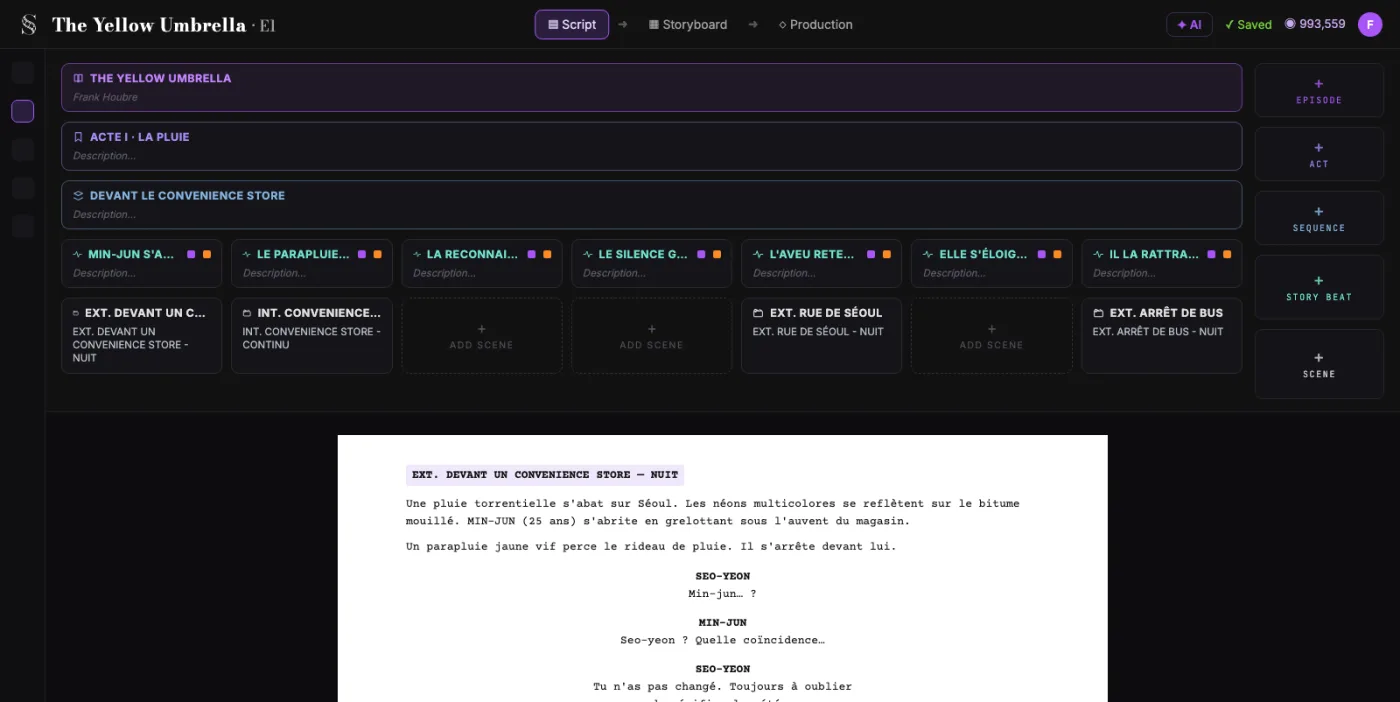
  1. ScreenWeaver screenplay editor: acts, sequences and beats above the formatted script of The Yellow Umbrella

    01The screenplay, enriched

    An industry-standard screenplay editor, and more: a visual outline and beat editor, your writing inspirations (notes, photos, audio) kept next to the page, and an AI researcher to support your writing, not replace it.

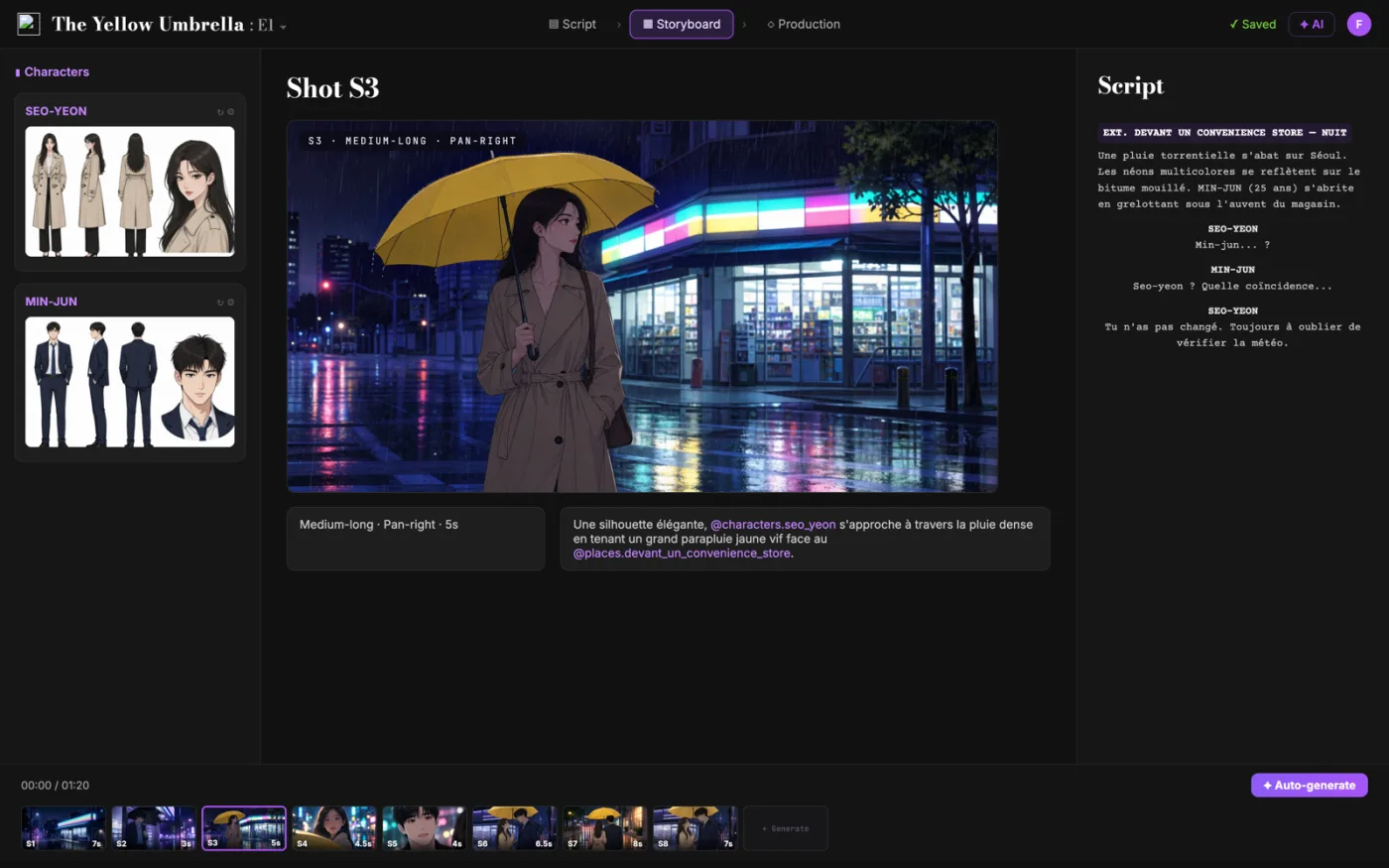
  2. ScreenWeaver storyboard: shot S3 of The Yellow Umbrella with characters, shot settings and the script beside it

    02The storyboard, made easy

    Shot breakdown generated from your screenplay, manual control over every shot (frame, angle, movement, duration), and generative AI previsualization in one click.

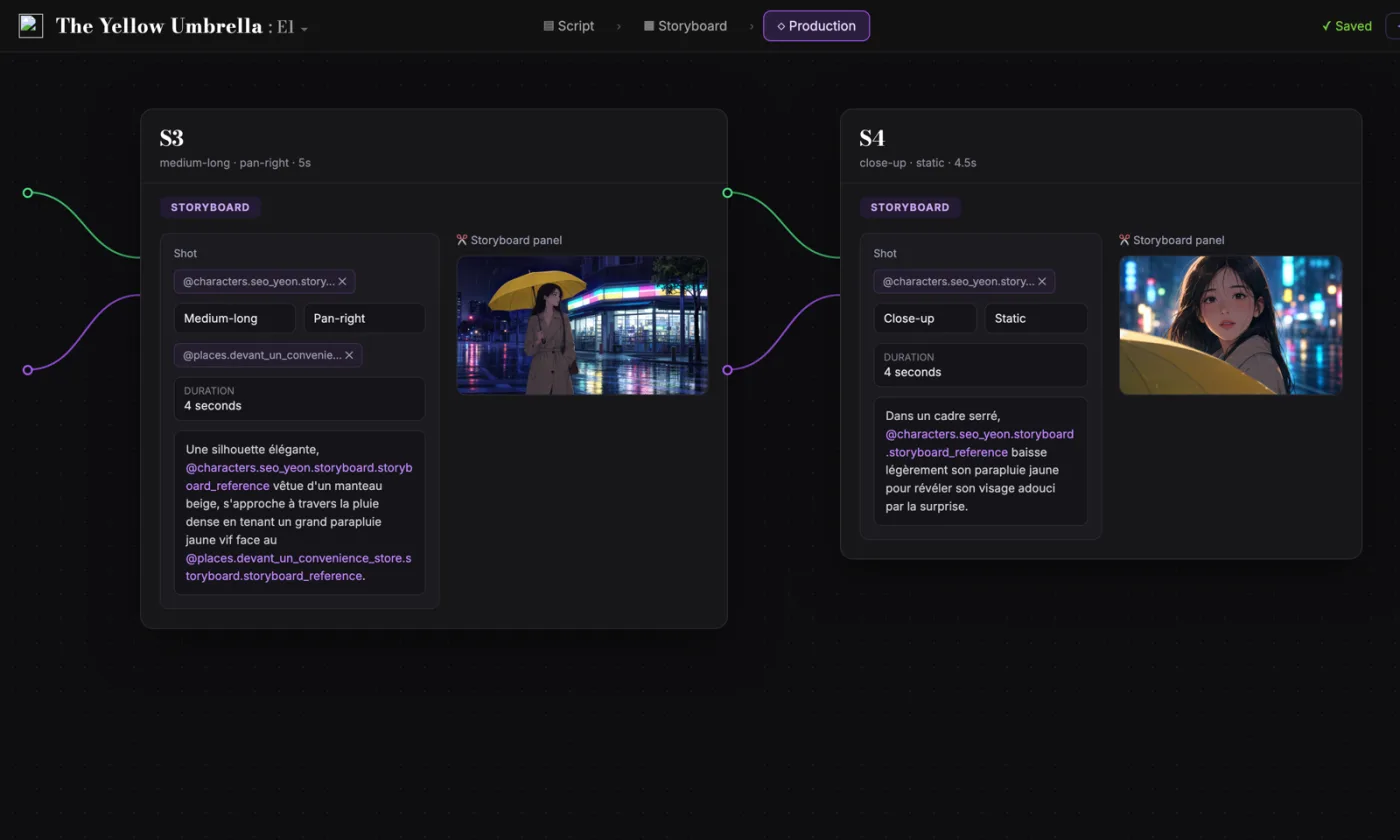
  3. ScreenWeaver production canvas: shots S3 and S4 as connected nodes carrying their storyboard panels and prompts

    03AI production, with finesse

    Footage generation pipelines connected to your screenplay and storyboard. Optimized out of the box, fully editable workflow.

FAQ

Sci‑fi with AI, your questions

Can I make a whole sci‑fi film with AI in ScreenWeaver?
You can write the screenplay for free today and turn it into a storyboard with Storyboard Beta at $9.99 a month. Video generation of each shot comes with the Filmmaker plan, targeted for 30 September 2026.
How do I keep a ship or a city the same from shot to shot?
Give it a reference once. In ScreenWeaver, characters, locations and references carry from shot to shot, so the arch in shot 6 is the arch of shot 4.
How do I avoid unreadable screens and signs?
Write symbols, glyphs or light instead of text, and keep screens out of focus. Add any real text in the edit, where you control the typography.
How long should an AI sci‑fi short be?
One to three minutes is a good first target. With shots of two to four seconds, a three-minute short is about fifty to seventy shots.
Is writing the screenplay free?
Yes. The Screenwriter plan costs $0 and does not expire: unlimited projects and pages, industry-standard formatting, PDF and Final Draft export.
Which video models does ScreenWeaver use?
ScreenWeaver is powered by Seedance 2.0 and 2.5. The footage pipelines are connected to your script and storyboard, optimised out of the box and fully editable.
Can I make anime or animated science fiction?
Yes. The same pipeline works for live-action looks, anime and 3D animation, in 16:9 or in 9:16 for vertical episodes.

Your world starts on the page.

Write the screenplay for free. Storyboard it when you are ready.