
The short answer: every genre is a contract with the audience. Horror promises fear, comedy promises the violation of an expectation, a thriller promises pressure that keeps tightening, romance promises two people worth rooting for, and sci-fi and fantasy promise a world whose rules hold. Learn the conventions of your genre cold, then twist the ones you use so they feel earned instead of unexamined. This hub collects every genre guide we publish, from horror tropes to magic systems to the set-piece scenes drama keeps coming back to.
Not sure where to start? Read 8 horror tropes and how to subvert them or the rule of three in comedy; both show the method every guide below applies to its own genre.
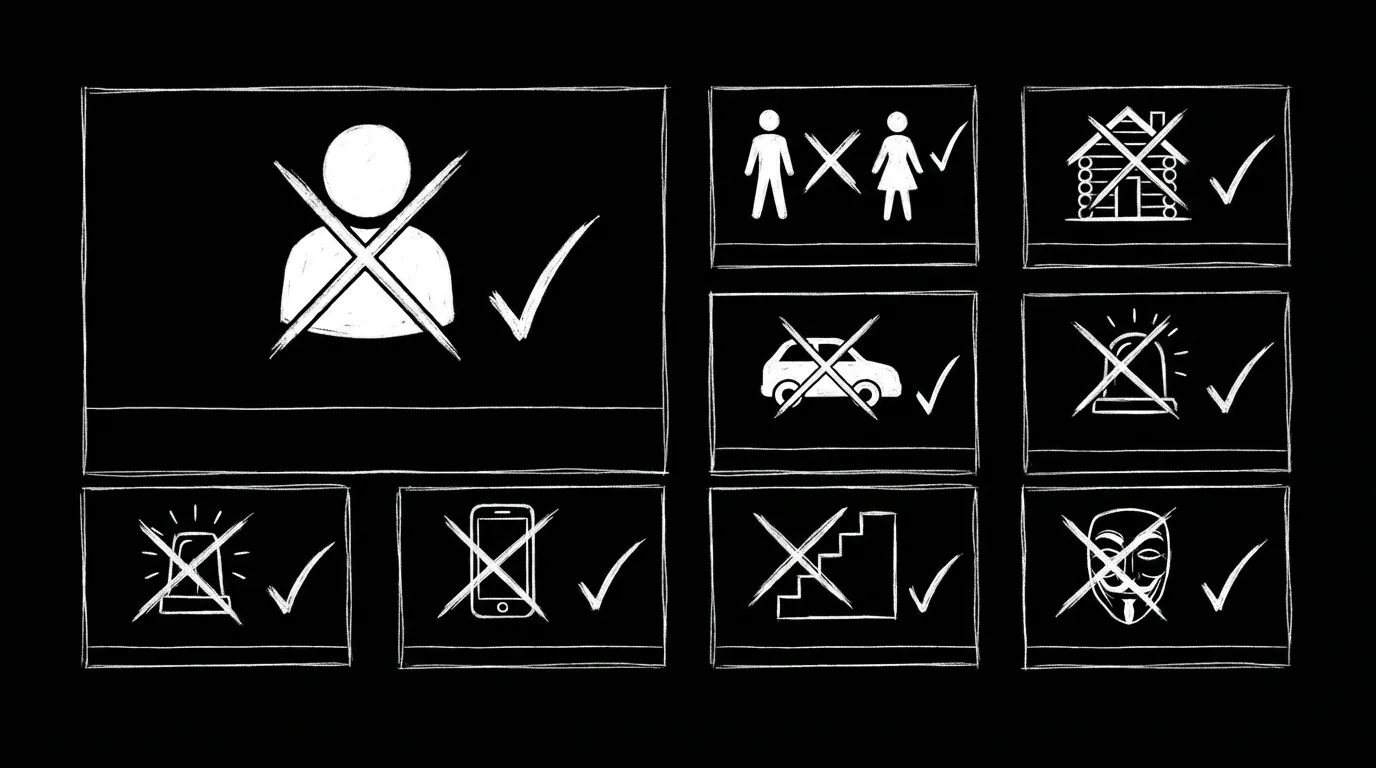
Horror
- 8 horror tropes to avoid in 2026, and how to subvert them
- Writing monsters: describe less to scare more
- Elevated horror: merging metaphor with monsters
- Body horror: describing visceral imagery effectively
- Isolated settings: making the environment a character
Thriller and suspense
- Psychological thrillers: writing the unreliable reality
- The stalker thriller in the digital age
- How to write a hostage negotiation scene
- How to write a chase scene with pursuit clarity
- How to write a press conference scene that thrills
Comedy
- How to write comedy: timing on the page
- The rule of three: setup, reinforce, subvert
- Dark comedy: finding humor in trauma
- Action-comedy: balancing laughs with high stakes
- Satire vs parody: knowing the difference
Romance and rom-com
- Writing the meet cute: fresh ideas for 2026
- The rom-com best friend: breaking the stereotype
- The will they, won't they dynamic
Sci-fi and fantasy
- Worldbuilding 101: a bible for your sci-fi universe
- Hard sci-fi vs space opera: knowing your sub-genre
- Writing magic systems: limitations create conflict
- The fantasy map: why geography matters to plot
- Exposition in fantasy: avoiding "As you know, Bob"
- The fish out of water: audience surrogates
- Writing non-human characters: AI, aliens, and creatures
- Dystopian fatigue: fresh post-apocalyptic stories
- Afrofuturism and Indigenous futurism
Try it free
Try ScreenWeaver for free on your script
It is free. Import your existing project, get a clearer view of your outline, and regain control of your story structure in minutes.
Start FreeDrama set pieces
- How to write a funeral scene
- How to write a wedding scene without cliché
- How to write a pregnancy reveal scene without melodrama
- How to write a hospital waiting room scene with tension
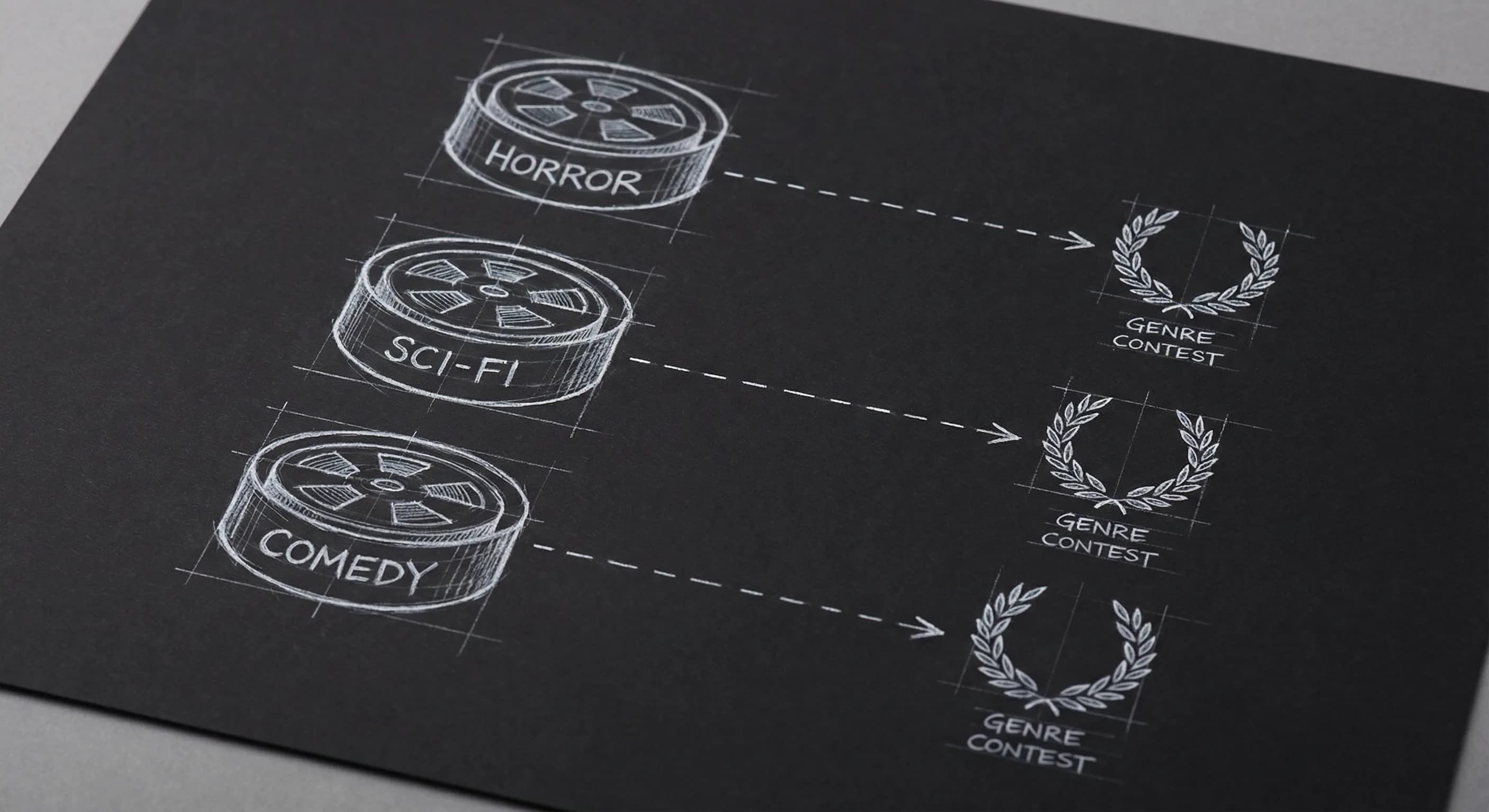
Entering a genre contest? Read genre-specific contests for horror, sci-fi, and comedy, and the screenwriting career hub for everything that happens after the draft.
FAQ
Should I avoid genre tropes altogether?
No. Familiar beats are not wrong because they are familiar; they are wrong when they are unexamined. Know the tropes of your genre, then break them in ways that feel earned. The horror tropes guide walks through eight of them.
How much should I describe a monster on the page?
Less than you think. Describe the effect of the creature, the sound, the movement and the way characters react, and let the reader's imagination do the heavy lifting. See writing monsters.
What is the rule of three in comedy?
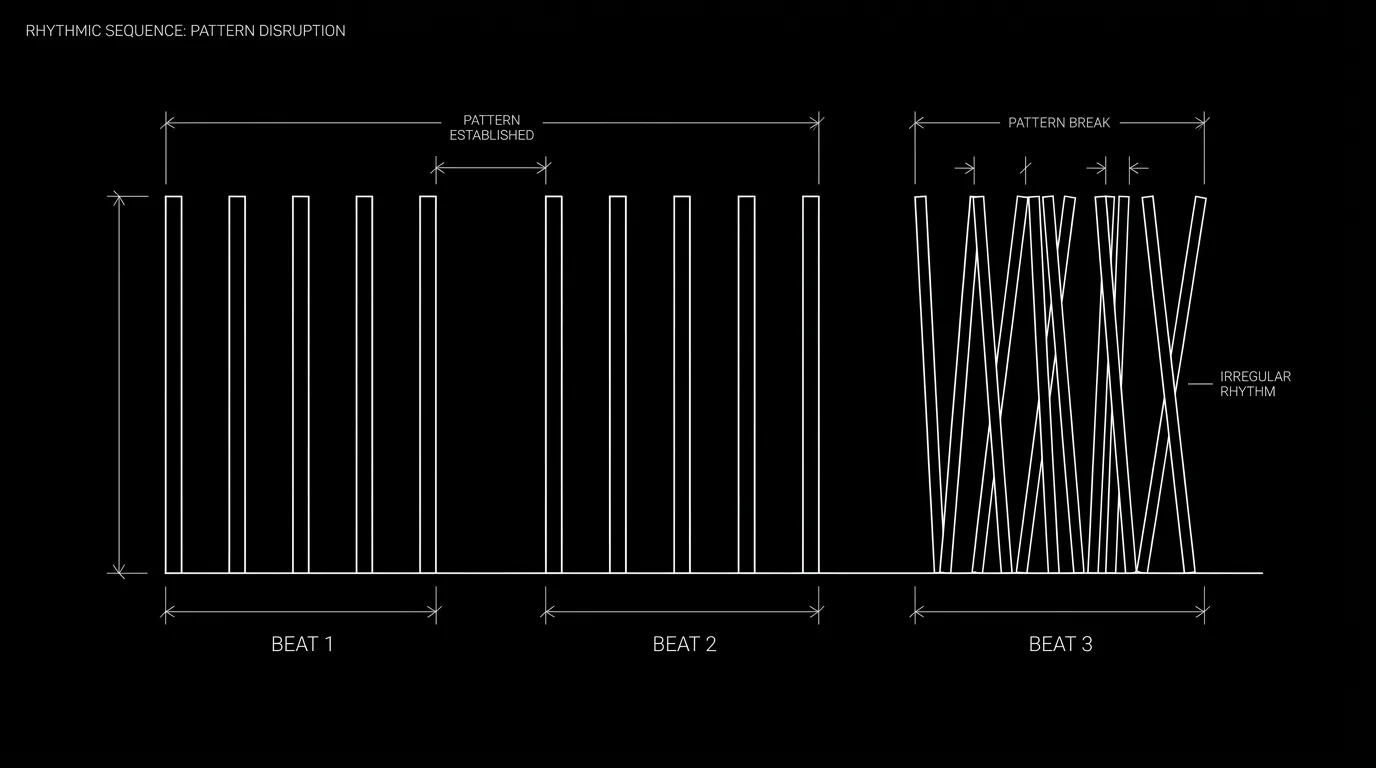
Setup, reinforce, subvert. The first beat sets a pattern, the second confirms it, and the third breaks it; the laugh comes from the violation of expectation. The rule of three guide shows how to build it on the page.
Do I need a world bible for a sci-fi or fantasy script?
If the story spans worlds, eras or power systems, yes, and it is for you rather than the reader: one place where the rules, the history and the map live so you do not contradict yourself. Start with Worldbuilding 101, and give any magic a cost, because limitations create conflict.
Writing is free
Write your next script with ScreenWeaver
Write for free, export to PDF and Final Draft, and turn your scenes into a storyboard when you are ready.
Start writing free