Hero image prompt: Dark mode technical sketch. Solid black background, thin white hand-drawn lines. A closed door. Nothing visible on the other side. Maybe a single thin line under the door, suggestion only. No monster. Minimalist, high-contrast.
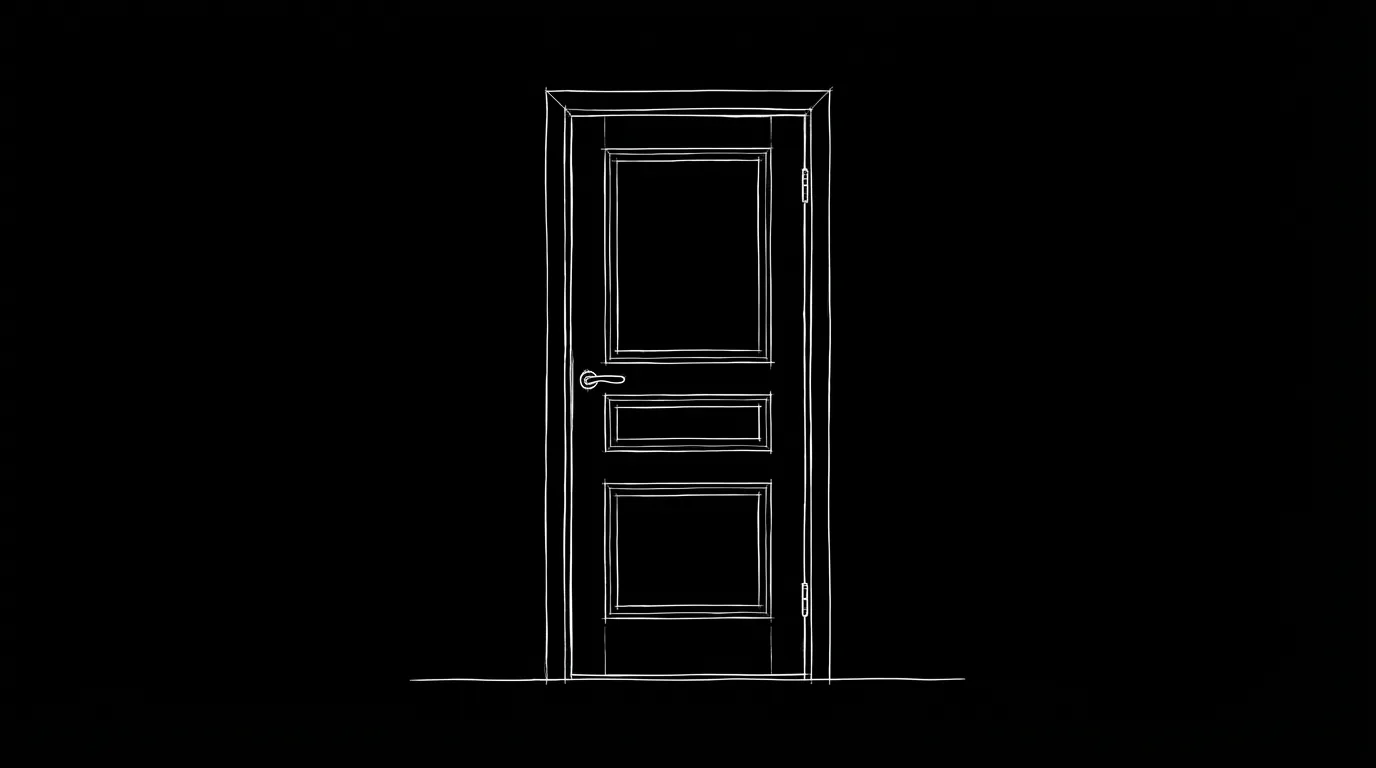
Nothing is scarier than what’s behind a closed door. Once you open it and show the thing, the audience has something to look at. They can measure it. They can compare it to other monsters they’ve seen. The unknown becomes known, and usually smaller. The best monster work in horror doesn’t happen when you describe the creature in full. It happens when you describe the effect of the creature. The sound. The movement. The way the character reacts. The monster stays in the margins. The fear stays in the room. Here’s how to write monsters so that the reader’s imagination does the heavy lifting.
The moment you fully describe the monster, you’ve given the audience a picture. The picture is almost always less frightening than what they were imagining. So don’t give them the picture. Give them the edges.
Think about Alien. We don’t see the full creature for a long time. We see the egg. We see the facehugger. We see the shape in the darkness. We see what it does to people. When we finally see the xenomorph in full, we’ve already been afraid of it for an hour. The reveal pays off the dread. If we’d seen it in the first ten minutes, we’d have had nothing to dread. The same principle works on the page. Your job isn’t to design the monster for the reader. It’s to design the encounter, the moment when the character (and the reader) sense the monster without fully seeing it. The description you do write should point at the monster, not contain it.
Why Less Description Works
The human brain is good at filling in gaps. When you give a reader a few details, a sound, a movement, a reaction, they generate the rest. What they generate is tailored to what scares them. It’s personal. It’s also usually more intense than anything you could put on the page. The moment you describe the monster in full, you replace their version with yours. Your version might be good. It’s probably not as good as what they were imagining. So the craft is in giving them enough to trigger the imagination and not enough to replace it.
That doesn’t mean the monster is vague. “Something terrible” doesn’t scare anyone. You need specific fragments. The way it moves, too fast, or wrong, or not quite like an animal. The sound it makes, wet, or too many sounds at once, or like something that shouldn’t have a voice. The way the character reacts, they can’t look away, or they can’t look, or they don’t understand what they’re seeing. Specificity in the effect. Restraint in the full picture. That’s the balance.
What to Describe (And What to Withhold)
Describe the approach. The thing is coming. We hear it. We see the door move. We see the character’s face. We don’t see the thing. The approach is often scarier than the arrival. Use it. Stretch it. Let the audience wait. For more on controlling that wait, see our guide on slow burn pacing, the same principle of delayed payoff applies to the monster’s reveal.
Describe the effect on the environment. The lights flicker. The temperature drops. The air moves wrong. Something is in the room. We don’t have to see it to feel it. The environment becomes the monster’s proxy. When you describe the room changing, the audience feels the presence without needing a full description of the creature.
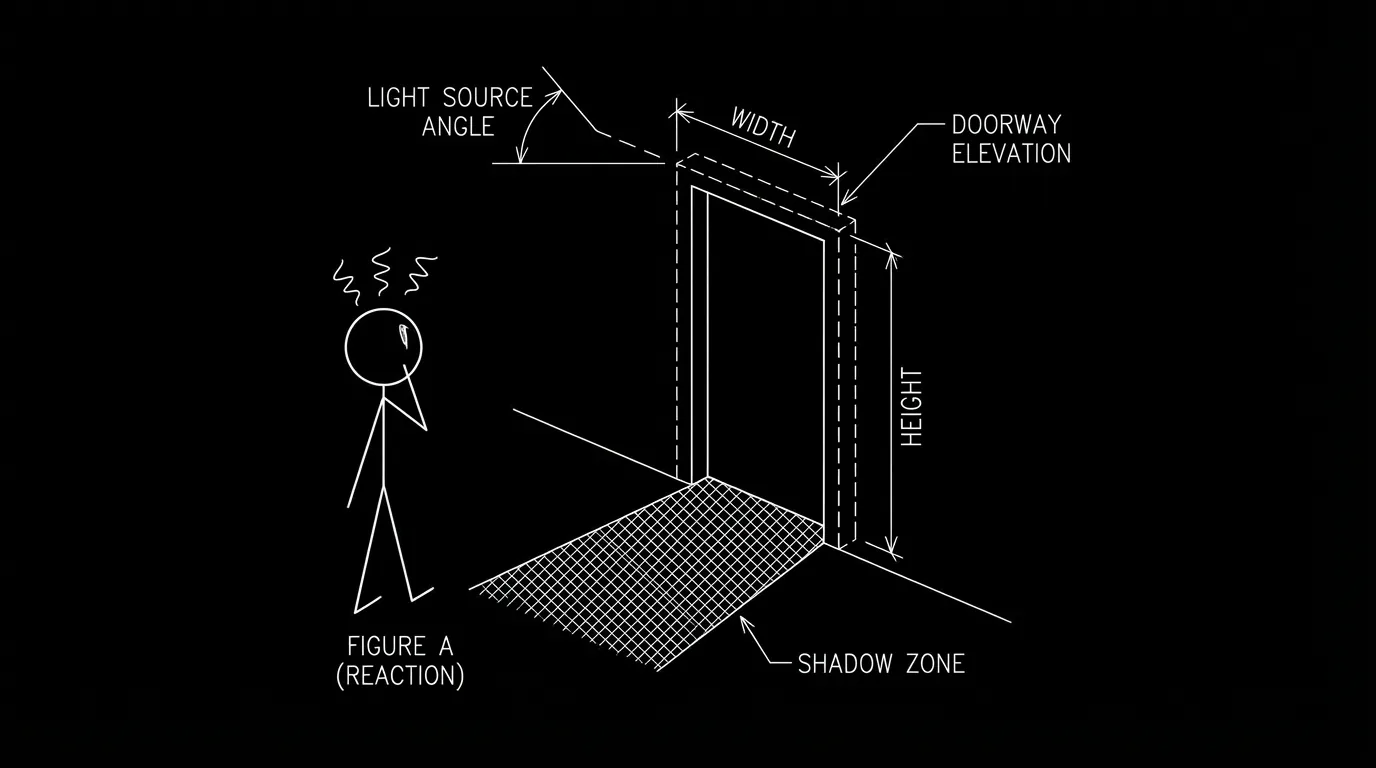
Describe the effect on the character. They freeze. They can’t scream. They back away in a way that’s not quite rational. The character’s reaction tells us how bad it is. If they’re terrified, we’re terrified. If they’re confused, they don’t understand what they’re seeing, we’re unsettled. The reaction is information. Use it instead of describing the monster directly.
Withhold the full form. You can give a detail. A limb. A silhouette. A part that doesn’t make sense. You don’t have to give the whole. One wrong detail, too many joints, the wrong texture, a shape that doesn’t resolve, can be more frightening than a full description. The audience’s brain tries to complete the picture. It can’t. That incompleteness is where the fear lives. Our piece on body horror and visceral imagery applies: one wrong detail, clearly placed, does more than a paragraph of anatomy.
The rule holds off the page too. Ask a video model for a monster and it hands you the whole creature, lit and centred, which is exactly what this section tells you not to write. Our method for making AI horror videos turns withholding into a shot list: many empty frames, a few threat shots of two to four seconds, and a creature that is never seen whole, which also gives it fewer chances to look fake.
| Strategy | What It Does | Example |
|---|---|---|
| Describe the approach | Builds dread; we feel the thing before we see it | Sound. Door moving. Character’s eyes widening. |
| Describe effect on environment | Presence without full reveal | Lights flicker. Cold. Something blocks the window. |
| Describe effect on character | Reaction carries the fear | They can’t move. They don’t understand what they’re seeing. |
| One wrong detail | Triggers imagination without replacing it | A limb that’s too long. A movement that’s not quite right. |
| Full reveal delayed | Pays off the dread when it’s earned | Save the full description for the moment that needs it. |
Try it free
Try Screenweaver for free on your script
It is free. Import your existing project, get a clearer view of your outline, and regain control of your story structure in minutes.
Start FreeRelatable Scenario: The Script That Over-Describes
You’ve written the monster’s first appearance. You’ve given it height, weight, skin texture, number of limbs, the works. The reader knows exactly what it looks like. And they’re not scared. They’re reading a description. So you cut. You keep one thing. The way it moves, it doesn’t walk, it folds. Or the sound, like something tearing. Or the way the character goes silent when they see it. One of those. The rest is gone. Now the reader has to imagine. Now the scene has room to breathe. The fear has room to grow.
Relatable Scenario: The Script That Never Suggests
You’re so committed to not showing the monster that you never suggest it. “Something is there.” “A presence.” The reader has nothing to hold on to. They’re not scared; they’re confused. So you add one concrete detail. Not the full monster. The sound of its breath. The way the door moves when it’s on the other side. The way the character’s hand shakes when they reach for the handle. One specific, sensory detail gives the audience something to imagine from. Restraint doesn’t mean vagueness. It means one or two sharp details instead of a full picture.
The Trench Warfare Section: What Beginners Get Wrong
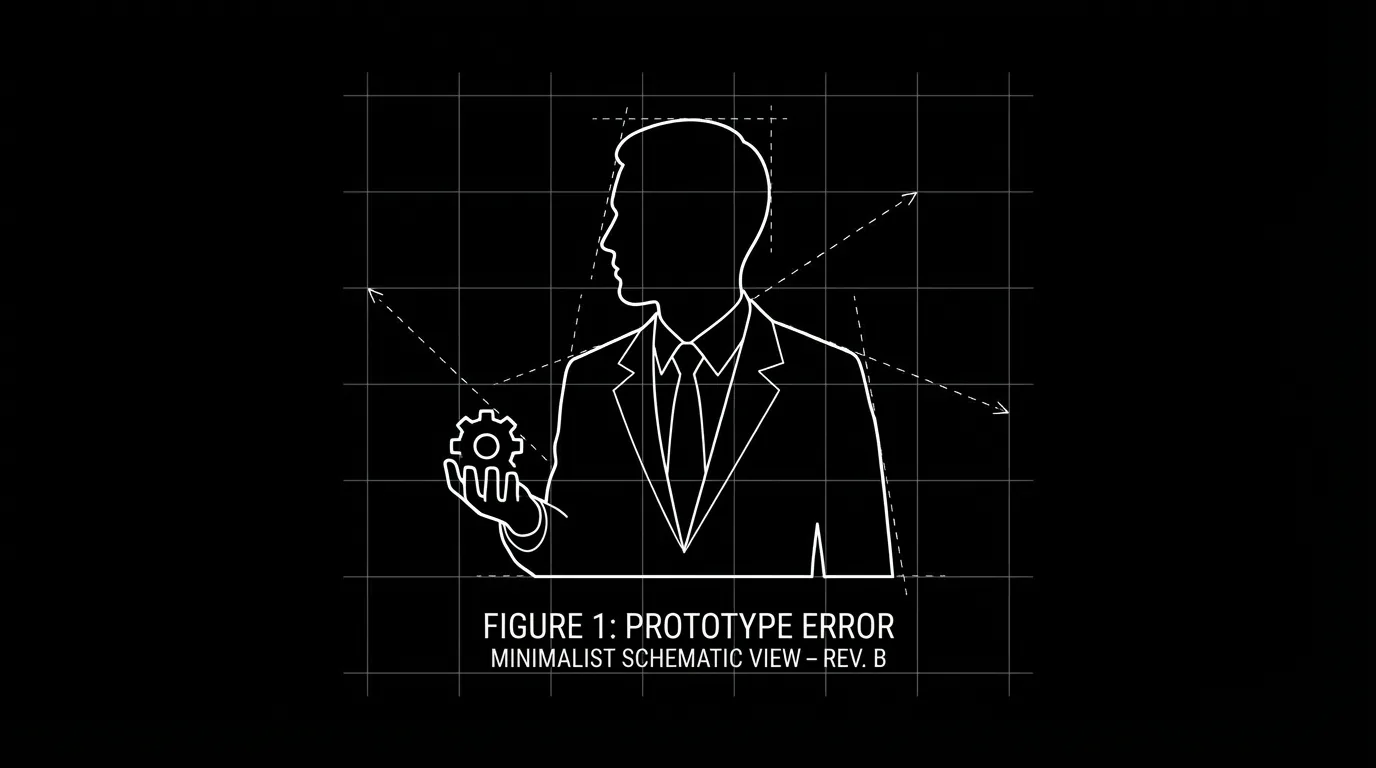
Designing the monster before writing the encounter. You’ve got a full concept art in your head. You put it on the page. The reader gets a diagram. Fix: design the encounter first. What does the character hear? See? Feel? What one detail would make the reader’s skin crawl? Write that. Leave the rest to the imagination.
Using the same strategy every time. Every monster entrance is “we hear something, then we see a silhouette.” It gets predictable. Fix: vary the approach. Sometimes we see the effect first (the aftermath). Sometimes we see a part (a hand, a shadow). Sometimes we only see the character’s reaction. Mix it up so the audience doesn’t know what to expect.
Revealing the monster too early. Page 15 and we’ve had a full look. The rest of the script is repetition. Fix: delay the full reveal. Give fragments. Save the full description for the moment when the story needs it, the confrontation, the climax, the moment when seeing it is the point.
Forgetting that the monster has to do something. A monster that’s only suggested and never acts can feel like a tease. The audience needs to feel the threat. Fix: the monster doesn’t have to be fully visible to have an effect. It can take someone. It can move something. It can change the environment. Action doesn’t require full description. It requires consequence.
Step-by-Step: Writing a Monster Moment
Choose the moment. What is the character doing? Where is the monster in relation to them? Then choose one or two things to describe. Not the monster’s full form. The sound. The movement. The effect on the room or the character. Write those. Read it back. Can the reader feel that something is there? Can they imagine something worse than what you’ve written? If yes, stop. If no, add one more specific detail. Still no full reveal. The goal is the minimum description that produces the maximum dread. For more on how to structure the build and the payoff, see writing the jump scare, the same economy of build and release applies.
One External Resource
For a concise overview of the “less is more” principle in horror, see the Suggested horror entry on Wikipedia. Reference only; not affiliated.
The Perspective
The monster is always scarier in the audience’s head. Your job is to give them enough to trigger that, a sound, a movement, a reaction, and not so much that you replace it. Describe less. Suggest more. Let the closed door do the work. When you do open it, make it count. That’s when the thing they’ve been imagining becomes real. And by then, they’re already afraid.
Final Step
Build your next script with Screenweaver
Move from ideas to production-ready pages faster with timeline-native writing and AI-assisted story flow.
Try Screenweaver