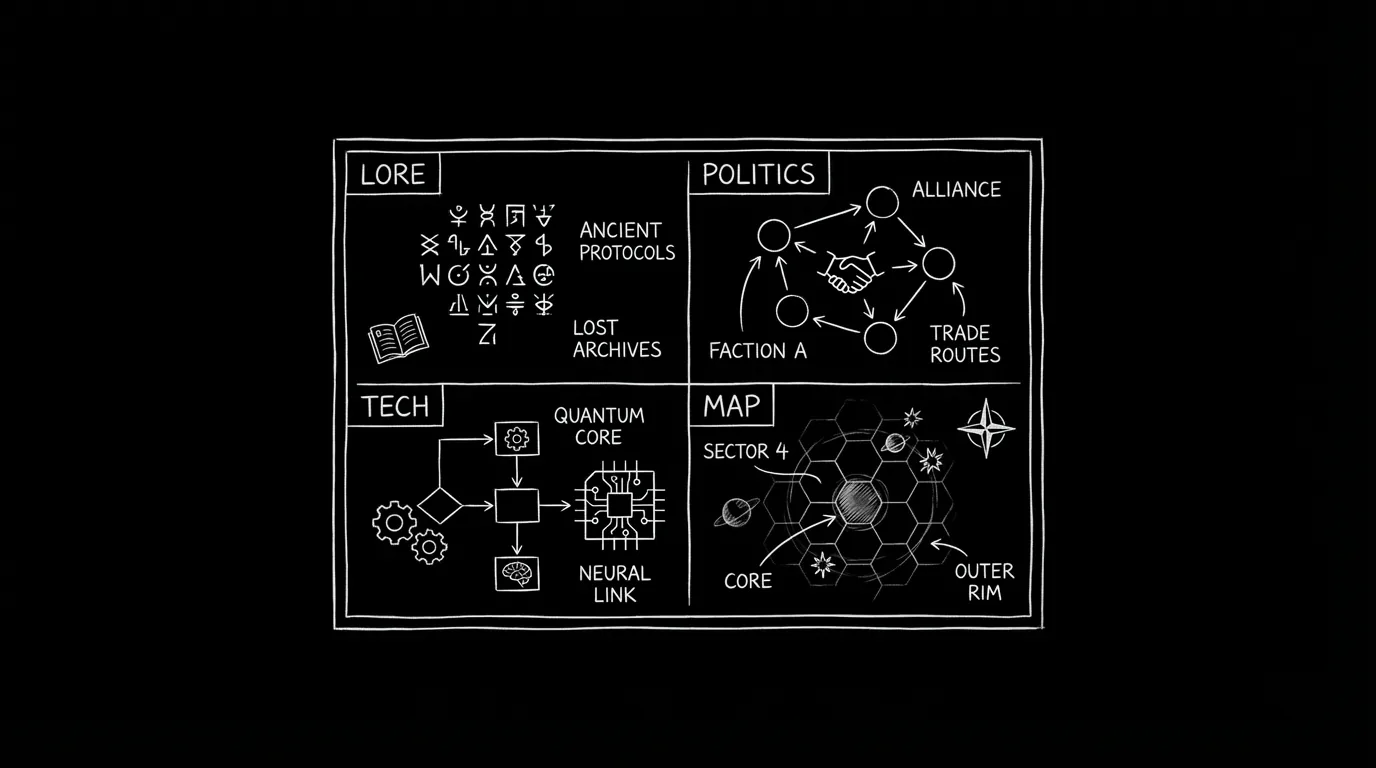
Hero image prompt: Dark mode technical sketch. Solid black background, thin white hand-drawn lines. A single symbol or power with a crack or a cost, a circle with a missing piece, or a line that costs something to draw. Minimalist, high-contrast.
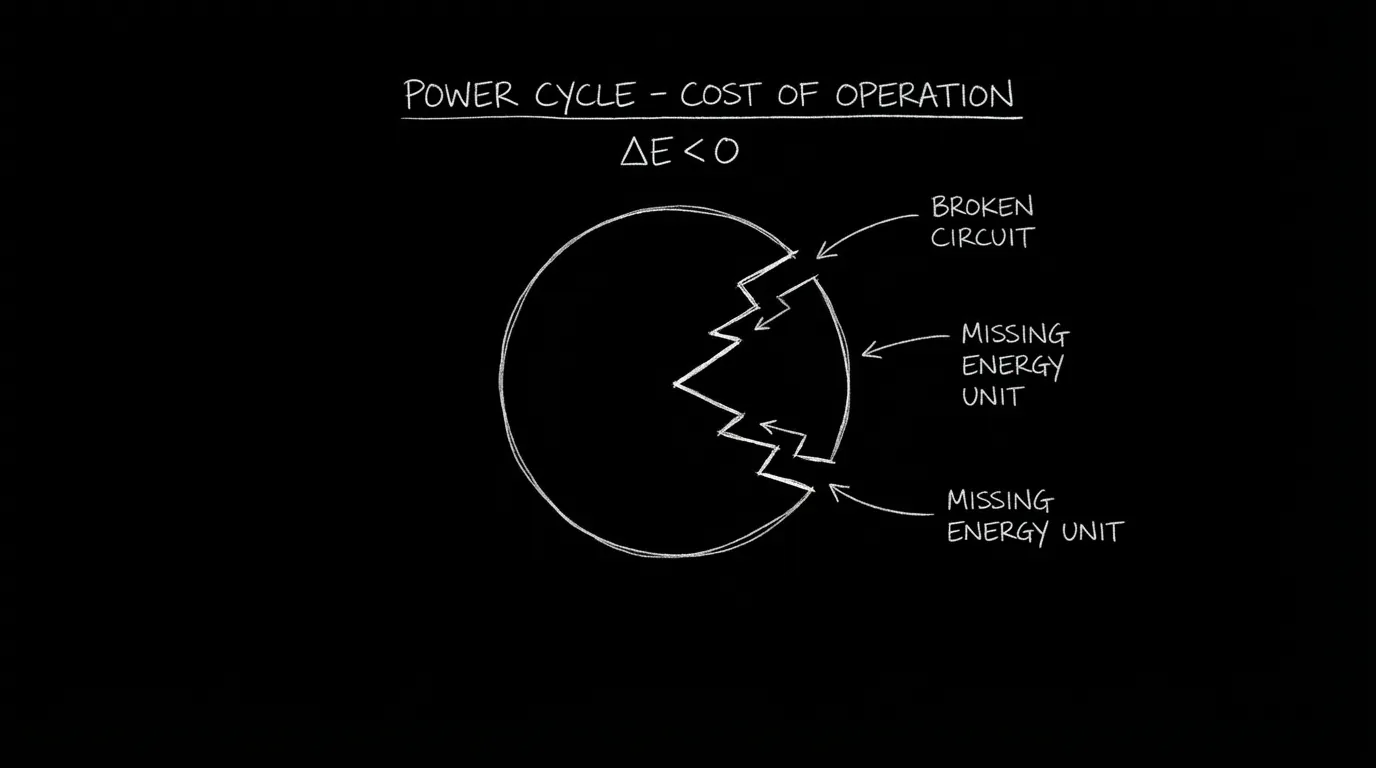
The interesting part of magic isn’t what the character can do. It’s what they can’t do, or what it costs. When magic is unlimited, the writer has to keep inventing bigger threats. When magic has a cost, every use is a choice. The character has to decide: is it worth it? That’s conflict. That’s story. Here’s how to build a magic system where the limits do the work.
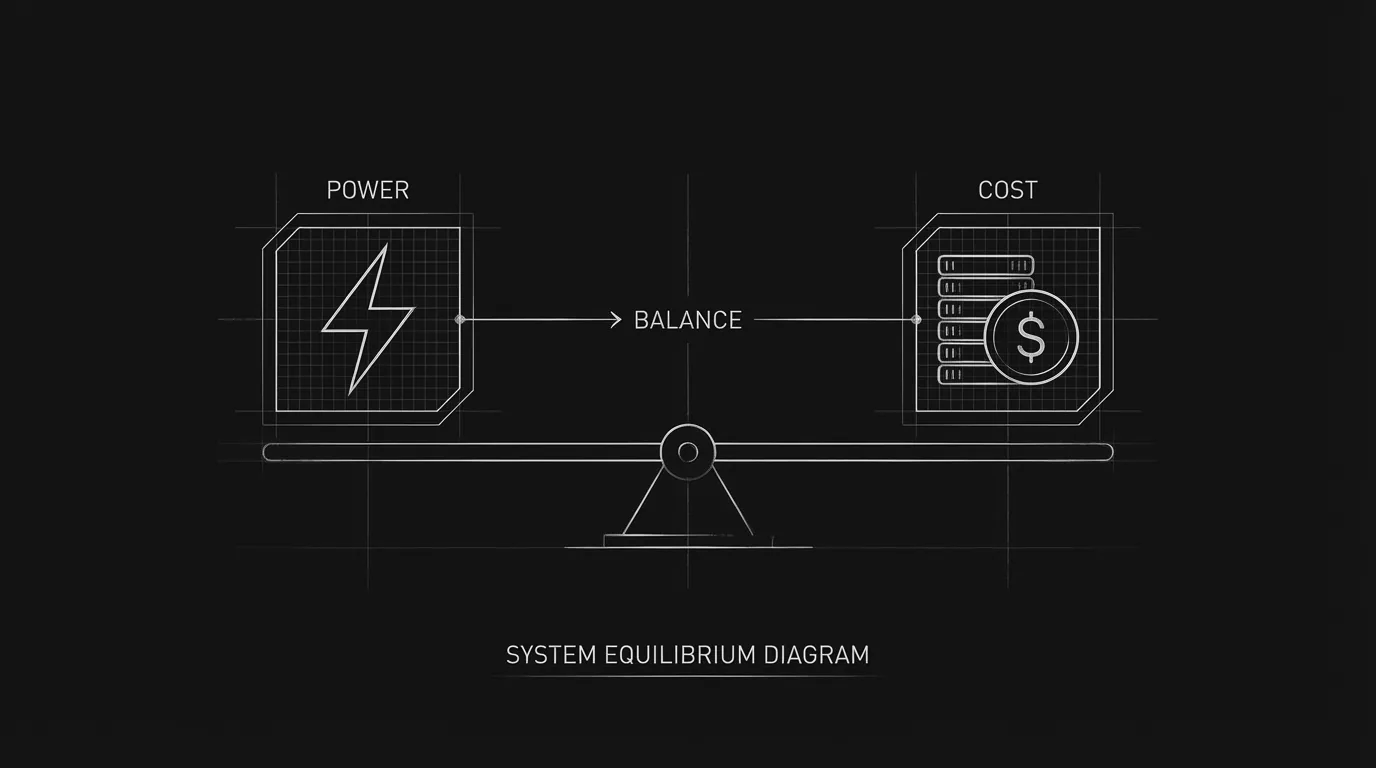
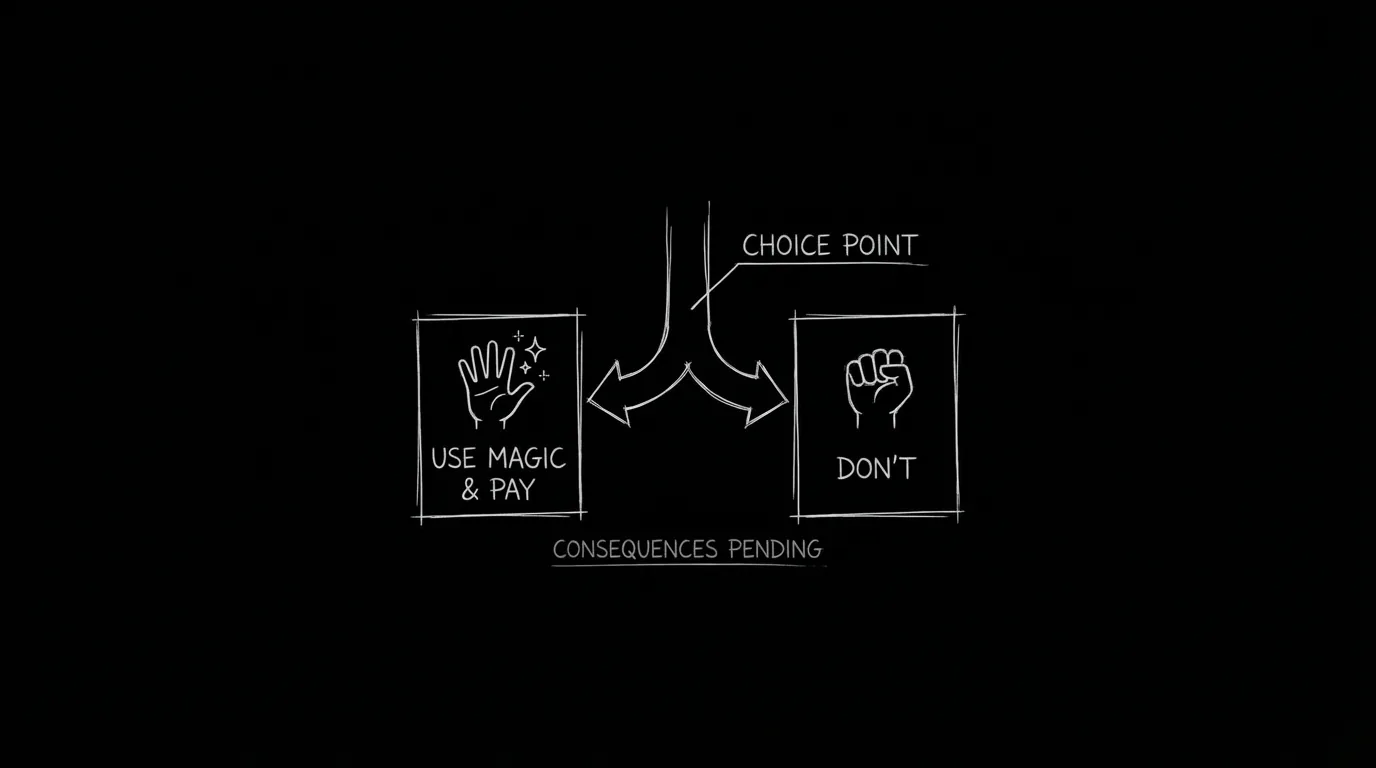
The best magic systems are engines for hard choices. The power is tempting. The cost is real. The character can’t have both. So they have to choose, and the story moves.
Think about Fullmetal Alchemist: equivalent exchange. You can’t get something from nothing. The cost is built in. Or Avatar: The Last Airbender: bending has rules, limits, and moral weight. Or The Magicians: magic is addictive and destructive. In each case, the limitation isn’t a detail, it’s the thing that creates the drama. The character wants something. The magic could get it. But the cost is too high. Or the magic can’t do that. So they have to find another way. Our existing guide on creating a magic system in fantasy screenplays touches the same idea; here we go deeper on why limits matter and how to design them so they generate conflict. For more on building worlds that hold together, see worldbuilding 101, the magic rules belong in the bible.
Why Unlimited Magic Kills Conflict
If the character can do anything, the story has to keep raising the stakes. Bigger villain. Bigger threat. It becomes an arms race. And the audience stops believing that anything is at risk. So the fix is to cap the power. The cap can be external (the magic can’t do X) or internal (using the magic costs Y). Either way, the character can’t just wave their hand and win. They have to choose when to use the power. They have to pay. They have to work within the rules. That’s when the magic system serves the story instead of overwhelming it. For more on how constraints create drama, see hard sci-fi vs space opera, in hard sci-fi, the “magic” is tech and its limits are explicit; the same logic applies to magic.
Types of Limitations (And What They Do)
Cost. Using the magic costs something. Energy. Life force. Years. Sanity. The character has to decide: is this worth it? The cost can be cumulative. The more they use it, the more they lose. That creates a ticking clock. They can’t rely on the magic forever. For more on character cost and choice, see want vs need and the character engine, the cost of magic can force the character to face what they really need.
Scope. The magic can do X but not Y. It can heal, but not bring back the dead. It can move objects, but not people. The limitation is built in. So when the character wants something the magic can’t do, they have to find another way. The story isn’t “get more power.” It’s “work within the rules.” For more on rules and consistency, see time travel logic, the same principle of “set the rules and keep them” applies.
Consequence. Using the magic has a side effect. It corrupts. It attracts attention. It damages the user or others. The character can use it, but they know what will happen. So every use is a moral choice. For more on moral weight in character choices, see fatal flaw and psychological depth, the consequence of magic can tie into the character’s flaw.
Resource. The magic requires something. A material. A condition. A partner. When the resource is scarce or hard to get, the character can’t use the magic freely. They have to save it. They have to choose. The resource limitation is simple and clear. For more on building a world where resources matter, see the fantasy map and geography, geography can control where the resource is, which creates plot.
| Type | What It Does |
|---|---|
| Cost | Using magic costs something; every use is a trade-off |
| Scope | Magic can do X but not Y; character must work within the rules |
| Consequence | Side effects; moral weight; using it has a price |
| Resource | Magic requires something scarce; can’t use it freely |
Relatable Scenario: The Script Where Magic Solves Everything
You’ve written a fantasy. The character has magic. Whenever there’s a problem, they use the magic. The audience stops worrying. Fix: add a limitation. Cost, scope, consequence, or resource. Then go back through the script. Every time the character uses the magic, make sure the limitation is in play. They pay something. Or they can’t use it for this. Or using it creates a new problem. Now every use is a choice. The story has tension again. Our piece on exposition in fantasy applies when you deliver the rules, show the cost or the limit in action, don’t lecture.
Try it free
Try Screenweaver for free on your script
It is free. Import your existing project, get a clearer view of your outline, and regain control of your story structure in minutes.
Start FreeRelatable Scenario: The Script Where the Limits Are Vague
You’ve said the magic has a cost. You haven’t said what it is. So when the character uses the magic, the audience doesn’t know what they’re risking. Fix: make the cost specific. One sentence. “Every use shortens their life.” “Every use requires a drop of blood from someone they love.” “Every use draws the attention of the Hunt.” When the cost is specific, the audience feels the stakes. When it’s vague, they don’t. For more on making stakes concrete, see the “all is lost” moment, the cost of magic can be the thing that pushes the character to that moment.
The Trench Warfare Section: What Beginners Get Wrong
Adding limits late. The script has been running on unlimited magic. In act three you introduce a cost. The audience feels the shift. Fix: establish the limit in the first act. Show the cost or the scope early. Then when the character faces the choice later, the audience already knows the rules. For more on planting and paying off, see the twist ending and revelation list, the limit can be the thing that pays off in the climax.
Too many limits. The magic can only be used on Tuesdays, by left-handed people, in the rain, with a specific phrase. The audience can’t hold it all. Fix: one or two clear limits. Cost and scope. Or cost and consequence. Keep it simple. The story will do the rest. For more on clarity in worldbuilding, see worldbuilding 101.
Limits that don’t affect the plot. You’ve written a cost. The character never has to choose. The cost never matters. Fix: put the character in a situation where they have to use the magic and the cost is real. Or where they want to use it but can’t because of the limit. The limit has to create a hard choice at least once. For more on character and choice, see want vs need.
Explaining the limits in a lecture. A character delivers a speech about how the magic works. The audience tunes out. Fix: show the limit in action. The character uses the magic. We see the cost. Or we see them refuse to use it because of the cost. One scene of consequence is worth a page of explanation. For more on showing instead of telling, see exposition in fantasy.
Step-by-Step: Building the Limitation
Before you write (or when you’re rewriting), answer: what can the magic do? What can’t it do? What does it cost? Write it in one or two sentences. Put it in the bible. Then, in the first act, show the limit once. The character pays. Or they hit the wall. Or they refuse to use it. The audience now knows the rule. For the rest of the script, every use of magic should touch the limit. Either the character pays, or they’re forced to work around it, or the limit is the reason they fail (or succeed at a cost). When the limitation is in play, the magic system is doing its job. For more on building the world that holds the magic, see worldbuilding 101 and the fantasy map.
One External Resource
For a short overview of magic systems in fantasy and how they’re discussed in craft, see Magic system on Wikipedia. Reference only; not affiliated.
The Perspective
The best magic systems aren’t about power. They’re about cost. When the character has to pay, in energy, in scope, in consequence, in resource, every use is a choice. The story moves. When the magic is unlimited, the writer has to keep inventing bigger problems. Give the magic a limit. Let the limit do the work.
Final Step
Build your next script with Screenweaver
Move from ideas to production-ready pages faster with timeline-native writing and AI-assisted story flow.
Try Screenweaver