Hero image prompt: Dark mode technical sketch. Solid black background, thin white hand-drawn lines. One figure standing in an unfamiliar landscape, simple shapes that don’t match the figure’s expectation. The figure is the anchor. Minimalist, high-contrast.
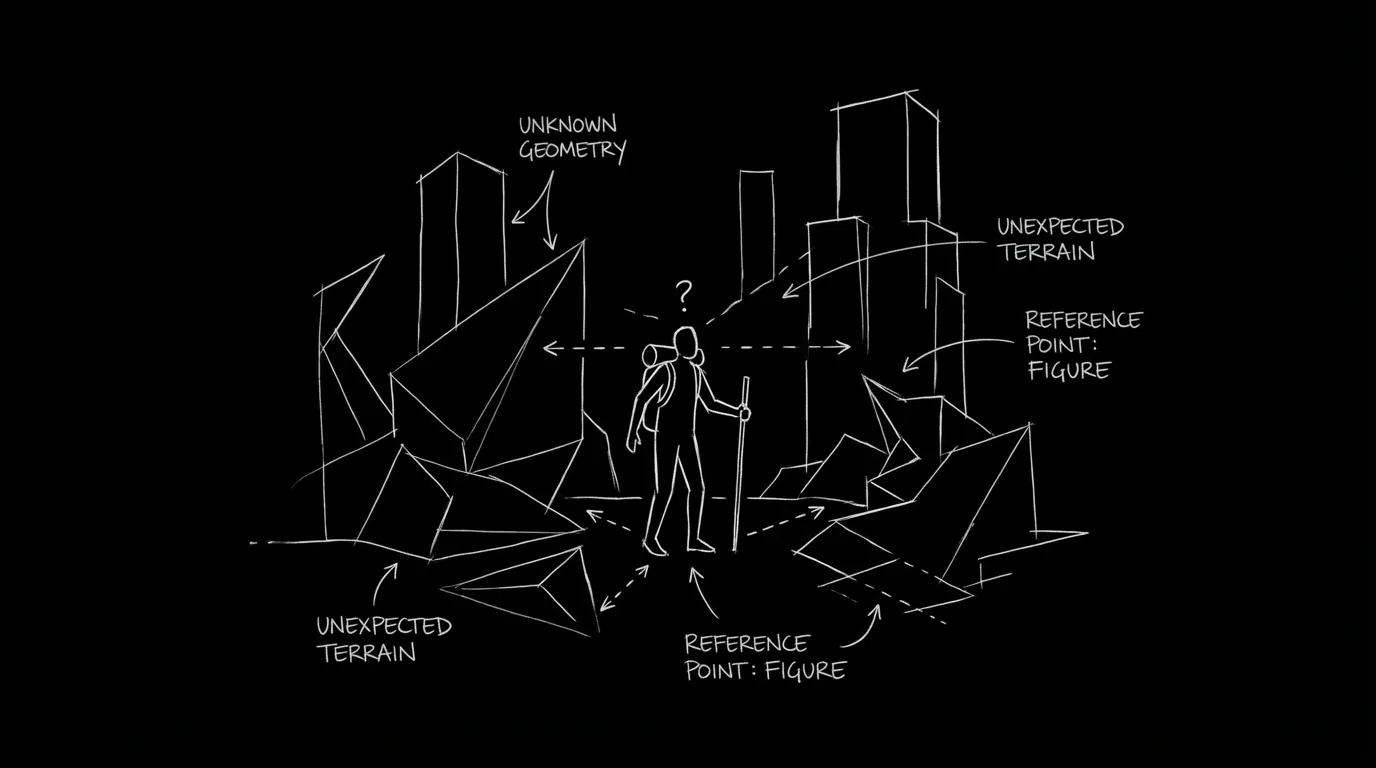
The audience doesn’t know the rules yet. So you give them someone who doesn’t know either. The new kid. The outsider. The one who has to ask. When they ask, the audience gets the answer. When they’re confused, the audience is allowed to be confused. The fish out of water isn’t a crutch. It’s a point of view. Here’s how to use it so the audience has a guide, and so the guide is a character, not a device.
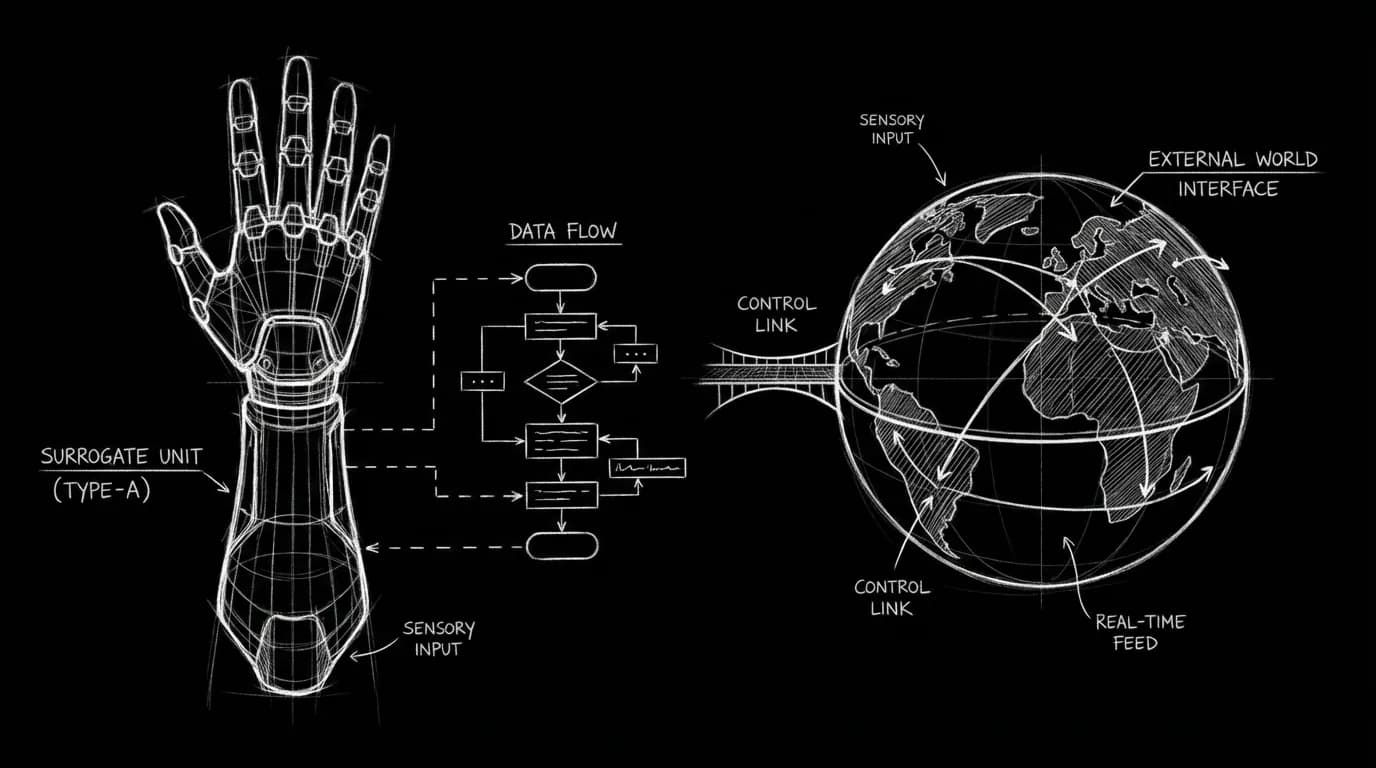
The surrogate doesn’t exist to ask questions. They exist to need to know. Their want, to survive, to belong, to get home, is what makes the exposition feel earned. When they ask, it’s because they have to. Not because the writer needed to explain.
Think about Avatar (the blue one). Jake Sully is the fish out of water. He doesn’t know the world. He doesn’t know the culture. So when someone explains, we’re not getting a lecture. We’re getting what he needs to hear. The same in The Matrix: Neo is new. He has to learn. So we learn with him. The surrogate’s job is to make the audience’s position legitimate. We’re not dumb for not knowing. The character doesn’t know either. And they have a reason to find out. Our guide on exposition in fantasy and avoiding “as you know, Bob” is about how to deliver the info; the fish out of water is who receives it. For more on delivering lore through action, see exposition dump and hiding info in conflict.
Why the Surrogate Works
In a world with rules, sci-fi, fantasy, a subculture, a profession, the audience needs to learn. You can have a character explain to another character who already knows (“As you know, Bob…”). That feels fake. Or you can have a character explain to someone who doesn’t know. That feels natural. The fish out of water is the one who doesn’t know. So when the explanation comes, it has a recipient. The audience is in that recipient’s shoes. They’re not being talked at. They’re overhearing what the character needed to hear. The surrogate also gives you a way to control what the audience knows. We know what the surrogate has learned. We don’t know more than they do (unless you want to). So the reveals can be timed. When the surrogate finds out, we find out. For more on pacing reveals, see family secrets and the slow reveal.
Making the Surrogate a Character, Not a Question Machine
The trap is the character who only exists to ask. They have no want. No flaw. No arc. They’re a stand-in for the audience and nothing more. The fix is to give them a reason to be in the story. They’re not there to learn. They’re there to achieve something, and learning is what they have to do to get there. So the surrogate has a goal. Get home. Save someone. Belong. Prove themselves. The exposition serves that goal. When they ask a question, it’s because the answer matters for what they’re trying to do. When they’re confused, it’s because the confusion is an obstacle. The character comes first. The surrogate function follows. For more on character and want, see want vs need and the character engine.
When to Use (And When Not To)
Use a fish out of water when the world is complex and the audience needs a guide. New world. New rules. New culture. The surrogate makes the learning curve part of the story. Don’t use one when the world is simple or when the audience is already in the know. If everyone in the audience has seen ten space operas, they don’t need someone to ask “what’s a hyperdrive?” The surrogate works when the audience’s ignorance is real. When it’s not, the surrogate feels like a device. For more on when the world is complex, see worldbuilding 101, the bible holds the rules; the surrogate is the one who learns them on screen. For more on subgenre and audience expectation, see hard sci-fi vs space opera.
| Principle | What It Does |
|---|---|
| Surrogate has a want | They’re not just asking; they need to know to achieve something |
| Learning is obstacle | The confusion is part of the story, not a pause for explanation |
| We learn when they learn | The audience’s knowledge is tied to the surrogate’s; reveals are timed |
| Don’t overuse when world is familiar | If the audience already knows the rules, the surrogate feels redundant |
Relatable Scenario: The Script Where the Surrogate Only Asks
You’ve got a character who’s new to the world. Every scene they ask something. “What’s that?” “How does this work?” The reader starts to feel like they’re in a tutorial. Fix: give the surrogate a goal. What do they want? Then make the questions serve the goal. They need to know X because X is in the way of what they want. And cut half the questions. Show the world. Let the audience infer. The surrogate doesn’t have to ask everything. They have to need to know a few key things. Our piece on exposition in fantasy goes deeper on how to deliver info without making it a Q&A.
Try it free
Try Screenweaver for free on your script
It is free. Import your existing project, get a clearer view of your outline, and regain control of your story structure in minutes.
Start FreeRelatable Scenario: The Script Where Everyone Knows Everything
You’ve written a dense world. No one is new. So when you need to explain something, two experts have to talk to each other. “As you know, the treaty forbids…” The audience feels the hand. Fix: add a surrogate. One character who doesn’t know. They can be a new member, an outsider, a junior. Now the explanation has a recipient. The scene feels natural. For more on avoiding the “as you know” trap, see exposition fantasy.
The Trench Warfare Section: What Beginners Get Wrong
Surrogate with no interior life. They react to the world but don’t want anything. Fix: give them a goal. Survival. Love. Redemption. The surrogate function works when it’s tied to a character who has stakes. For more on character and stakes, see passive protagonist trap, the surrogate shouldn’t be passive; they should be trying to get something.
Too many surrogates. Three characters are new. Everyone is asking questions. The audience doesn’t know who to follow. Fix: one primary surrogate. The others can know more. The primary surrogate is the audience’s anchor. For more on balancing multiple characters, see ensemble comedy and juggling arcs.
Surrogate who catches up too fast. They’re new in act one. By act two they’re an expert. We’ve lost our guide. Fix: let them stay behind for a while. They don’t have to know everything. They have to know enough to act. The rest can stay mysterious, or they can learn in the climax. For more on pacing what the audience knows, see the twist ending and revelation list.
Using the surrogate to dump. They ask one question and get a five-minute answer. Fix: the answer should be as long as the scene needs. One or two lines often enough. The rest can be shown. For more on economy in exposition, see exposition dump.
Step-by-Step: Building the Surrogate
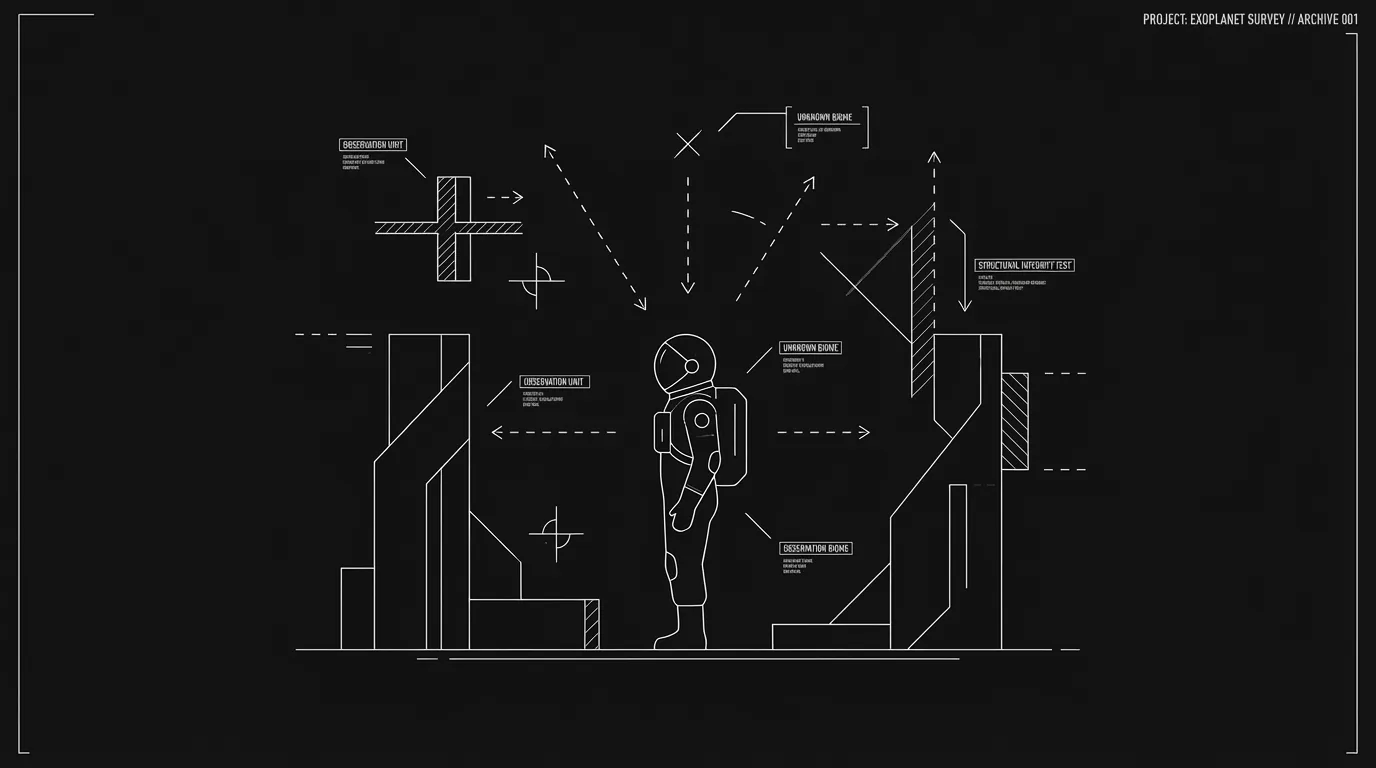
Before you write, ask: who in this story doesn’t know the world? If no one, consider adding one character, the new one, the outsider. Then give them a want. What do they need? The want is why they’re in the story. The ignorance is why they need to learn. When you need to deliver exposition, channel it through them. They ask. Someone answers. Or they discover. We learn with them. Keep their knowledge slightly behind the audience’s need, we’re one step ahead, so we’re engaged, but we’re not lost. For more on the world they’re learning, see worldbuilding 101 and the fantasy map.
One External Resource
For a short overview of the fish out of water as a narrative device, see Fish out of water (narrative) on Wikipedia. Reference only; not affiliated.
The Perspective
The fish out of water isn’t an excuse to explain. It’s a point of view. When the character has a reason to be there and a reason to need to know, the exposition feels earned. The audience has a guide. The guide has a story. Use them.
Final Step
Build your next script with Screenweaver
Move from ideas to production-ready pages faster with timeline-native writing and AI-assisted story flow.
Try Screenweaver