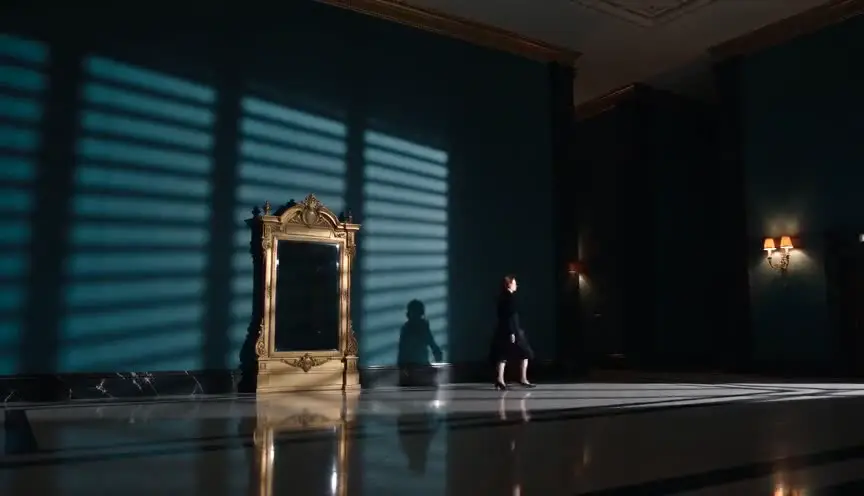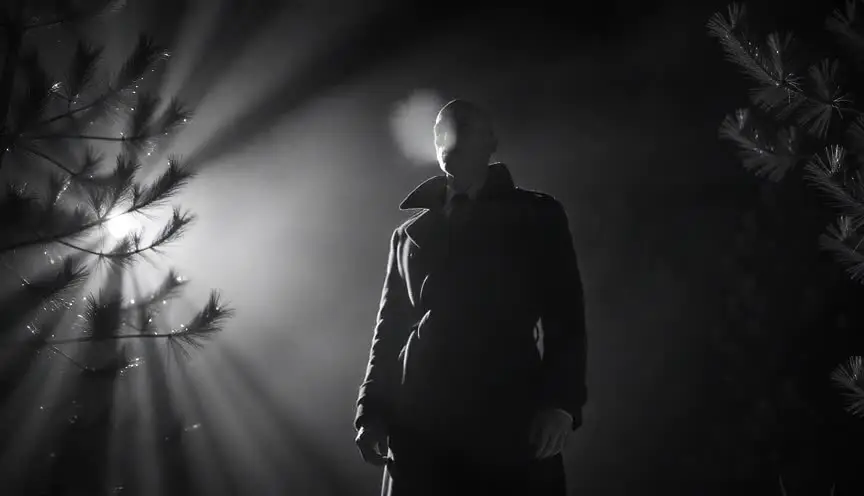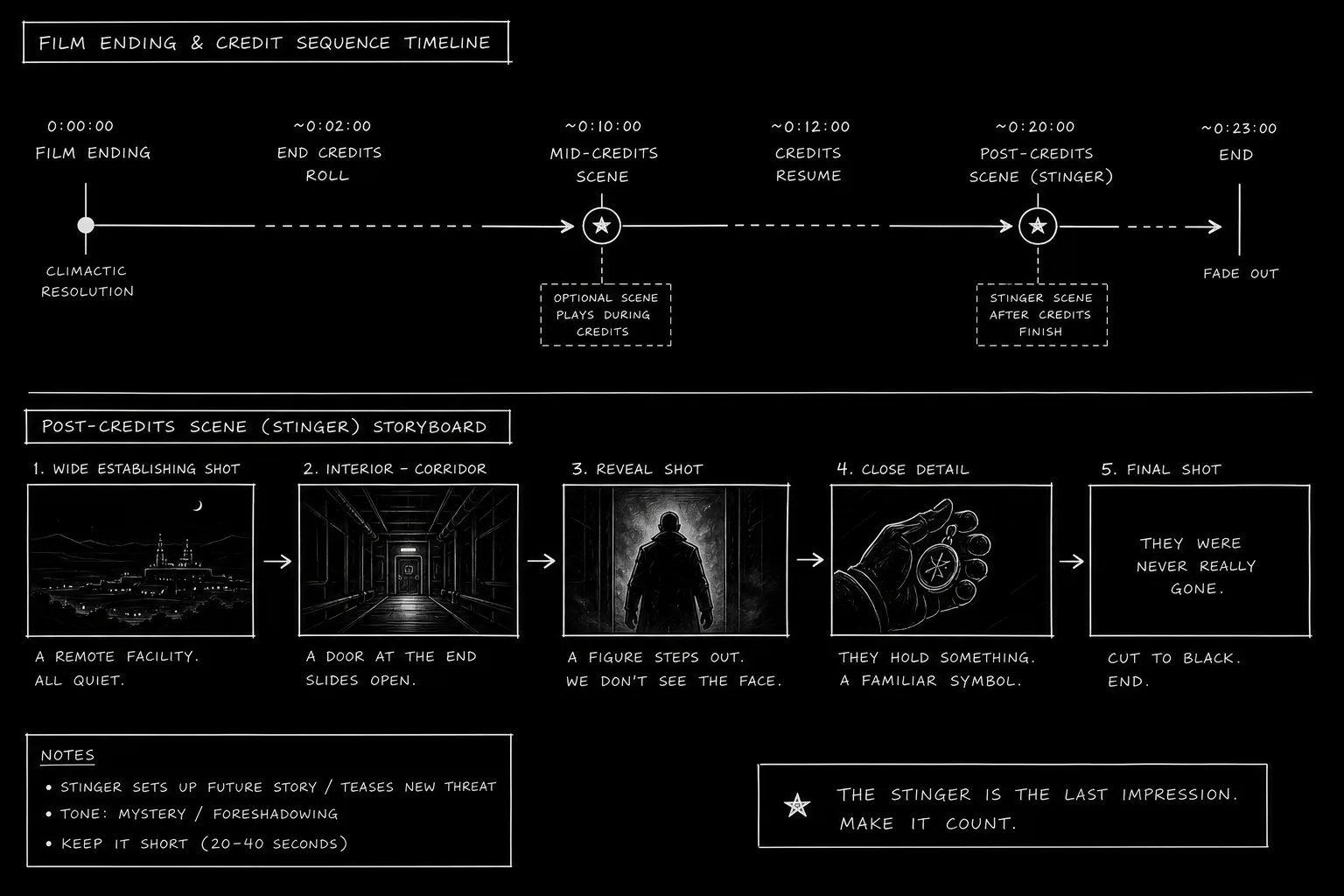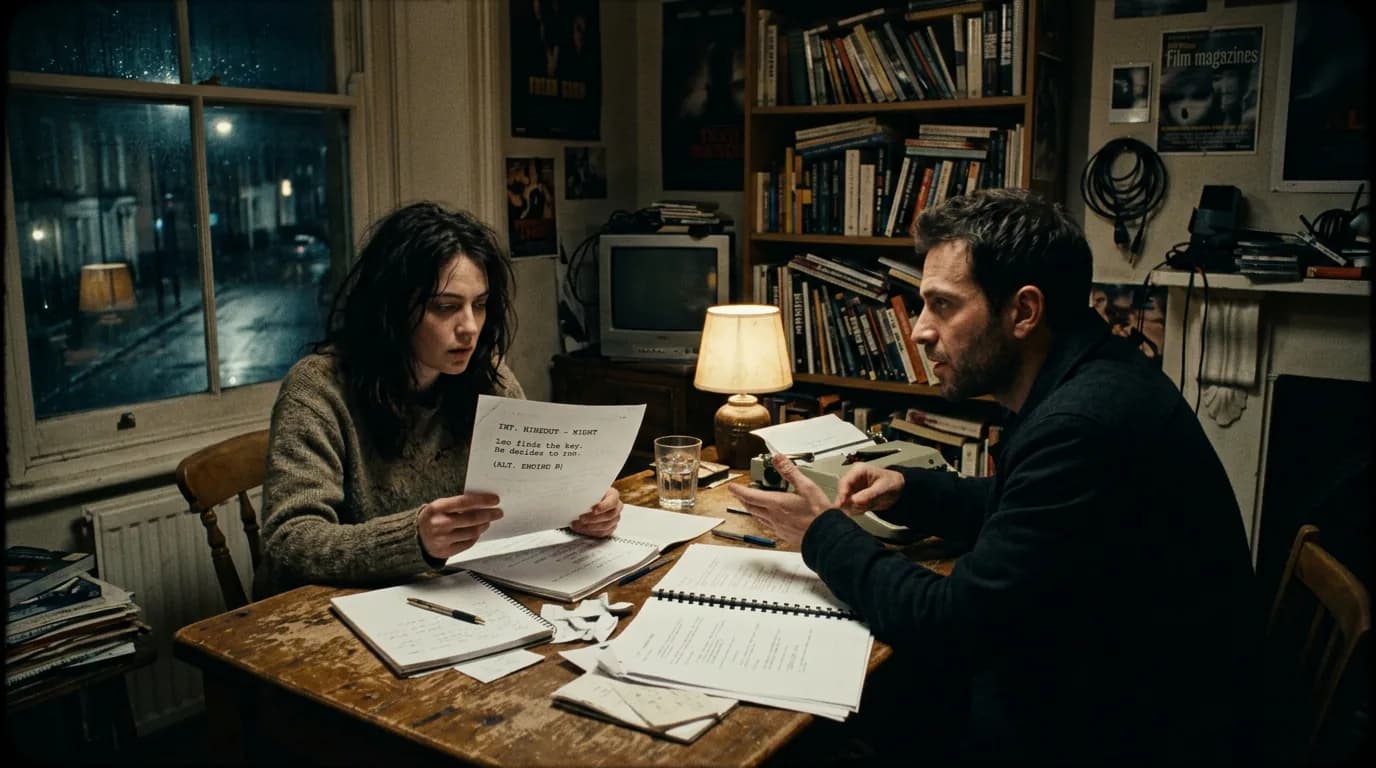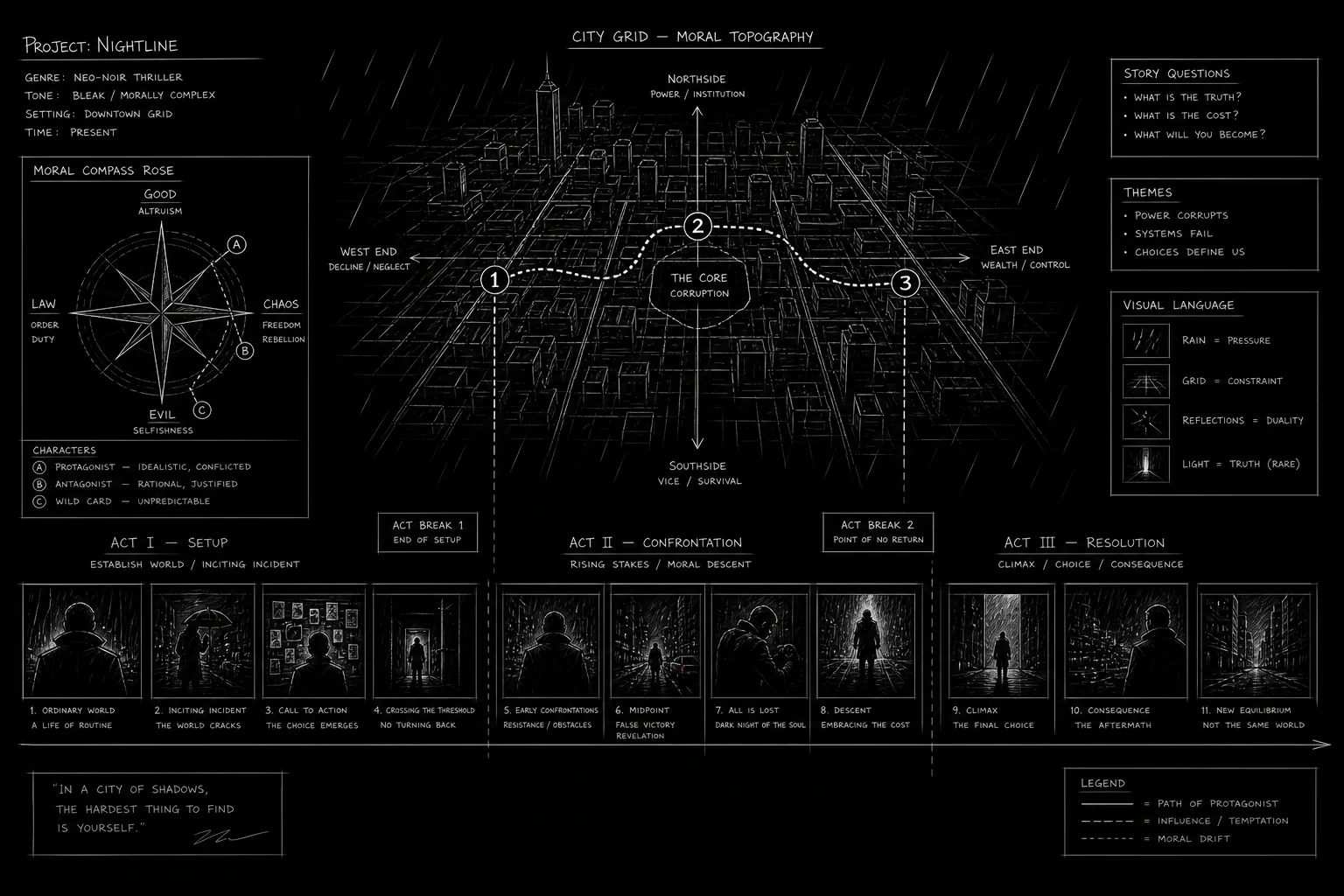

Classic noir had fog, fedoras, and voice-over that told you the world was rotten. Neo-noir keeps the moral weather and updates the infrastructure: surveillance capitalism, gig-economy detectives, identity fraud at scale, and violence that lives on camera whether the scene wants it or not. The mistake is copying the silhouette without rebuilding the spine. A modern script cannot paste 1940s plot mechanics onto contemporary institutions and call it homage.
This guide lays out a neo-noir screenplay structure with twists that feel native to the 2020s: compromised protagonists, systems too large to punch, and endings that punish clarity instead of rewarding it.
Free tool: use the Beat Sheet Calculator to map these beats to exact page numbers for your script length.
How It Works: The Neo-Noir Contract With the Audience
Neo-noir promises three things. Moral corrosion: everyone wants something ugly, including the person we follow. Institutional pressure: the case is never only personal; bureaucracy, tech platforms, or money laundering networks shape every choice. Price of knowing: the truth does not set anyone free. It narrows their options.
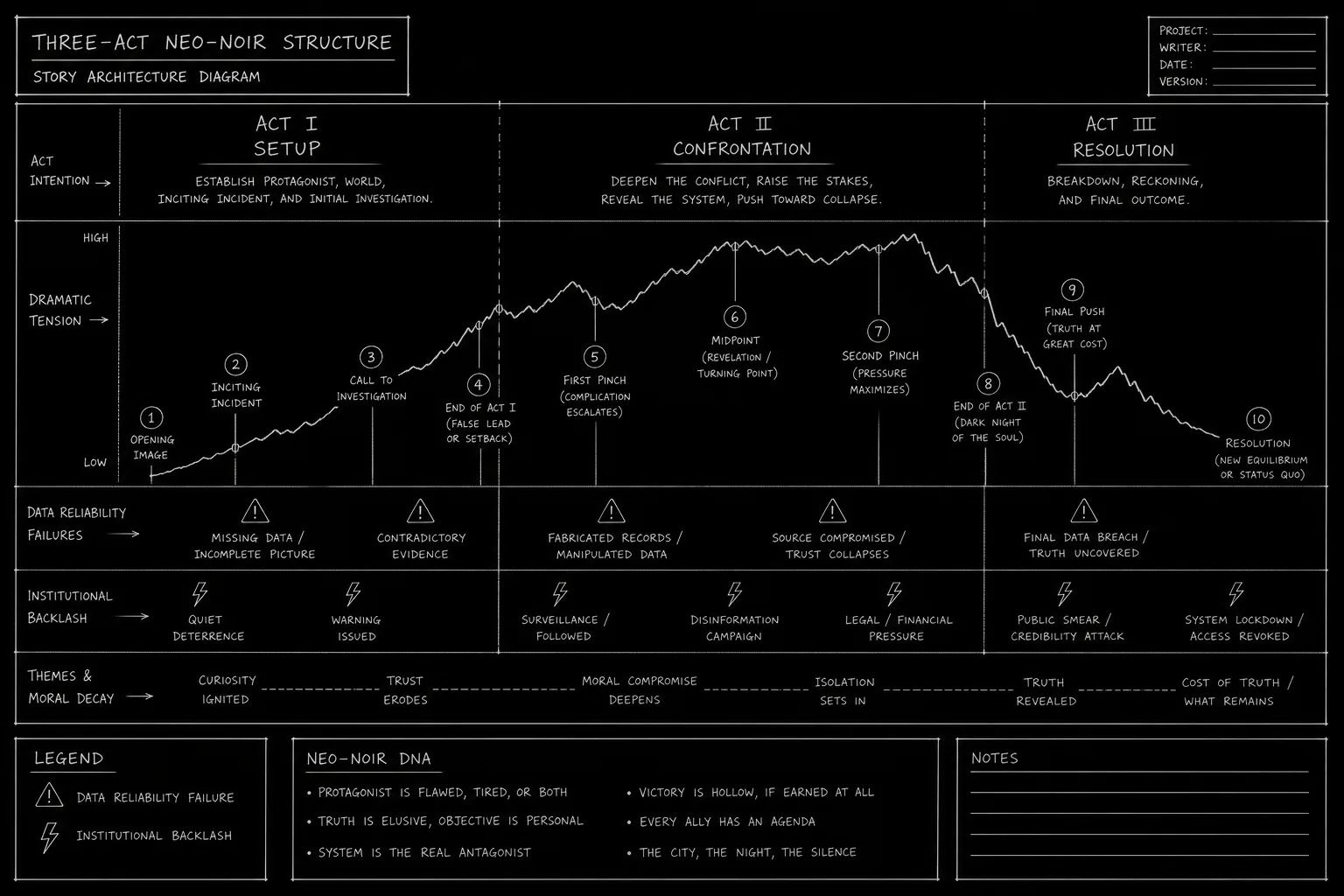
Structure still runs on investigation geometry: question, pursuit, reversal, deeper pursuit, costly revelation. What changes is the velocity of information. Classic noir drip-fed clues. Neo-noir floods the protagonist with data they cannot verify: leaked files, deepfakes, compromised chain of custody. Structure must account for epistemic doubt, not just danger.
For dialogue that hides motive under polite surfaces, start with subtext in film noir and push those techniques into contemporary speech patterns.
Platform and Use-Case Sections
Theatrical Features
Theatrical neo-noir favors tight POV and a third-act collapse that rewrites the audience's moral alignment. Limited locations help budget and claustrophobia. See bottle episode on budget thinking applied to feature containment.
Premium Cable and Streaming
Serialized neo-noir can stretch the midpoint reversal across episodes. Each episode delivers a partial answer that corrupts the previous question. Cliffhangers are informational, not only physical.
Limited Series
Limited runs suit institutional noir: one case exposes a whole ecosystem. Structure maps to 6-8 episode reveals, with episode three traditionally breaking the protagonist's initial theory.
Indie and Micro-Budget
Neo-noir is indie-friendly when you trade explosions for procedure: interviews, paperwork, late-night database searches, wrong conclusions that cost trust. Action is cognitive.
Relatable Scenario: The Algorithm Knows Before You Do
Your detective chases a suspect across the city using license plate readers and predictive policing dashboards. The twist is not that tech exists. The twist is that the system flagged the protagonist's innocent associate first, and the protagonist used that bad flag to justify a raid that destroyed trust. Neo-noir structure punishes the shortcut. The midpoint "win" is built on biased data. The third act is not clearing the associate's name in court; it is choosing whether to leak the dashboard logs and lose their badge forever.
Relatable Scenario: The Podcast True Crime Angle
Everyone has a show now. Your protagonist's investigation becomes content for a podcast host who edits interviews for narrative. Structure accounts for performed truth: what was said, what was aired, what the audience believes. The climax might be a live broadcast where the protagonist cannot control the edit button. Modern noir is also media noir.
Step-by-Step: Building a Neo-Noir Spine With Modern Twists
Step 1 - Define the system, not only the corpse
Write one paragraph on the institution or platform the story indicts: private equity, content moderation, immigration detention, crypto recovery. The crime is an entry point into the system.
Step 2 - Give the protagonist a complicity hook
They are not a saint in a trench coat. They benefited from the system, ignored a prior harm, or need the case for selfish survival. Complicity is the modern equivalent of the detective who drinks too much.
Step 3 - Plant false data early
Neo-noir twists need unreliable evidence: edited footage, coached testimony, algorithmic bias in facial match. The protagonist must act on bad data before the audience sees the flaw.
Step 4 - Midpoint: solve the wrong mystery
At midpoint, they "solve" it. Arrest, expose, publish. Then watch the solution fail or backfire because the system absorbs scandal as operational cost.
Step 5 - Strip allies through trust fractures
Partners exit not because of gunfire but because of NDA pressure, deportation risk, or reputation collapse. Isolation is structural.
Step 6 - End on partial victory or pyrrhic clarity
They know the truth. They cannot publish it, cannot prosecute it, or cannot survive saying it aloud. The ending is a choice between bad and worse.
[YOUTUBE VIDEO: Scene breakdown comparing classic noir third act vs neo-noir third act, focusing on how modern endings trade courtroom triumph for systemic stalemate.]
Try it free
Try Screenweaver for free on your script
It is free. Import your existing project, get a clearer view of your outline, and regain control of your story structure in minutes.
Start FreeOperational Requirements: Tone, POV, and Evidence on the Page
Voice-over: Use sparingly. If you use it, make it unreliable or self-incriminating, not poetic weather report. The protagonist narrates to justify choices already made badly.
Technology portrayal: Show screens as friction, not magic. Wrong passwords, paywalls, deleted threads, legal holds. Tech should create delay, the noir clock.
Violence: Consequences linger: HR meetings, viral video, insurance denial. Violence is never purely physical.
Diversity of city: Neo-noir cities are plural. Neighborhood specificity beats generic skyline porn.
Format notes: Intercut surveillance footage with clear slug discipline. Reference unfilmable action lines when writing what characters watch on screens without cluttering the page.
| Classic Noir Beat | Neo-Noir Update |
|---|---|
| Femme fatale reveal | Incentive reveal across genders |
| Corrupt cop | Corrupt process |
| MacGuffin object | MacGuffin dataset |
| Nightclub meeting | Encrypted chat / dead drop app |
| Final confrontation | Public reckoning with no justice |
Outcome: What a Structured Neo-Noir Delivers
When structure and modern twists align, coverage readers describe the script as "timely but timeless." That phrase means the moral engine is classic while the obstacles feel current. Producers can budget the piece because investigation scenes scale cheaper than set pieces, and the theme has trailer language without spoiling the ending.
Audiences leave with moral residue, not just plot closure. They argue about what the protagonist should have done. That argument is the genre working.
Why It Matters: Aesthetic Cosplay vs Structural Update
The old way: Black-and-white marketing language, hardboiled dialogue in a world with smartphones explained away in one line, twist ending that only surprises because characters hid obvious facts.
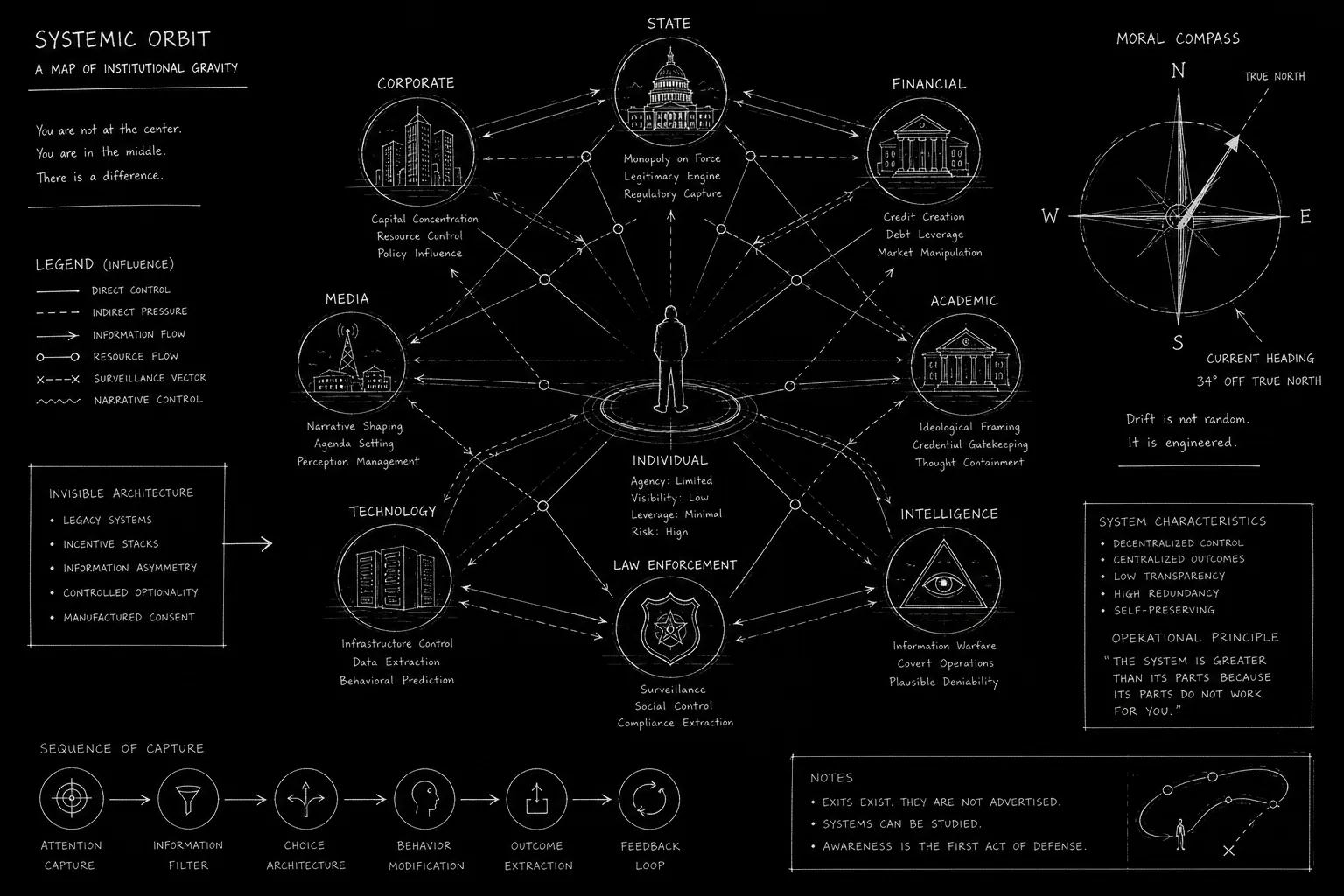
The new way: Structure built for information disorder, institutional immunity, and protagonists who are part of the problem. Aesthetic nods are optional; moral architecture is not.
Cosplay neo-noir dates fast. Structural neo-noir ages like the originals because it is about power, not props.
Conclusion
Neo-noir is not noir with LED lighting. It is noir where the system is the antagonist and truth is a liability. Build your spine around complicity, bad data, midpoint backfire, and endings that cost something.
Draft your beat sheet, then stress-test every reveal against a simple question: would this still work if the protagonist had Google, a lawyer, and a viral audience? If yes, raise the institutional stakes. Pair this structure pass with screenplay revision passes when you move from outline to draft. Write the corruption first. The rain is optional.
Add a moral ledger column to your outline: after each major beat, note what the protagonist gains in knowledge and loses in options. Neo-noir protagonists should be smarter and more trapped at the end than at the midpoint. If knowledge opens doors, you are writing mystery. If knowledge closes them, you are writing noir. The distinction is structural, not cosmetic.
When pitching neo-noir, lead with the institutional antagonist in the logline, not the murder weapon. Buyers greenlight systems now: content moderation failures, forensic backlog, private security immunity. The corpse is the doorbell. The system is the house.
Final Step
Build your next script with Screenweaver
Move from ideas to production-ready pages faster with timeline-native writing and AI-assisted story flow.
Try Screenweaver