
To make a short drama with AI you write it like a vertical series first and generate it second: a premise built on a trope, a season grid with a cliffhanger per episode, scripts of one to two pages per episode, a locked cast of reference sheets, a 9:16 storyboard per shot, then image-to-video generation, voices and a cut. The generation is the cheap part. The season plan is what decides whether anyone watches episode 12.
This is the pillar of a series. Each step below links to the article that goes deep on it, and the short drama episode planner builds the season grid for you.
What a short drama is, in numbers
A short drama (also called a micro drama, a vertical drama, or a ReelShort-style series) is a serialized show of 40 to 100 episodes, each one to three minutes long, shot or generated in 9:16 for a phone, and paywalled after the first eight to twelve episodes on the apps that distribute it.
The category is not a niche any more. Sensor Tower's June 2026 report puts the numbers like this:
| Metric | Figure | Period |
|---|---|---|
| Global in-app revenue of short drama apps | about US$750 million, up 20% year on year | Q1 2026 |
| Global downloads | more than 850 million, up 140% year on year | Q1 2026 |
| Top grossing apps | DramaBox and ReelShort, each close to US$140 million in-app | Q1 2026 |
| Average daily time spent | 25 minutes, up 85% since January 2025 | April 2026 |
| Most downloaded app | FreeReels, past 100 million installs | Q1 2026 |
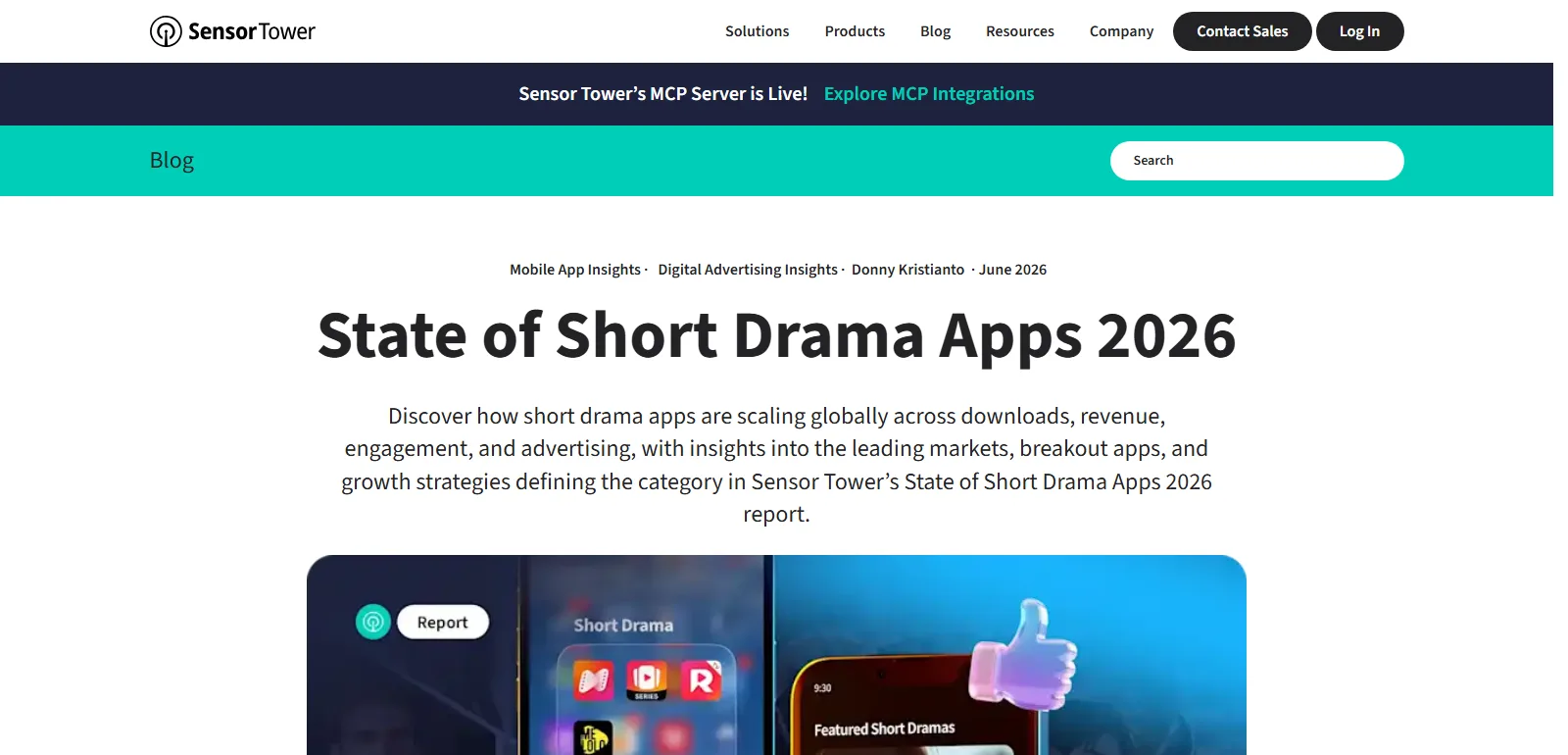
Sensor Tower's State of Short Drama Apps 2026, captured 3 September 2026. The 2025 edition had already recorded about US$700 million of in-app revenue in Q1 2025 alone, against US$178 million a year earlier.
Twenty-five minutes a day, for a format built from 90-second episodes, is fifteen to twenty episodes a day per viewer. That appetite is what the AI path is for, because a human crew cannot feed it and a solo creator with a model can at least try.
Why the format suits AI better than any other kind of film
Everything that makes AI video hard is mostly absent from a short drama, and everything it does well is the whole format.
| AI video weakness | How a short drama avoids it |
|---|---|
| Wide shots drift off-model | Verticals are shot in close-up and medium close-up. Faces, hands, intimacy |
| Long takes fall apart after 8 seconds | Episodes cut every 2 to 4 seconds. A 90-second episode is 25 to 40 clips |
| Complex choreography fails | The genre is confrontation, confession, reveal. People talking at each other |
| Many locations cost many references | A season lives in five or six locations: the mansion, the office, the hospital, the car, the bar |
| Crowds and extras drift | Vertical framing has no room for a crowd anyway |
| Text and phone screens render badly | Generate blank, add the text in the edit. Verticals do this constantly for phone inserts |
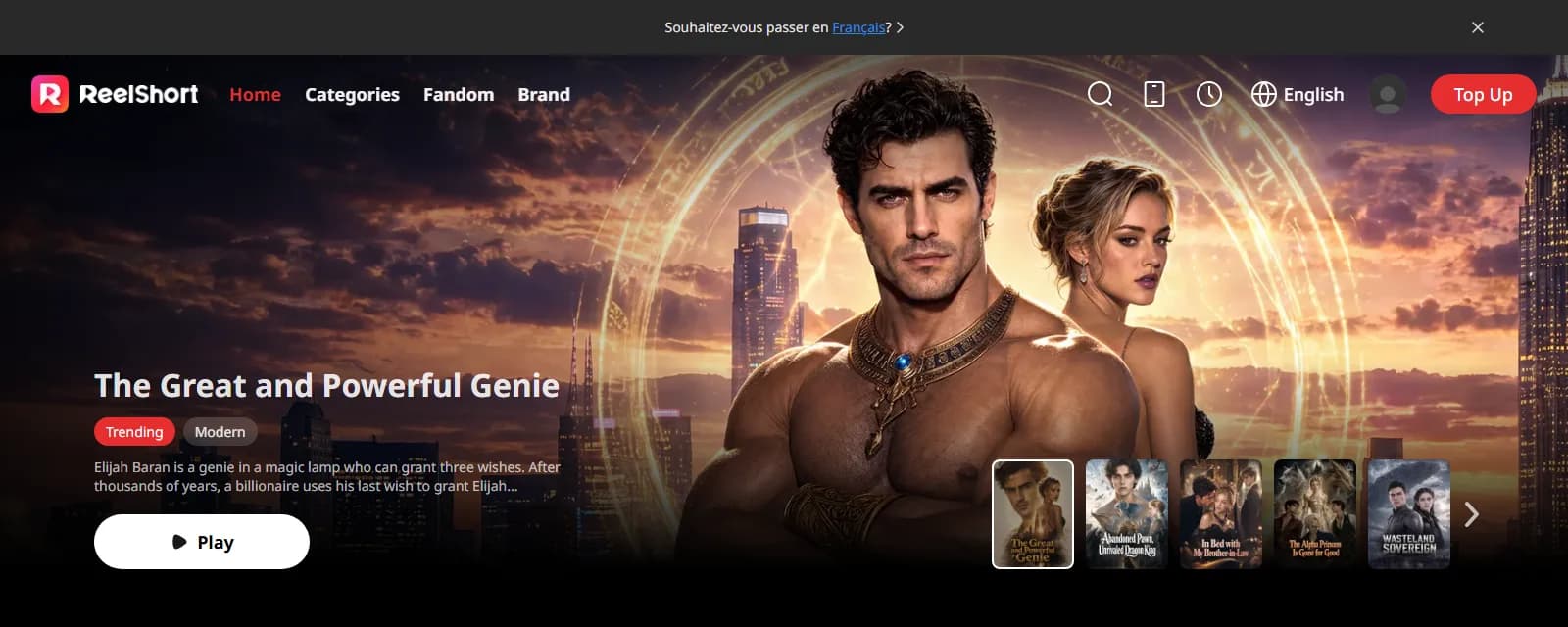
ReelShort's web catalogue, captured 3 September 2026. Several thumbnails in the New Release row carry an AI label in the corner, so AI-produced series are already on the shelf next to live-action ones.
The pipeline, step by step
1. Premise: pick the engine before the story
Short drama runs on tropes because a viewer decides in five seconds and a trope is the only thing that reads in five seconds. Contract marriage, hidden heir, secret billionaire, revenge after betrayal, second chance, fated mate. The premise has to contain the conflict in its first line.
The short drama tropes article breaks the engines down and shows why they generate 70 reversals where an original premise generates six.
2. Season grid: a cliffhanger per episode, pinned
A feature has three or four reversals. A 70-episode vertical needs 70, plus a handful bigger than the rest: the paywall episode, the midpoint, the all-is-lost episode, the finale. Writers who plan it as three acts run out of turns by episode 20.
Plan the grid before the script. The short drama episode structure article explains the four cliffhanger shapes and the five movements, and the episode planner lays out any season length with the milestones pinned and a timestamp skeleton per episode.
3. Script: one to two pages per episode, in a format the apps read
A vertical script page runs about sixty seconds on screen, not the feature minute, because it is nearly all dialogue in close-up. Every episode needs an episode header, a hook in the first line of action, one turn, and a final line that is a question. Final Draft ships micro drama templates now, and the format is small enough to write in Fountain in any app.
The short drama script format article has the template, the page-to-second math and a worked episode.
4. Cast: reference sheets before a single frame
This is the step that separates a series from a slideshow. Every recurring character gets a reference sheet: front, three-quarter and profile faces, full body in each costume the season uses, three or four expressions, and a voice. Lock them and reuse them in every shot prompt by name.
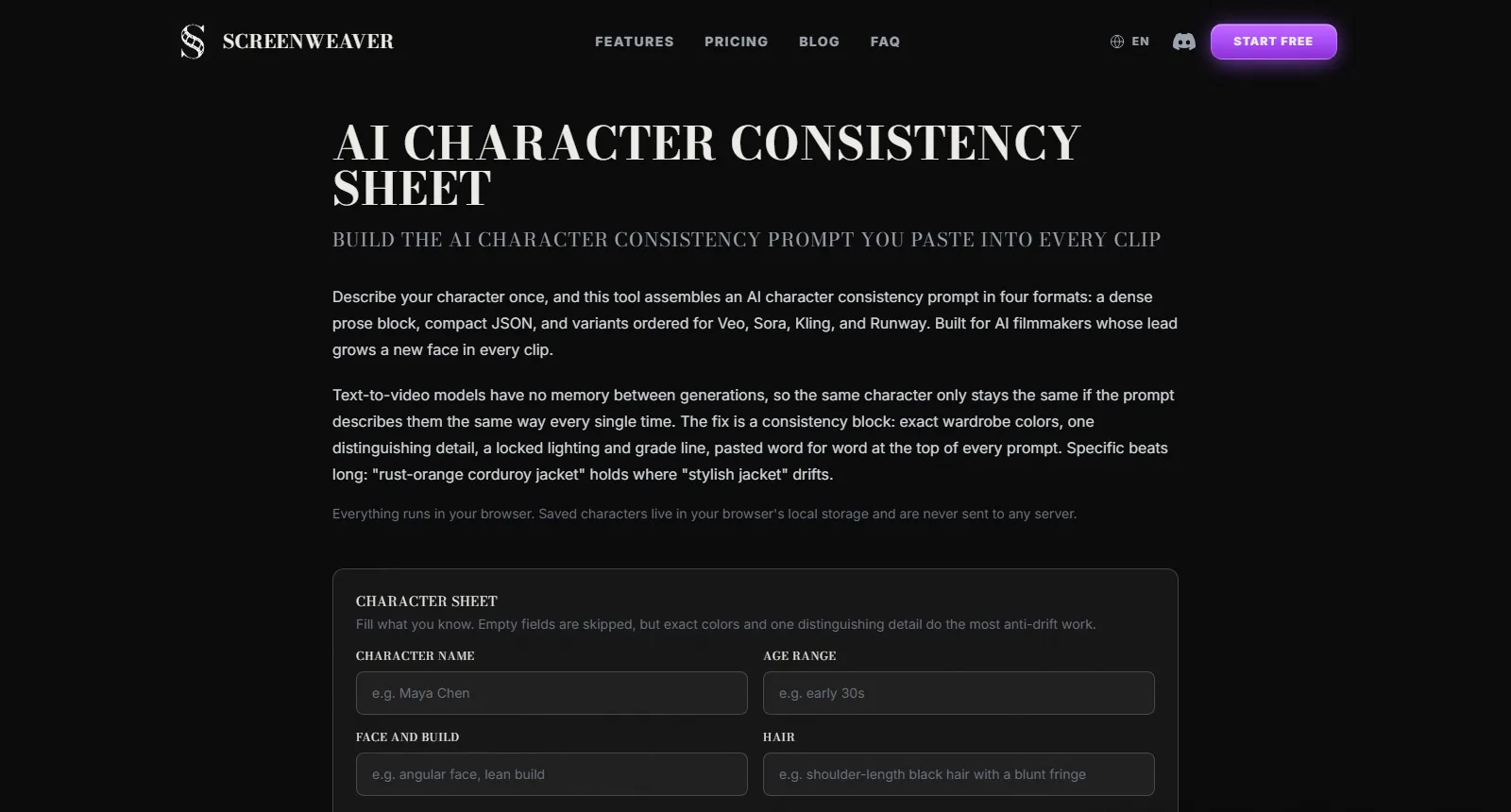
The AI character consistency sheet on screenweaver.ai, captured 3 September 2026. In ScreenWeaver these live as story elements with a reference sheet each, and a shot prompt references them by name.
Do the same for the five or six locations. A season with drifting faces is unwatchable by episode 3; a season with locked faces and a flat script still gets watched, which tells you where the effort goes.
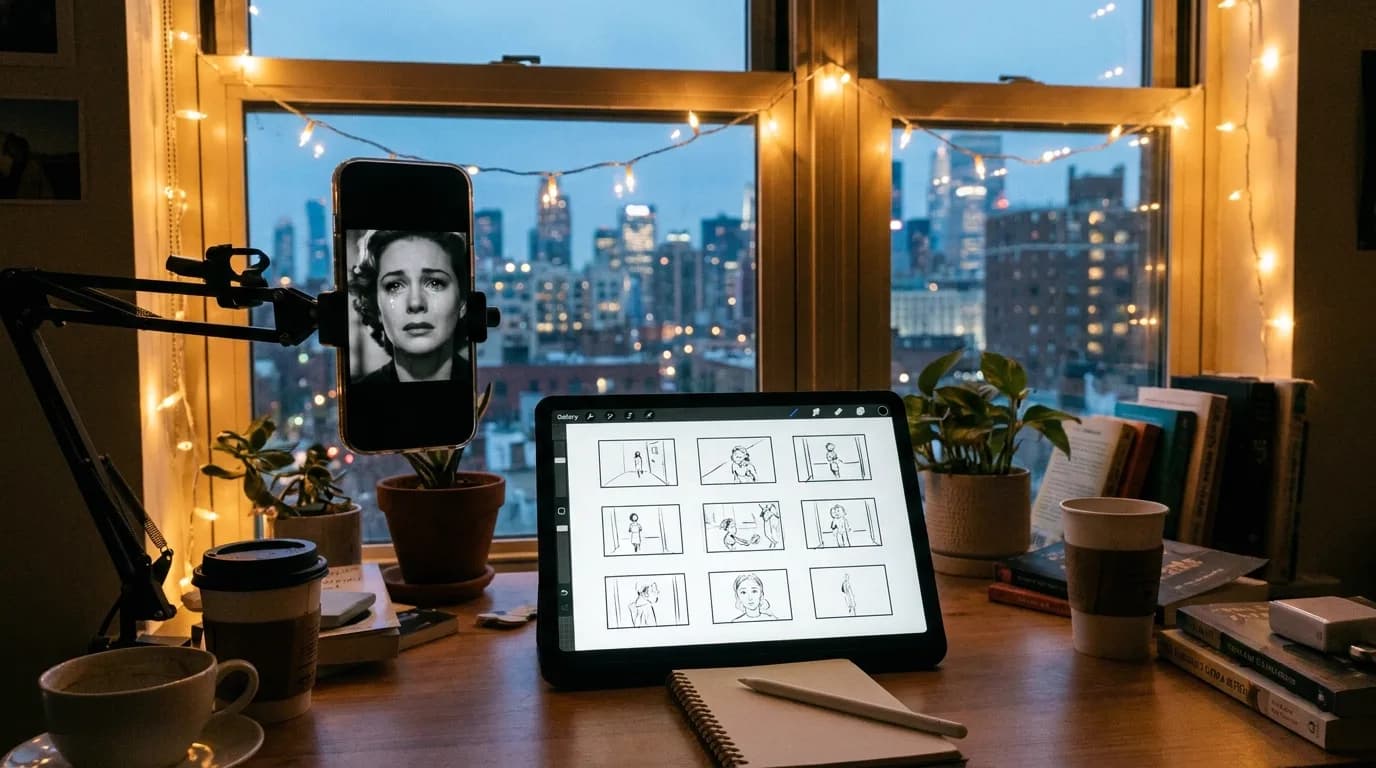
5. Storyboard in 9:16, per shot
Set the project to 9:16 before boarding anything. Vertical composition is its own grammar: faces in the top two-thirds, hands and objects in the centre column, two-shots stacked rather than side by side. Each script beat becomes one shot of two to four seconds, boarded as a frame that uses the cast references. ScreenWeaver's storyboard generates those frames from the script with the story elements attached, and the storyboard-first workflow is the general method.
A 90-second episode boards at 25 to 40 frames. A 70-episode season is around 2,000 frames, which sounds like a lot until you notice that half of them are the same six setups with different lines.
6. Generate, one movement per clip
Each board frame becomes a clip through image-to-video generation, with the frame as the first image and the prompt describing one movement. Dialogue clips run three to five seconds. Reaction clips two. Nothing over eight. Models differ in how they respect a reference and whether they generate speech natively; the AI video model picker keeps the current answers, and the generators compared article covers the all-in-one tools against the script-first route.
Budget three generations per shot. That multiplier, not the per-clip price, is the bill. The production cost article does the arithmetic per episode and per season.
7. Voice, music, cut
Record or generate the lines before the video so the durations are known, cut the clips to the lines, add music under the turn and a sting on the cliffhanger. The last five seconds of every episode are the cliffhanger and the first five of the next are the reaction the previous episode withheld. Cut them as a pair.
8. Distribute
Self-publish to TikTok, YouTube Shorts and Reels, where a series can run without a paywall, or pitch the apps, which commission and gate. The routes, the contests and what each one asks for are in where to sell a short drama script.
Try it free
Try Screenweaver for free on your script
It is free. Import your existing project, get a clearer view of your outline, and regain control of your story structure in minutes.
Start FreeWhere the AI path still breaks
- Kissing, fighting, and anything where two bodies touch. Board around it: the approach, the cut, the aftermath.
- A character walking through a door into a different location. Two clips, never one.
- Consistent costumes across 70 episodes. Put the costume in the reference sheet, not in the prompt.
- Lip sync on long lines. Keep lines short, cut to the listener, come back.
- The voice. AI voices are fine for a pilot and noticeable across 100 minutes. Budget for a cast or a better voice model before a full season.
A realistic first project
Not a 70-episode season. Ten episodes of 60 to 90 seconds, one trope, three characters, two locations, published on a social platform where nobody has to pay. That is 250 to 400 shots, a week or two of work, and a real answer to whether your premise holds a viewer past episode 3.
If it does, the same grid scales to 70, and by then you have the reference sheets, the locations and the format down.
Vertical work also has somewhere to go beyond the social feeds. The Netflix of AI films covers the vertical streaming apps that license non-exclusively and split advertising revenue.
FAQ
Can you make a short drama entirely with AI?
You can generate every frame and every voice with AI. You cannot skip the season plan, the script or the edit, which is where the watchability comes from. The all-in-one tools that promise an episode from a prompt produce something that looks like a short drama and plays like a slideshow, because the cliffhanger structure has to be written.
How long should AI short drama episodes be?
Sixty to 120 seconds on the apps, which is where retention holds, and up to three minutes for slower romance. For AI production the shorter end is also cheaper and safer: fewer clips, fewer continuity seams, less time for a reference to drift.
How many episodes does a short drama season have?
Forty to 100 on the apps; 60 to 70 is a common commission. A first AI project should be ten episodes on a social platform, then scale.
Do I need a script or can I prompt the episodes directly?
You need a script. A vertical episode is one to two pages, and every line of it is doing something: the hook, the turn, the cliffhanger. Prompting scene by scene loses the season grid, and the season grid is the product.
What aspect ratio is a short drama?
9:16, generated natively, never cropped from 16:9. Set it at the project level so the storyboard, the frames and the clips are all composed vertically from the start.
How much does it cost to make an AI short drama?
Generation for a 90-second episode at three tries per shot runs in the tens of dollars on current models, plus voices. The full breakdown, including a 70-episode season, is in how much a short drama costs to make.
Final Step
Build your next script with Screenweaver
Move from ideas to production-ready pages faster with timeline-native writing and AI-assisted story flow.
Try Screenweaver