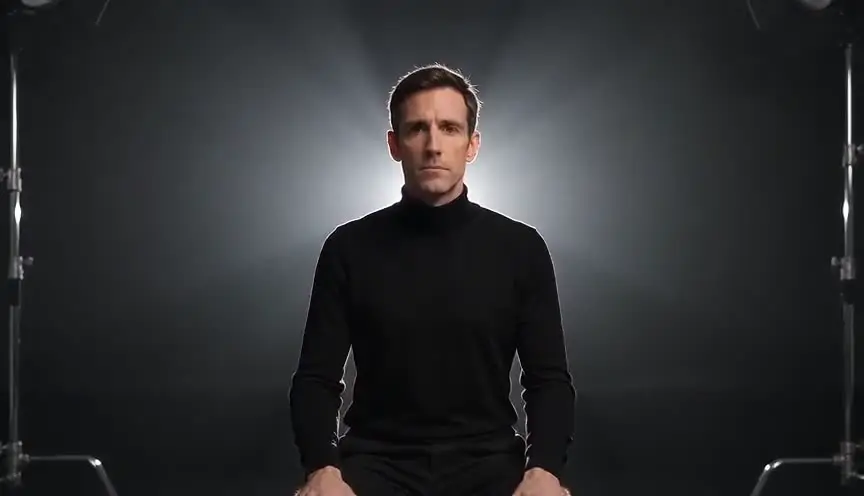
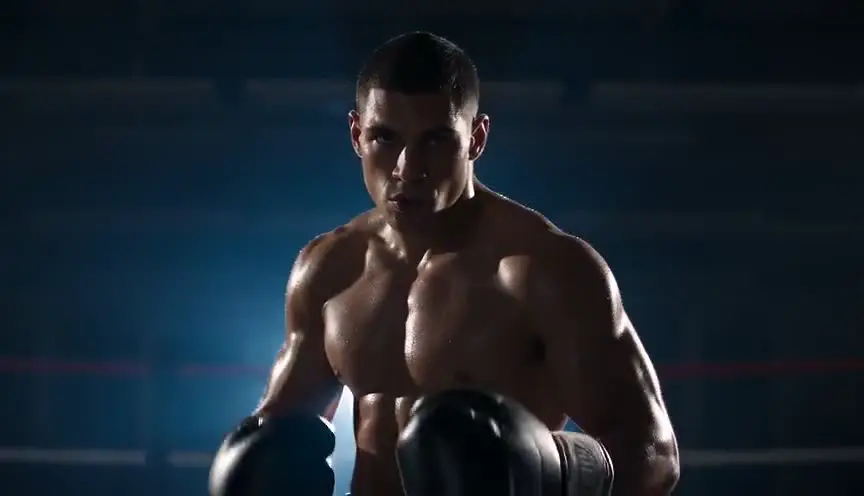
AI Character Consistency Sheet
Build the AI character consistency prompt you paste into every clip
Describe your character once, and this tool assembles an AI character consistency prompt in four formats: a dense prose block, compact JSON, and variants ordered for Veo, Sora, Kling, and Runway. Built for AI filmmakers whose lead grows a new face in every clip.
Text-to-video models have no memory between generations, so the same character only stays the same if the prompt describes them the same way every single time. The fix is a consistency block: exact wardrobe colors, one distinguishing detail, a locked lighting and grade line, pasted word for word at the top of every prompt. Specific beats long: "rust-orange corduroy jacket" holds where "stylish jacket" drifts.
Everything runs in your browser. Saved characters live in your browser's local storage and are never sent to any server.
Fill what you know. Empty fields are skipped, but exact colors and one distinguishing detail do the most anti-drift work.
Your consistency blocks
Fill in at least one field above to build your character block.
Saved characters
Saved to your browser only. Build one block per character, then copy the whole ensemble for group scenes.
No saved characters yet. Name a character above and hit Save character to start your cast.
How it works
The sheet assembles your fields into deterministic blocks: a dense prose paragraph that works in any model, a compact JSON object for structured workflows, and three per-model variants that follow each family's prompt guidance (Veo wants a subject description sentence ending in style, Sora responds to narrative prose, Kling and Runway parse comma-separated tags most reliably). Empty fields are skipped cleanly, so a half-filled sheet still produces a usable block. Saving stores the character in your browser's local storage so you can rebuild your cast next session.
How to keep the same character across AI video clips
Character drift is the number one killer of multi-clip AI films. A protagonist whose jacket changes color between shots breaks the story faster than any render artifact, because viewers track faces and wardrobe before anything else. Every generation starts from zero, so consistent character AI generation is not a model setting, it is a prompting discipline: the same description, repeated in full, in every prompt.
Specificity beats length. A 40-word block with exact garment colors ("rust-orange corduroy jacket over a white tee") and one distinguishing detail ("a thin scar through the left eyebrow") outperforms a 200-word biography, because models weight concrete visual tokens over backstory. That is the logic behind a character consistency sheet for AI video: it forces the description down to the tokens that actually control the pixels, whether you need to keep the same character in Veo or lock Sora character consistency across a sequence.
Never write "the same woman as before." The model has no before; each prompt is its whole world. Re-paste the full block every time, and for ensembles give each character their own block plus one shared lighting and grade line so the cast reads as if photographed by the same crew. Treat the result as your AI video character bible: it does for Kling same character across clips work what a wardrobe department does on a physical set.
Once your cast is locked, build the rest of each shot's prompt with our free AI video prompt generator and keep the character block pasted above whatever it produces.
Who this is for
- AI short film makers: build a character reference prompt template per lead before generating a single clip, so the edit cuts together.
- Series and episodic creators: save the whole cast in the browser and reload the exact same blocks next episode, months later.
- Brand and social teams: lock a mascot or spokesperson's look once and hand every editor the same block, whatever model they generate with.
Start from the screenplay.Get the storyboard.
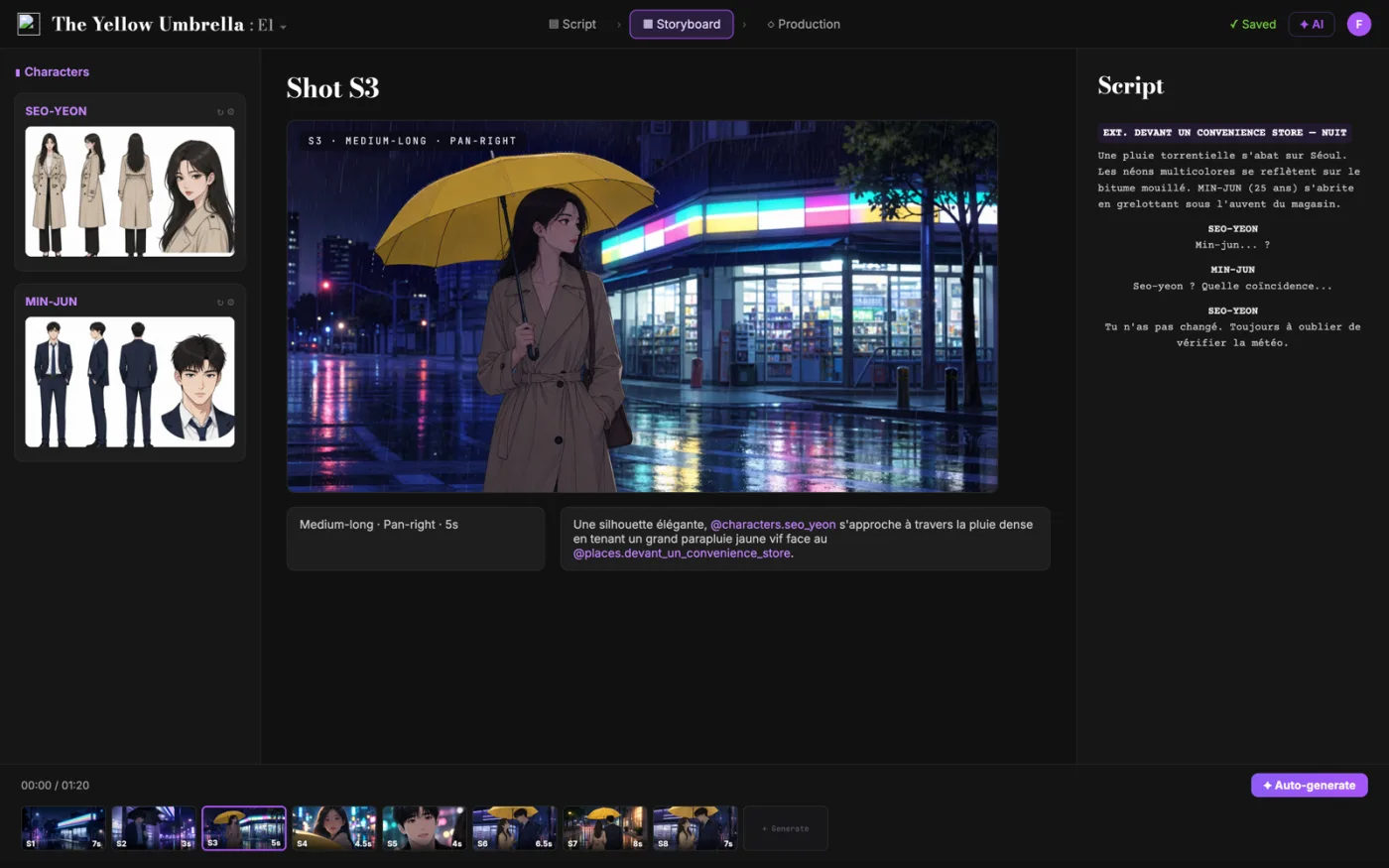
ScreenWeaver breaks your script into shots and generates the storyboard from it. You control framing, angle, movement and duration. Characters carry from shot to shot.
- $0, does not expire
- PDF and Final Draft export
- Mac, Windows, Linux, iPad
AI Character Consistency Sheet: the complete guide
It assembles your character fields into a dense prose paragraph, a compact JSON block, and Veo, Sora, and Kling/Runway variants ordered per each model family's prompt guidance, skipping empty fields cleanly.
For this workflow, the central problem is clear: text-to-video models have no memory between generations, so characters drift (new face, new jacket, new hair) unless every prompt repeats an identical, specific description. Left unresolved, this creates downstream friction and slower decisions. The practical target is a reusable character consistency block in prose, JSON, and per-model variants, plus a saved cast you can reload and copy as a full ensemble.
Limitation to keep in mind: A text block reduces drift but cannot eliminate it: it does not control seeds or reference images, so faces may still vary between generations. Pair it with reference frames where your model supports them.
Advanced workflow: Advanced teams treat the sheet as a character bible: one saved block per cast member, a shared lighting and grade line across all of them, and the ensemble block pasted above every scene prompt so multi-character shots stay coherent.
Step-by-Step Workflow
- Fill the sheet with what the camera sees: exact wardrobe colors, hair shape, one distinguishing detail, movement, lighting.
- Copy the variant matching your model: the Veo sentence, the Sora narrative, or the Kling/Runway tag list.
- Paste the block at the top of every prompt, unchanged, before the shot-specific action and camera language.
- Save each cast member, then use Copy all characters to paste the ensemble into multi-character scene prompts.
Use Cases By Profile
- AI short film maker: lock the lead's look before generating, so every clip in the edit shows the same person.
- Episodic creator: reload the saved cast next episode and keep continuity across weeks of generations.
- Brand team: distribute one canonical spokesperson block so every editor generates the same character.
Common Mistakes To Avoid
- Referring back with "the same character as before", which the model cannot resolve because it has no memory.
- Writing vague wardrobe ("a stylish jacket") instead of exact colors and items the model can reproduce.
- Tweaking the description slightly between clips, which reintroduces the drift the block exists to prevent.
Professional Best Practices
- Give every character exactly one loud distinguishing detail; it becomes the anchor your eye checks in each clip.
- Keep one shared lighting and grade line across the whole cast so ensemble shots look photographed together.
- Version your blocks per project, not per clip: if the look must change, change it once and regenerate the scene.
Treat this tool output as a decision support layer, not a replacement for authorship. Great scripts are remembered for specific choices, emotional precision, and clarity of dramatic movement. Tools help by removing noise so your energy can go where it matters: character, conflict, escalation, and payoff. If you review outcomes after each pass and keep an explicit log of accepted changes, your workflow becomes faster and more predictable from draft to draft. That consistency is exactly what professional collaborators value: fewer surprises, clearer rationale, and a script that evolves with intent.
Extended FAQ
What is an AI character consistency prompt?
A fixed block of text describing a character's face, hair, wardrobe, and style in exact terms, pasted at the top of every video prompt. Repeating it verbatim is currently the most reliable way to keep one character recognizable across clips.
Does Sora keep characters consistent between generations?
Not by itself: each generation is independent. Sora responds best to narrative prose, so this sheet's Sora variant restates the character as a flowing description you include in every prompt, optionally alongside a reference image.
What should a character sheet for AI film generation include?
Name, age range, face and build, hair, wardrobe with exact colors, one distinguishing detail, movement quality, lighting and grade, and visual style. Those are the fields models translate into pixels; backstory is dead weight.
Why use JSON for a character description?
Some workflows and pipelines template prompts programmatically, and a few models parse structured input well. The JSON block carries the same fields as the prose in snake_case keys, with empty fields omitted.
How is the Kling and Runway variant different from the Veo one?
Kling and Runway parse comma-separated tag lists most reliably, so the variant flattens your fields into tags plus a consistency anchor. Veo guidance favors a single subject-description sentence ending in style, which is how its variant is ordered.
Where are my saved characters stored?
In your browser's local storage only. They survive page reloads on the same device and browser, are never uploaded, and disappear if you clear site data. Copy your blocks somewhere safe for long projects.
Frequently asked questions
Paste the identical character description at the top of every prompt, ordered subject first and style last, which is what the Veo variant here produces. Where Veo supports reference images, pair the block with the same reference frame for a visual anchor too.
Because models have no memory between generations and fill any unspecified attribute with a fresh guess. Every field you leave vague (hair length, jacket color, age) is a field the model re-rolls. A complete, repeated block removes the guesswork.
No. Backstory tokens barely influence pixels. Spend your words on what the camera sees: exact garment colors, hair shape, one distinguishing detail, movement quality, and the lighting grade. Short and concrete beats long and literary.
Give each character their own saved block, then use Copy all characters to paste the full ensemble. Keep one shared lighting and style line across all of them so the cast looks photographed by the same crew.
No. The blocks are assembled entirely in your browser, and saved characters live in your browser's local storage. Nothing is sent to a server, and clearing your browser data removes them.
Related tools
Scene to Clip Splitter
Split a scene into AI video clips that fit your model's duration cap.
AI Video Prompt Generator
Build cinematic prompts for Veo, Sora, Runway, and Kling.
Character Arc Worksheet
Map want, need, flaw, wound, and final choice.
Camera Movement Prompts
Animated library of camera moves with copy-paste AI video prompts.
You can also browse the full library on /tools.
Core blog guides
- Idea → first draft (process hub)
- Screenplay format guide 2026
- Hidden costs of “free” software
- Affordable software & TCO
- Revision passes (structure → dialogue)
Film techniques
Film techniques to explore
Each one with a short clip, a screenplay excerpt and the shot list line.