Todo es Prompt 2026 · Guide

How to win Todo es Prompt (All Is Prompt), the online AI film festival.Entries from $2.50. Shorts and features. Nine special awards.

The second edition's rules, the jury of four, the nine special awards and a plan to the 15 October late deadline, with 25 October as the last resort. Then build the film in ScreenWeaver.
  • Late deadline 15 October 2026
  • Shorts to 30 minutes
  • No imposed AI tool
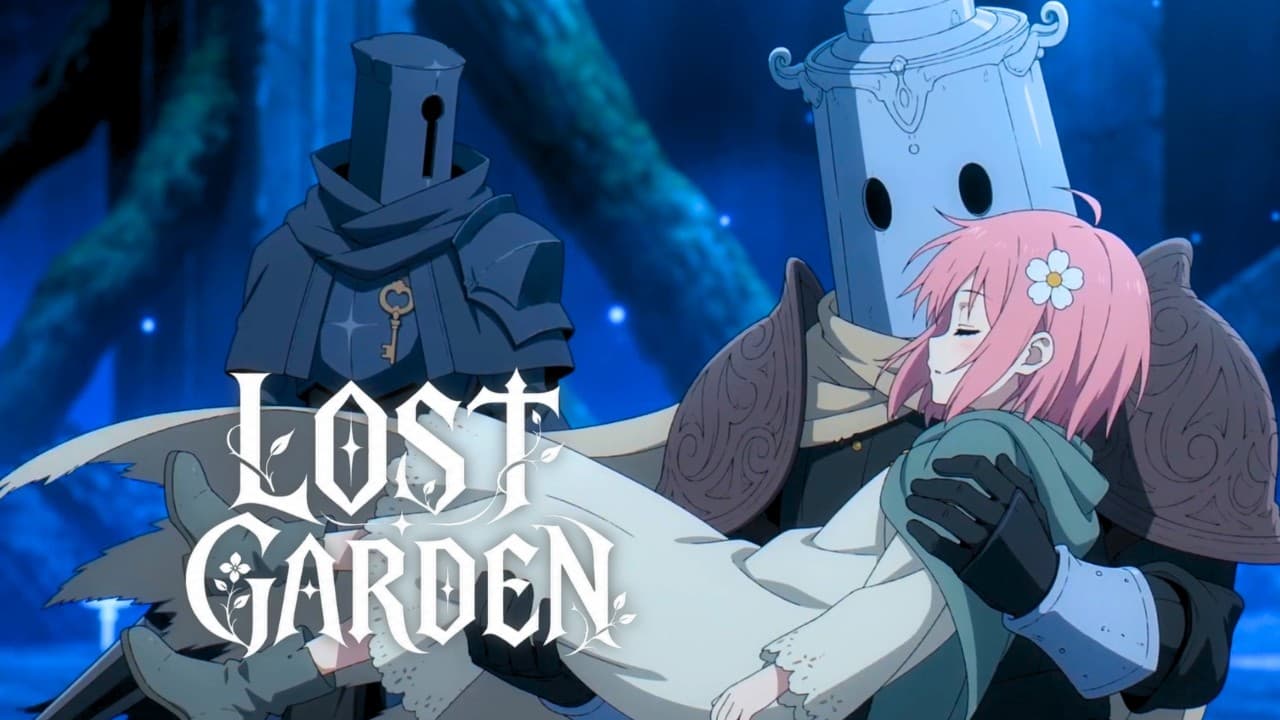
Lost Garden · Episode 2

Independent guide. ScreenWeaver does not organise Todo es Prompt and is not affiliated with the festival. Rules read on 1 October 2026. Official call

Available today in ScreenWeaver: free screenwriting, and a storyboard generated from your screenplay with Storyboard Beta, $9.99 a month.

Rolling out: video generation of each shot, powered by Seedance, with the Filmmaker plan. The festival imposes no tool, so for 15 October you generate with one you already use.

The rules on one card

What Todo es Prompt asks for.

Todo es Prompt is an international online festival of AI films, in Spanish and English, with shorts and features. The second edition is the one open now, and it is one of the cheapest to enter.
Edition
2nd edition, online, 29 Oct to 4 Nov 2026
Deadlines left
15 Oct (late), 25 Oct 2026 (extended)
Entry fee
$4.50 until 15 Oct, then $8
Running time
Shorts to 30 minutes, features 40 to 120
AI requirement
Significant use of AI, not the whole film
Genres
Fiction, documentary, animation, experimental, music video
Notification
26 October 2026
Recognition
Laurel and certificate, plus nine special awards

Source: the festival's call on Festhome (rules, fees, dates) and todoesprompt.com (jury, first edition), read on 1 October 2026. The festival site has no rules page of its own. Festhome lists a Mexico City address, while the site describes an online festival. No cash prize is listed.

Key dates

Fourteen days to the late deadline.

Two deadlines have passed, two are left, and the festival opens four days after the last one. Count from 15 October.
  1. 22 Aug and 18 Sep

    Early and standard deadlines

    Both have passed. They carried the lowest fees, $2.50 and $3.50.

  2. 15 Oct 2026

    Late deadline

    $4.50 per film. The plan below is built to reach this date.

  3. 25 Oct 2026

    Extended deadline

    $8 per film, and the last day to enter.

  4. 26 Oct 2026

    Notification

    Selected films are told. Selection is what brings the laurel, the certificate and the editorial article.

  5. 29 Oct to 4 Nov 2026

    The online festival

    Seven days of online screenings. Selected participants get a screening pass and access to the official festival chat.

Who decides

Four jurors, all makers.

The jury is presented on the festival's home page. Two of the four also have a film in the first edition's selection, which tells you the festival is a community of creators first.
  • Dago Marcone

    Filmmaker, audiovisual researcher and new media artist specialised in AI. His work mixes generative AI, experimental cinema and new narrative forms. Expect an eye for form: a distinct visual idea will read better than a safe copy of cinema.

  • Elina Rojas

    Experimental filmmaker, visual essayist and curator, with work on collective memory, digital identity and algorithmic perception. A film with something to say about memory or identity speaks her language.

  • Antonio Cortés

    More than 25 years in camera and photography on features, series and ads, now a generative AI creator. His 8 minute short WCNSF is in the first selection. Expect a trained eye for lighting, lens choices and continuity.

  • Cristian Arcos

    Colombian director and producer working across documentary, fiction and animation, with themes of memory and territory. His short El niño y el mar, 10 minutes, is in the first selection. Grounded, place-based stories suit him.

The special awards

Nine special awards, six ways in.

Besides the selection, the call lists nine special awards for outstanding shorts. Each rewards one craft, so decide which one you are making the film for.
  • 01

    Best AI Storytelling

    The story itself, judged apart from the tools that told it.

    A clear want and a clear change. Write the screenplay first and generate only what the screenplay needs.

  • 02

    Art Direction and Visual World

    Best AI Art Direction and Best Visual World or Universe: the look, and the place the film happens in.

    One palette, one light, one rule about how this world works. A world that obeys itself beats a world that is only beautiful.

  • 03

    Best AI Cinematography

    Framing, camera movement and light, judged as a director of photography would.

    Decide your lenses, your height and your light direction once, then keep them. Vary the shot size, not the style.

  • 04

    Sound Design and Music

    Best Sound or Sound Design with AI, and Best AI-Generated Music.

    Two awards in one stage of the work that many entries rush. Spend the last two days of the plan on sound.

  • 05

    Best Integration of AI

    How AI is integrated into the creative process, not how much of it is on screen.

    Keep your screenplay, your references and your shot versions. A short note on where AI helped and where you decided is the evidence.

  • 06

    Micro-Short and Emerging Director

    Best AI Micro-Short, for films under one minute, and Best Emerging AI Director.

    Under 60 seconds, one idea is enough, and it is the cheapest film to finish before 15 October. If you are new, enter it.

The 1st edition

What the first selection shows.

The first edition ran online in May 2026, judging by the dates of the posts on the festival site. Its page of selected filmmakers lists 17 films from three countries: Spain, Colombia and Venezuela.

  1. 01

    Short films dominate. 13 of the 17 films run 11 minutes or less, down to 1 minute 30. Only two reach 28 minutes, just under the 30 minute ceiling.

  2. 02

    Real people and places appear. Titles such as Pedro Páez: Misionero y Descubridor, Lorca vive en Nerja and Don Arístides, Médico por Vocación point at the real world. Local stories stand out.

  3. 03

    Tone is open. CIND3R3LLA: MISIÓN EN TACONES and Posesión Robótika sit in the same selection as a missionary's biography and a 15 minute film called Canciones de mi vida.

  4. 04

    It is a small community. Two of the four jurors have a film in the selection, and selected participants get an official festival chat. You enter a scene, not a machine.

From script to screen

Lost Garden: one world, six shots.

The opening of Lost Garden, episode 2, an animated series by the ScreenWeaver team, made with Seedance. Two special awards here are about the look: art direction and visual world. The scene is built for them, a cavern with one light, one palette and one rule, held for six shots.

Logline. A newborn knight whose inner light is leaking away crosses a world that has stopped hoping, to find the one blacksmith who can seal his armor.

Screenplay · episode 2 · page 1

INT. UNDERGROUND CAVERN - LOWER PATH - CONTINUOUS

Blue mushrooms the size of houses. LANTERN, a small knight with a lantern for a helm, walks alone.

He presses a hand to his chest. Sparks of light slip between his fingers.

SERRURE

Hold on. You're losing something.

Serrure lifts the edge of the cloak. A gash in the armor. Blue light leaks out like smoke.

SERRURE

That's your energy. What keeps you standing.

He grips Lantern's shoulder. Two knights alone among the crystals.

SERRURE

A suit that leaks goes out. Eventually.

Under the giant mushrooms, the road climbs into the dark.

SERRURE

So. We follow the road.

Serrure points the way. Lantern follows.

CUT TO:

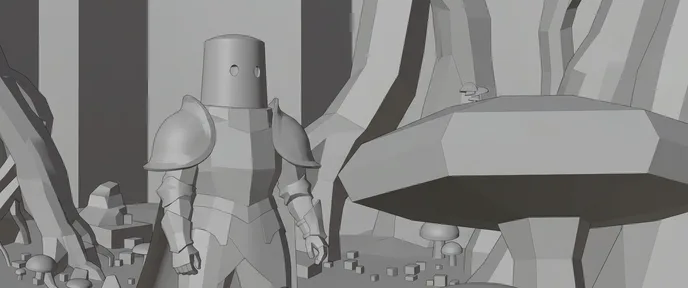
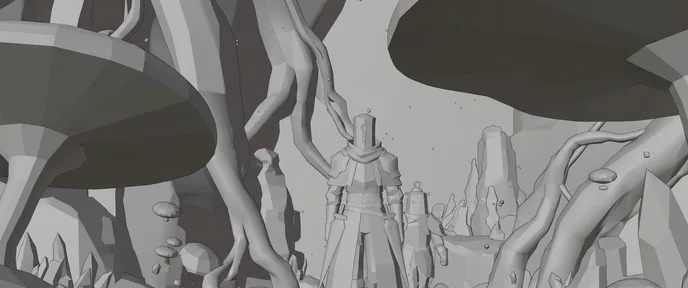
  1. A small knight with a lantern helm stands by a giant glowing blue mushroom in a crystal cavern
    Storyboard frame of the same wide shot, in grey
    01

    Wide · the world

    Wide shot, Lantern alone by a giant glowing blue mushroom, crystal cavern, roots, drifting spores, cold blue light

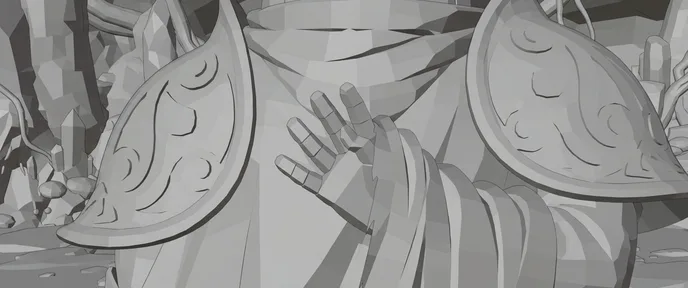
  2. Close-up of an armored chest under a cream cloak, a gloved hand, a spark of light
    Storyboard frame of the chest close-up, in grey
    02

    Close-up · the chest

    Close-up on Lantern's chest, his gloved hand pressed to the cloak, a spark of light escaping between the fingers

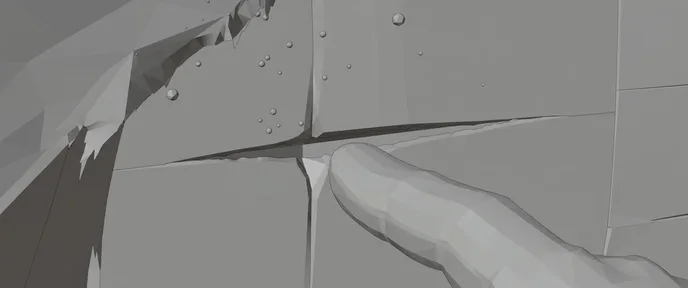
  3. A torn gash in an armor plate leaking bright blue light, a finger pointing at it
    Storyboard frame of the wound insert, in grey
    03

    Insert · the wound

    Extreme close-up, Serrure's finger near a torn gash in the back plate, blue light leaking out like luminous smoke

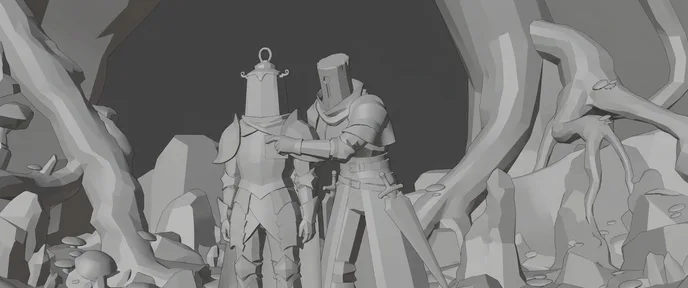
  4. Two armored knights side by side, one with a hand on the other's shoulder, in a crystal cavern
    Storyboard frame of the two-shot, in grey
    04

    Two-shot · the bond

    Medium two-shot among crystals and roots, Serrure's hand on Lantern's shoulder, faceless armors, emotion through posture only

  5. Two small knights walk beneath two giant glowing blue mushrooms
    Storyboard frame of the wide shot, in grey
    05

    Wide · the scale

    Wide low angle, the two knights tiny beneath two giant glowing mushrooms, blue crystals in the foreground, mist

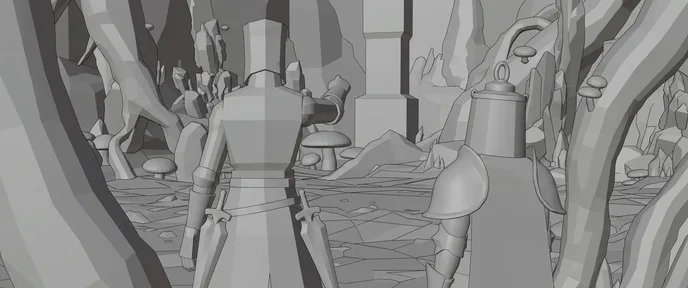
  6. Seen from behind, a tall dark knight points ahead while the small lantern knight looks on
    Storyboard frame of the over-the-shoulder shot, in grey
    06

    Over the shoulder · the road

    Over-the-shoulder from behind, Serrure points ahead into the cavern, Lantern beside him, roots framing the path

Lost Garden, episode 2, 21 minutes, which fits the festival's short category up to 30 minutes. Its predecessor, episode 1, reached the finals of the AI London Festival. The player opens on this scene, the start of the episode.

The script

Four minutes, five movements.

Four minutes is a comfortable middle: far under the 30 minute ceiling and long enough for an arc. It is about 50 to 60 shots of 4 to 5 seconds.
  1. 0:00 to 0:20

    The place

    Show the world before any character speaks. This is the shot that the art direction awards will remember.

  2. 0:20 to 1:10

    The wound

    A character with something wrong, visible in the image rather than in a line.

  3. 1:10 to 2:40

    The road

    A meeting or a journey that shows how the world works. Raise the cost once.

  4. 2:40 to 3:30

    The choice

    The character acts. Sound and music carry this moment more than the picture.

  5. 3:30 to 4:00

    The new place

    The same place as the opening, seen differently. Then a quiet credit.

Under one minute the same film enters a different award, Best AI Micro-Short. Halve every movement and you have it.

Day by day

From 1 October to the late deadline.

Fourteen days to 15 October, twenty-four to the last deadline. Most of the work happens before the first generation.
  1. 01

    1 to 3 October

    One world, one rule

    Pick the special award you are aiming for. Write a logline and one rule of your world on a single line, and tape it above your desk.

  2. 02

    4 to 6 October

    The screenplay

    Four pages. Write them for free in ScreenWeaver in industry format, then cut anything you cannot afford to generate twice.

  3. 03

    7 and 8 October

    References and storyboard

    One reference per character and per location, approved once. Generate the storyboard from the screenplay and adjust the shot sizes.

  4. 04

    9 to 12 October

    Generate the footage

    Scene by scene, from the storyboard. No tool is imposed, so use one you already know. Save each prompt and each version.

  5. 05

    13 and 14 October

    Edit, sound and music

    Cut to length, then give sound and music the time they need. Two of the nine special awards are about them.

  6. 06

    By 15 October

    Enter at the late fee

    $4.50 on Festhome. If the film is not ready, the extended window closes on 25 October at $8, with notification on 26 October.

Rejection traps

Six ways to lose your entry.

The rules are short: each participant guarantees them and assumes full legal responsibility for the film.
  • A deepfake without consent

    Any real person's face or voice needs verifiable consent. The simplest answer is to invent your characters.

  • Rights that are not yours

    No infringement of copyright, image rights or intellectual property. Music and recognisable characters are where AI films usually slip.

  • Harmful content

    Illegal content, hate speech and harmful misinformation are excluded. A fiction can be dark, but it cannot promote them.

  • The gap between 30 and 40 minutes

    Shorts run to 30 minutes, features start at 40. A 35 minute film fits neither strand as listed. Cut it or extend it.

  • AI as a garnish

    The call asks for significant use of AI, even if not the whole film. A film where AI only upscales or subtitles is not what it describes.

  • Waiting for the last day

    The same film costs $4.50 until 15 October and $8 after. It is a small difference in money, and a large one in stress.

Why ScreenWeaver

Cheap to enter, so spend on the film.

ScreenWeaver keeps the screenplay, the storyboard and the footage together in one project, so a short made in two weeks does not scatter across ten folders.
  • The fee is not the cost

    At $4.50 the entry is the smallest line of the budget. The Screenwriter plan costs $0 with no expiry, and Storyboard Beta is $9.99 a month, so the preparation stays cheap too.

  • AI integration you can show

    One special award rewards how AI sits in the process. In a project where every shot stays tied to its script, frame and prompt, that account is already written.

  • A world that holds

    Approved references for characters and places follow you shot after shot. That is what turns a string of beautiful frames into one visual world.

  • No tool imposed

    The festival lets you pick any tool. ScreenWeaver's own footage pipelines use Seedance 2.0 and 2.5 and arrive with the Filmmaker plan.

Real productions

International festival-recognized films have been written and produced with ScreenWeaver.

ScreenWeaver is already being used as a creative workspace for real AI film productions, from cinematic shorts to animated series pilots selected, nominated, and awarded by international festivals.

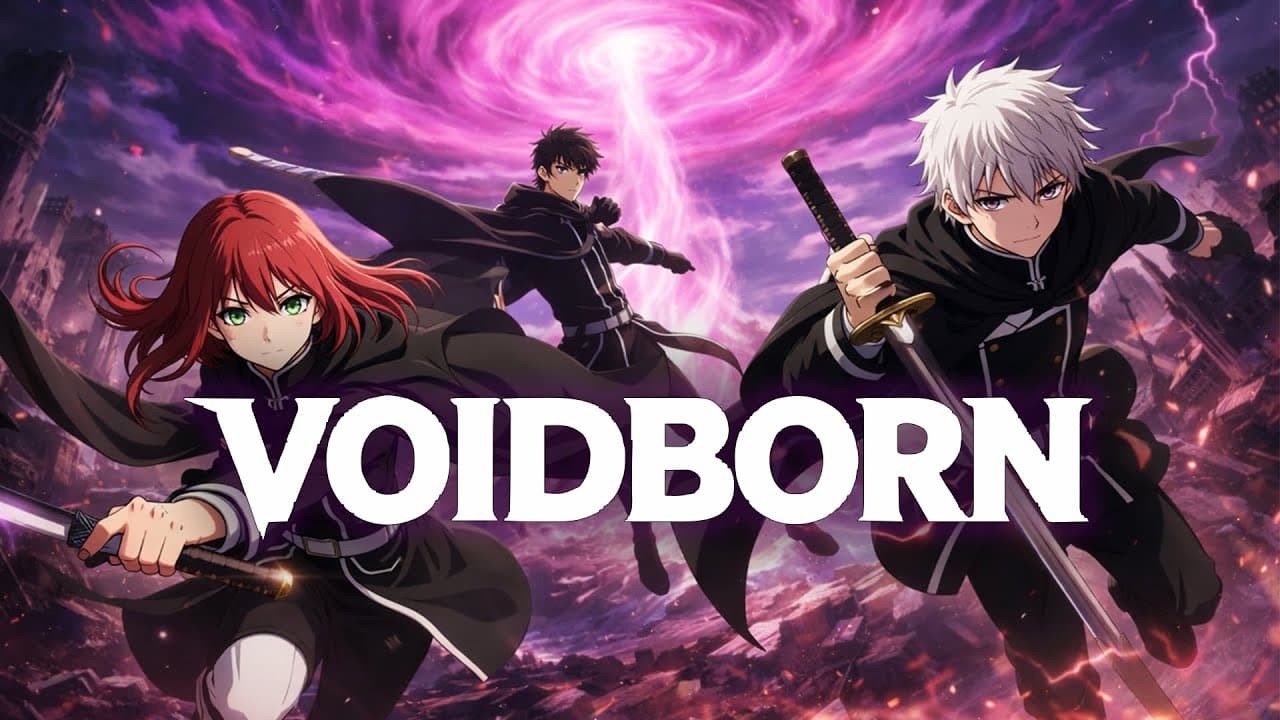
  • Video thumbnail for VOIDBORN

    VOIDBORN

    AI animated / cinematic short

    Festival recognition

    • 1st Place Silver

      Mondial Chroma Awards

    • 2nd Place Dreamina

      Mondial Chroma Awards

    • Award Winner

      Seoul International AI Film Festival

  • Video thumbnail for Les Fils du Vinnana

    Les Fils du Vinnana

    AI short film

    Festival recognition

    • Honorable Mention

      Top Quark Film Festival

    • People's Choice Nominee

      Illuminate Oneness of Humanity

    • Nominee

      ALTFF Supershort

  • Video thumbnail for Lost Garden

    Lost Garden

    AI animated series pilot

    Festival recognition

    • Finalist

      AI London Festival

The pipeline

Write. Board. Produce.

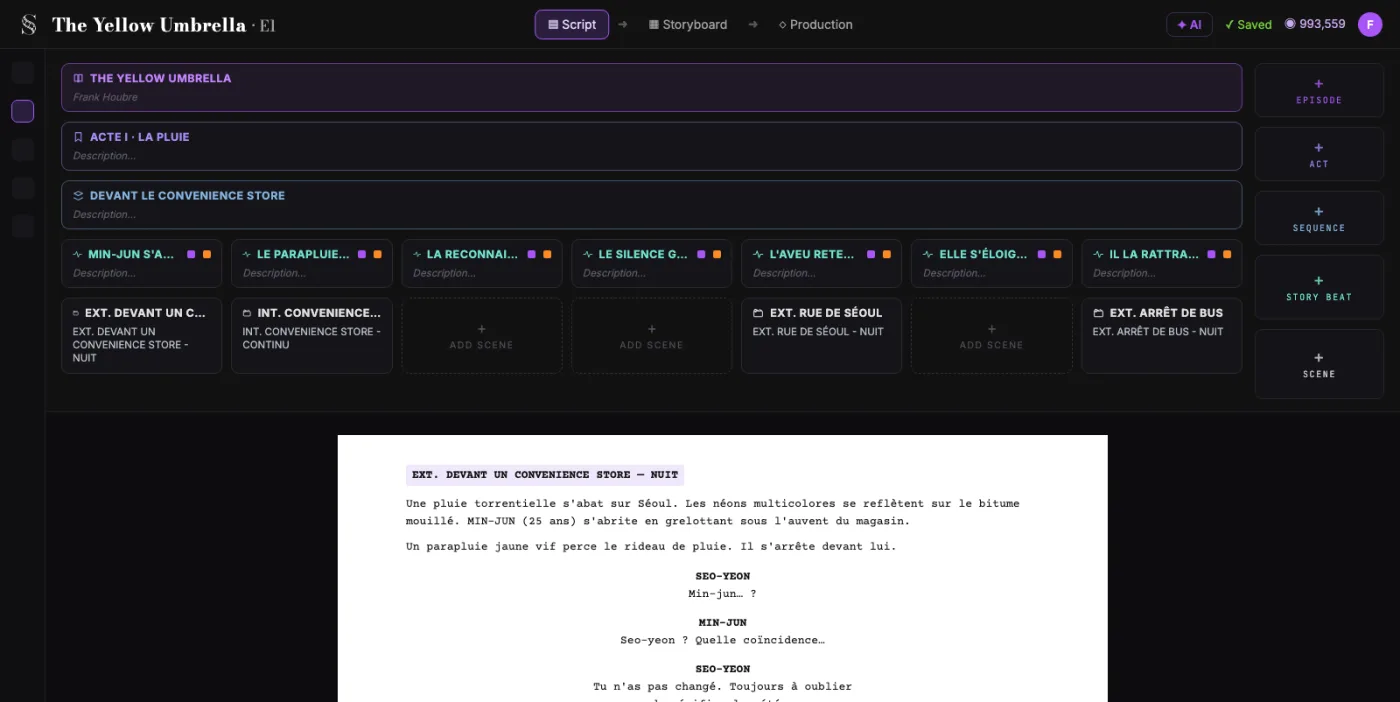
  1. ScreenWeaver screenplay editor: acts, sequences and beats above the formatted script of The Yellow Umbrella

    01The screenplay, enriched

    An industry-standard screenplay editor, and more: a visual outline and beat editor, your writing inspirations (notes, photos, audio) kept next to the page, and an AI researcher to support your writing, not replace it.

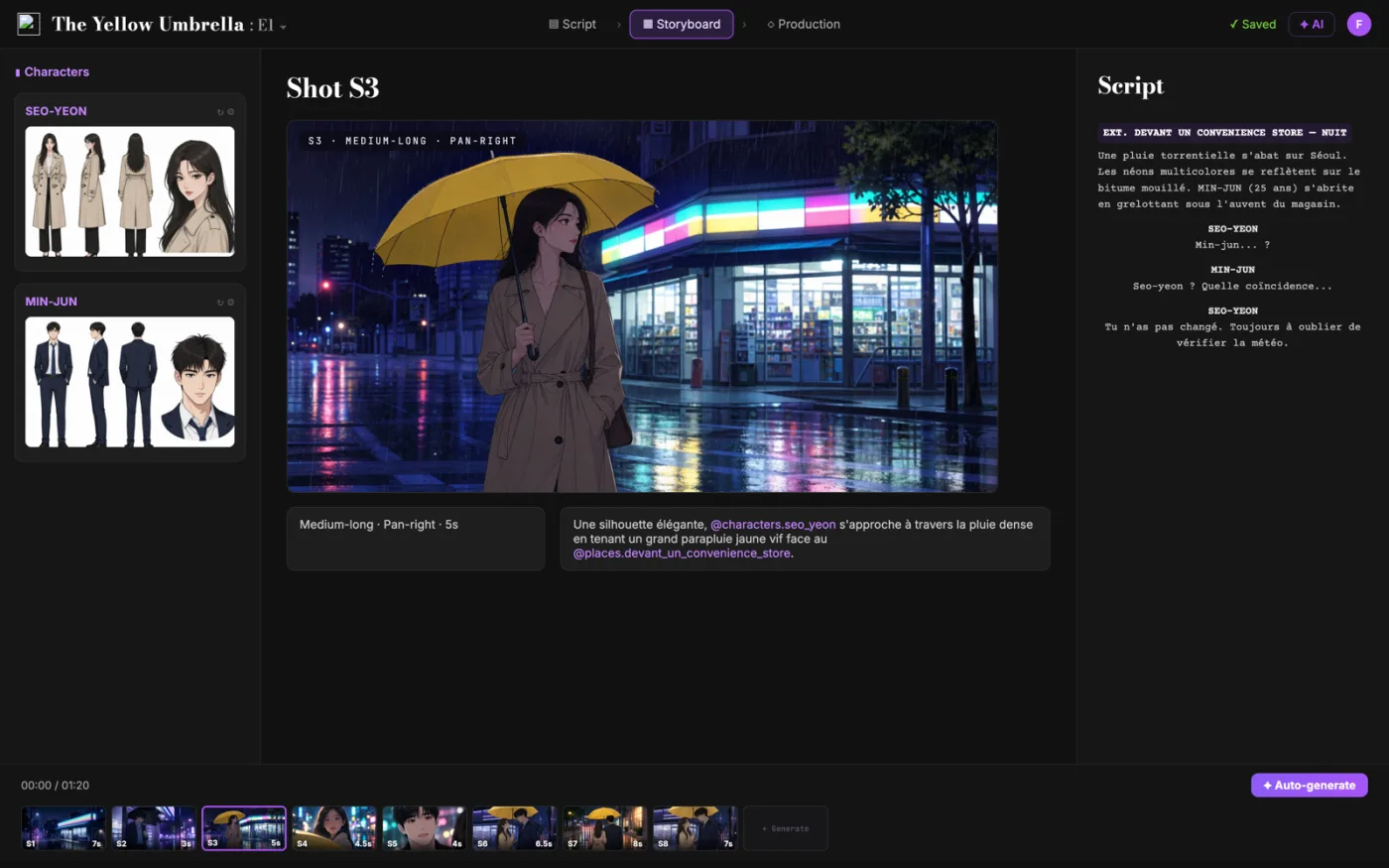
  2. ScreenWeaver storyboard: shot S3 of The Yellow Umbrella with characters, shot settings and the script beside it

    02The storyboard, made easy

    Shot breakdown generated from your screenplay, manual control over every shot (frame, angle, movement, duration), and generative AI previsualization in one click.

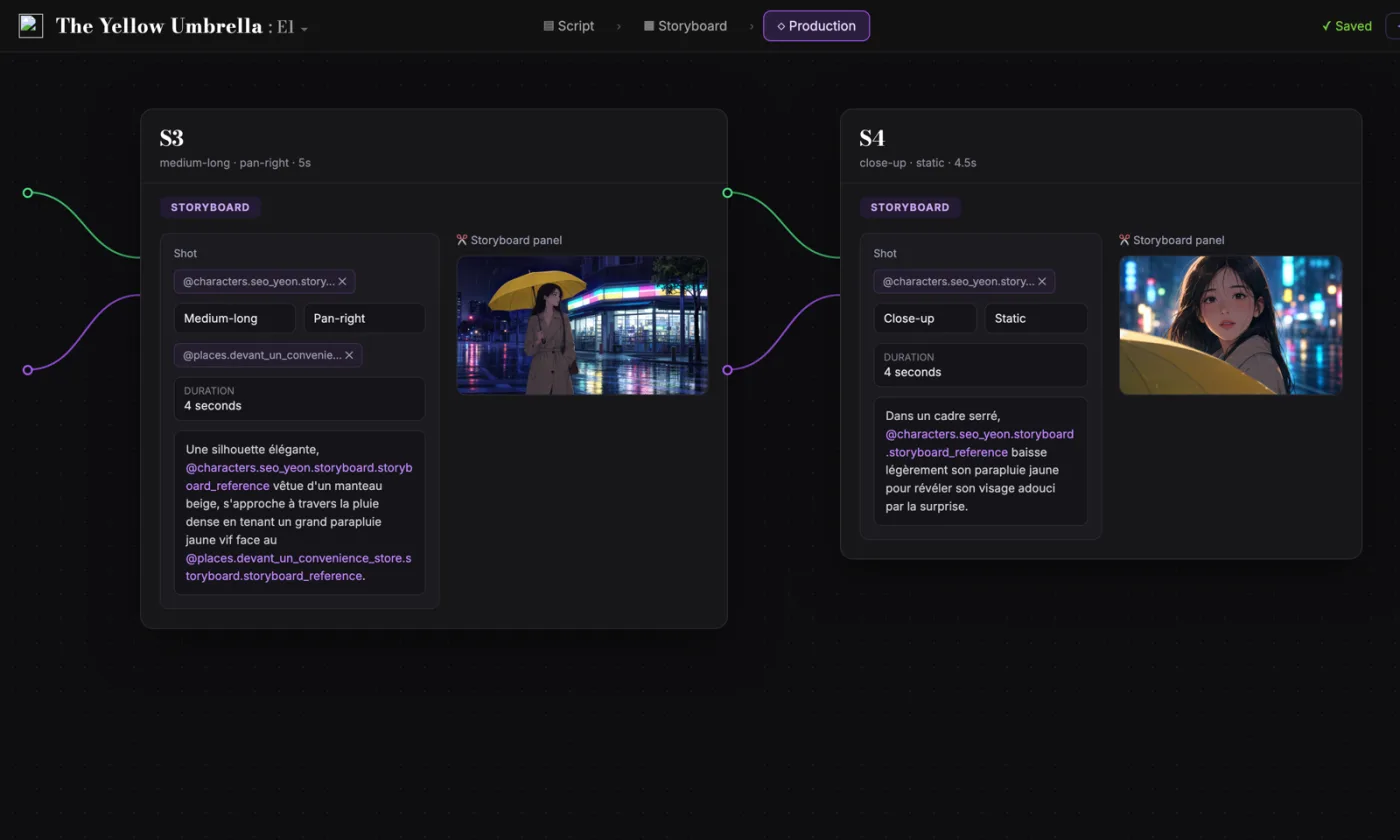
  3. ScreenWeaver production canvas: shots S3 and S4 as connected nodes carrying their storyboard panels and prompts

    03AI production, with finesse

    Footage generation pipelines connected to your screenplay and storyboard. Optimized out of the box, fully editable workflow.

FAQ

Todo es Prompt, your questions

How do you win Todo es Prompt?
First be selected: selected films get the digital laurel, a certificate, an editorial article with an interview and narrative feedback. Then aim at one of nine special awards, from storytelling to sound. The festival does not publish a scoring grid, so pick one craft and do it well.
Can I make my film for Todo es Prompt with ScreenWeaver?
The festival imposes no tool. ScreenWeaver handles the screenplay and the storyboard today, and its footage pipelines, built on Seedance 2.0 and 2.5, arrive with the Filmmaker plan. For the 15 October deadline, generate the shots with a tool you already use.
Is there a cash prize?
None is listed. The recognition is the laurel, the certificate, the editorial feature and feedback, the festival chat and the screening pass, plus the nine special awards.
What does it cost and when does it close?
The late fee is $4.50 until 15 October and the extended fee is $8 until 25 October 2026. Festhome shows about 8% off when you pay with its credits. Notification is on 26 October.
Can I enter a feature film?
Yes, features of 40 to 120 minutes are accepted, with the same fee. Shorts go up to 30 minutes. A 35 minute film fits neither range as listed.
Must AI be everywhere in the film?
No. The call asks for significant use of AI and says the entire film need not be made with it. Even so, disclose clearly where AI was used.
Which language and subtitles?
The Festhome listing accepts any language and states no subtitle rule. English subtitles cost little and widen your audience, so add them.
Who is on the jury?
Dago Marcone, Elina Rojas, Antonio Cortés and Cristian Arcos, as presented on the festival's home page. The site also has pages for other filmmakers from the first selection.

Fourteen days. Start with the page.

Open a blank page today, at no cost. Storyboard it, then generate it with the tool you already use.